Dog Paw Care Routine: Daily, Weekly, and Seasonal Tips for Healthy Paws

A dog’s paws go through more than we often notice. From hot roads to rough surfaces and wet conditions, they deal with constant exposure every single day. That is why building a simple and consistent dog paw care routine can make a big difference in your dog’s comfort and long term health. Healthy paws help your dog walk, run, and stay active without pain, and most issues can be prevented with basic care done regularly.
Why Dog Paw Care Matters More Than You Think
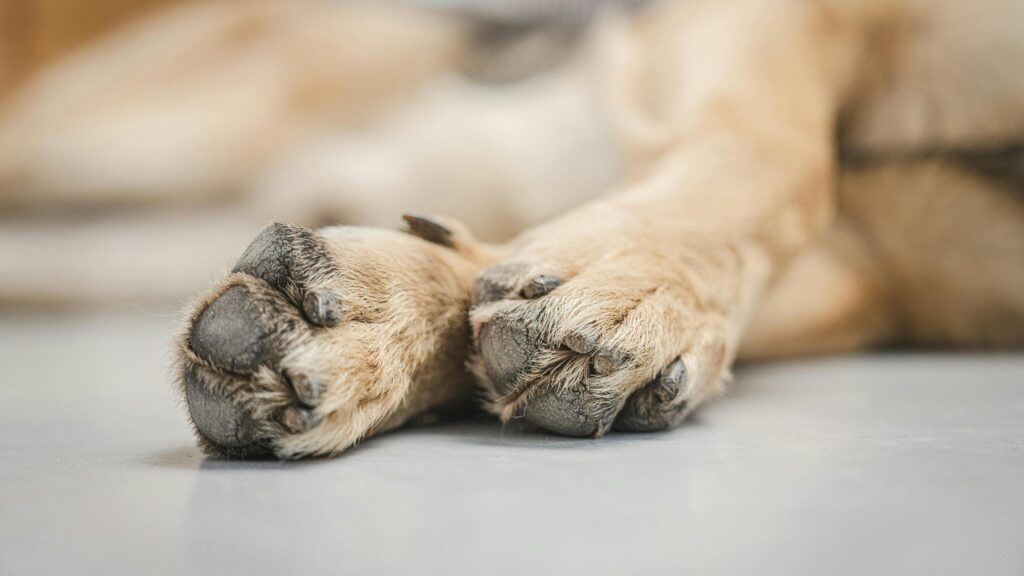
When people think about grooming, they usually focus on fur, ears, or teeth. Paws are often ignored until a problem shows up. But paws are essential for movement and balance. They also act as shock absorbers and protect bones and joints during walks and play.

Without proper dog paw care, small issues can quickly turn into bigger problems. Cracked pads, cuts, infections between toes, and irritation from chemicals or allergens are all common. Even something as simple as walking on hot pavement can cause burns. Regular care helps you spot these problems early and avoid discomfort for your dog.
Daily Dog Paw Care Routine You Should Follow
Daily care does not have to be time consuming. A few minutes after walks or outdoor time is enough to keep your dog’s paws in good condition.
Start with a quick inspection. Check each paw for dirt, small stones, cuts, or redness. This habit is one of the easiest ways to stay on top of dog paw care. If your dog steps on something sharp, catching it early prevents infection.
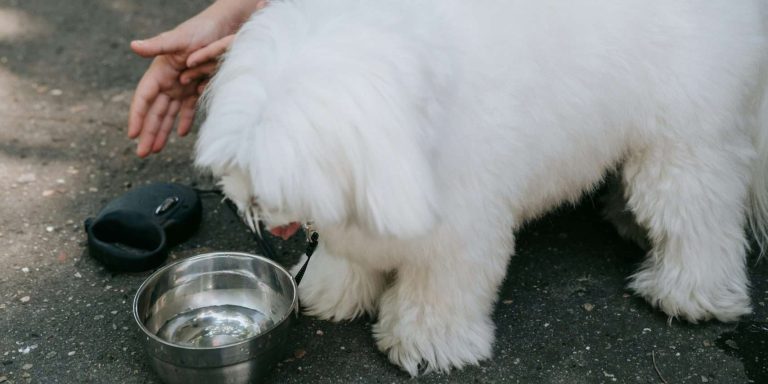
Cleaning is the next step. Use a damp cloth or pet safe wipes to remove dirt and debris. If your dog has been walking in muddy or dusty areas, a gentle rinse with lukewarm water works well. Make sure you dry the paws properly, especially between the toes. Moisture trapped in these areas can lead to bacterial or fungal infections.
Pay attention to your dog’s behavior too. If you notice excessive licking or chewing of paws, it could be a sign of irritation, allergies, or discomfort. Daily observation plays a key role in maintaining effective dog paw care.
Related reads:
Are Dogs Left- or Right-Pawed? What Science Says About Dog Paw Preference
Weekly Dog Paw Care Routine for Long Term Health
Weekly care goes a little deeper than daily checks and focuses on grooming and overall paw condition.
Nail trimming is one of the most important parts. If your dog’s nails are too long, they can affect how your dog walks and even cause pain over time. Ideally, nails should not touch the ground when your dog is standing. Regular trimming keeps them at a healthy length and supports proper posture.
Another important step is trimming the fur between the paw pads. Excess fur can trap dirt, moisture, and even small objects. It can also make your dog slip on smooth floors. Keeping this area neat helps improve hygiene and comfort, making it a valuable part of your dog paw care routine.
Take a closer look at the paw pads during your weekly check. Feel their texture. Healthy pads are slightly rough but not cracked or peeling. If you notice dryness or small cracks, it might be time to introduce a paw balm. Also check for any unusual odor, which can indicate infection.
Seasonal Dog Paw Care Tips You Should Not Ignore
During summer, hot surfaces are the biggest concern. Pavement can become extremely hot and burn your dog’s paw pads within seconds. Try to walk your dog early in the morning or later in the evening when the ground is cooler. You can also test the surface with your hand before stepping out. Including this habit in your dog paw care routine during summer helps prevent painful injuries.
Winter brings a different set of challenges. Cold weather, ice, and road salt can irritate your dog’s paws. Salt and chemicals used on roads can cause dryness and even small cuts. Cleaning your dog’s paws after walks becomes even more important during this season. Using a protective balm or dog booties can add an extra layer of safety.
Allergy seasons also need attention. Grass, pollen, and dust can stick to your dog’s paws and cause irritation. Regular cleaning after outdoor time helps reduce the chances of allergic reactions.
Essential Products That Support Dog Paw Care
While basic care can be done with simple tools, a few products can make your routine more effective.
Paw balms and moisturizers help prevent dryness and cracking. They create a protective layer on the paw pads and keep them soft. These are especially useful in extreme weather conditions.
Dog friendly wipes are convenient for quick cleaning after walks. They are gentle on the skin and help remove dirt, allergens, and bacteria.
Protective gear like booties can be useful in certain situations. They are helpful during hot summers, cold winters, or when walking on rough terrain. Using these tools as part of your dog paw care routine can add an extra level of protection.
Signs Your Dog Needs Better Paw Care
Sometimes, your dog will show clear signs that their paws need attention. Recognizing these signs early can help prevent more serious problems.
If your dog is constantly licking or chewing their paws, it could be due to irritation or discomfort. Limping or avoiding walks may indicate pain in the paws. Redness, swelling, or visible cuts are also signs that something is not right.
Dry, cracked pads or a rough texture can point to a lack of moisture or exposure to harsh conditions. A strong or unusual odor may suggest an infection. Paying attention to these signs is an important part of maintaining consistent dog paw care.
Mistakes to Avoid in Dog Paw Care
Even with good intentions, some common mistakes can affect your dog’s paw health.
Over washing paws can strip away natural oils and lead to dryness. It is important to clean them when needed but avoid doing it excessively.
Using human skincare products is another mistake. Many products meant for humans contain ingredients that are not safe for dogs. Always use pet safe options.
Ignoring seasonal changes can also lead to problems. What works in one season may not be enough in another. Adjusting your routine is key to effective dog paw care.
Skipping regular checks is perhaps the most common mistake. Small issues are easy to fix when caught early, but they can become serious if ignored.
Final Thoughts
Taking care of your dog’s paws is not difficult, but it does require consistency. A few minutes each day and a more detailed check once a week can prevent most common problems. When you adjust your routine based on the season, you add another layer of protection that keeps your dog comfortable throughout the year.
A well maintained dog paw care routine helps your dog stay active, reduces the risk of injuries, and supports overall health. It is a small effort that brings long term benefits for both you and your dog.

![Why Does My Dog Stare At Me? 3 Common Reasons [With Tips]](https://100dogbreeds.com/wp-content/uploads/2024/11/dog-stare-featured-768x512.jpg)