The Mighty Maltese Dog: Big Personality in a Tiny White Package

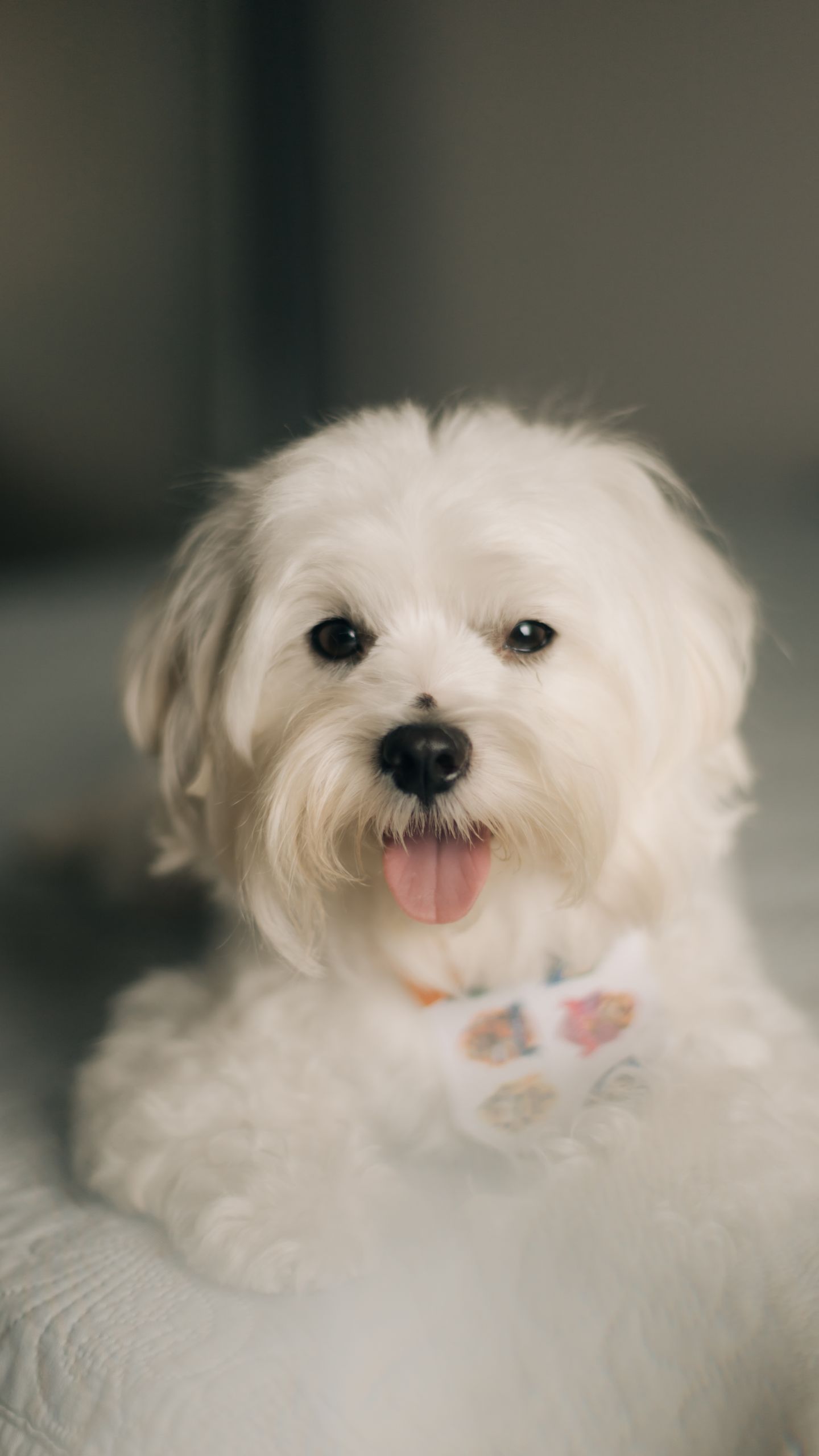
If you are looking for a highly affectionate, elegantly beautiful, and deeply devoted companion, the Maltese dog might be exactly what you are searching for. Known for their show-stopping floor-length white coats and charming personalities, these tiny dogs have been beloved lap dogs for thousands of years.
However, sharing your life with a Maltese involves more than just endless cuddles. That stunning coat requires significant upkeep, and their bold personalities mean they need consistent training to prevent behavioral issues. Whether you are considering bringing a Maltese puppy into your home or you want to provide the best possible care for your current companion, understanding their specific needs is essential.

In this guide, we will walk you through everything you need to know about the Maltese dog, from their historical origins and temperament to their daily grooming requirements, health considerations, and ideal living environment.
Maltese Dog Overview
Before we explore the details of living with a Maltese, here is a quick overview of what to expect from this elegant toy breed.
| Trait | Description |
| Weight | 4 to 7 pounds (under 7 pounds preferred) |
| Height | 7 to 9 inches at the shoulder |
| Lifespan | 12 to 15 years |
| Coat Type | Long, silky, single coat (no undercoat) |
| Coat Color | Pure white (light lemon or tan on ears is permissible) |
| Shedding | Low (Often considered “hypoallergenic”) |
| Temperament | Playful, affectionate, charming, alert |
| Energy Level | Moderate |
History and Origins of the Maltese
The Maltese is one of the most ancient of the toy dog breeds. Their history stretches back over two millennia to the Mediterranean basin, specifically the island of Malta, from which they take their name.
Historically, these small white dogs were a symbol of wealth and prestige. They were favored by royalty, aristocrats, and emperors across the Roman Empire, ancient Greece, and later, European courts. Unlike many other breeds that were bred to hunt, herd, or guard, the Maltese was selectively bred for a single purpose: to be a loving companion.
This centuries-long history as a lap dog heavily influences their personality today. They thrive on human companionship and expect to be treated as a central part of the family.
Maltese Temperament and Personality

Despite their delicate appearance, the Maltese is a lively, vigorous, and fearless little dog. They do not seem to realize how small they are, often approaching larger dogs and strangers with a confident, outgoing attitude.
Maltese dogs are incredibly affectionate and bond deeply with their owners. They are classic “velcro dogs” that will follow you from room to room, perfectly content to sit quietly in your lap while you read or watch television. However, they also possess a playful, spunky side and love a good game of fetch or learning new tricks.
Because they were bred entirely for companionship, they do not tolerate being left alone for long periods. A Maltese left in an empty house for eight hours a day is highly likely to develop separation anxiety, which can lead to excessive barking and destructive chewing.
Are Maltese Good Family Dogs?
The Maltese can be a wonderful family pet, but they are generally better suited to homes with older, gentle children or adults.
Because of their tiny size and fragile bone structure, especially as puppies, they can be easily injured by a well-meaning but clumsy toddler. If you have young children in the home, close supervision is mandatory to ensure the dog is not accidentally dropped, stepped on, or squeezed too tightly.
Living Requirements and Adaptability
The Maltese is an incredibly adaptable breed. Because of their small size and moderate exercise needs, they make excellent apartment dogs. They do not require a large backyard, as long as they get daily walks and indoor playtime. They also travel well, easily fitting into approved cabin carriers for flights, making them great companions for frequent travelers.
Grooming and Coat Care
Grooming is the most demanding aspect of owning a Maltese dog. They have a single layer of hair that is remarkably similar to human hair. While this means they shed very little—making them a popular choice for allergy sufferers—it also means their coat will mat and tangle incredibly quickly if ignored.
If you choose to keep your Maltese in the traditional, long “show coat,” you must commit to daily brushing and combing. You will need a high-quality pin brush and a stainless steel metal comb to gently work through the hair down to the skin.
Many pet owners opt for a “puppy cut,” where the hair is clipped short all over the body. This drastically reduces maintenance, though the dog will still need to be brushed a few times a week and professionally groomed every four to six weeks to keep the cut looking neat.
Managing Tear Stains
Maltese dogs are highly prone to tear staining, which leaves dark red or brown streaks down their white faces. To manage tear stains, you should:
- Wipe their face daily with a warm, damp cloth or a pet-safe eye wipe.
- Keep the hair around their eyes trimmed short so it does not irritate the eyeball.
- Serve their water in a stainless steel or ceramic bowl rather than plastic, which can harbor bacteria.
- Speak to your veterinarian if the staining is severe, as it could indicate an underlying eye infection, blocked tear duct, or dental issue.
Exercise and Training Needs
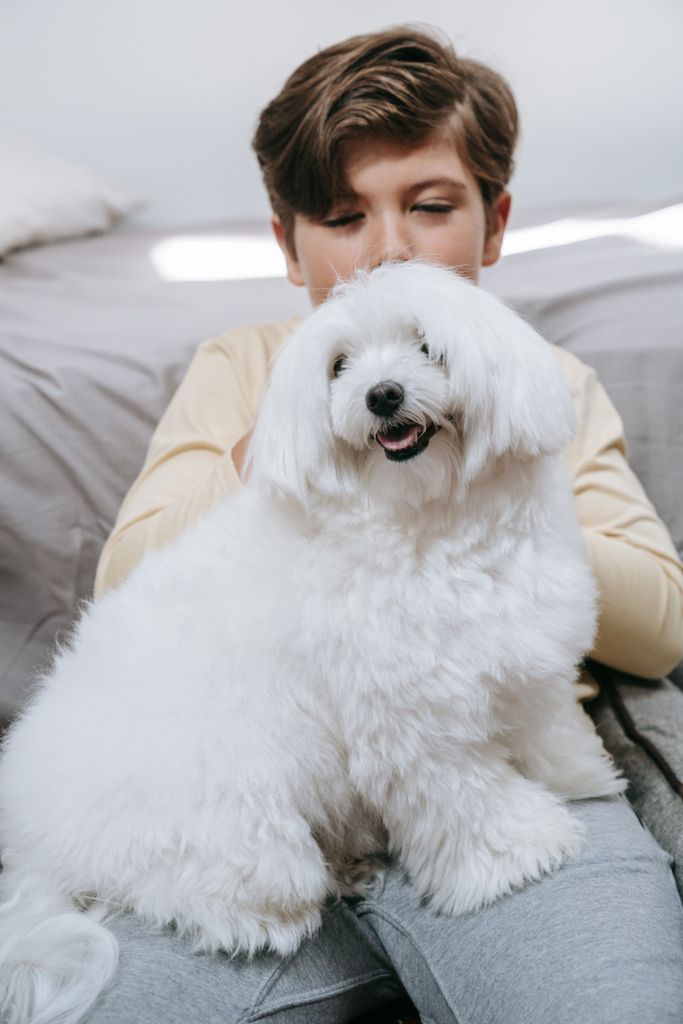
While they enjoy lounging on the sofa, Maltese dogs still have energy to burn. They require about 30 minutes of daily exercise, which can be satisfied with a brisk walk around the neighborhood and some interactive indoor playtime.
Positive Reinforcement Training
Maltese dogs are highly intelligent and eager to please, making them quite trainable. However, they can also possess a stubborn streak.
Always use positive reinforcement training methods. Reward-based training using treats, praise, and toys works beautifully with this breed. Because they are physically sensitive and emotionally attuned to their owners, harsh corrections or yelling will only cause them to shut down, become fearful, or act defensively.
Housebreaking can sometimes be a challenge with small breeds. Crate training, maintaining a strict bathroom schedule, and utilizing indoor pee pads for emergencies are effective strategies for potty training a Maltese puppy.
Health and Nutrition
The Maltese is generally a healthy and long-lived breed, frequently living into their mid-teens. However, like all purebred dogs, they are prone to specific genetic and structural health conditions.
Common Health Conditions
If you own a Maltese, you should be aware of the following health risks:
- Luxating Patella: A common condition in toy breeds where the kneecap slips out of place, causing a temporary limp or skipping gait.
- Dental Disease: Due to their small mouths, Maltese dogs are highly susceptible to tartar buildup, gum disease, and tooth loss. Daily tooth brushing and regular veterinary dental cleanings are essential.
- Collapsed Trachea: A weakening of the cartilage rings in the windpipe, causing a chronic, honking cough. To protect their throat, always walk a Maltese on a well-fitted harness rather than attaching a leash directly to their collar.
- Hypoglycemia: Toy breed puppies can suffer from drops in blood sugar if they go too long between meals.
- Portosystemic Shunt (Liver Shunt): A congenital condition where blood bypasses the liver, preventing toxins from being filtered out of the body.
Always consult a qualified veterinarian for routine checkups and whenever you suspect your dog is unwell.
Feeding a Maltese
Because they are so small, a Maltese does not eat much—usually between 1/4 to 1/2 cup of high-quality dry dog food per day, divided into two meals.
It is crucial to feed them a diet formulated specifically for toy or small breeds. The kibble size needs to be small enough for them to chew comfortably. Avoid feeding them excessive table scraps; because they are so small, even a slight increase in weight can put severe stress on their joints and organs.
Frequently Asked Questions
Are Maltese dogs hypoallergenic?
No dog is 100% hypoallergenic, but the Maltese is considered a very low-shedding breed. Because they have hair rather than fur and lack an undercoat, they produce less dander, making them a great option for people with mild dog allergies.
Do Maltese dogs bark a lot?
Maltese dogs are very alert and make excellent little watchdogs. They will bark to let you know someone is at the door or walking past the window. While they are not typically nuisance barkers, they do need early training so they learn when to stop barking on command.
How much does a Maltese puppy cost?
The cost of a Maltese puppy varies widely depending on the breeder, location, and pedigree. Generally, you can expect to pay anywhere from $1,500 to $4,000 for a well-bred puppy from a reputable breeder who performs health testing on the parents.
Can a Maltese dog be left alone during the day?
Maltese dogs are prone to separation anxiety and do not do well when left alone for long periods. If you work long hours outside the home, you will need to arrange for a dog walker, doggy daycare, or a pet sitter to break up the day for your dog.
Are Maltese dogs hard to potty train?
Toy breeds have tiny bladders and require frequent trips outside, which can make potty training take a bit longer than it does with large breeds. Consistency, patience, and positive reinforcement are the keys to successfully housebreaking a Maltese.
Conclusion
The Maltese dog is a magnificent blend of elegance, affection, and lively charm. They are perfectly suited for apartment living, make wonderful companions for seniors, and thrive in homes where they receive plenty of daily attention.
However, prospective owners must be prepared for the time commitment this breed demands. Managing their grooming requirements, preventing dental disease, and ensuring they do not develop separation anxiety are all crucial parts of responsible Maltese ownership. If you can provide the time, love, and care that a Maltese dog requires, you will be rewarded with a deeply devoted and joyful companion for many years to come.