Newfoundland Dog Breed Guide: Care, Temperament, and the Ideal Owner

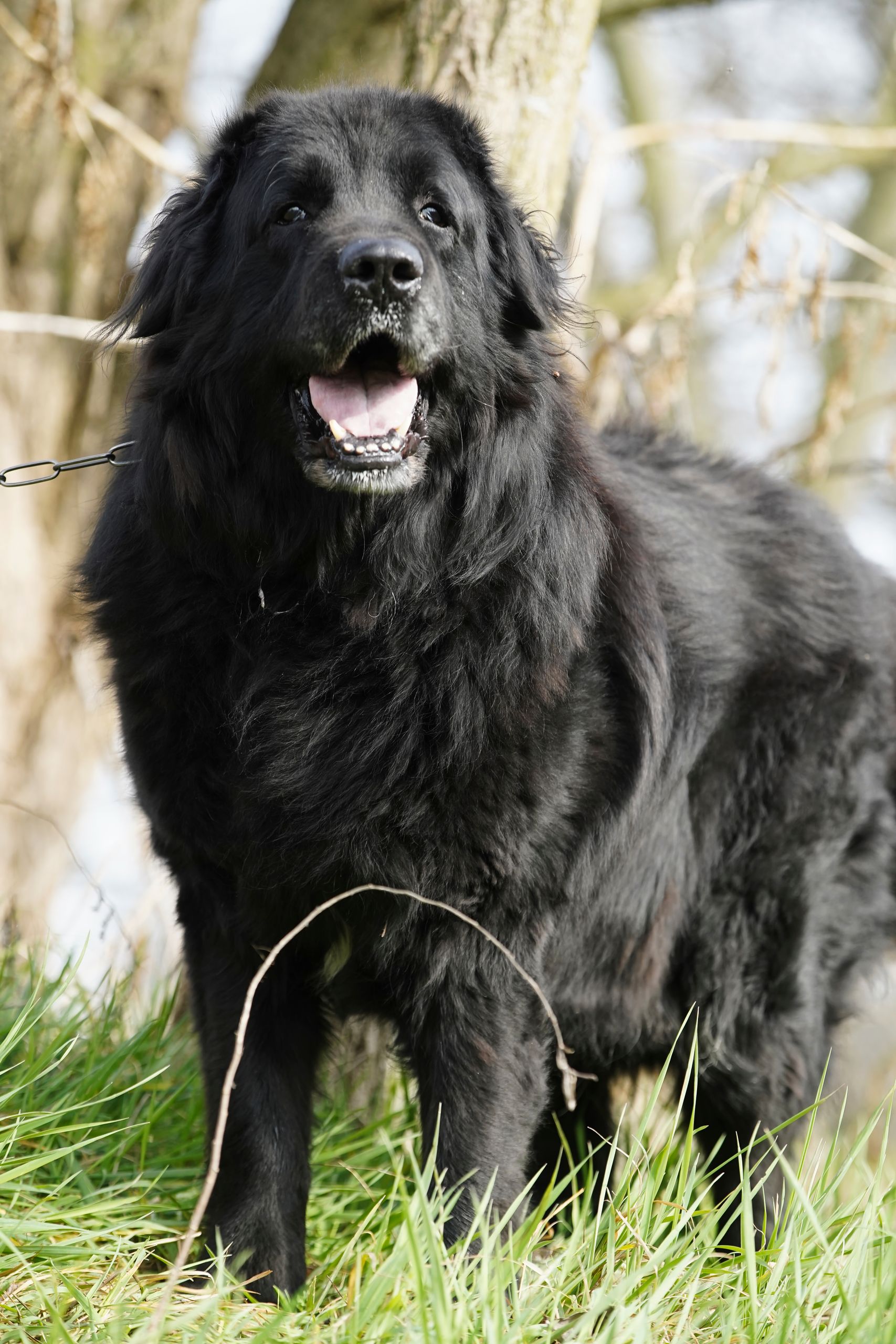
The Newfoundland dog breed is famous for its massive size, thick coat, and incredibly gentle nature. Often affectionately called the “Newfie,” this giant breed has earned a reputation as a devoted family companion and a legendary water rescue dog. If you have ever seen one, you know they look like friendly, overgrown bears.
However, sharing your home with a dog that weighs over 100 pounds comes with unique challenges. Beyond their sweet disposition, Newfoundlands require significant grooming, careful early training, and an owner prepared for a fair amount of drool.

Whether you are seriously considering bringing a Newfie puppy home or you simply want to learn more about these fascinating working dogs, this guide covers everything you need to know. We will break down their temperament, daily care requirements, common health considerations, and help you decide if you are the ideal owner for a Newfoundland.
What is a Newfoundland?
The Newfoundland originated in the Canadian province that shares its name. Historically, they worked alongside fishermen in the icy waters of the North Atlantic. Their job was demanding: they hauled nets, carried cartloads of fish to market, and most famously, rescued people from drowning.
To survive in freezing waters, the breed developed a massive, heavy-boned frame, a thick, water-resistant double coat, and large webbed feet that make them incredibly powerful swimmers. Today, while some still participate in water rescue and drafting (cart pulling) competitions, most Newfoundlands serve primarily as loving family companions.
Appearance and Size Expectations
The first thing anyone notices about the Newfoundland dog breed is its sheer size. These are giant dogs, and they take up a considerable amount of physical space in a home.
Average Size and Weight:
- Males: Typically stand 28 inches at the shoulder and weigh between 130 and 150 pounds.
- Females: Typically stand 26 inches at the shoulder and weigh between 100 and 120 pounds.
They possess a broad, massive head, small ears that lie close to the face, and a deep, expressive expression. Their thick double coat lies flat and comes in several recognized colors:
- Solid black
- Brown
- Gray
- Landseer (a white base coat with distinct black markings)
Because they grow so rapidly, puppies require careful monitoring to ensure their bones and joints develop properly.
The Famous Newfie Temperament
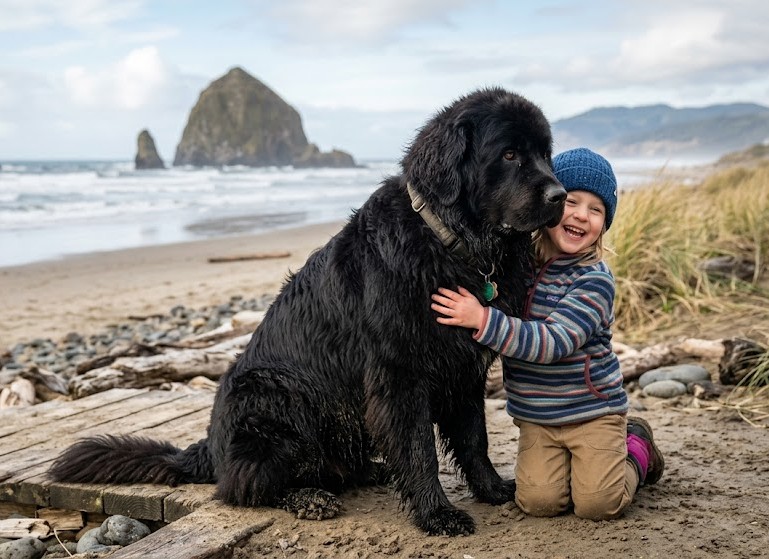
The official breed standard states that a “sweetness of temper” is the single most important characteristic of the Newfoundland. This breed is renowned for being patient, devoted, and remarkably gentle despite its formidable size.
A well-socialized Newfie is generally calm indoors. They prefer to be wherever you are, often leaning against your legs or trying to climb into your lap. They form deep attachments to their families and do not thrive if left isolated in a backyard for long periods.
Are Newfoundlands Good with Children?
Newfoundlands are famous for their affinity for children. They are tolerant, protective, and affectionate, earning them a reputation as “nanny dogs.” However, because of their massive size and clumsy nature as puppies, they can easily knock over a small child by accident. You must always supervise interactions between giant breed dogs and young children, and teach children how to interact with dogs respectfully.
Getting Along with Other Pets
With proper early socialization, Newfoundlands generally do very well with other dogs and household pets like cats. Their prey drive is typically low, but early exposure to different animals, sights, and sounds is essential to ensure they grow into confident, relaxed adults.
Exercise and Activity Requirements
Despite their size, Newfoundlands only have moderate exercise needs. They are not built for long-distance running or high-impact sports. Instead, they thrive on a daily routine of moderate activity.
A daily walk of 30 to 45 minutes is usually sufficient to keep an adult Newfie healthy and happy. They also enjoy short play sessions in a securely fenced yard.
Swimming and Water Rescue Instincts
If you have access to clean, safe bodies of water, your Newfoundland will likely be thrilled. They are natural swimmers. It is not uncommon for a Newfie to try to “rescue” family members who are swimming in a pool or lake by gently grabbing their arm or swimsuit and towing them to the shallow end.
Important exercise warning: When exercising a Newfoundland puppy, keep walks short and avoid forced running or excessive stair climbing. Giant breeds take up to two years for their growth plates to fully close. Too much stress on young joints can lead to severe orthopedic issues later in life.
Training a Giant Breed
Training is not optional for a Newfoundland; it is absolutely critical. An unruly 10-pound dog is a nuisance, but an unruly 140-pound dog is a serious safety hazard.
You must begin training the day your puppy comes home. The primary focus should be on basic obedience and leash manners. If a fully grown Newfoundland decides to pull on the leash, they can easily drag an adult down the street.
- Use Positive Reinforcement: Newfoundlands are eager to please and respond beautifully to praise, treats, and reward-based training.
- Avoid Harsh Methods: Despite their size, they are sensitive dogs. Harsh corrections can damage their trust and cause them to shut down.
- Socialize Early: Introduce your puppy to a wide variety of people, environments, sounds, and surfaces before they are 16 weeks old. A well-socialized giant breed is a safe and confident companion.
Grooming Needs: Managing the Double Coat and Drool
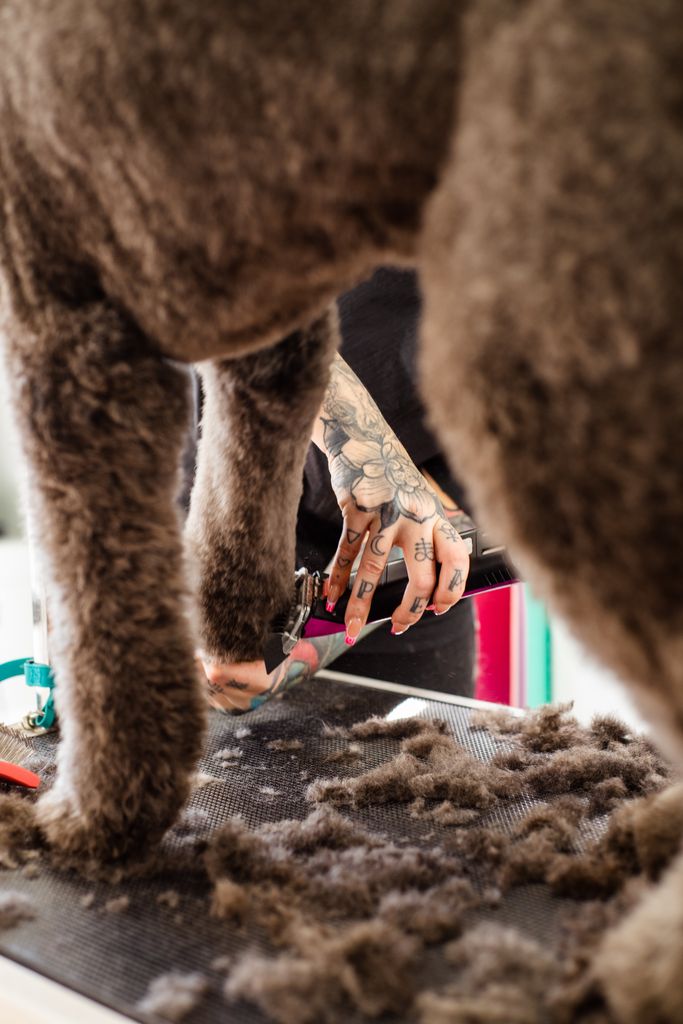
If you prefer an immaculate home, the Newfoundland is likely not the right breed for you. Newfie grooming requires a serious commitment of time and energy.
Their thick double coat sheds moderately year-round and heavily twice a year during shedding season (often called “blowing coat”).
- Brushing: You will need to brush a Newfoundland thoroughly at least three times a week using a slicker brush and a metal comb to prevent painful mats and tangles from forming behind the ears, under the legs, and on the tail.
- Bathing: Due to their size, bathing is often easiest done in a walk-in shower or by a professional groomer. Their water-resistant coat can be difficult to saturate and takes hours to dry completely.
The Drool Factor: Newfoundlands drool. Some drool a little, while others drool constantly, especially after drinking water, when they are warm, or when they are waiting for a treat. You will frequently find drool on your walls, ceilings, and clothing. Many owners keep “drool towels” or bibs stationed around the house to manage the mess.
Diet and Nutrition
Feeding a giant breed is a major financial commitment. A fully grown Newfoundland eats a substantial amount of food, but it is vital not to overfeed them. Excess weight puts terrible strain on their joints and heart.
Feed a high-quality commercial dog food formulated specifically for large or giant breeds. Giant breed puppy formulas are crucial during their first year; these diets have carefully controlled calcium and phosphorus levels to slow bone growth and help prevent joint problems.
Discuss feeding amounts with your veterinarian, and monitor your dog’s body condition. You should be able to feel their ribs under their thick coat without pressing hard.
Common Health Considerations
Like many giant breeds, the Newfoundland has a shorter lifespan than smaller dogs, typically living between 8 to 10 years. They are also prone to several genetic health conditions.
- Orthopedic Issues: Hip dysplasia and elbow dysplasia are common. Responsible breeders screen their breeding dogs for these joint abnormalities.
- Heart Conditions: Subvalvular Aortic Stenosis (SAS) is a genetic heart defect that restricts blood flow. It is a serious condition that can cause sudden death.
- Cystinuria: A genetic kidney defect that causes painful bladder stones. A DNA test is available to identify carriers.
- Gastric Dilatation-Volvulus (Bloat): As a deep-chested breed, Newfies are at risk for bloat, a sudden, life-threatening condition where the stomach twists and traps gas. Knowing the symptoms of bloat and seeking immediate veterinary emergency care is critical for all giant breed owners.
Always choose a breeder who performs all health clearances recommended by national breed clubs. Ask to see the official documentation for the parents’ hips, elbows, hearts, and cystinuria status.
Who is the Ideal Newfoundland Owner?
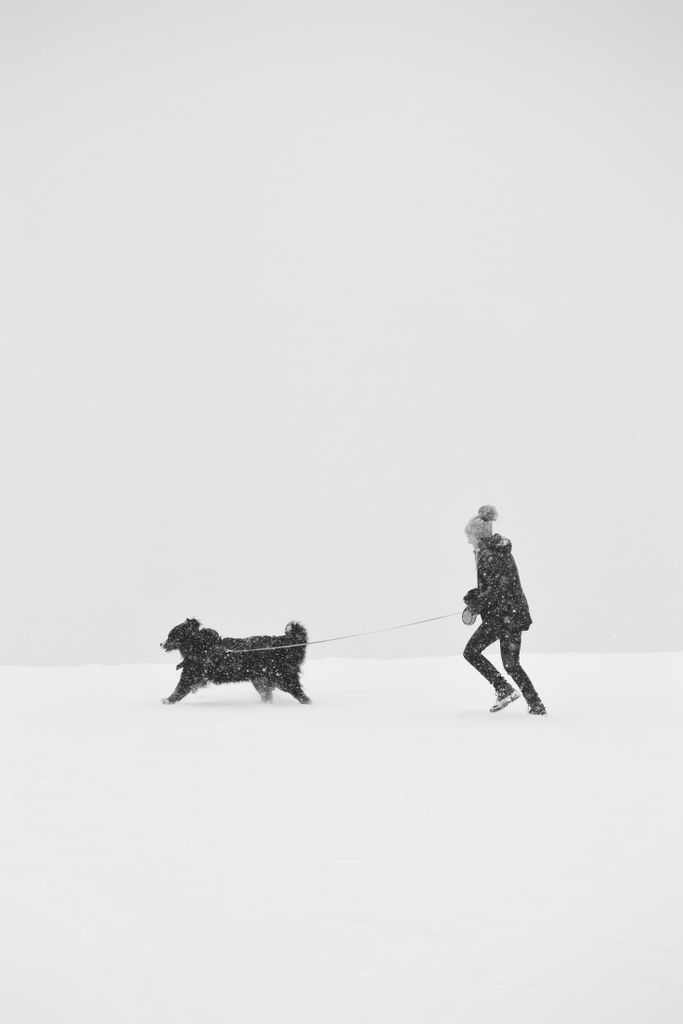
The ideal owner for the Newfoundland dog breed understands both the joys and the practical demands of living with a giant dog.
This breed might be perfect for you if:
- You have enough physical space in your home and a securely fenced yard.
- You have a relatively relaxed lifestyle and want a calm, devoted companion.
- You are patient enough to commit to early, consistent, reward-based training.
- You are financially prepared for the high costs of giant breed food, preventative medications, and veterinary care.
- You do not mind dog hair, mud, and drool in your house.
This breed is likely a poor fit if:
- You live in a small apartment with no elevator access (stairs are hard on aging giant breeds).
- You are looking for a running or hiking partner for intense athletic activities.
- You are highly particular about the cleanliness of your home and clothing.
- You do not have the physical strength to manage a 130-pound dog on a leash.
- You work very long hours and would have to leave the dog alone frequently.
Frequently Asked Questions
Do Newfoundland dogs drool a lot?
Yes, most Newfoundlands drool significantly. Their loose jowls naturally collect saliva, which they will easily shake onto walls and furniture. Keeping towels handy is a necessary part of living with the breed.
Can a Newfoundland live in an apartment?
While their calm indoor nature makes them surprisingly good house dogs, apartment living is difficult for a Newfoundland. Their sheer size takes up space, they need room to stretch out, and climbing multiple flights of stairs daily can damage their joints, especially as puppies or senior dogs.
How much does a Newfoundland dog cost?
Purchasing a Newfoundland puppy from a reputable, health-testing breeder typically costs between $2,000 and $3,500. However, the true cost of ownership is much higher due to the ongoing expenses of giant-breed food, large-scale medications (like heartworm preventatives), and specialized veterinary care.
Do Newfoundlands bark a lot?
Newfoundlands are generally quiet dogs. They have a deep, booming bark, but they typically only use it to alert their owners to strangers or unusual situations. They are not prone to nuisance barking.
Are Newfies good guard dogs?
While their massive size and deep bark are excellent natural deterrents, Newfoundlands are generally too friendly to be true guard dogs. They will protect their family if they sense a genuine threat, but their default temperament is welcoming rather than aggressive.
Conclusion
The Newfoundland dog breed is a magnificent, soulful companion that brings immense joy to the right household. Their gentle nature, patience with children, and unwavering loyalty make them one of the most deeply loved giant breeds in the world.
However, owning a Newfie is a massive commitment—literally and figuratively. They require an owner who is ready for the grooming demands, prepared for the financial realities of giant breed care, and unbothered by a little extra drool in the house. If you can provide the training, socialization, and loving environment they need, a Newfoundland will reward you with a lifetime of quiet devotion.
If you are still deciding which breed is best for your family, take the time to compare the Newfoundland with other large working breeds to ensure you find the perfect match for your lifestyle.