Are Dogs Left- or Right-Pawed? What Science Says About Dog Paw Preference

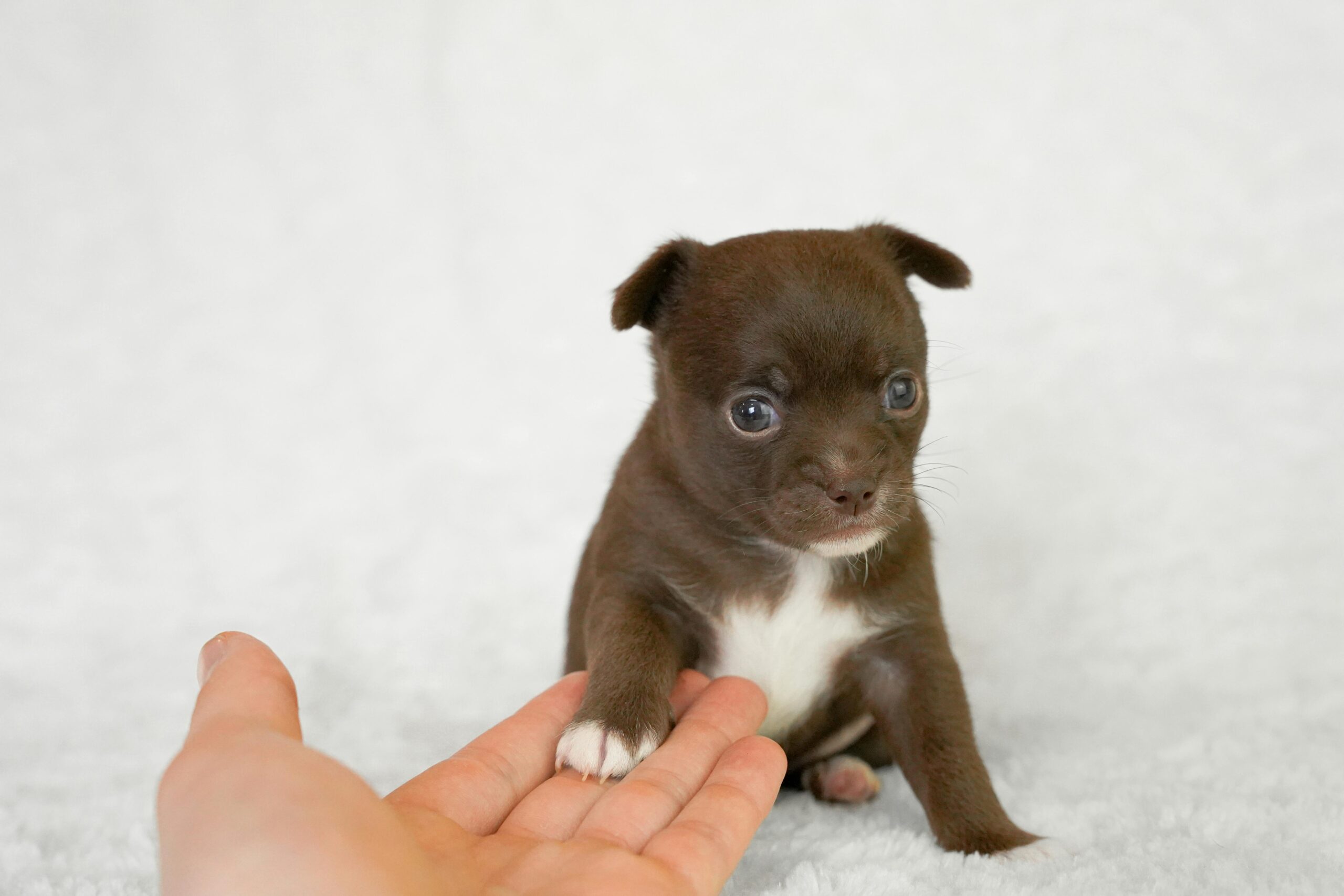
Dogs are more similar to humans in how they use their bodies than many people realize. Just as people talk about being right- or left-handed, dog owners often wonder if their pet is left- or right-pawed. This leads to a fascinating question rooted in animal behavior science: what does dog paw preference really mean and what do scientific studies reveal about whether dogs favour one paw over the other?
In this article, we explore what dog paw preference is, how scientists measure it, what research has found, and how you might observe it in your own dog.

What Is Dog Paw Preference?
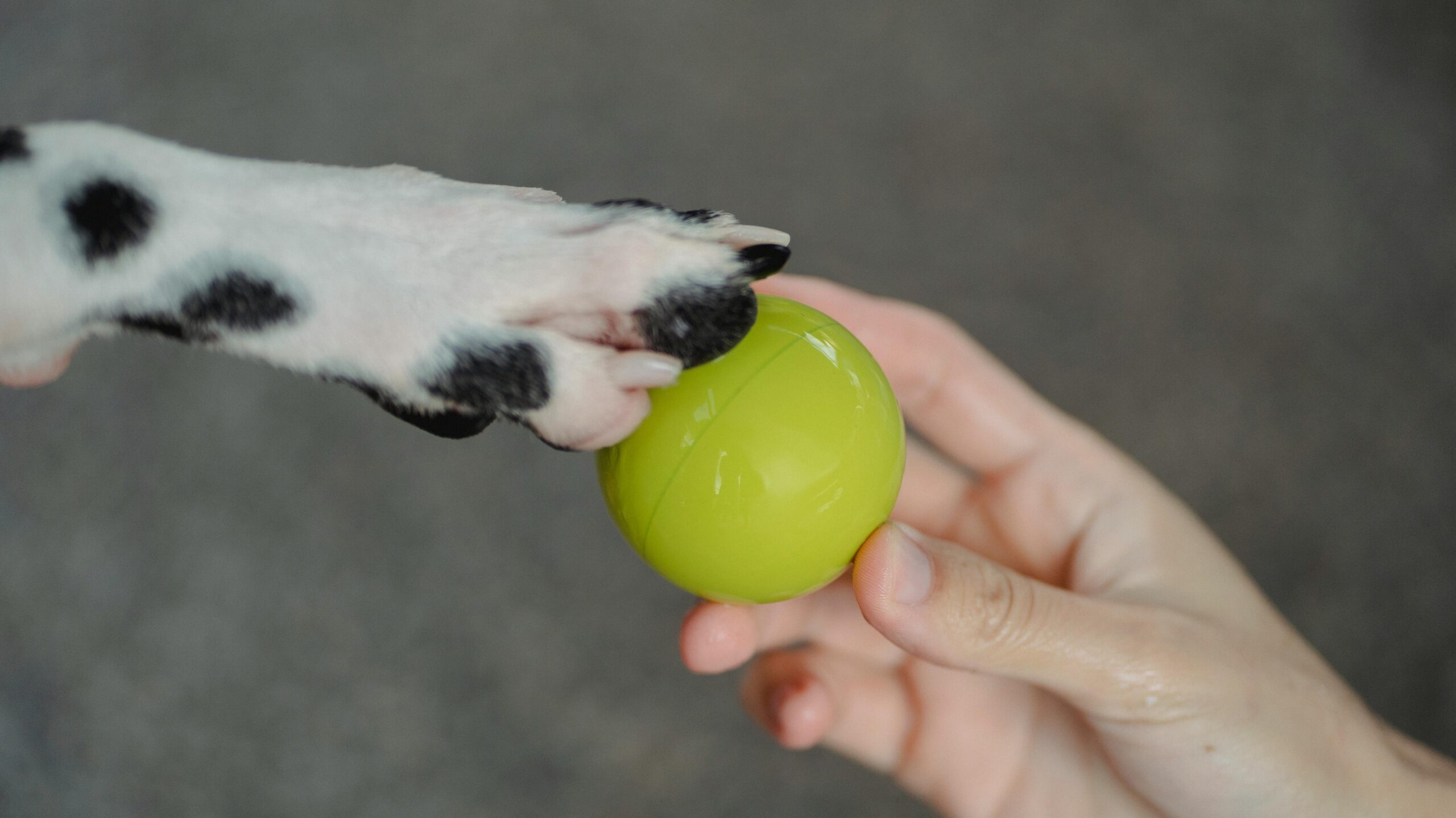
When we talk about dog paw preference, we are referring to whether an individual dog prefers using one paw more often than the other for certain tasks. In humans, the word handedness is common, and most people are right-handed. In dogs, the same concept applies to the front limbs, although the patterns are more complex and less uniform than in humans.
A dog may favour one paw for initiating movement, holding a toy, or interacting with objects. Researchers describe this bias as lateralisation, meaning that one side of the body is used more than the other because the corresponding hemisphere of the brain is more involved in that task.
How Researchers Assess Dog Paw Preference
Scientifically testing for dog paw preference involves observing dogs over multiple trials using standard methods. These tests analyse which paw the dog uses first or most often. Here are some of the main tests scientists use:
Kong Test
In this test, a hollow toy filled with food is given to the dog. The dog must hold the toy steady with one paw while working to extract the food. The number of times the dog uses the left paw versus the right paw allows researchers to determine its preference.
First-Stepping or Initial Step Test
Here, scientists observe which front paw the dog uses first when it begins to walk from a stand-still position. This method does not depend on the dog’s motivation for food and can sometimes show different patterns than the Kong Test.
Food Choice and Other Tasks
Other experiments involve placing dishes at angles or giving dogs treats or toys reachable only through paw use. Researchers record each attempt and calculate whether a dog consistently favours one paw.
Collecting data through observation makes the results more reliable because a dog may use a paw once by chance, but consistent use across many trials indicates a true preference.
Do Dogs Have a Paw Preference Like Human Handedness?
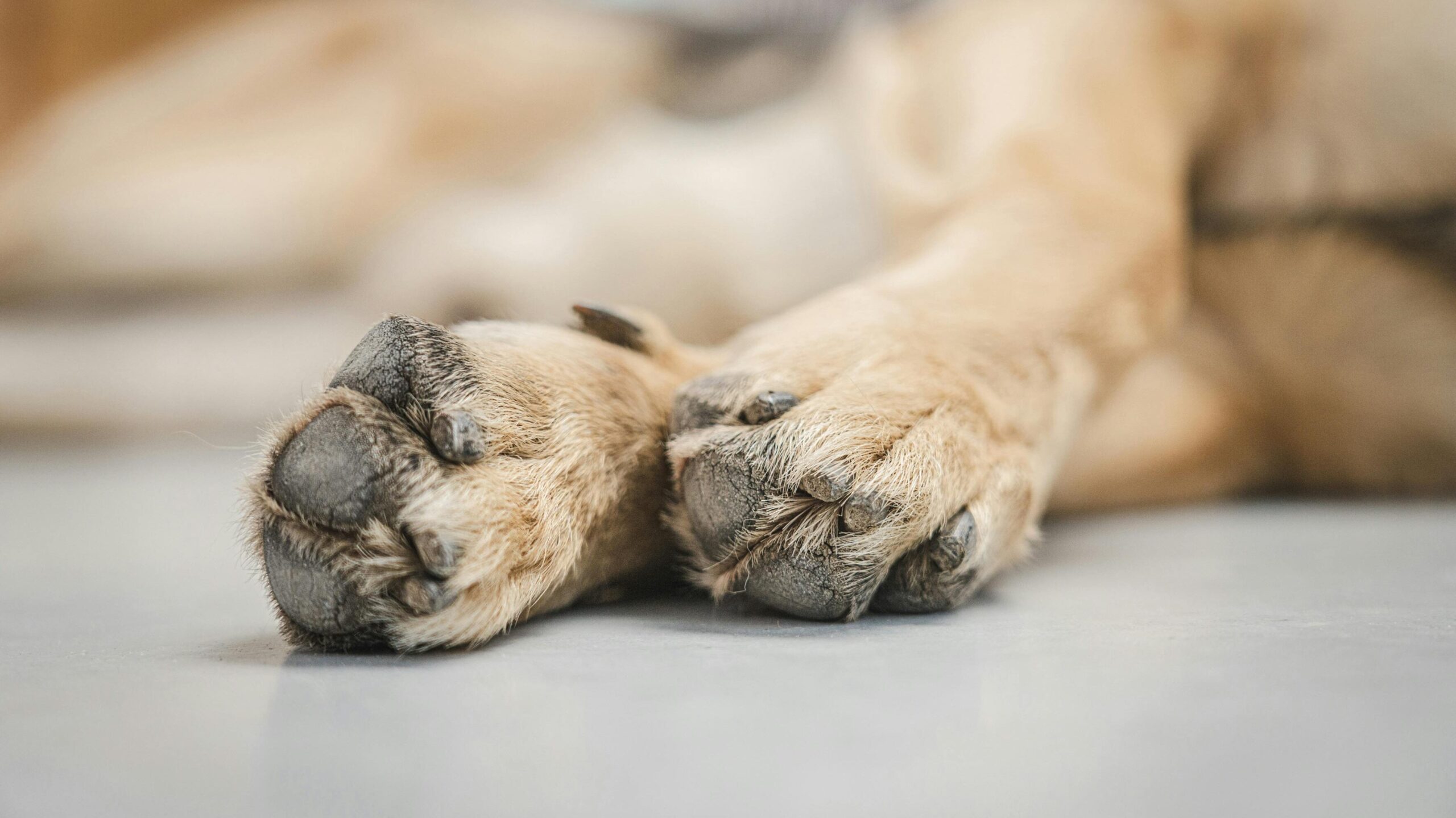
The short answer is yes, dogs do show dog paw preference, but it is not as simple as humans being mostly right-handed. Scientific research has found varied and nuanced results.
A large and widely cited study involving thousands of dogs found that about 74 percent showed a clear preference for one paw, while around 26 percent used both paws equally. Among the dogs with a clear preference, roughly 58 percent used their right paw and about 42 percent used their left paw.
These findings suggest that dogs can and do develop a dominant paw, but unlike humans, there is no overwhelming bias toward being right-pawed at the population level. Other research has confirmed that, overall, dogs are about equally likely to be left-pawed or right-pawed, and many are ambilateral, meaning they do not show a strong bias.
Another meta-analysis that compiled data from more than 1,300 dogs confirmed that most dogs have a preference for one paw, but unlike the strong right-handed bias in humans, canine paw preference shows no clear overall bias. In that analysis, dogs without a strong preference were still a large group, with right and left preferences nearly evenly split among those that did show lateralisation.
In smaller controlled experiments, some studies found a slight trend where dogs might seem more right-pawed, but breed, age, and task complexity may influence outcomes.
Factors That Influence Paw Preference in Dogs
Understanding dog paw preference requires looking at factors that influence whether dogs use one paw more than the other.
Sex Differences
Some studies report that male and female dogs may show different patterns of lateralisation. For example, males sometimes showed a stronger left paw bias in initial trials, while females were more right-pawed, although these effects often depended on the testing method and did not always persist over repeated trials.
Owner Handedness Influence
One interesting study showed that a dog’s paw preference might be influenced by the handedness of its owner. Dogs with left-handed owners were more likely to show left paw bias, while those with right-handed owners were more likely to have right paw bias. This suggests that environmental factors, including social learning and training, may shape dog paw preference.
Breed and Training Contexts
There is some evidence that dog paw preference can vary by breed or training context. For instance, dogs trained for specialized tasks such as working dogs may show stronger lateralisation, potentially correlating with performance in operational roles.
Related reads:
10 Underrated Dog Breeds That You Will Love
Why Dog Paw Preference Matters
Understanding dog paw preference is not just a fun curiosity. There is growing interest in how lateralisation might be linked to other aspects of dog behaviour and cognition.
Behavior and Emotion
Studies suggest a relationship between paw preference and emotional functioning. Dogs with certain lateral biases might show differences in behaviour, problem solving, or how they respond to ambiguous situations, revealing links between motor bias and cognitive attributes.
Training and Performance
Some research indicates that dogs with a clear paw preference may perform differently in training situations, especially where coordination and focus are important. Understanding a dog’s natural bias might help trainers tailor exercises to each dog’s strengths.
However, this research is still early, and studies do not all agree on the exact relationships between paw preference and behaviour.
How to Check Your Dog’s Paw Preference
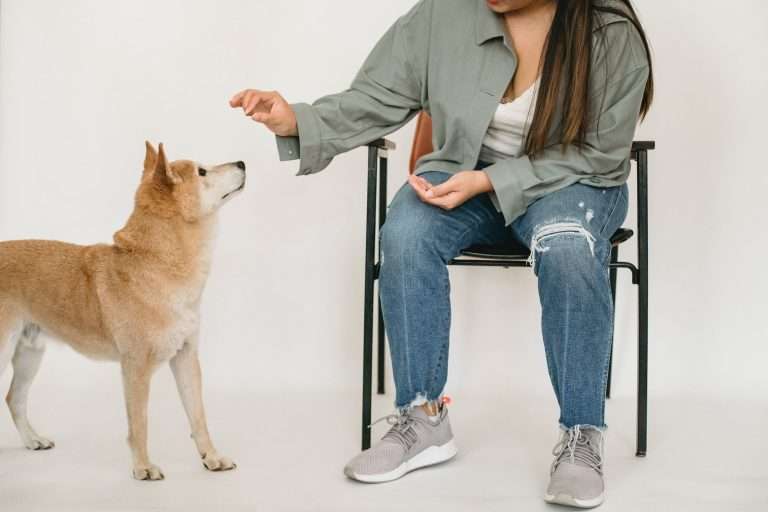
Recognizing dog paw preference at home involves careful observation and repetition. Here are simple tests you can try:
Puzzle Toy Test
Fill a treat puzzle or a hollow toy with treats and offer it to your dog. Watch which paw your dog uses most often to hold or manipulate the toy and count the occurrences. The more consistent the use of one paw, the stronger the preference.
First Paw Test
Observe which paw your dog uses first when stepping forward from a stationary position. Doing this many times during walks can help you spot patterns.
Treat in Container Challenge
Place a treat inside a shallow container and see which paw the dog uses to try to reach or retrieve it. Again, repeat this test many times to confirm a consistent preference.
The key here is many repetitions, because a single action might not reliably indicate a true preference.
Common Misunderstandings About Paw Preference
There are several myths about dog paw preference that may confuse owners.
Myth 1: All dogs are right-pawed. Research does not support this. Dogs are almost equally likely to prefer the left or right paw, and many show no dominant preference.
Myth 2: Paw preference determines behaviour completely. While studies hint at potential associations between lateralisation and behaviour or emotion, paw preference is just one of many factors, and it is not a definitive predictor of temperament.
Myth 3: Paw preference stays the same for all tasks. A dog might use one paw for some activities but use both for others. Consistency across many trials is essential to determine real preference.
Waving Goodbye!
So what does science say about dog paw preference? Dogs can indeed be left-pawed, right-pawed, or ambilateral, and this reflects how their brains manage movement and behaviour. There is no overwhelming population-wide bias like humans tend to show with right-handedness, but many dogs develop reliable preferences when tested properly.
Understanding dog paw preference offers fascinating insights into canine behaviour and lateralisation and can be part of how we better appreciate and communicate with our pets.