Meet the Keeshond: Everything You Need to Know About the Smiling Dutchman

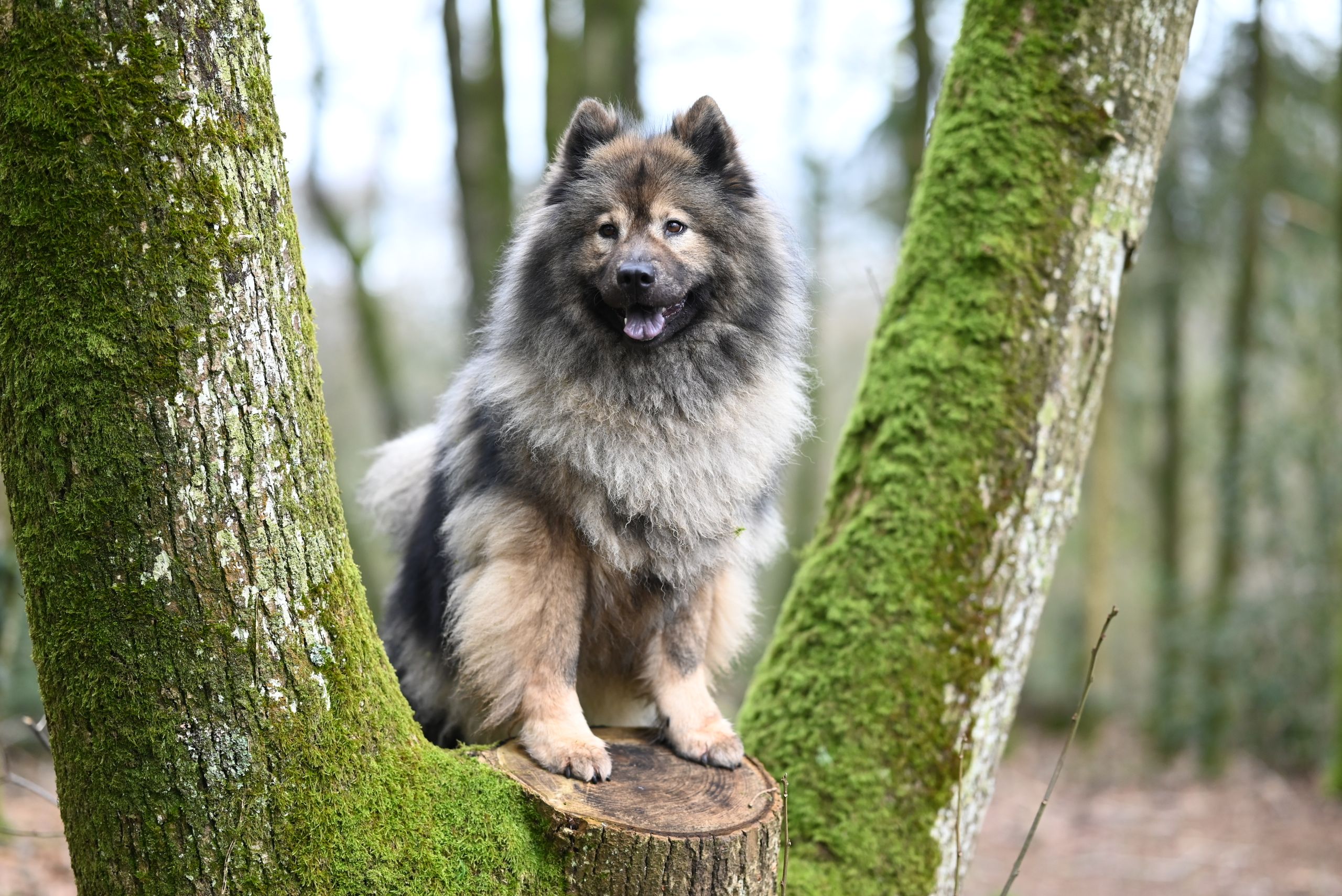
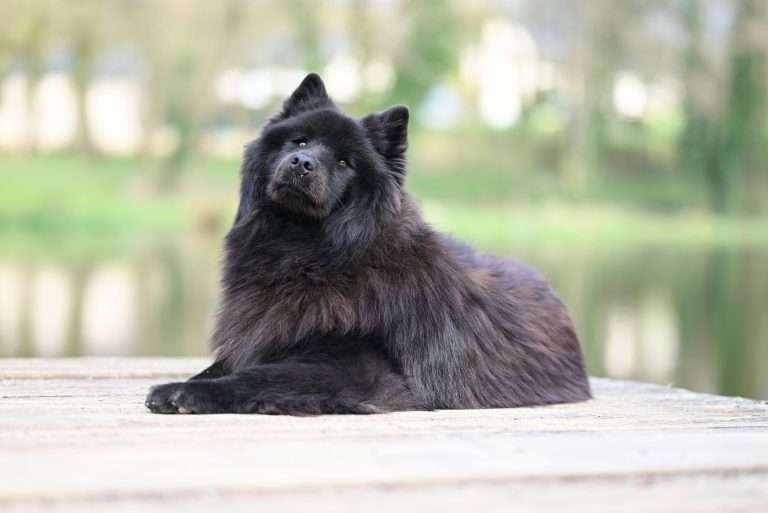
If you have ever crossed paths with a Keeshond, you likely remember two things: an incredibly plush coat of silver and black fur, and a wide, irresistible “smile.” Known affectionately as the Smiling Dutchman, the Keeshond dog breed is a medium-sized spitz that thrives on human companionship.
Unlike many other working or herding breeds that were bred to perform physically demanding jobs, the Keeshond was primarily bred to be a watchdog and a loyal companion on the canals of the Netherlands. This unique history has shaped a dog that is highly observant, deeply affectionate, and heavily dependent on being near their family.

But behind that beautiful coat and friendly expression lies a dog with specific needs. From managing their impressive double coat to handling their “velcro” personality, owning this breed requires dedication. If you are captivated by their striking looks and want to know what it takes to live with one, you are in the right place. We will explore everything you need to know about their temperament, health, grooming, and exactly who makes the ideal owner for this remarkable dog.
The History of the “Smiling Dutchman”
To understand the modern Keeshond (pronounced kayz-hawnd), it helps to look at their past. Originating in the Netherlands during the 17th and 18th centuries, they are close cousins to other spitz breeds like the Pomeranian, Samoyed, and Chow Chow.
Historically, they were known as the Dutch Barge Dog. Their primary job was to serve as watchdogs and companions on the small vessels that navigated the intricate canal systems of the Netherlands. They did not hunt, herd, or pull sleds. Instead, their “work” was simply to bark at strangers approaching the boats and to keep the barge owners company.
During the late 18th century, the breed became the symbol of the Dutch Patriot political party, led by Cornelis de Gijselaar (whose nickname was “Kees”). The dog became known as the Keeshond—the dog of Kees. While the political party eventually fell out of favor, the breed’s engaging personality ensured its survival, eventually gaining popularity across Europe and the United States as a beloved family pet.
Keeshond Appearance and Size
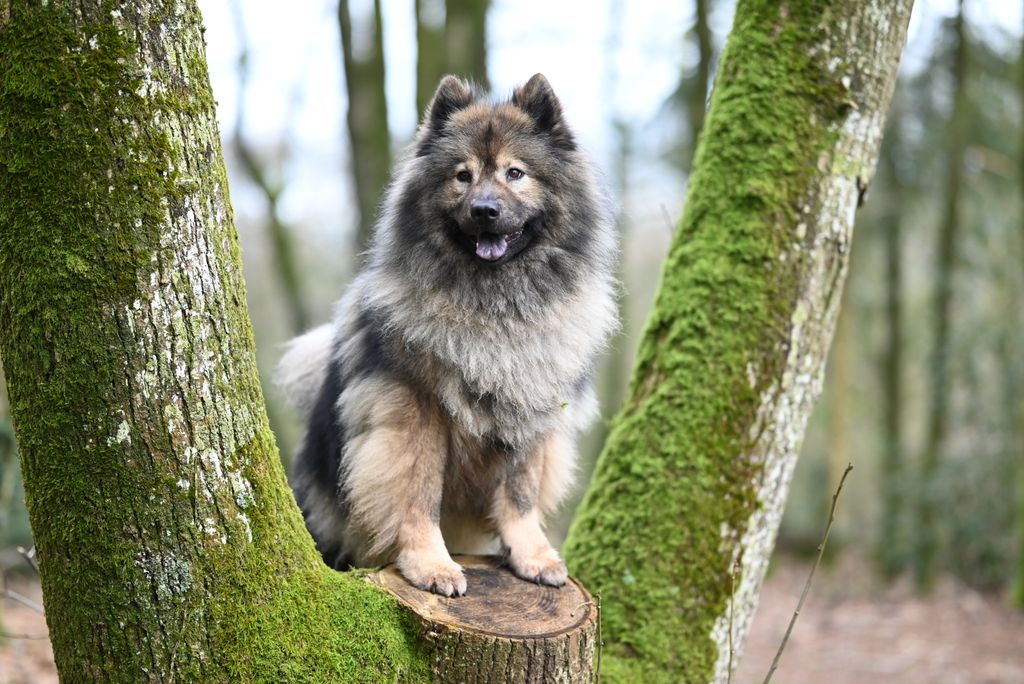
The Keeshond is a striking dog that commands attention wherever they go. They possess the classic spitz features: a foxy face, small pointed ears that stand erect, and a heavily plumed tail that curls tightly over their back.
- Height: 17 to 18 inches at the shoulder
- Weight: 35 to 45 pounds
- Coat Type: Extremely dense double coat
- Colors: A mixture of grey, black, and cream
One of the most defining physical characteristics of the Keeshond is their “spectacles.” This refers to the delicate, dark shading and lines around their eyes that make it look as though they are wearing a pair of designer glasses. Combined with their naturally upturned mouth, these spectacles give the Keeshond an intelligent, alert, and permanently happy expression.
Keeshond Temperament and Personality
If you are looking for an aloof, independent dog, the Keeshond is not for you. This breed is the definition of a “velcro dog.” They form incredibly strong bonds with their human families and prefer to be involved in every aspect of household life.
Affectionate and Social
The Keeshond temperament is universally described as friendly and outgoing. While they may bark to announce the arrival of a stranger (true to their barge-dog roots), they are generally quick to accept newcomers once properly introduced. They make terrible guard dogs because they are far more likely to greet an intruder with a wagging tail than a growl.
Intelligent but Independent
Keeshonds are highly intelligent and learn quickly. However, like many spitz breeds, they possess a streak of independent thinking. They are not always eager to please in the same way a Golden Retriever might be. If a training session becomes repetitive or boring, a Keeshond will simply find something else to do.
The Barking Tendency
Because they were bred to alert their owners to approaching strangers, Keeshonds are vocal dogs. They have a sharp, carrying bark. While they can be trained to quiet down on command, you should expect a dog that naturally uses their voice to communicate.
Exercise and Training Requirements
Despite their robust appearance, the Keeshond has moderate exercise needs. They do not require miles of running or exhausting agility courses to stay happy.
Daily Activity Needs
A daily walk of 30 to 45 minutes, combined with some interactive playtime in the yard or living room, is usually sufficient to keep a Keeshond physically and mentally satisfied. They are highly adaptable and will happily match your energy level—if you want to hike, they will join you; if you want to lounge on the sofa, they will snuggle up right next to you.
Training Best Practices
When it comes to training, positive reinforcement is non-negotiable. Keeshonds are sensitive dogs that do not respond well to harsh corrections or yelling.
- Keep it fun: Use treats, praise, and play to motivate them.
- Keep it short: Limit training sessions to 5-10 minutes to prevent boredom.
- Start early: Early socialization is vital to ensure they grow into confident adults and to help manage their natural instinct to bark at unfamiliar sights and sounds.
Grooming the Keeshond: Managing the Fluff
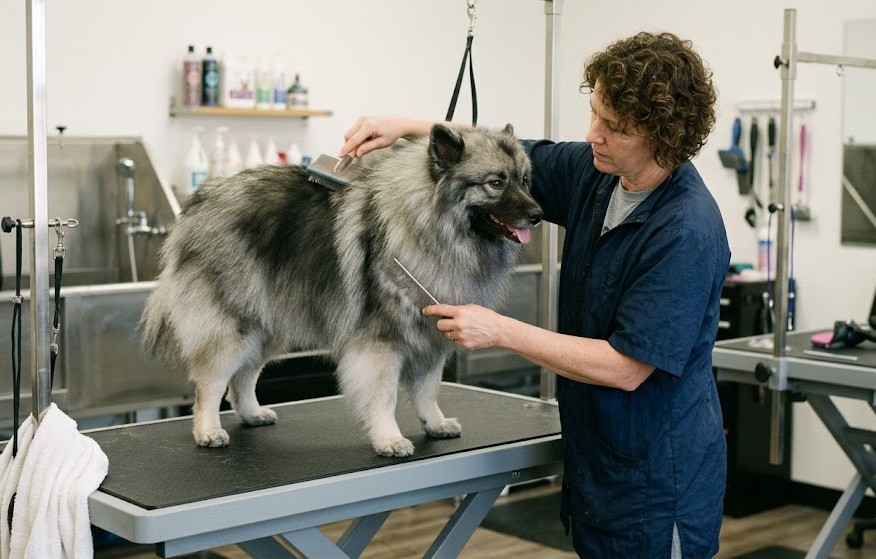
If you bring a Keeshond into your life, grooming will become a regular part of your weekly routine. Their spectacular double coat consists of a harsh, straight outer coat and a thick, downy undercoat.
Brushing Routine
You cannot simply run a quick brush over a Keeshond and call it a day. They require line brushing—a technique where you part the hair down to the skin and brush outward in layers. You will need a high-quality pin brush, a slicker brush, and a metal greyhound comb. Expect to spend at least an hour a week thoroughly brushing their coat to prevent painful mats and tangles.
Shedding
Keeshonds are heavy shedders. Furthermore, they “blow” their undercoat twice a year (usually in spring and fall). During these shedding seasons, your home will be covered in tumbleweeds of grey fur unless you brush them daily.
Bathing and Trimming
They are naturally clean dogs and usually only need a bath every four to six weeks. Never shave a Keeshond. Their double coat insulates them from both the cold and the heat. Shaving ruins the texture of the coat and impairs their ability to regulate their body temperature. You only need to trim the hair around their paw pads and keep their nails clipped.
Health and Lifespan
The Keeshond is generally a healthy breed with a long lifespan of 12 to 15 years. However, like all purebred dogs, they are prone to certain genetic health conditions. Responsible breeders will test their breeding dogs for these issues.
- Primary Hyperparathyroidism (PHPT): This is a genetic disease specific to the Keeshond breed that affects the parathyroid glands, leading to elevated calcium levels. Fortunately, there is a DNA test for PHPT, and reputable breeders only breed dogs that test negative.
- Hip Dysplasia: A condition where the hip joint does not fit together perfectly, which can lead to arthritis later in life.
- Patellar Luxation: A condition where the kneecap slips out of place.
Always ask prospective breeders for health clearances from organizations like the Orthopedic Foundation for Animals (OFA) before committing to a puppy.
Who is the Ideal Buyer for a Keeshond?
The Keeshond is an incredible companion, but they are not the right fit for every household. You might be the ideal owner for a Keeshond puppy or rescue dog if you meet the following criteria.
You Are Home Frequently
Because of their intense devotion to their families, Keeshonds are highly prone to separation anxiety. The ideal owner works from home, works part-time, or has a lifestyle where the dog can be included in daily activities. They do not do well if left alone in an empty house for eight to ten hours a day.
You Do Not Mind Fur
If you require an immaculate house or are allergic to dog dander, the Keeshond is not for you. The ideal owner accepts that vacuuming will be a frequent chore and views weekly grooming sessions as a chance to bond with their dog rather than a burden.
You Have Children or Other Pets
Keeshonds are generally fantastic family dogs. They are sturdy enough to play with children and usually possess a gentle, tolerant demeanor. They also tend to get along very well with other dogs and household cats, especially if raised with them.
You Want a Companion, Not a Guard Dog
The ideal owner wants a dog that will sit on their feet while they cook and sleep next to their bed at night. You should appreciate a dog that will alert you to the mail carrier but will happily invite guests into the living room.
Frequently Asked Questions
Do Keeshonds bark a lot?
Yes, Keeshonds are naturally vocal dogs. They were bred to be watchdogs and will bark to alert you to anything unusual. While you can train them to stop barking after an initial alert, it is very difficult to train them not to bark at all.
Can a Keeshond live in an apartment?
A Keeshond can live happily in an apartment, provided their exercise needs are met. However, their tendency to bark at hallway noises or people passing by can be an issue in shared living spaces. Consistent training is required to manage noise levels in an apartment setting.
Are Keeshonds good for first-time dog owners?
Yes, they can be excellent for first-time owners. They are eager for companionship, relatively easy to train using positive reinforcement, and have moderate exercise requirements. The main challenge for a novice owner will simply be keeping up with the grooming.
Do Keeshonds like water?
While individual dogs vary, many Keeshonds are not natural water dogs. Their dense double coat becomes extremely heavy when wet, which can make swimming tiring and uncomfortable. If you introduce them to water, do so slowly and always supervise them.
How much does a Keeshond puppy cost?
Depending on the breeder, location, and pedigree, a Keeshond puppy from a reputable, health-testing breeder typically costs between $1,500 and $3,000.
Conclusion
The Keeshond dog breed offers a unique combination of striking beauty, manageable energy levels, and boundless affection. They are intelligent, deeply loyal companions who want nothing more than to be by your side, whether you are taking a stroll through the neighborhood or relaxing on the couch.
However, bringing a Keeshond into your life means committing to regular, thorough grooming and ensuring they are rarely left alone for long periods. If you have the time to dedicate to their coat, the patience for their vocal nature, and the desire for a shadow that follows you from room to room, the Smiling Dutchman might just be the perfect addition to your family.