Declining Dog Breeds: Which Pups Are Losing Popularity and Why

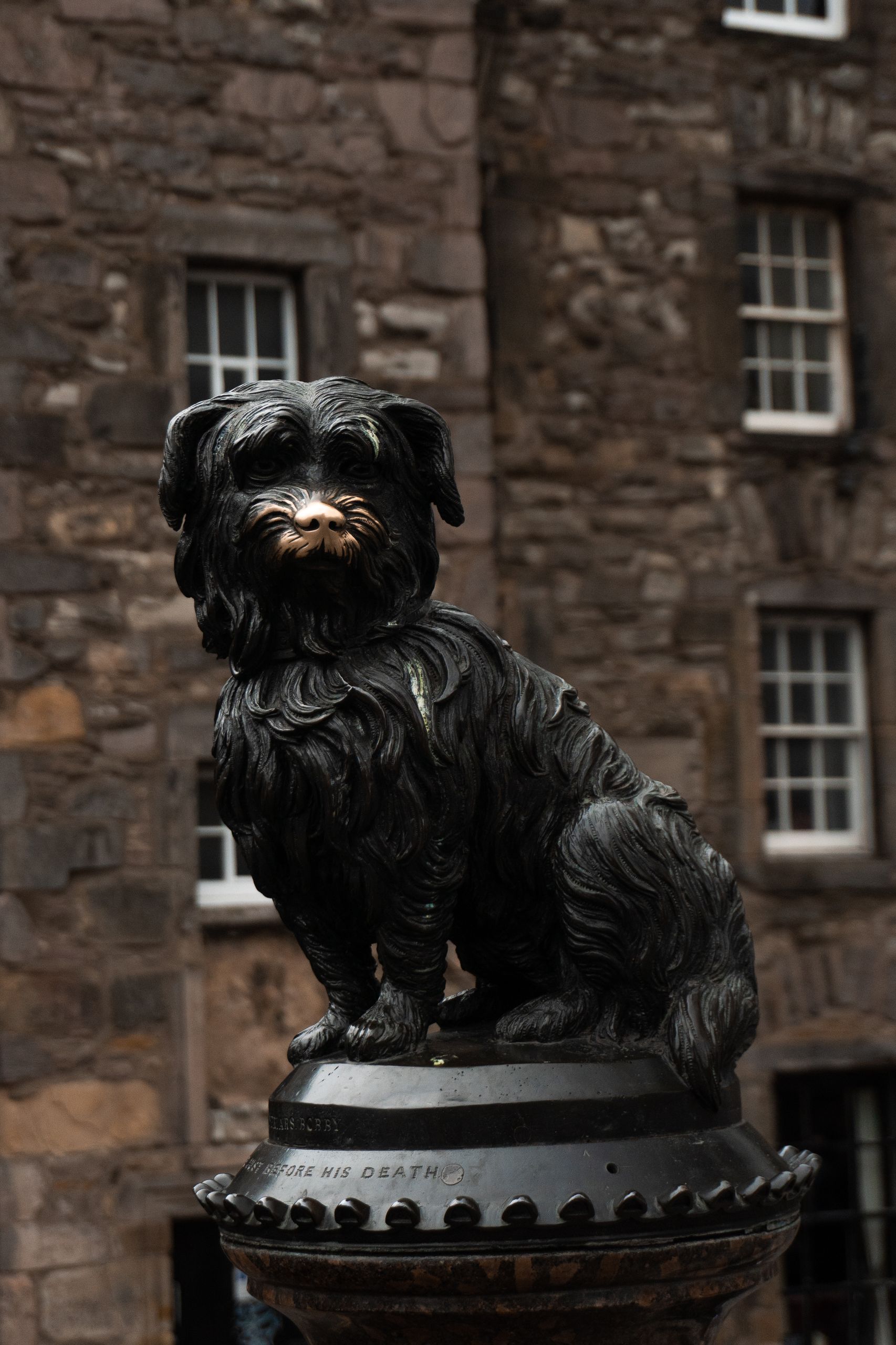
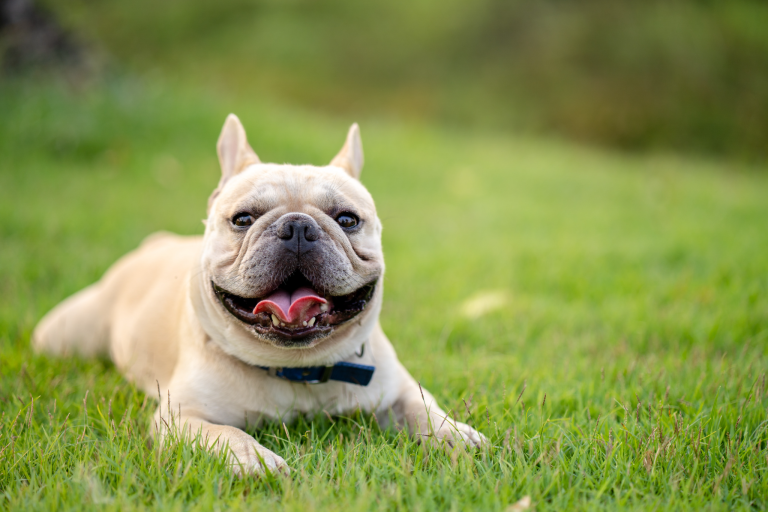
Walk through any local park, and you will likely see plenty of French Bulldogs, Golden Retrievers, and Poodle crosses. However, you might notice that some once-familiar faces are missing. Several historic and unique declining dog breeds are quietly slipping out of public favor, with their annual registration numbers dropping year after year.
This shift in popularity is not happening by accident. Changes in how we live, the rise of heavily marketed crossbreeds, and evolving health standards have all influenced the types of dogs we choose to bring into our homes. For some heritage breeds, this decline places them on vulnerable lists, meaning their genetic diversity and future existence could be at risk.

Understanding why certain dog breeds are losing popularity helps us appreciate the diverse canine companions that have worked alongside humans for centuries. We will look at why this shift is happening, highlight five historic breeds that are slowly fading from the spotlight, and explain what you should consider if you want to welcome one of these rare dogs into your family.
Why Are Certain Dog Breeds Declining?
The popularity of dog breeds has always fluctuated based on cultural trends, famous movies, and royal preferences. However, the current decline of several purebreds is largely driven by a few distinct modern factors.
The Rise of Designer Crossbreeds
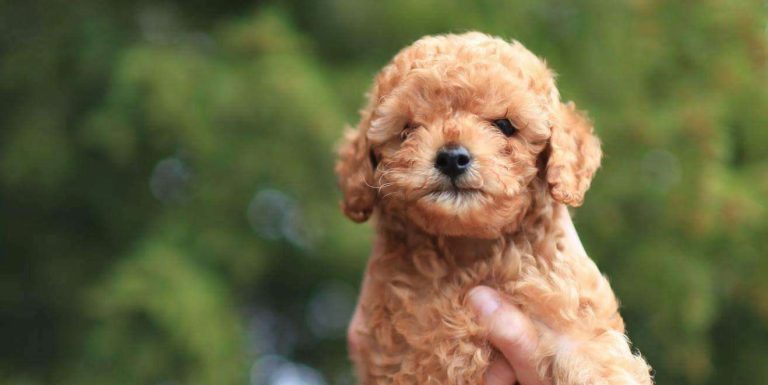
Over the last two decades, crossbreeds—often called designer dogs—have surged in popularity. Breeds like the Cockapoo, Labradoodle, and Cavapoo offer traits that many modern families want, such as low-shedding coats and friendly temperaments. Because these dogs are heavily marketed as ideal family pets, they often dominate the market, pushing traditional purebreds out of the spotlight. When demand shifts toward these crosses, breeders of heritage purebreds often scale back their litters, leading to a slow population decline.
Changing Modern Lifestyles
Historically, many dog breeds were developed for highly specific jobs, such as herding cattle, retrieving game, or guarding estates. Today, most dogs are kept strictly as companions.
Breeds with immense energy, strong prey drives, or loud barks can be difficult to manage in small urban apartments or for owners who work long hours away from home. As more people move to cities and look for low-energy or compact dogs, large working breeds and high-energy terriers naturally see a drop in ownership.
Health and Breeding Concerns
Prospective dog owners are more educated than ever about canine health. Some breeds have seen a decline in popularity due to widespread awareness of genetic health issues. For instance, some flat-faced (brachycephalic) breeds are facing intense scrutiny from veterinary communities and animal welfare organizations due to breathing difficulties. While some of these breeds remain incredibly popular, others are slowly declining as buyers seek out dogs with fewer inherent medical risks and lower expected veterinary bills.
5 Dog Breeds That Are Slowly Declining
Many national kennel clubs maintain a “Vulnerable Native Breeds” list to track dogs that fall below a certain number of annual registrations. Here are five notable declining dog breeds that are becoming increasingly rare.
1. The Scottish Deerhound
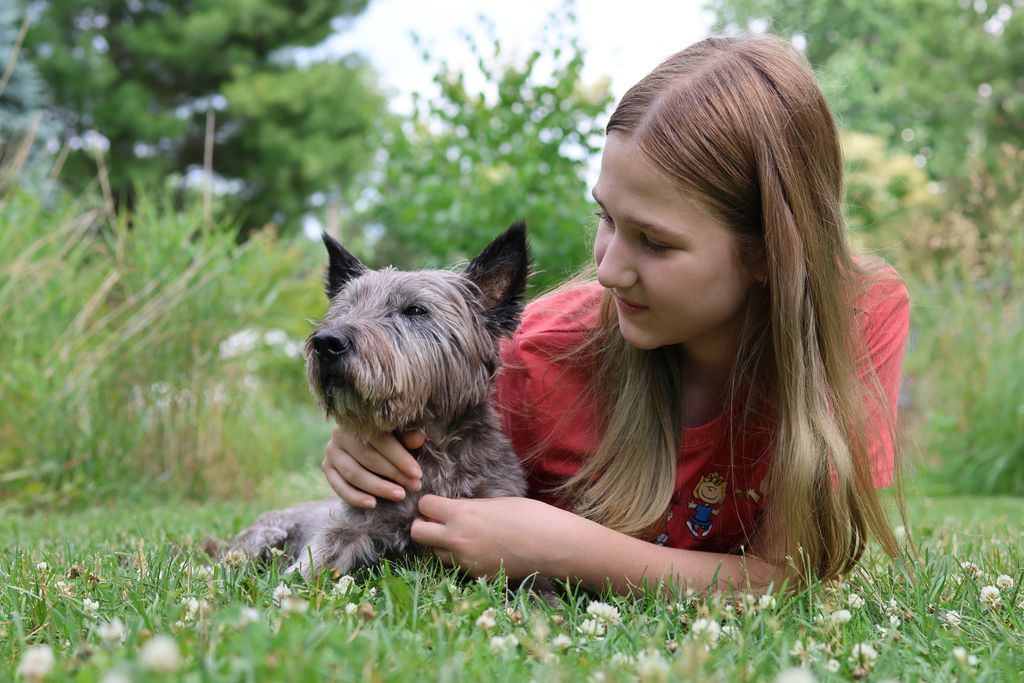
Bred to hunt giant red deer in the Scottish Highlands, the Scottish Deerhound is a large, wiry-coated sighthound. Often described as the “Royal Dog of Scotland,” they are incredibly gentle, quiet, and deeply affectionate with their families.
Why they are declining: Their massive size makes them impractical for most modern homes. They require large, safely enclosed spaces to run at full speed. Because they are expensive to feed and need specialized care, few casual owners are willing to take on a giant breed, causing their numbers to dwindle.
2. The Bloodhound
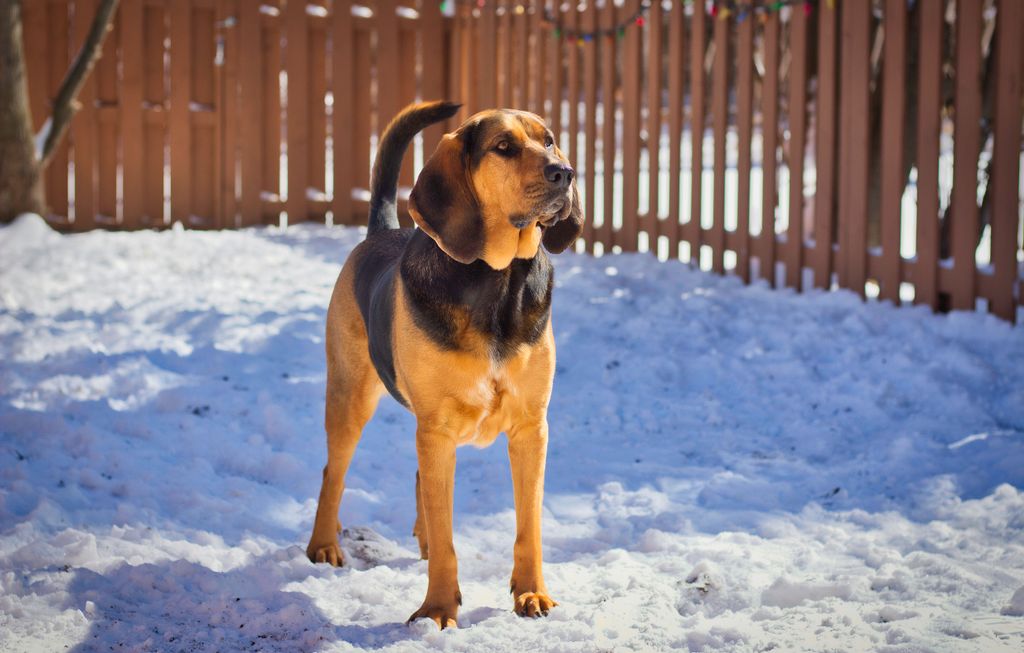
With their deeply wrinkled faces, long ears, and unmatched sense of smell, Bloodhounds are one of the most recognizable breeds in the world. They are famous for their tracking abilities and have historically been utilized by law enforcement for search and rescue.
Why they are declining: Bloodhounds are large, powerful, and notoriously stubborn. They are true working dogs that follow their noses, meaning they can rarely be let off-leash safely in unconfined areas. They also drool heavily and require significant grooming to keep their skin folds clean and free of infection, which deters many modern pet seekers.
3. The Sussex Spaniel
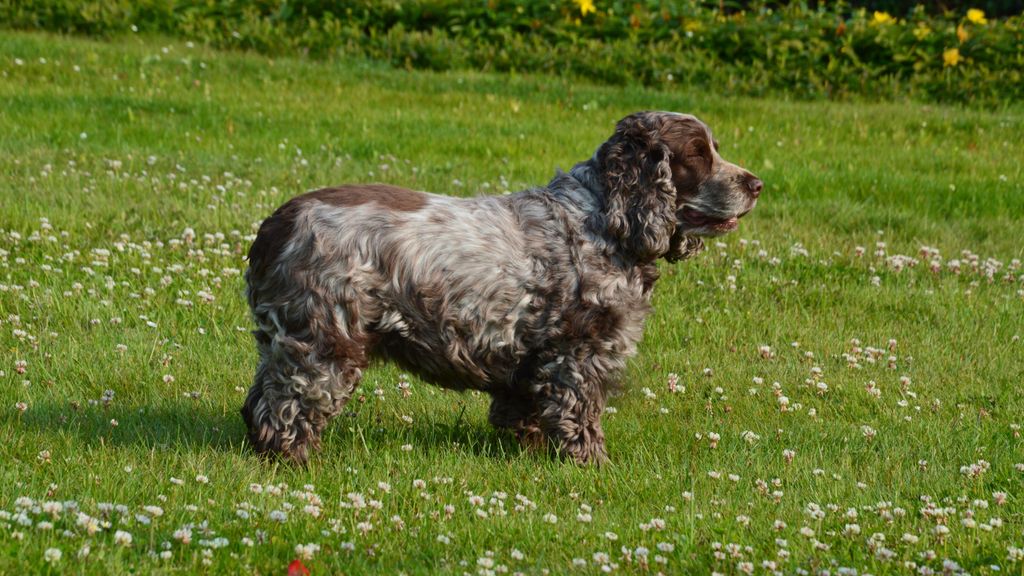
The Sussex Spaniel is a sturdy, low-to-the-ground bird dog known for its rich golden-liver coat and a uniquely vocal hunting style. They are generally calm, even-tempered, and deeply loyal to their owners, making them wonderful companions.
Why they are declining: The Sussex Spaniel has almost entirely been eclipsed by its more energetic and famous cousins, the Cocker Spaniel and the Springer Spaniel. Because they are slower in the field and have a somewhat somber expression, they frequently get overlooked by families wanting a highly active or traditionally “cute” spaniel.
4. The Skye Terrier
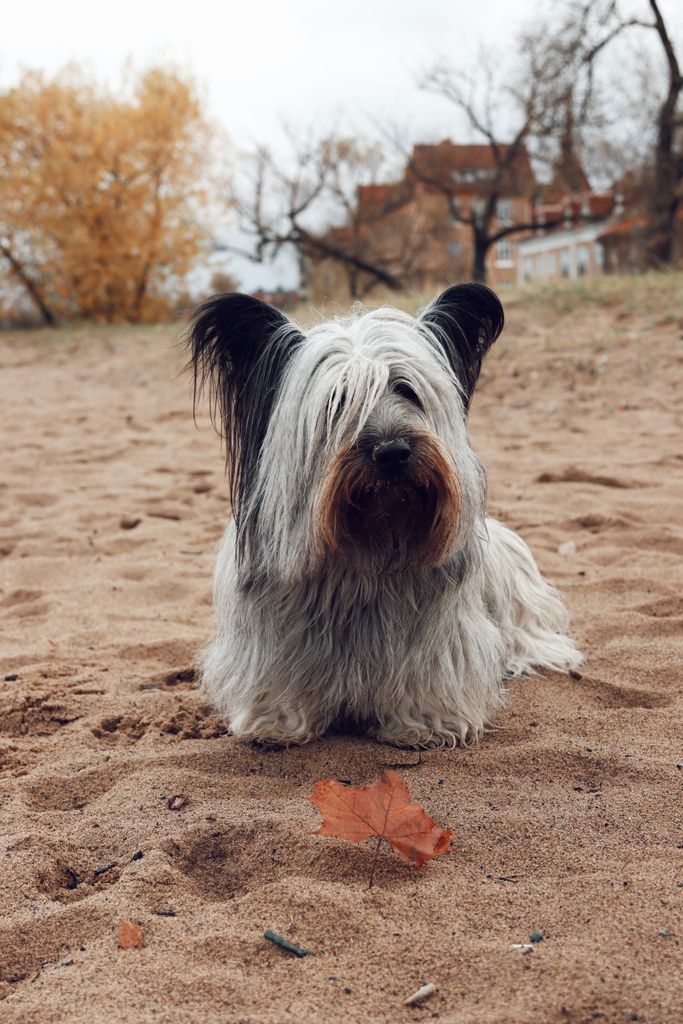
The Skye Terrier is a distinctive, long-haired terrier originally bred on the Isle of Skye in Scotland to hunt foxes and badgers. They are incredibly devoted to their families but can be cautious and aloof around strangers.
Why they are declining: Their long, flowing double coat requires a massive commitment to grooming to prevent painful matting. Furthermore, their traditional terrier temperament—which can be stubborn and fiercely independent—does not always align with the easygoing nature many modern families expect from small companion dogs.
5. The Irish Red and White Setter
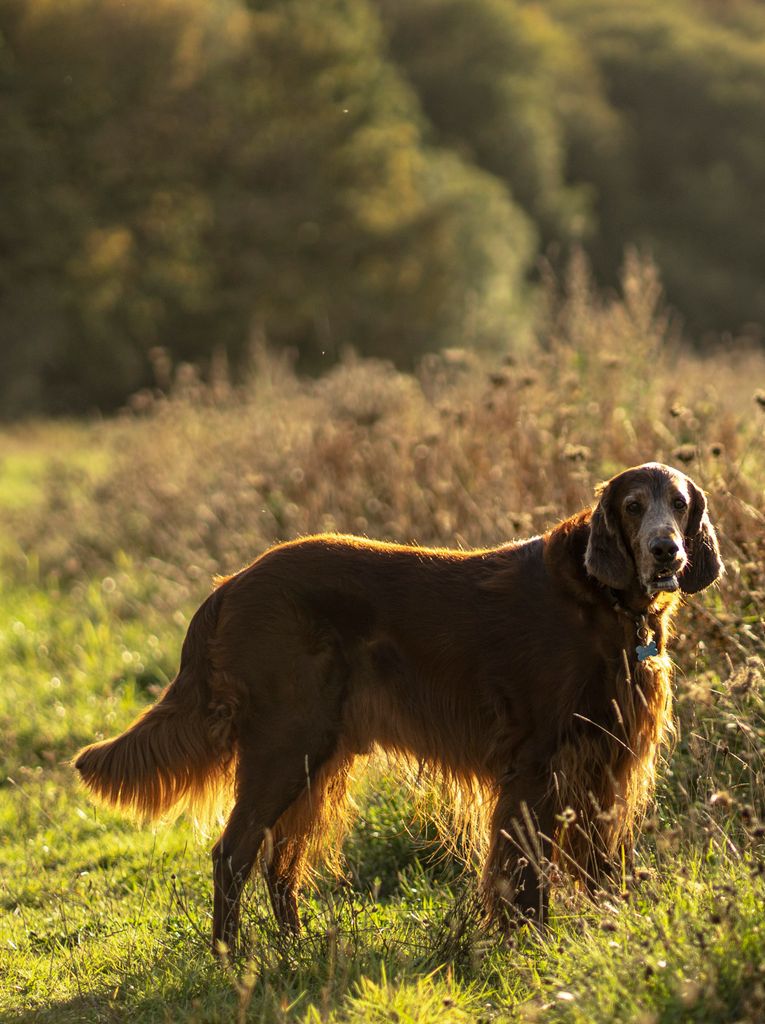
Before the solid red Irish Setter became a global icon, the Irish Red and White Setter was the preferred hunting companion in Ireland. They are athletic, intelligent, and eager to please, thriving in active households that enjoy hiking and outdoor adventures.
Why they are declining: Like the Sussex Spaniel, they have simply been overshadowed by a more popular relative. The striking appearance of the solid red Irish Setter captured public attention decades ago, leaving the original red and white variety struggling to maintain a strong population base.
Breed Comparison: Declining Breeds at a Glance
| Breed | Origin | Size | Primary Reason for Decline |
| Scottish Deerhound | Scotland | Giant | Requires massive space; expensive upkeep |
| Bloodhound | Europe | Large | High maintenance; stubborn tracking instincts |
| Sussex Spaniel | England | Medium | Overshadowed by other spaniel breeds |
| Skye Terrier | Scotland | Small | Intense grooming needs; strong terrier traits |
| Irish Red & White Setter | Ireland | Large | Eclipsed by the solid red Irish Setter |
What Does It Mean When a Breed Becomes “Vulnerable”?
A breed is typically classified as “vulnerable” when its annual registrations with major kennel clubs drop below a specific threshold—often fewer than 300 puppies born in a year in its native country.
When a breed’s population shrinks this significantly, the primary risk is a loss of genetic diversity. A small gene pool makes it incredibly difficult for breeders to produce healthy puppies without risking inherited diseases. If a breed’s numbers stay too low for too long, the breed can eventually face extinction.
Should You Consider Adopting a Declining Breed?
If you are looking for a unique dog and want to help preserve canine history, a vulnerable breed might be an excellent choice. However, doing your research is essential.
Because these dogs often have specific working instincts, you must ensure their traits match your lifestyle. A giant sighthound or a stubborn scent hound requires a different management approach than a standard Golden Retriever.
If you decide to move forward, always seek out responsible preservation breeders. These breeders prioritize health testing and temperament, ensuring that the remaining lines of these rare dogs stay as healthy and robust as possible. Alternatively, search for breed-specific rescue organizations, which occasionally take in adult dogs of these rare breeds when their previous owners can no longer care for them.
Frequently Asked Questions
What is the rarest dog breed in the world today?
While it fluctuates, the Norwegian Lundehund and the Otterhound are frequently cited as some of the rarest purebreds globally. Both breeds suffer from extremely low annual registration numbers and possess highly specialized traits that do not easily fit into typical companion homes.
Why are flat-faced dog breeds declining in some countries?
Breeds like Pugs and French Bulldogs are facing declining registrations in certain European countries due to new animal welfare laws. Some nations have restricted or banned the breeding of dogs with extreme brachycephalic (flat-faced) features to prevent severe breathing and health problems.
How do kennel clubs help endangered dog breeds?
Kennel clubs highlight these breeds by placing them on vulnerable native breed lists. They also promote them at major dog shows, provide resources for preservation breeders, and educate the public on the benefits of owning heritage breeds.
Are working dogs declining more than companion dogs?
Yes. Breeds developed for demanding physical tasks, such as hunting large game, herding livestock, or guarding estates, are declining faster than small companion dogs. Modern families generally prefer dogs with lower exercise requirements and softer temperaments.
Conclusion
The list of declining dog breeds is a stark reminder of how quickly our preferences for pets can change. As we lean more heavily toward designer crossbreeds and dogs suited for small-space living, incredible heritage breeds are slowly fading from view.
While not every vulnerable breed is a perfect fit for the average household, raising awareness is the first step in preservation. If you are preparing to bring a new dog into your life, consider looking beyond the most popular choices. By thoroughly researching your options and supporting responsible breeders, you might find that a rare, historic breed is the perfect match for your family.