The Link Between Dog Tongue Color and Health Conditions


A dog’s tongue is more than a tool for panting, licking, or showing affection. It can also serve as a window into their overall health. Just as veterinarians examine a dog’s gums, checking the tongue offers vital clues about circulation, organ function, and possible illness. Paying attention to dog tongue color is one of the simplest ways for owners to spot health problems early and seek proper care.
In this article, we will explore what a normal tongue should look like, the meaning behind different tongue colors, and when to consult a veterinarian. Understanding the connection between tongue color and health will help you stay one step ahead in protecting your pet’s well-being.

What Does Normal Dog Tongue Color Look Like?

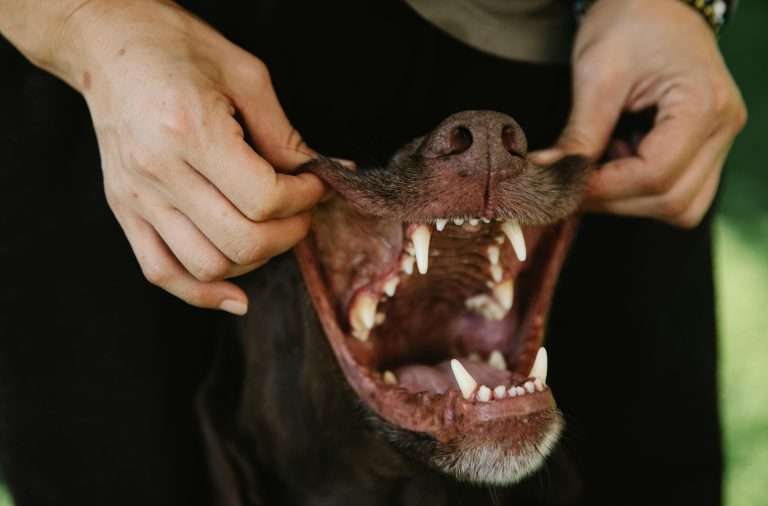
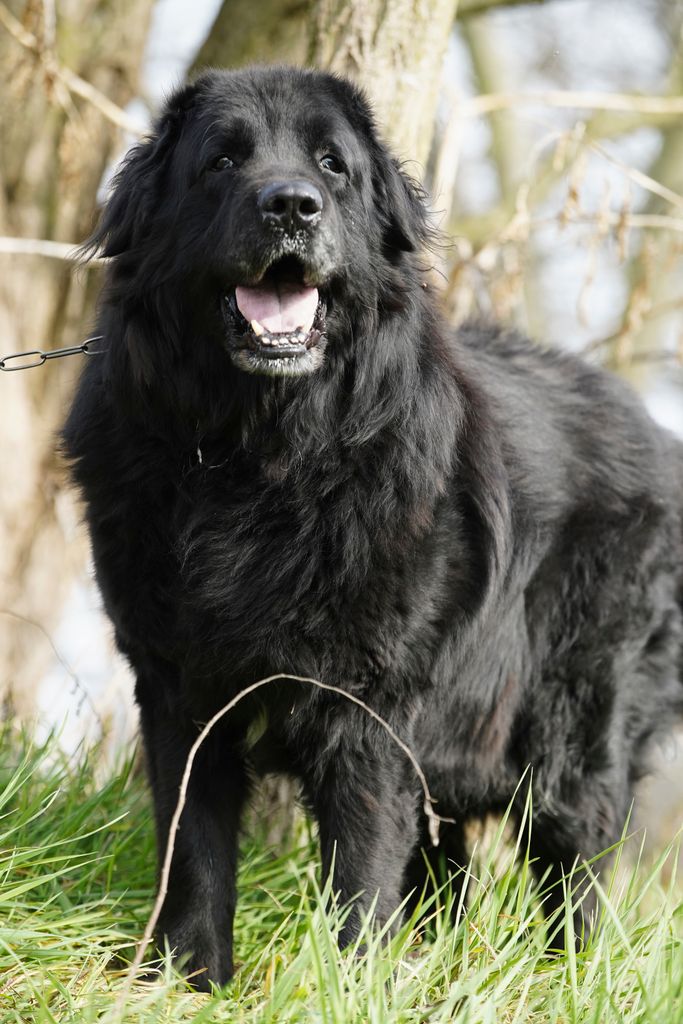
The healthiest and most common dog tongue color is a rosy pink. A pink tongue typically indicates good blood circulation and healthy oxygen levels. If your dog’s tongue is consistently pink, it usually means there is no immediate health concern.
However, it is important to note that certain breeds, such as Chow Chows and Shar-Peis, naturally have blue or purplish tongues. For these breeds, a darker shade is normal, provided the color does not change suddenly or appear patchy. Owners of such dogs should focus more on changes in the shade or the appearance of new spots rather than expecting a pink tongue.
Health Clues from Changes in Dog Tongue Color
Not all tongue colors are harmless. If you notice unusual or sudden changes in dog tongue color, it may signal an underlying health condition. Let’s look at the most common variations and what they may mean.
Pale or White Tongue
A pale or white tongue often points to anemia, reduced blood circulation, or possible internal bleeding. It can also indicate more serious issues such as immune system disorders or even leukemia. If your dog’s tongue remains pale for an extended period, you should consult your veterinarian immediately.
Blue or Purple Tongue
When a dog’s tongue turns blue or purple, it is usually a sign of insufficient oxygen in the blood, a condition called hypoxia. This may be linked to respiratory problems, heart disease, or airway obstructions. A sudden shift to this color in breeds that do not naturally have dark tongues requires urgent veterinary attention.
Red Tongue
A bright red tongue can be a sign of overheating, dehydration, or in severe cases, blood poisoning or carbon monoxide exposure. Dogs with a red tongue may also display symptoms such as excessive panting, lethargy, or vomiting. If these signs occur together, it is best to treat the situation as an emergency.
Yellow Tongue
A yellow tongue in dogs is often associated with jaundice, which may point to liver or gallbladder problems. It may also be connected to digestive conditions such as gastritis. This discoloration is easier to spot in dogs with lighter tongues and gums. Since jaundice indicates a problem with the liver’s ability to function properly, veterinary evaluation is essential.
Black or Dark Spots on Tongue
Some breeds naturally develop black or dark spots on their tongues due to pigmentation. This is common in Akitas, Dalmatians, and some mixed breeds. These spots are harmless if they are present from a young age and remain unchanged. However, if you notice new dark patches forming or existing ones changing in size or shape, it could be a warning sign of melanoma or oral cancer. A vet visit is recommended in such cases.
Related reads:
Signs and Colors of an Unhealthy Dog Tongue
Why Monitoring Dog Tongue Color Matters

Tongue color is not just a cosmetic feature; it can reveal early signs of potentially life-threatening health conditions. Monitoring dog tongue color during regular grooming or playtime can help you notice changes that may otherwise go undetected.
For example, a dog struggling with early respiratory problems might not show obvious signs of distress, but a bluish tint on the tongue could serve as a warning. Likewise, subtle yellowing can point to liver issues long before other symptoms appear. By observing these changes and seeking veterinary care, you may catch a condition before it becomes severe.
Other Factors That Affect Dog Tongue Color
Not every shift in tongue color is tied to a major health condition. Several factors can temporarily alter dog tongue color without indicating serious illness.
- Exercise or excitement: After running or playing, your dog’s tongue may appear darker red due to increased blood flow.
- Temperature: Heat can cause temporary redness as your dog pants more to cool down.
- Medications or toxins: Certain drugs or ingested substances may cause discoloration.
- Hydration levels: Dehydration can make the tongue appear unusually dry and reddish.
Checking the gums along with the tongue can give you a clearer picture. Healthy gums should be pink and moist. Pale or dry gums combined with tongue discoloration are stronger indicators of health concerns.
When to Visit the Vet
Not every color change requires an emergency, but certain changes in dog tongue color should never be ignored. Seek veterinary help if you notice:
- A sudden shift to blue or purple in a breed without naturally dark tongues
- Persistent yellow discoloration
- Pale or white tongue lasting more than a few hours
- New or enlarging black spots
- Red tongue accompanied by other illness symptoms such as vomiting or weakness
Quick veterinary evaluation can make a big difference in treatment outcomes.
Caring for Your Dog’s Oral and Overall Health

Maintaining good oral hygiene and general wellness plays a major role in keeping a healthy dog tongue color. Here are a few simple steps:
- Schedule regular dental check-ups to prevent infections.
- Provide clean drinking water at all times to keep the tongue moist and healthy.
- Ensure your dog has a balanced diet that supports organ function.
- Include routine veterinary visits for full-body health assessments.
These practices not only protect your dog’s tongue but also their overall health.
Final Thoughts
A dog’s tongue is more than just a playful feature. It can serve as an important health indicator when observed carefully. From pale shades to unusual yellowing or black spots, each variation in dog tongue color tells a story about your pet’s internal health.
Regular monitoring, along with proper dental care, hydration, and routine vet visits, ensures you catch health issues early. If you ever notice sudden or concerning changes, professional veterinary advice is the safest path.
By making it a habit to observe dog tongue color, you are taking a simple but effective step toward safeguarding your dog’s well-being and ensuring they enjoy a long, healthy, and happy life.