Understanding Your Dog’s Body Language


Hey there, fellow dog enthusiasts! Imagine you and your furry pal having a secret language, a non-verbal code to decode their feelings. That’s right – understanding your dog’s body language is like unlocking the mysteries of the canine universe! And guess what? There’s science behind it! CRISPR (Canine Research Investigating Secret Pooch Reactions – okay, I made that up) has shown that dogs are masters of communication through tail wags, ear signals, and paw-some poses. It’s like they’re wagging their way into our hearts and minds! So, the next time Fido wiggles their tail or flashes their puppy eyes, you’ll be a certified dog whisperer, connecting with them on a whole new level.
The science behind interpreting a dog’s body language lies in the field of ethology, which studies animal behavior in their natural environments. Ethologists have extensively researched the non-verbal cues and expressions that dogs use to communicate their emotions and intentions. By deciphering these signals, such as tail wagging, ear position, and eye contact, humans can gain insights into a dog’s emotional state, including joy, fear, anxiety, or aggression. This understanding enables responsible dog owners to respond appropriately to their pet’s needs, ensuring their physical and emotional well-being.

So here are 10 dog’s body language to help you understand how they communicate.

Tail Wagging: Contrary to popular belief, a wagging tail doesn’t always mean a happy dog. The position and speed of the wagging can indicate different emotions. A low wagging tail could signal submissiveness or nervousness, while a high wagging tail with quick movements might indicate excitement or alertness.
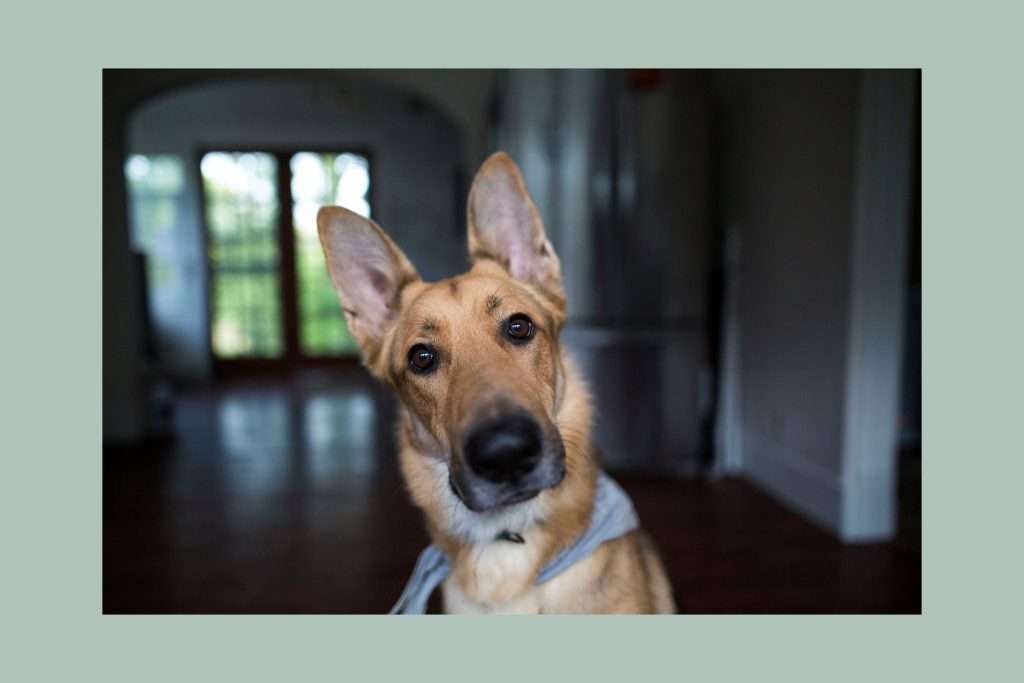
Ears: Pay attention to your dog’s ears, as they are excellent indicators of their mood. Ears held high and forward generally show attentiveness or interest, while ears flattened against the head might suggest fear, anxiety, or submission.

Eyes: The eyes can reveal a lot about a dog’s emotional state. Relaxed and soft eyes often indicate a content or happy dog. Dilated pupils could be a sign of excitement, fear, or aggression. Staring with a hard, intense gaze might be a sign of aggression or discomfort.

Body Posture: A dog’s overall body posture is crucial to understanding their mood. A relaxed and loose body usually means they feel comfortable and content. On the other hand, a tense or stiff body may suggest fear, anxiety, or readiness for action.

Play Bow: When a dog lowers the front of its body while keeping the back end up, it’s a play bow. This is an invitation to play and a sign of friendliness.
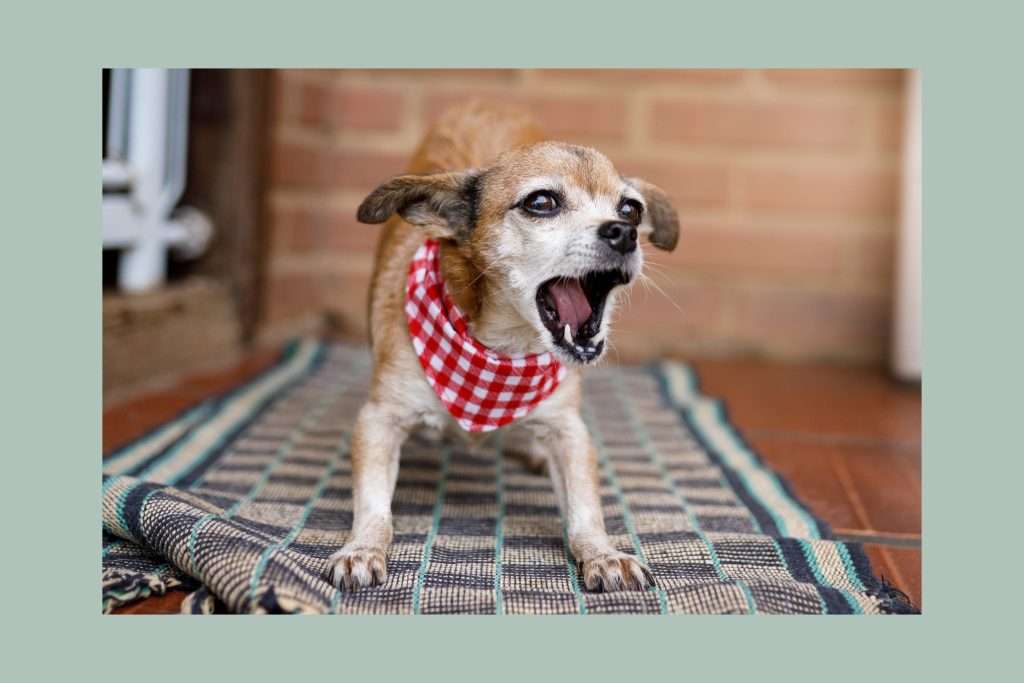
Barking and Vocalizations: Dogs use different vocalizations to convey their emotions. A high-pitched bark may indicate excitement, while a deep, low growl might suggest a warning or threat.

Paw Lift: If a dog lifts one paw off the ground while interacting with you or other animals, it can be a sign of uncertainty or a desire to be non-threatening.

Lip Licking/Yawning: Dogs may lick their lips or yawn when feeling anxious, stressed, or uncomfortable.
Hackles Raised: When the hair along a dog’s back stands up (hackles raised), it can indicate arousal, fear, or perceived threat.

Rolling Over: A dog exposing its belly can signal submission or trust. However, it’s essential to note that not all dogs enjoy belly rubs, so be cautious when interpreting your dog’s body language.
In conclusion, understanding a dog’s body language is not only scientifically fascinating but also incredibly rewarding for any dog owner or enthusiast. As we decode their tail wags, ear positions, and eye expressions, we unlock the secret language that bridges the gap between humans and our furry companions.
Did you know that dogs are capable of understanding human body language too? Studies have shown that they can interpret our facial expressions and gestures, adding an extra layer of understanding to our cross-species communication. So the next time your dog greets you with a wagging tail and excited eyes, you’ll know it’s their way of saying, “I love you!”
Embracing this knowledge not only strengthens our bond with dogs but also enriches our lives with unconditional love, joy, and endless tail-wagging happiness. So ahead, observe your canine friend’s body language, and embark on a delightful journey of mutual understanding and friendship that will surely bring many tail-wagging adventures your way!



![Brushing and Combing Your Dog – All You Need to Know [2024]](https://100dogbreeds.com/wp-content/uploads/2024/06/image-8-768x512.png)