How to Safely Switch Dog Food Without Upsetting Their Stomach

Changing your dog’s diet might seem simple, but doing it the wrong way can quickly lead to digestive issues. Many pet owners decide to switch dog food for better nutrition, health reasons, or even budget changes, but the transition needs to be handled with care. A sudden change can upset your dog’s stomach, leading to discomfort and unwanted symptoms. The good news is that with a gradual and thoughtful approach, you can help your dog adjust smoothly without any trouble.
Why It’s Important to Switch Dog Food the Right Way
Dogs have sensitive digestive systems that rely on a balance of gut bacteria to process food properly. When you switch dog food too quickly, this balance gets disrupted. The ingredients, protein sources, and fat content in the new food may be very different from what your dog is used to, making it harder for their system to adapt.

This is why many dogs experience issues like loose stools, vomiting, or gas when their food is changed suddenly. Their bodies simply need time to adjust. A gradual transition allows the digestive system to slowly get used to the new ingredients, reducing the risk of discomfort and helping your dog stay healthy.
When You May Need to Switch Dog Food
There are several reasons why pet owners decide to switch dog food, and most of them are completely valid.
Common Reasons to Switch Dog Food
One of the most common reasons is a change in life stage. Puppies, adult dogs, and senior dogs all have different nutritional needs. Moving from one stage to another often requires a diet change. Health concerns are another major factor. If your dog develops allergies, skin issues, or digestive problems, your vet may recommend a different formula.
Some owners also choose to switch because they find a higher quality option or one that suits their budget better. In other cases, dogs may simply stop showing interest in their current food, prompting the need for a change.
Situations Where You Should Switch Dog Food Quickly
While a slow transition is ideal, there are situations where you may need to switch dog food immediately. This includes product recalls, contamination concerns, or urgent medical conditions where a vet recommends an immediate dietary change. In such cases, monitoring your dog closely becomes even more important.
The Safest Way to Switch Dog Food
The safest way to switch dog food is by following a gradual transition plan. This typically takes about 7 days, although some dogs may need more time depending on their sensitivity.
7 Day Plan to Switch Dog Food Safely
Start by mixing a small amount of the new food with your dog’s current food. For the first two days, keep the ratio at about 25 percent new food and 75 percent old food. Over the next couple of days, increase the new food to 50 percent while reducing the old food to 50 percent.
By days five and six, you can move to 75 percent new food and 25 percent old food. On the seventh day, you should be able to feed 100 percent of the new food. This gradual shift helps your dog’s digestive system adjust without stress.
How to Switch Dog Food for Sensitive Dogs
Some dogs have more delicate stomachs and may not handle even a standard transition well. In these cases, it is better to take things slower. Extending the process to 10 or even 14 days can make a big difference.
Watch your dog closely during this time. If you notice any signs of discomfort, slow down the process and give their system more time to adjust. Every dog is different, so being flexible is key when you switch dog food.
Signs You Are Switching Dog Food Too Fast
Even with the best intentions, it is possible to move too quickly when you switch dog food. Your dog will usually show clear signs if the transition is not going well.
Loose stools or diarrhea are the most common indicators. Vomiting, excessive gas, and a noticeable drop in appetite are also warning signs. Some dogs may even appear less energetic than usual.
If you notice any of these symptoms, it is a good idea to pause and go back to the previous ratio that your dog was comfortable with. Once things stabilize, you can continue the transition more slowly.
Practical Tips
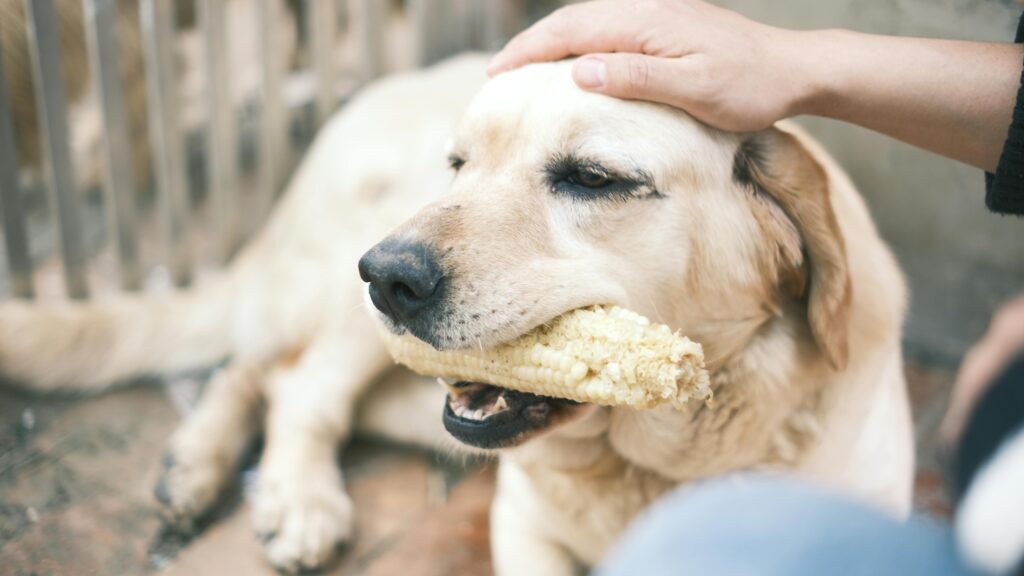
A few small adjustments can make the process much smoother when you switch dog food.
Keeping feeding times consistent helps your dog’s body adjust more easily. Sudden changes in schedule can add unnecessary stress during the transition. Measuring portions accurately is also important. Overfeeding, even with a new food, can lead to digestive issues.
It is best to avoid introducing other new foods or treats at the same time. Too many changes at once can confuse your dog’s digestive system. Fresh water should always be available, especially during a dietary change.
Some pet owners also consider adding probiotics or digestive supplements to support gut health. While not always necessary, they can be helpful for dogs with sensitive stomachs.
Related reads:
The Importance of Regular Vet Check-Up for Your Dog
What to Do If Your Dog Refuses to Eat During the Switch Dog Food Process
It is not uncommon for dogs to be hesitant when you switch dog food. A new smell or texture can make them cautious at first.
If your dog refuses to eat, try sticking to regular feeding times and avoid offering too many alternatives. Giving too many options can make them pickier. Sometimes, simply giving them a little time is enough for them to accept the new food.
If your dog continues to refuse food for more than a day or shows signs of illness, it is best to consult a veterinarian. Loss of appetite should not be ignored, especially during a diet change.
Mistakes to Avoid When You Switch Dog Food
Many issues arise from simple mistakes made during the transition process. One of the biggest mistakes is switching overnight without any gradual introduction. This almost always leads to digestive problems.
Another common mistake is not paying attention to your dog’s reaction. Every dog responds differently, so it is important to adjust the process based on how your dog is doing. Changing portion sizes drastically can also cause problems, even if the food itself is suitable.
Ignoring early warning signs like loose stools or reduced appetite can make things worse. Taking action early can prevent more serious issues when you switch dog food.
Final Thoughts
Taking the time to switch dog food properly can make a big difference in your dog’s overall health and comfort. A gradual approach allows their digestive system to adjust naturally, reducing the chances of upset stomachs and other issues.
Patience is the key here. While it might feel slow, a careful transition ensures that your dog adapts well to their new diet. Paying attention to their response and making small adjustments along the way will help you get the best results.
In the end, a smooth transition not only keeps your dog healthy but also helps them enjoy their new food without stress.