Understanding Dog Zoomies: Causes and Control Tips

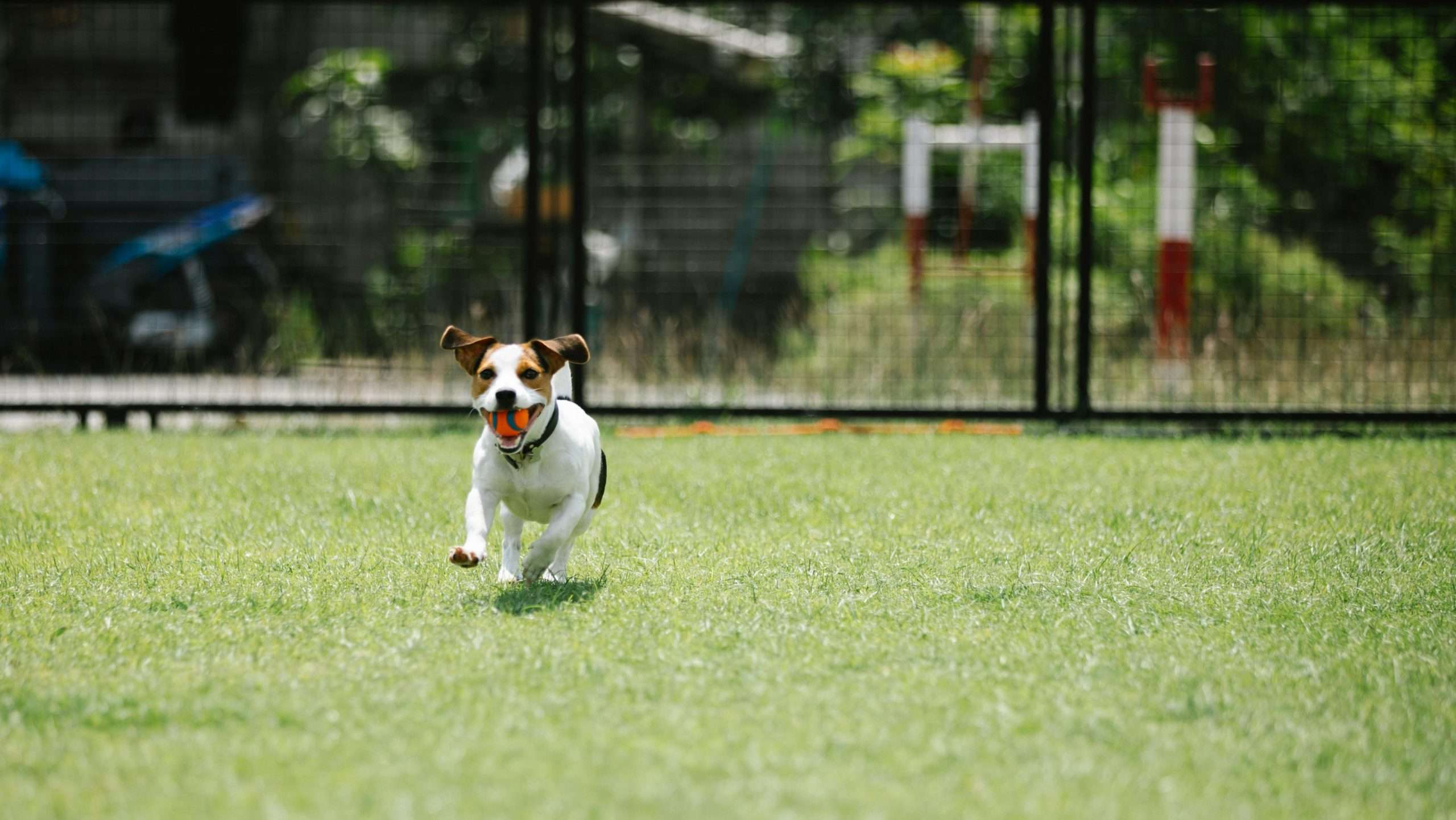
Most dog owners have witnessed their pet suddenly racing across the room, spinning in circles, or darting from one end of the house to another. These episodes are known as dog zoomies, and they are short bursts of high energy that typically last a few seconds to a couple of minutes. They are technically referred to as Frenetic Random Activity Periods, but the simpler term is what most people use.
Dogs often display this behavior when they are overwhelmed with energy or emotion. It might happen after a bath, during playtime, or even at a specific time each day. Although it may seem unpredictable, there are patterns and triggers behind dog zoomies that become easier to spot over time.

What are dog zoomies?
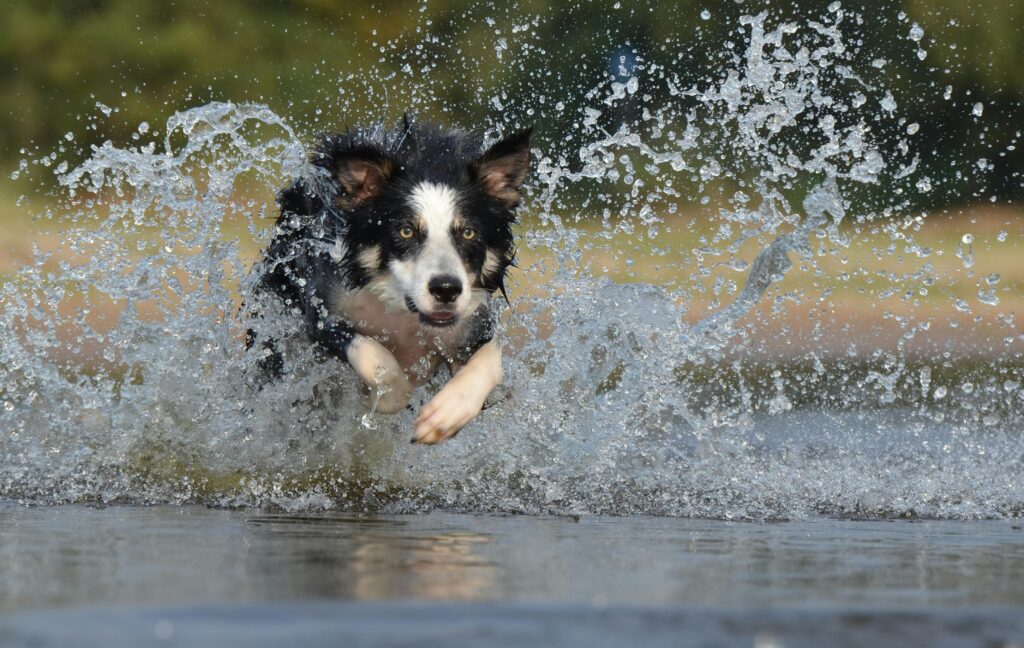
At their core, dog zoomies are a way for dogs to release pent up energy. During these episodes, your dog may run in tight circles, jump on furniture, or sprint back and forth with no clear direction. Their body language is usually playful and excited, with a wagging tail and bright eyes.
These bursts are completely normal and are more common in puppies and younger dogs. However, adult dogs can also experience dog zoomies, especially if they have not had enough physical or mental activity throughout the day. The key thing to understand is that this behavior is not random. It is your dog’s way of expressing energy or emotion quickly.
Why do dog zoomies happen?
There are several reasons behind this behavior, and in most cases, it is a combination of physical and emotional factors.
One of the most common causes of dog zoomies is excess energy. If a dog has been resting for long periods or has not had enough exercise, they may suddenly release all that built up energy in one go. This is especially true for active breeds that require regular movement and stimulation.
Emotional triggers also play a big role. Dogs often experience dog zoomies when they are extremely happy or excited. For example, when you return home after being away, your dog might start running around uncontrollably as a way of expressing joy. Similarly, some dogs get these bursts after stressful situations, using movement as a way to release tension.
Another reason is instinct. Dogs naturally engage in playful chasing and running behaviors, especially when they are young. These instincts can show up as dog zoomies, even in a home environment.
When Do Dog Zoomies Usually Occur?
Timing can give you important clues about why your dog behaves this way. Many dogs show dog zoomies right after a bath. This is often because they feel relieved, excited, or simply want to dry off quickly.
Another common moment is after being confined. If your dog has been in a crate or a small space, they may burst into a sprint once they are free. This is their way of stretching out and releasing stored energy.
Playtime can also trigger dog zoomies, especially if your dog becomes overstimulated. In some cases, dogs have a routine where they get these bursts at the same time every day. Recognizing these patterns can help you prepare and manage the situation better.
Are dog zoomies Normal or a Problem?
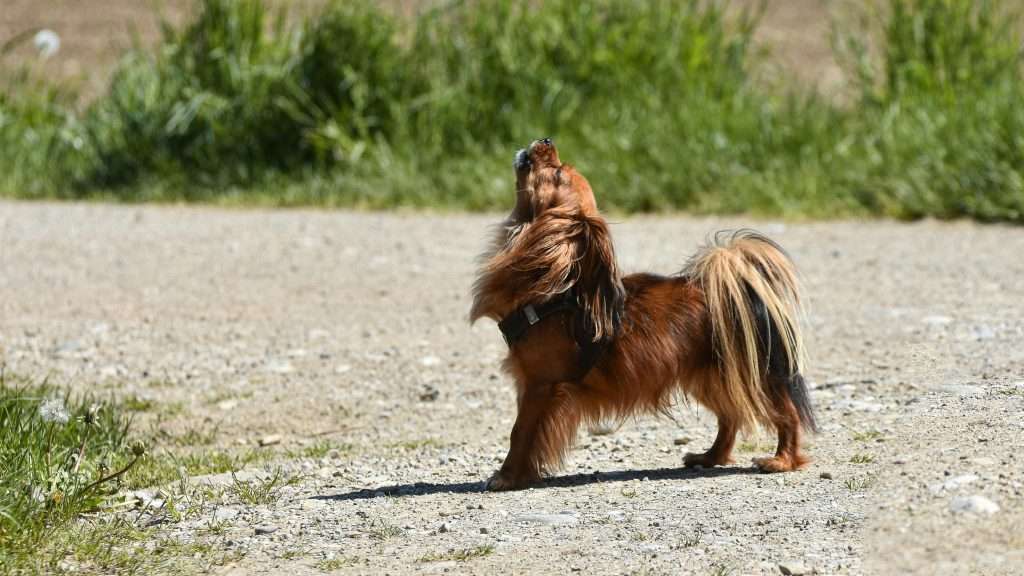
In most cases, dog zoomies are completely normal and healthy. They are a sign that your dog has energy to burn and is expressing it in a natural way. Puppies, in particular, tend to have frequent episodes as they are more energetic and playful.
However, there are situations where you might need to pay closer attention. If your dog is having dog zoomies very frequently, it could indicate that they are not getting enough exercise or mental stimulation. Similarly, if the behavior seems frantic or stressed rather than playful, it might be linked to anxiety.
Observing your dog’s overall behavior is important. If they are otherwise calm, healthy, and well exercised, occasional zoomies are nothing to worry about.
How to Safely Handle Dog Zoomies at Home
When your dog suddenly starts running around, your first instinct might be to stop them immediately. However, it is usually better to stay calm and let the episode pass naturally. Interrupting too aggressively can confuse or stress your dog.
Instead, focus on safety. Make sure the space is free from obstacles or fragile items that could be knocked over. If possible, guide your dog toward a more open area where they can move freely without risk.
Avoid chasing your dog during dog zoomies, as this can make them more excited and prolong the behavior. Letting them burn off the energy safely is often the best approach.
Related reads:
How to Teach Your Dog to Kiss on Cue
Practical Ways to Control Excessive Dog Zoomies
While you cannot completely eliminate this behavior, you can reduce how often it happens by addressing the underlying causes.
Regular exercise is one of the most effective solutions. Daily walks, play sessions, and physical activities help prevent the buildup of energy that leads to dog zoomies. A tired dog is less likely to have sudden bursts indoors.
Mental stimulation is equally important. Puzzle toys, training sessions, and interactive games keep your dog engaged and reduce boredom. This can significantly lower the chances of frequent zoomies.
Creating a consistent routine also helps. Feeding, walking, and playtime should happen at roughly the same time each day. Predictability makes your dog feel secure and reduces sudden energy spikes.
Mistakes to Avoid During Dog Zoomies

One of the biggest mistakes is punishing your dog for this behavior. Since dog zoomies are natural, punishment can lead to confusion and may even create anxiety.
Another mistake is trying to physically restrain your dog during an episode. This can make them more agitated and increase the risk of injury. It is better to focus on guiding them safely rather than stopping them forcefully.
Encouraging zoomies in unsafe spaces is also risky. For example, allowing your dog to run on slippery floors or in cluttered areas can lead to accidents. Being mindful of the environment makes a big difference.
Can You Train Away dog zoomies?
It is important to understand that you cannot completely train away dog zoomies, nor should you try to. This behavior is a natural part of how dogs express energy and emotion.
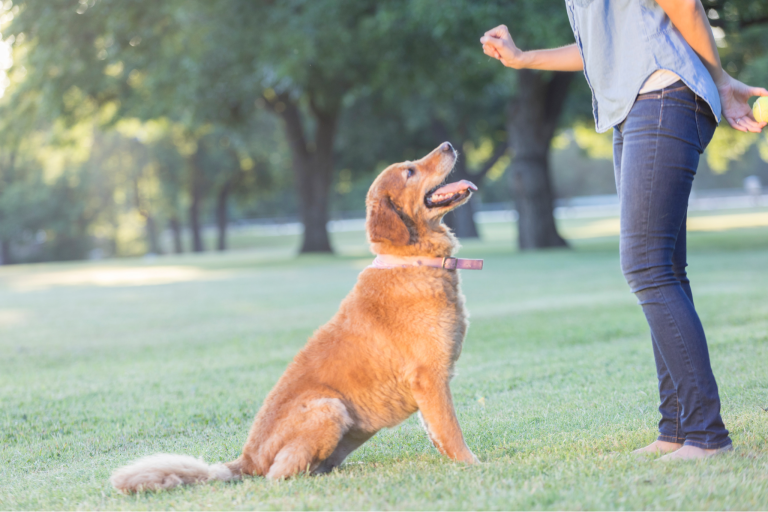
What you can do is manage it. Training your dog to respond to basic commands like sit or come can help you redirect their attention when needed. Over time, this can make it easier to guide them during high energy moments.
You can also teach calm behaviors after play or exercise. For example, encouraging your dog to relax on a mat after activity helps create a balance between excitement and calmness.
Safety Tips to Prevent Injuries During dog zoomies
Safety should always be a priority when your dog is in one of these energetic bursts. Make sure your home environment is suitable for movement. Clear pathways and remove objects that could cause tripping or collisions.
Outdoor spaces can be ideal for dog zoomies, as they provide more room to run. Just ensure the area is enclosed so your dog cannot run off unexpectedly.
Watch for signs of overheating, especially in warm climates. If your dog seems overly tired or is panting heavily, encourage them to rest and provide water.
Final Thoughts
Seeing your dog suddenly burst into motion can be surprising, but it is usually nothing to worry about. dog zoomies are a natural way for dogs to release energy and express emotion. By understanding the causes and recognizing the triggers, you can manage this behavior in a safe and effective way. With the right balance of exercise, routine, and awareness, these energetic moments can become a normal and even enjoyable part of your dog’s life.