The Ultimate Labrador Retriever Breed Guide: Care, Traits & Health


The Labrador Retriever consistently ranks as one of the most popular dog breeds in the world, and it is easy to see why. Known for their friendly faces, wagging “otter” tails, and eager-to-please attitudes, Labs are cherished as loyal family companions, capable working dogs, and reliable service animals. However, bringing a high-energy sporting dog into your home is a major commitment that requires preparation.
If you are considering adding a Lab to your family, or if you simply want to learn how to better care for the one sleeping at your feet, this Labrador Retriever breed guide covers everything you need to know. We will look closely at their exercise requirements, grooming routines, common health concerns, and training needs.

While they are famous for their adaptability and good nature, Labs also require consistent training, daily vigorous exercise, and careful weight management to thrive. Read on to discover what it takes to raise a happy, healthy Labrador Retriever.
History and Origins of the Labrador Retriever
Despite their name, Labrador Retrievers did not originate in Labrador, Canada. They actually trace their roots to the neighboring region of Newfoundland. In the 1800s, local fishermen bred small water dogs—known as St. John’s water dogs—to help retrieve fishing nets and catch escaped fish in the icy North Atlantic waters.
These early ancestors were celebrated for their strong work ethic, thick water-resistant coats, and friendly temperaments. English nobles visiting Canada noticed these impressive dogs and brought them back to Great Britain. In England, breeders refined the St. John’s water dog into the modern Labrador Retriever, focusing on their abilities as skilled hunting companions capable of retrieving waterfowl.
Today, the breed is divided broadly into two types, though they are recognized as the same breed by major kennel clubs. English Labs tend to be stockier with broader heads, while American Labs are generally taller, leaner, and bred primarily for field and working trials.
Physical Characteristics and Size
The Labrador is a medium-to-large, strongly built dog. They possess an athletic frame designed for active physical work, paired with a broad skull, kind eyes, and floppy ears that frame their expressive faces.
A defining physical trait of the breed is their thick, tapering “otter tail,” which acts as a powerful rudder when they swim. They also have a dense, weather-resistant double coat that keeps them warm and dry in harsh conditions.
Labrador Retrievers come in three standard, recognized coat colors:
- Black: Solid black from head to tail.
- Yellow: Ranging from light cream to a rich, fox-red shade.
- Chocolate: A deep, rich brown.
Average Size and Weight
Labs are solid, sturdy dogs. While individual sizes vary, standard healthy ranges include:
- Male Weight: 65 to 80 pounds (29 to 36 kg)
- Male Height: 22.5 to 24.5 inches at the shoulder
- Female Weight: 55 to 70 pounds (25 to 32 kg)
- Female Height: 21.5 to 23.5 inches at the shoulder
Labrador Retriever Temperament and Personality
The hallmark of the Labrador is their outstanding temperament. They are famous for being gentle, outgoing, and eager to please. A well-socialized Lab is friendly with everyone they meet, including strangers, which makes them terrible guard dogs but excellent companions.
Labs are highly intelligent and bond deeply with their families. They want to be involved in household activities and do not do well when left alone in a backyard for long periods. Isolation can lead to boredom, anxiety, and destructive behaviors like excessive chewing or digging.
While they are generally patient and adaptable, it is important to remember that Labs mature slowly. Many Labradors retain a bouncy, puppy-like energy well into their third or fourth year. They require an owner who has a good sense of humor and the patience to guide them through an extended, energetic adolescence.
Exercise Needs for an Active Lab

If you are looking for a couch potato, the Labrador Retriever is not the right fit. These are energetic sporting dogs built for endurance and physical activity. Without enough exercise, a Lab will quickly become frustrated, which often results in behavioral issues.
A healthy adult Labrador needs at least one to two hours of vigorous exercise every day. A quick walk around the block is not sufficient to burn off their energy.
Great ways to exercise a Lab include:
- Swimming: Most Labs love the water, and swimming is excellent low-impact exercise for their joints.
- Retrieving: True to their name, fetching a ball or a flying disc is an ideal way to stimulate both their mind and body.
- Hiking or Jogging: Once a Lab is fully grown (around 18 to 24 months) and their growth plates have closed, they make excellent running partners.
- Dog Sports: Agility, dock diving, and obedience trials are fantastic outlets for their energy and intelligence.
Always monitor your dog during exercise in hot weather, as their thick double coats can cause them to overheat.
Training Your Labrador Retriever
Because of their size and enthusiasm, early training and socialization are essential for a Labrador Retriever. An untrained, 70-pound Lab jumping on guests or pulling on the leash can quickly become a safety hazard. Fortunately, Labs are highly trainable and generally love to learn.

Positive Reinforcement
Labs respond best to humane, reward-based training methods. They are notoriously food-motivated, which makes training with small, healthy treats highly effective. Praise, toys, and affection are also excellent rewards. Avoid harsh corrections or punishment-based methods, as these can damage the dog’s trust and dampen their natural enthusiasm.
Core Training Focus Areas
- Leash Walking: Start loose-leash training early. A mature Lab is incredibly strong and can easily pull an adult over if they see a squirrel.
- Recall: Teach a strong “come” command. Their tracking instincts can sometimes lead them to wander if they catch an interesting scent.
- Socialization: Expose your puppy to different people, sights, sounds, and other animals in a positive way during their first 16 weeks to ensure they grow into a confident adult.
Grooming and Coat Care

While Labrador grooming is relatively straightforward compared to long-haired breeds, they do require consistent maintenance. The Lab’s double coat consists of a soft, insulating undercoat and a slightly coarse, water-resistant topcoat.
Managing the Shedding
Labs shed constantly throughout the year. Additionally, they experience a heavy shedding period—often called “blowing their coat”—twice a year during the spring and fall.
To manage the loose hair, brush your Lab at least twice a week using a slicker brush or a grooming mitt. During shedding season, daily brushing with a de-shedding tool will help keep the hair on your dog and off your furniture.
Bathing and Hygiene
- Bathing: Bathe your Lab every six to eight weeks, or whenever they roll in something smelly. Over-bathing can strip the coat of its natural water-resistant oils.
- Ear Care: Because Labs have drop ears and love swimming, they are highly prone to ear infections. Clean their ears weekly with a vet-approved cleanser and dry them thoroughly after every swim or bath.
- Nails and Teeth: Trim their nails every three to four weeks to prevent joint pain. Brush their teeth several times a week using dog-safe toothpaste to maintain dental health.
Nutritional Needs and Feeding Guidelines
Feeding your Labrador a high-quality, balanced diet is essential for their long-term health. Because they are a large breed prone to joint issues, puppy nutrition is particularly important. Lab puppies should eat food specifically formulated for large-breed puppies to ensure slow, steady growth.
Preventing Obesity
Labradors are notorious for their endless appetites. They are incredibly skilled at convincing their owners they are starving, which makes them highly prone to obesity. Excess weight puts severe strain on their joints and can lead to heart disease and diabetes.
To keep your Lab at a healthy weight:
- Measure their daily food portions using a standard measuring cup, rather than free-feeding.
- Factor training treats into their daily caloric intake.
- Consult your veterinarian to determine the correct portion size based on your dog’s age, weight, and activity level.
- You should be able to easily feel, but not see, their ribs, and they should have a visible waist when viewed from above.
Common Health Issues in Labs
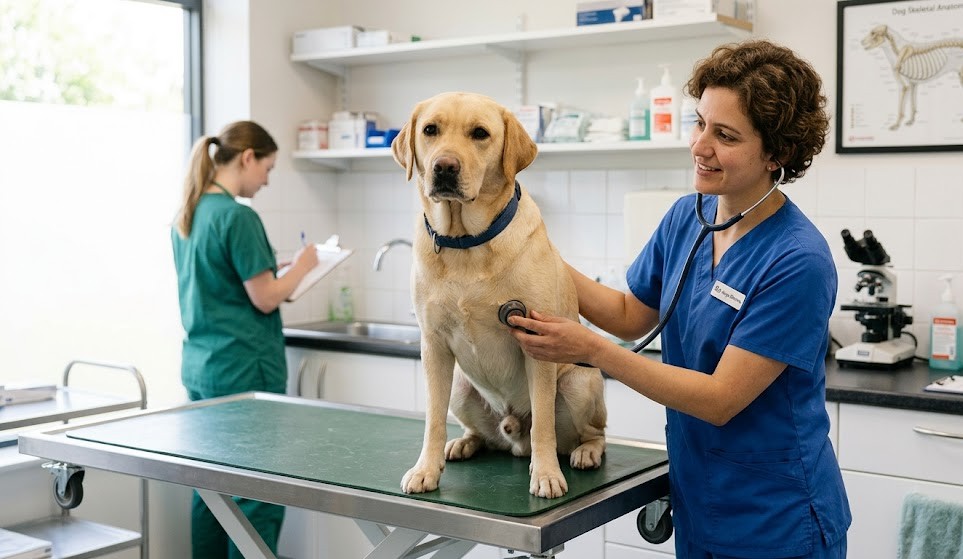
Labradors are generally healthy dogs with an average lifespan of 10 to 12 years. However, like all purebred dogs, they are genetically predisposed to certain health conditions. Responsible breeders screen their breeding dogs for these issues.
- Hip and Elbow Dysplasia: This is a genetic malformation of the joints that can cause pain, lameness, and arthritis. Keeping your Lab lean and avoiding excessive jumping during puppyhood can help manage the risk.
- Progressive Retinal Atrophy (PRA): A family of eye diseases that involves the gradual deterioration of the retina, eventually leading to blindness.
- Exercise-Induced Collapse (EIC): A genetic syndrome that causes weakness and collapse after periods of intense exercise.
- Gastric Dilatation-Volvulus (Bloat): While more common in deeper-chested breeds, Labs can still suffer from bloat, a life-threatening emergency where the stomach fills with gas and twists. Feeding multiple small meals and avoiding heavy exercise right after eating can reduce the risk.
Always schedule regular annual checkups with your veterinarian to catch and manage any potential health issues early.
Are Labs Good for Families and Other Pets?
The short answer is yes. Labradors are widely considered one of the best family dogs in the world. Their patient and gentle nature makes them wonderful companions for children of all ages. However, because young Labs can be boisterous and clumsy, they should always be supervised around toddlers to prevent accidental knock-overs.
Labs also tend to get along excellently with other dogs and household pets, including cats, especially if they are introduced properly and socialized from a young age. Their easygoing temperament means they usually welcome new additions to the household with a wagging tail.
Frequently Asked Questions
Do Labrador Retrievers shed a lot?
Yes, Labradors are heavy shedders. They shed moderately year-round and experience a significant seasonal shed twice a year. Regular weekly brushing is required to manage the loose hair in your home.
Are Labs easy to train?
Labs are highly intelligent and eager to please, making them very trainable. They respond exceptionally well to positive reinforcement and food rewards. However, their high energy means that consistent, daily training is necessary to prevent unruly behavior.
Can a Labrador live in an apartment?
While it is possible for a Lab to live in an apartment, it is not ideal unless the owner is highly dedicated to outdoor exercise. Because of their size and high energy levels, Labs do best in homes with a securely fenced yard where they can stretch their legs safely.
How long can a Lab be left alone?
Labradors are social animals that bond closely with their families. They should not be left alone for more than six to eight hours a day. Puppies require much more frequent attention and bathroom breaks. Prolonged isolation can lead to separation anxiety and destructive chewing.
Do all Labs like to swim?
While the breed was developed for water retrieval, not every individual Lab loves the water. Most have a natural affinity for swimming, but you should always introduce a puppy to water gradually and positively. Never force a dog into the water if they are fearful.
Conclusion
The Labrador Retriever is a joyful, loyal, and energetic breed that brings immense happiness to the right household. As this Labrador Retriever breed guide highlights, their famous friendly temperament comes with the responsibility of providing daily vigorous exercise, consistent positive training, and careful health management.
If you have the time to train them, the energy to play fetch, and the commitment to keep them at a healthy weight, a Lab will reward you with years of unwavering devotion and companionship. Before bringing one home, evaluate your lifestyle to ensure you can meet their physical and emotional needs, and consider adopting from a local rescue or working with a responsible, health-testing breeder.