The 5 Most Common Mistakes In Dog Training Techniques and How to Avoid Them

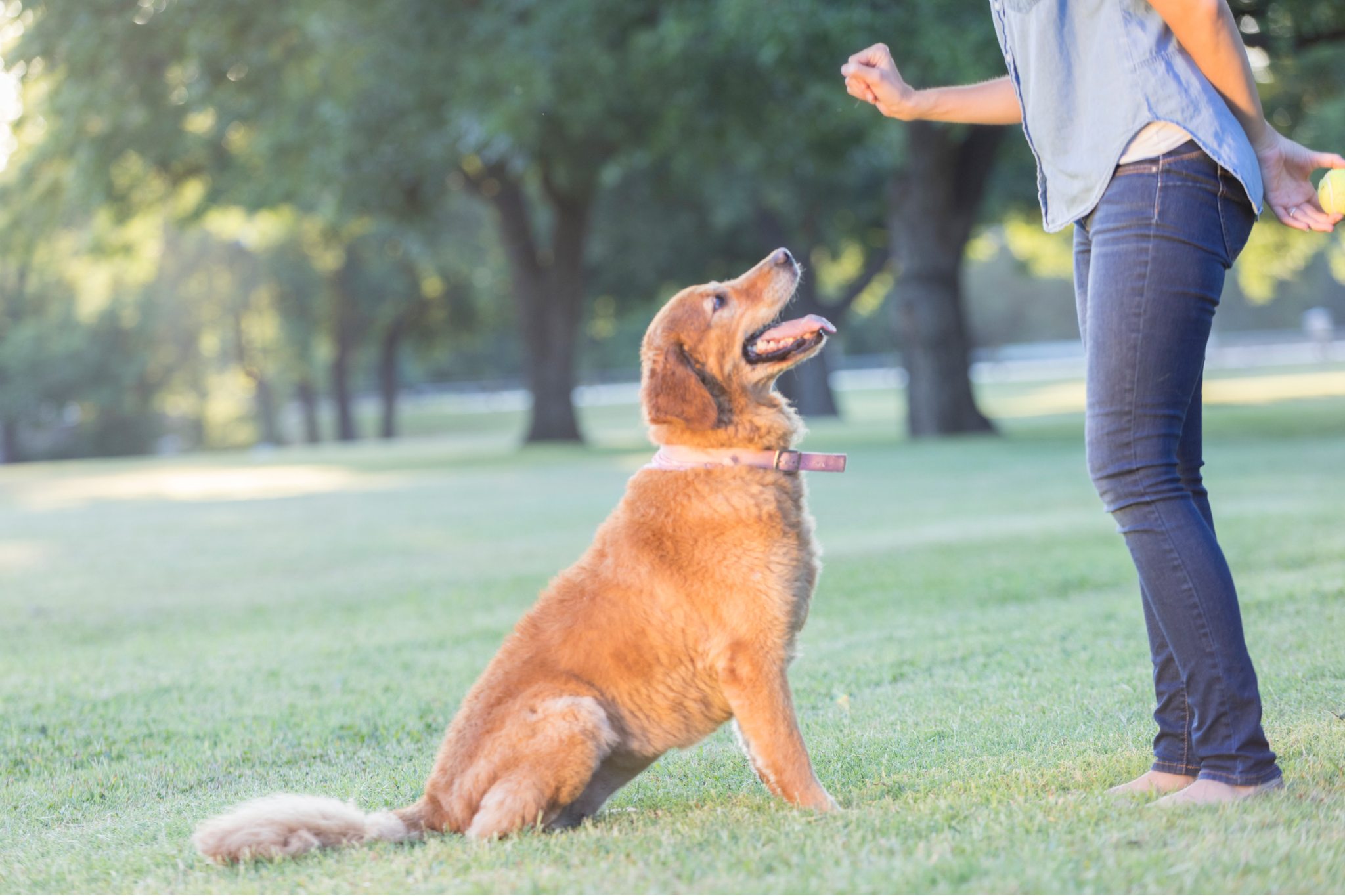
Is your dog engaging in activities such as excessive barking, jumping on people, destructive chewing, pulling on the leash, aggression or reactivity, or lack of recall? If so, the cause of this behavior is most likely due to errors in your dog training techniques.
In this article, we will examine the need for dog training as well as some common mistakes in dog training techniques.

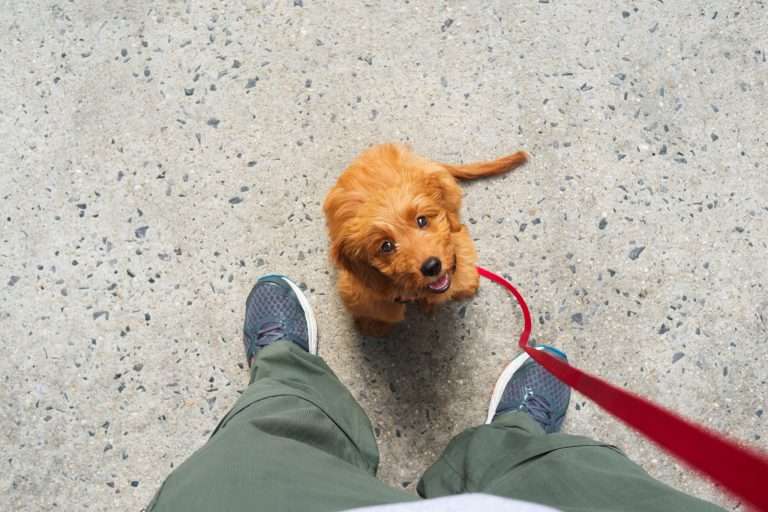
Dog training is the art of teaching dogs new skills, behaviors, and commands through effective communication and positive reinforcement. It’s a dynamic process that strengthens the bond between humans and their furry companions while promoting good behavior and obedience.
Dog training techniques can help your dog in several ways:
1. Communication: Training helps establish effective communication between you and your dog. Through training, you teach your dog cues and commands, which allows you to convey your expectations and desires. This promotes understanding and strengthens the bond between you and your furry companion.

2. Safety: Training helps keep your dog safe. Several dog training techniques give your dog a feeling of safety. When your dog understands and responds to commands like “come” or “stay,” you can prevent them from running into dangerous situations or getting into harm’s way. Training also helps with leash manners and ensures your dog walks calmly and safely beside you.
3. Behavioral Development: Many dog training techniques plays a significant role in shaping your dog’s behavior. It helps prevent or address behavioral issues such as excessive barking, jumping, chewing, or aggression. Through training, you can teach your dog appropriate behaviors and reinforce positive actions, creating a well-behaved and socially adaptable pet.
4. Mental Stimulation: Dogs are intelligent and thrive on mental stimulation. Training provides mental exercise, challenges their problem-solving abilities, and prevents boredom. Engaging your dog in training sessions stimulates its mind and prevents destructive behaviors caused by pent-up energy.
5. Socialization: Training exposes your dog to various social situations, people, and other animals. This helps them develop social skills, become well-adjusted, and feel more comfortable in different environments. Proper socialization through training leads to a confident and friendly dog.
6. Strengthening the Bond: Training creates a strong bond between you and your dog. Through positive reinforcement techniques, you build trust, establish a cooperative relationship, and enhance the mutual understanding and respect between you and your furry friend.
7. Practical Benefits: A well-trained dog is more enjoyable to have around. They are welcomed in public spaces, can participate in various activities, and can accompany you on outings. Training also facilitates easier vet visits, grooming sessions, and overall handling of your dog.
When it comes to dog training, it’s important to avoid certain mistakes that can hinder your progress and potentially create behavioral issues.
Here are five of the most common dog training mistakes:
1. Inconsistent or Lack of Dog Training: One of the biggest mistakes is being inconsistent with your training efforts or not providing any training at all. Dogs thrive on consistency and structure, so it’s crucial to establish clear rules and expectations. Training should be a regular part of your dog’s routine, reinforcing positive behaviors and discouraging negative ones.
2. Using Punishment-Based Dog training Techniques:

Resorting to punishment-based techniques, such as yelling, hitting, or using shock collars, can be counterproductive and damaging to your dog’s trust and well-being. Positive reinforcement method is a dog training technique in which rewards like ,praise, and treats, are given and they result to be more effective and build a stronger bond between you and your dog.
Learn more about positive reinforcement techniques-click here
3. Ignoring Basic Needs:

Dogs have certain needs, including physical exercise, mental stimulation, and social interaction. Neglecting these needs can lead to behavioral problems like excessive barking, digging, or destructive chewing. Make sure to provide your dog with regular exercise, engaging toys, and opportunities to socialize with other dogs and people.
4. Lack of Patience and Consistency: It takes times for the various dog training techniques to show results, and each dog learns at their own pace. It’s important to be patient and consistent throughout the training process. Rushing or becoming frustrated can confuse and hinder progress. Remember to break down commands into small steps, reward small achievements, and gradually increase the difficulty level.
5. Failing to Identify and Address Behavioral Issues:
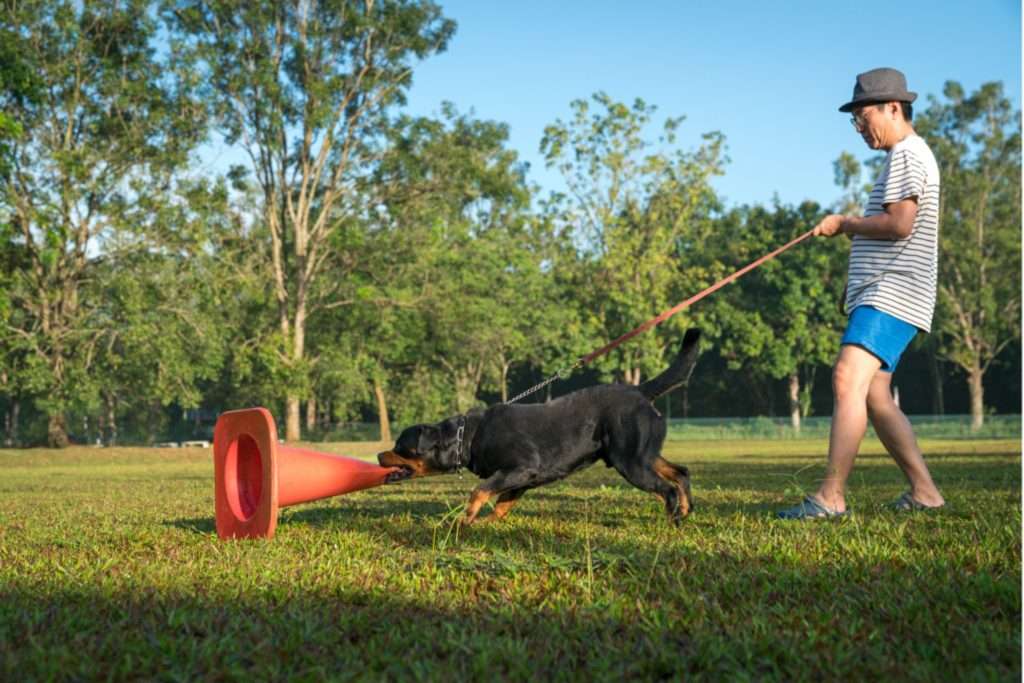
Sometimes, dog owners overlook or dismiss early signs of behavioral issues, hoping they will resolve on their own. This mistake can lead to the problem worsening over time. It’s crucial to identify and address any behavioral problems promptly. Seeking professional help from a dog trainer or behaviorist can provide guidance and support in managing and modifying unwanted behaviors.
Every dog is different and has its own time and dog training techniques –Click here to learn more about various dog breeds.
By avoiding these common mistakes, you can create a positive and effective training environment for your dog, promoting good behavior and a strong bond between you and your furry friend. Remember, patience, consistency, and positive reinforcement are key elements for successful dog training.
In conclusion, dog training is an essential aspect of responsible pet ownership. It helps establish clear communication, ensures the safety of your dog, shapes their behavior, provides mental stimulation, enhances socialization, strengthens the bond between you and your dog, and offers practical benefits in daily life. However, it’s important to avoid common training mistakes such as inconsistency, punishment-based techniques, neglecting basic needs, lack of patience and consistency, and failing to address behavioral issues.
By understanding these mistakes and adopting positive reinforcement methods, providing proper exercise and mental stimulation, and seeking professional help when needed, you can create a harmonious and fulfilling training experience for both you and your dog. Remember, training is a journey that requires patience, understanding, and a commitment to building a strong and positive relationship with your furry companion.