When to begin puppy training: A Comprehensive Guide


Embarking on the journey of puppy training is like setting sail on a thrilling adventure with your four-legged companion. Just as a ship’s maiden voyage sets the course for its future, the early days of puppy training shape the behavior and personality of your puppy. Whether you’ve welcomed a boisterous Labrador, a brilliant Poodle, or a loyal German Shepherd into your home, this guide is your treasure map to successful puppy training. Join us as we navigate the seas of socialization, chart the course of obedience, and explore the delightful islands of positive reinforcement.
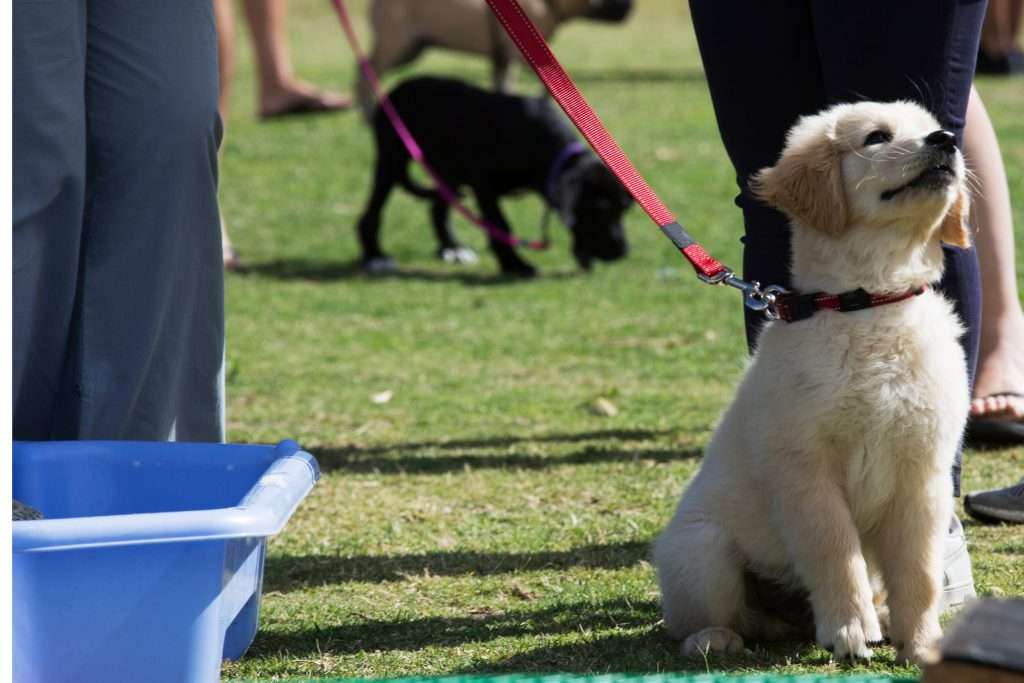
Get ready to unleash the joy of learning, tail wags, and shared triumphs as we dive into the art of nurturing a lifelong bond with your furry first mate!

Starting to train your puppy is an important and exciting process that sets the foundation for a well-behaved and happy adult dog. The timing for puppy training depends on several factors, including their age, breed, and developmental stage. Here’s a comprehensive guide to help you determine when and how to start training your puppy
1. Age Considerations in puppy training :
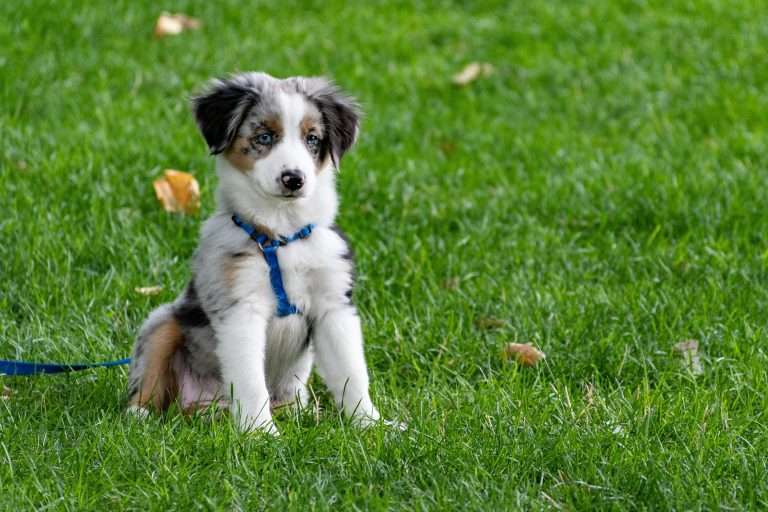
a. Early Socialization (8-16 weeks): The critical socialization period for puppies is between 8 and 16 weeks of age. During this time, they are most receptive to new experiences, people, animals, and environments. It’s crucial to expose your puppy to various situations, places, sounds, and people to help them develop confidence and reduce the risk of fear or aggression later in life.
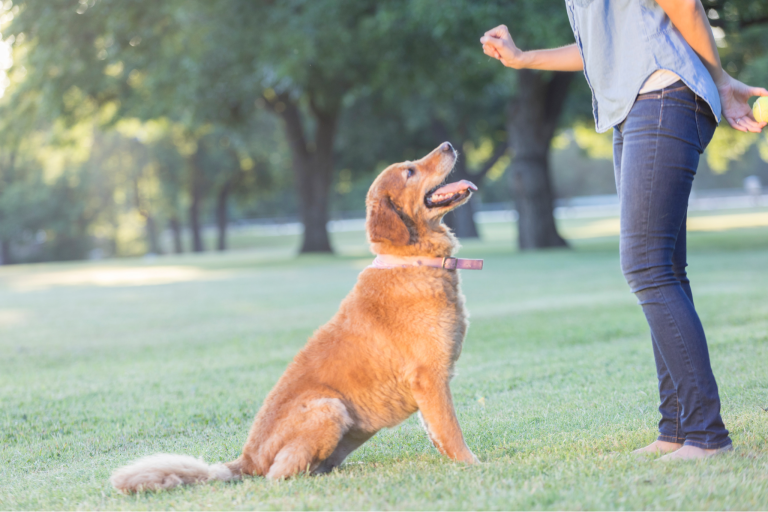
b. Basic Obedience (3-6 months): As your puppy reaches 3 to 6 months of age, you can start introducing basic obedience commands like “sit,” “stay,” “come,” and “down.” Keep training sessions short, fun, and positive, and use treats, toys, or praise as rewards.
c. Adolescence (6-12 months): Puppies enter their adolescent stage around 6 months of age and may become more independent and challenging. Consistency and patience are key during this stage. Continue working on obedience and reinforce good behaviours.
2. Breed Considerations:
Different breeds mature at different rates and have varying levels of energy and drive. Some breeds may be ready to start puppy training earlier, while others might benefit from more time for physical and mental development. Research your specific breed to understand their characteristics and needs.
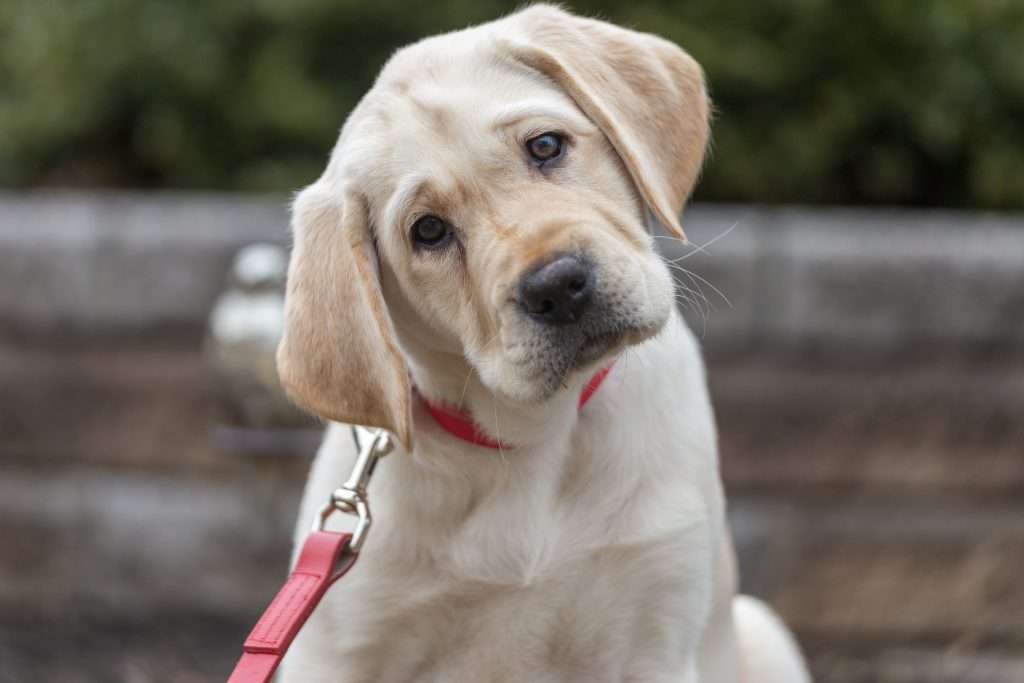
- Friendly and eager to please.
- Early socialization and basic obedience training.
- Positive reinforcement with treats and play.
- Emphasize retrieving activities.
- Regular exercise to prevent boredom.
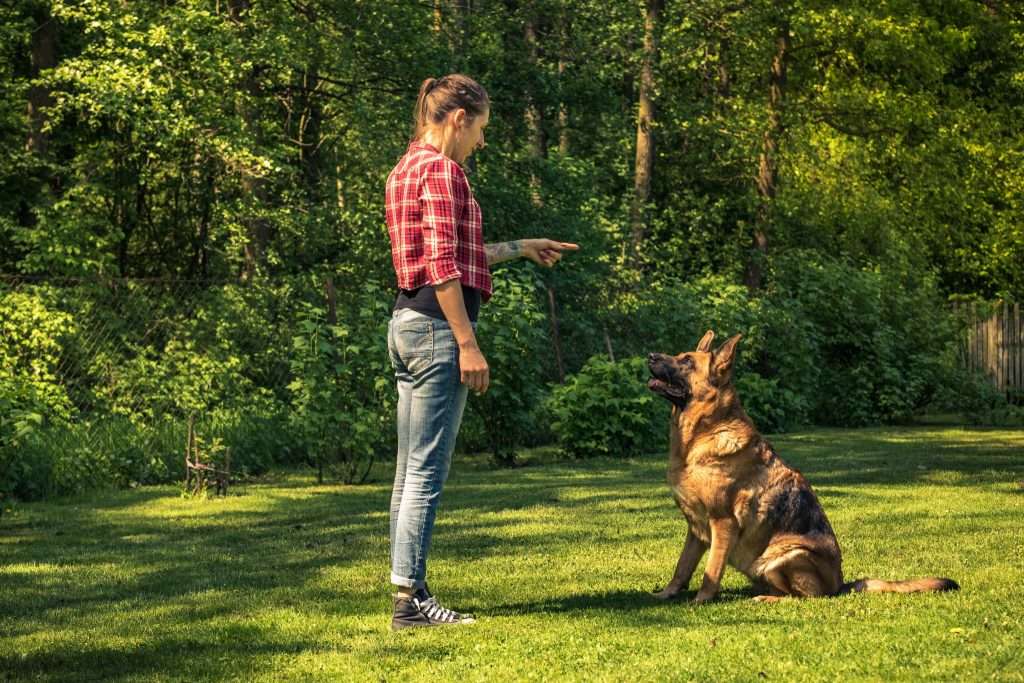
- Intelligent and loyal.
- Early socialization and obedience training.
- Provide mental challenges and tasks.
- Establish strong leadership.
- Channel guarding instincts appropriately.
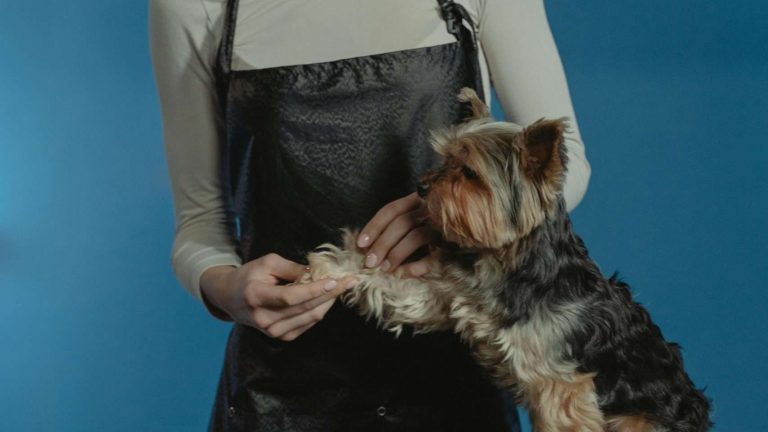
Poodle:

- Highly intelligent and versatile.
- Varied training activities (tricks, agility, grooming).
- Early grooming introduction.
- Socialize and expose to different situations.
- Positive reinforcement and praise.
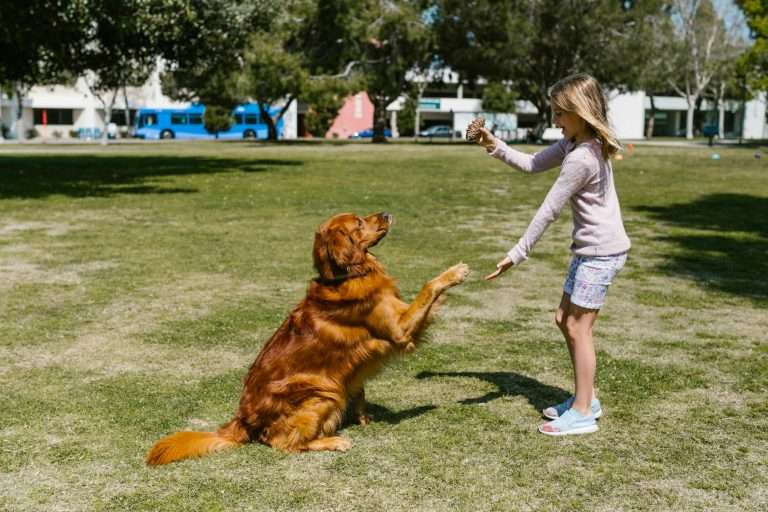
Golden Retriever:
- Gentle and devoted.
- Early socialization and basic commands.
- Leverage their retrieve instinct.
- Positive reinforcement with treats and praise.
- Adequate physical and mental exercise.
3. Training Techniques:
a. Positive Reinforcement: Use positive reinforcement techniques, which involve rewarding your puppy for good behavior with treats, praise, or toys. This encourages them to repeat desirable actions.

b. Consistency: Consistency is essential in training. Use the same cues and rewards each time and ensure all family members follow the same training approach.
c. Patience: Puppies are learning, and they will make mistakes. Be patient and avoid punishment-based training methods, as they can lead to fear and aggression.
d. Gradual Progression: Start with simple commands and gradually build up to more complex tasks as your puppy learns and matures.
4. Professional Help:
If you’re unsure about how to start puppy training or if you’re experiencing difficulties, consider seeking help from a professional dog trainer or behaviourist. They can provide personalized guidance and support based on your puppy’s individual needs.
5. Lifelong Learning:
Puppy training is an ongoing process that continues throughout their life. After the initial training stages, it’s important to continue reinforcing learned behaviours and introducing new challenges to keep their minds active and engaged.
Remember that every puppy is unique, and there’s no one-size-fits-all approach to training. Tailor your training efforts to your puppy’s personality, needs, and developmental stage for the best results. The key is to start early, be patient, and enjoy the journey of bonding and teaching your new furry friend.
![Hand Signals for Dogs: Your Ultimate Guide[2024]](https://100dogbreeds.com/wp-content/uploads/2024/07/hand-signals-for-dogs-768x512.jpg)