Understanding Allergies in Dogs: Symptoms and Treatments


Our lovable dogs can sometimes suffer from allergies that affect their well-being. Pet owners must understand the symptoms and available treatments to ensure their four-legged family members lead happy, healthy lives. In this comprehensive guide, we’ll delve into the world of allergies in dogs, shedding light on how to identify common symptoms and exploring a variety of effective treatments to alleviate your dog’s discomfort. By the end, you’ll be well-equipped to keep your furry buddy wagging their tail with joy and free from the grip of allergies.
Types of Allergies in Dogs
Allergies in dogs can be categorized into three primary types, each with its unique triggers and manifestation

Flea Allergies: Dogs can be hypersensitive to flea bites, causing an allergic reaction that results in intense itching, inflamed skin, and discomfort.
Food Allergies: Certain ingredients in dog food, such as beef, chicken, wheat, or corn, can trigger allergies, leading to gastrointestinal issues and skin problems.
Environmental Allergies (Atopic Allergies):

Allergies in dogs are often caused by airborne allergens like pollen, dust mites, and mould. They commonly manifest as skin itching, ear infections, and respiratory symptoms.
Allergy Symptoms in Dogs
Identifying the symptoms of allergies in dogs is crucial for timely intervention:

Skin Issues: Allergic reactions often lead to symptoms such as itching, redness, inflamed skin, and hot spots. Dogs may excessively scratch, lick, or chew their skin, potentially resulting in hair loss and secondary skin infections.
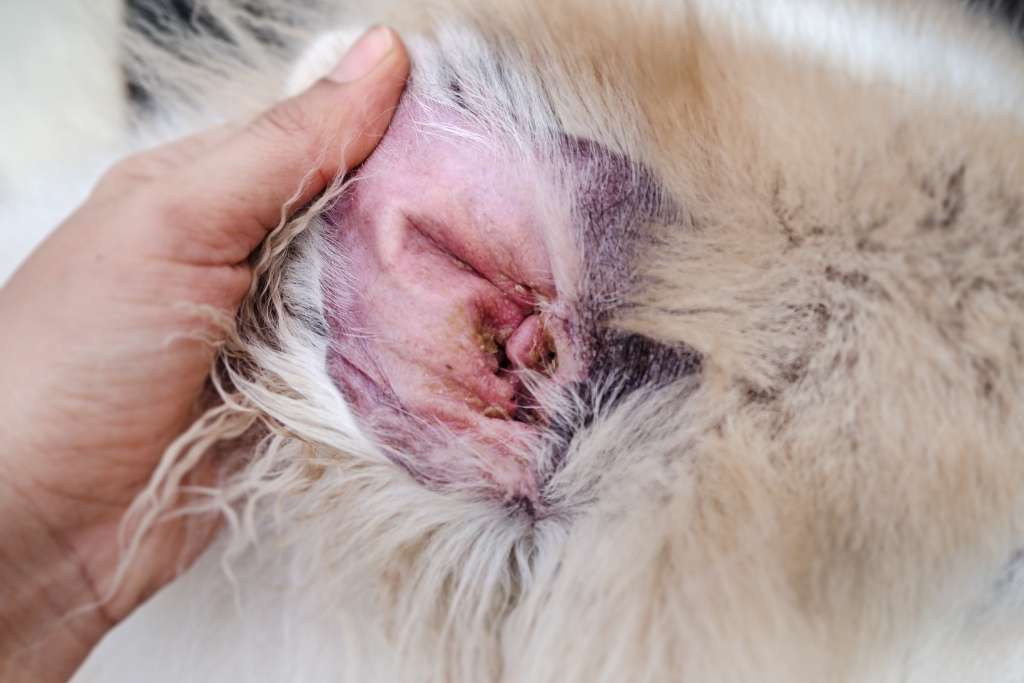
Ear Infections: Allergies, particularly environmental ones, can lead to ear infections, characterized by ear scratching, head shaking, and a foul odour emanating from the ears.
Gastrointestinal Symptoms: Food allergies can cause vomiting and diarrhoea. Persistent gastrointestinal distress may indicate a food allergy, necessitating dietary adjustments.
Respiratory Symptoms: Dogs with environmental allergies may exhibit respiratory signs, including sneezing, coughing, and nasal discharge. Severe cases may result in breathing difficulties.
Dog Allergy Treatments
Effectively managing your dog’s allergies involves several treatment options:
Identify and Remove Allergens: Whenever possible, pinpoint and eliminate the allergen source. Flea allergies require strict flea control measures, while food allergies demand collaboration with your veterinarian to determine and remove allergenic foods. For environmental allergies, reduce exposure by keeping your dog indoors during peak allergy seasons and using air purifiers.
Medications: Veterinary-prescribed medications can help control allergy symptoms. These may include antihistamines, corticosteroids, or immune modulators. Always follow your vet’s recommendations and never administer medication without professional guidance.

Allergy Testing: Allergy testing, such as skin or blood tests, can help identify specific allergens. This information can be used to create desensitization treatments or recommend avoidance strategies.
Hyposensitization (Allergy Shots): For environmental allergies, veterinarians may suggest hyposensitization therapy, a process involving controlled exposure to allergens to build tolerance over time.
Topical Treatments: Specialized shampoos, creams, and ointments can help soothe skin issues and alleviate allergy-related symptoms.
Dietary Changes: For food allergies, your vet may recommend a hypoallergenic or limited-ingredient diet formulated to minimize allergenic ingredients.
Supplements: Supplements, like omega-3 fatty acids, can support skin and coat health in dogs with allergies.
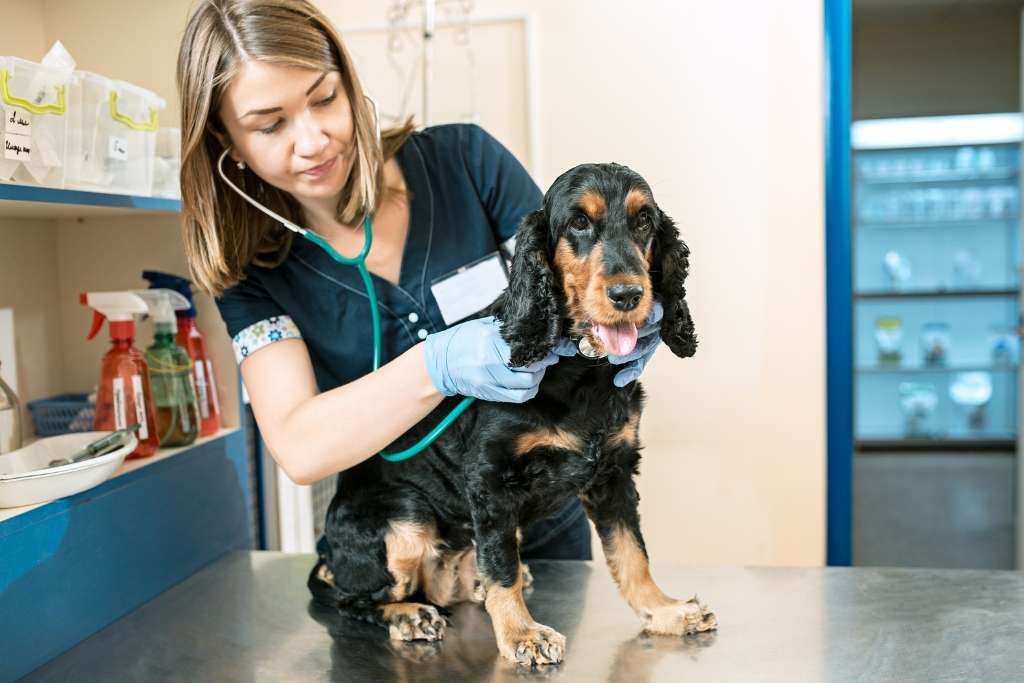
Regular Vet Checkups: Routine monitoring and follow-up appointments with your veterinarian are essential to ensure your dog’s allergies are effectively managed.
Managing Allergies in Dogs
Beyond treatment, consider these strategies for comprehensive allergy management:
Preventing Allergies: Some allergies can be prevented. For example, regular flea control can minimize the risk of flea allergies. Consult your vet for advice on allergy prevention.
Allergy-Proofing Your Home: Reduce allergen exposure by keeping your home clean and free from potential triggers. Vacuum regularly, wash bedding, and consider air purifiers.
Creating a Holistic Care Plan: Collaborate with your veterinarian to create a holistic care plan tailored to your dog’s specific needs. This plan may include a combination of treatments, lifestyle adjustments, and dietary changes.
Conclusion
Understanding and managing allergies in dogs are essential for ensuring their comfort and well-being. By recognizing the types of allergies, identifying symptoms, and implementing appropriate treatments and management strategies, you can help your canine companion lead a happier and healthier life. Always consult your veterinarian for personalized guidance on your dog’s allergy management. With proper care and attention, most dogs with allergies can enjoy a high quality of life.