How to Choose a Second Dog – 10 Important Factors

Bringing home a second dog can be a beautiful experience – for you, your existing pet, and the new companion. But to ensure it’s a happy addition and not a disruptive decision, you need to approach the process thoughtfully. This guide explores everything you should consider when thinking about how to choose a second dog, from assessing your lifestyle and finances to picking the right size, breed, temperament, and preparing for introductions.
1. Evaluate Your Readiness

Before getting swept away by cute adoption profiles or puppy eyes, ask yourself some serious questions. Adding another dog means double the commitment, responsibility, and expense.

- Finances: Vet bills, food, grooming, vaccinations, and emergencies all add up. Can you comfortably support two dogs?
- Time: Do you have enough hours in the day to walk, train, and bond with both dogs? Remember, training a new dog is like starting from scratch.
- Long-term plans: Are you planning to have children soon? Move homes? Change careers? Life transitions can affect your capacity to care for another pet.
- Household consensus: Is everyone in your home on board? A second dog changes household dynamics; make sure all voices are heard.
Being realistic here is crucial. Wanting another dog isn’t enough—you must be ready to provide a stable, loving environment for two.
2. Assess Your Current Dog
When thinking about how to choose a second dog, your current dog is your starting point. Their personality, health, age, and social tolerance matter greatly in your decision.
- Training and behavior: Is your dog housebroken and responsive to basic commands like “sit,” “stay,” and “come”? A second dog will likely follow the first one’s behavior—good or bad.
- Sociability: How does your dog interact with others at the park, on walks, or in doggy daycare? If your dog has shown aggression or high anxiety around other dogs, it might not be the right time to add another.
- Energy level: A hyper young dog might overwhelm an elderly one. A calm couch potato may not appreciate a bouncing puppy shadowing them.
Matching energy levels and social habits can make or break your multi-dog household.
3. Gender Matters (Sometimes)
There’s no universal rule, but many experts recommend pairing opposite-sex dogs. That means, if your current dog is female, a male companion may be a smoother fit.
Why? In canine social structures, having one male and one female tends to create balance. Dogs of the same sex, especially two females, are more likely to compete for dominance.
That said, plenty of same-sex dog pairs live peacefully. If you’re wondering how to choose a second dog and gender compatibility is on your mind, observe how your current dog interacts with male vs. female dogs. It can offer helpful insight.
4. Age: Puppy or Adult?
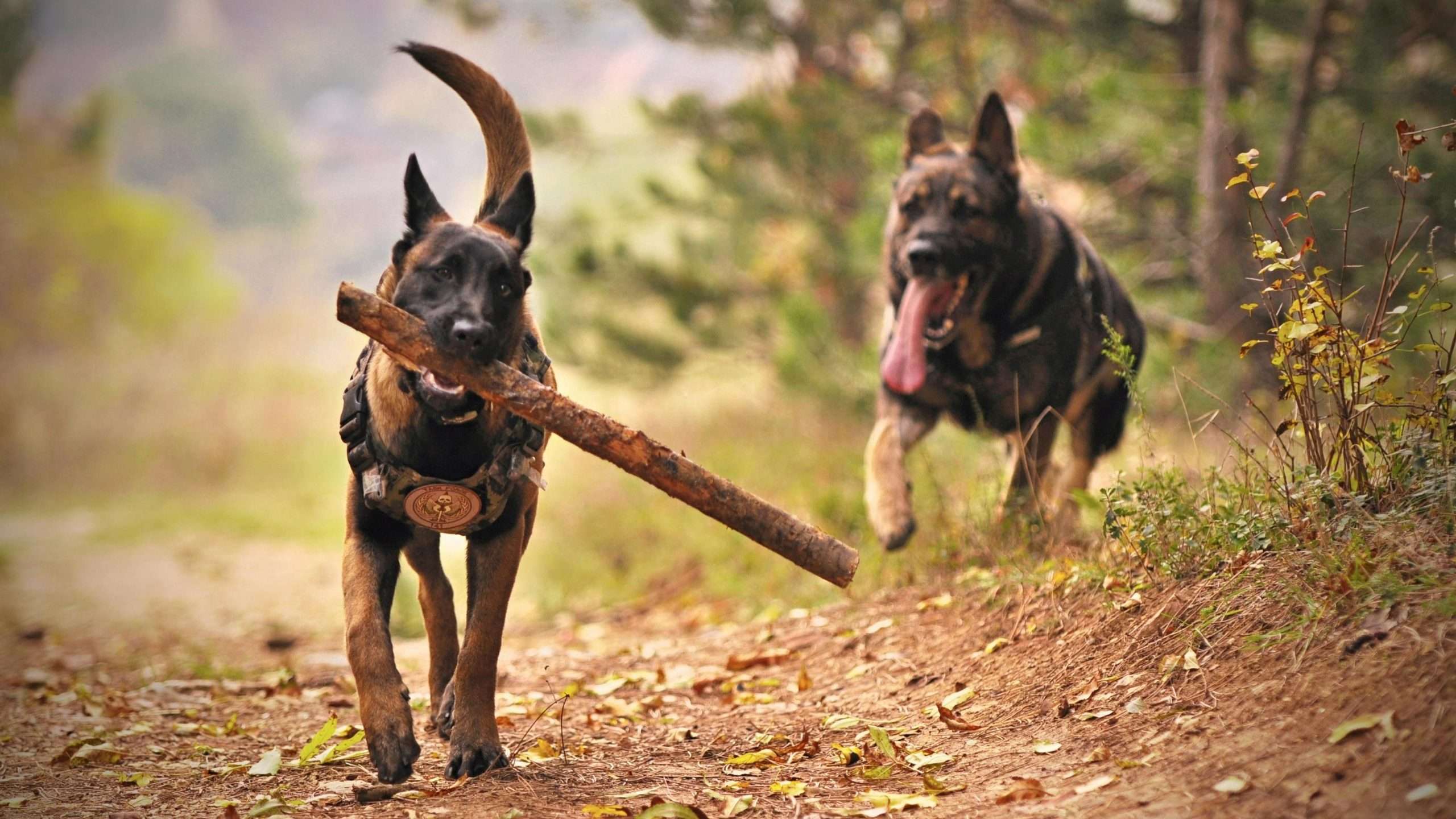
The age of your current dog should guide your choice. Here’s why:
- Puppies need training, attention, and supervision. They chew, they potty indoors, and they look for constant interaction. If your existing dog is elderly or dealing with medical issues, a puppy might not be ideal.
- Two young dogs close in age can bond beautifully, but can also fuel each other’s mischief.
- An adult dog is often a more relaxed addition and may already be house-trained.
Ideally, aim for a small age gap—where one dog can guide the other, but neither is too overburdened or incompatible.
5. Size and Physical Compatibility
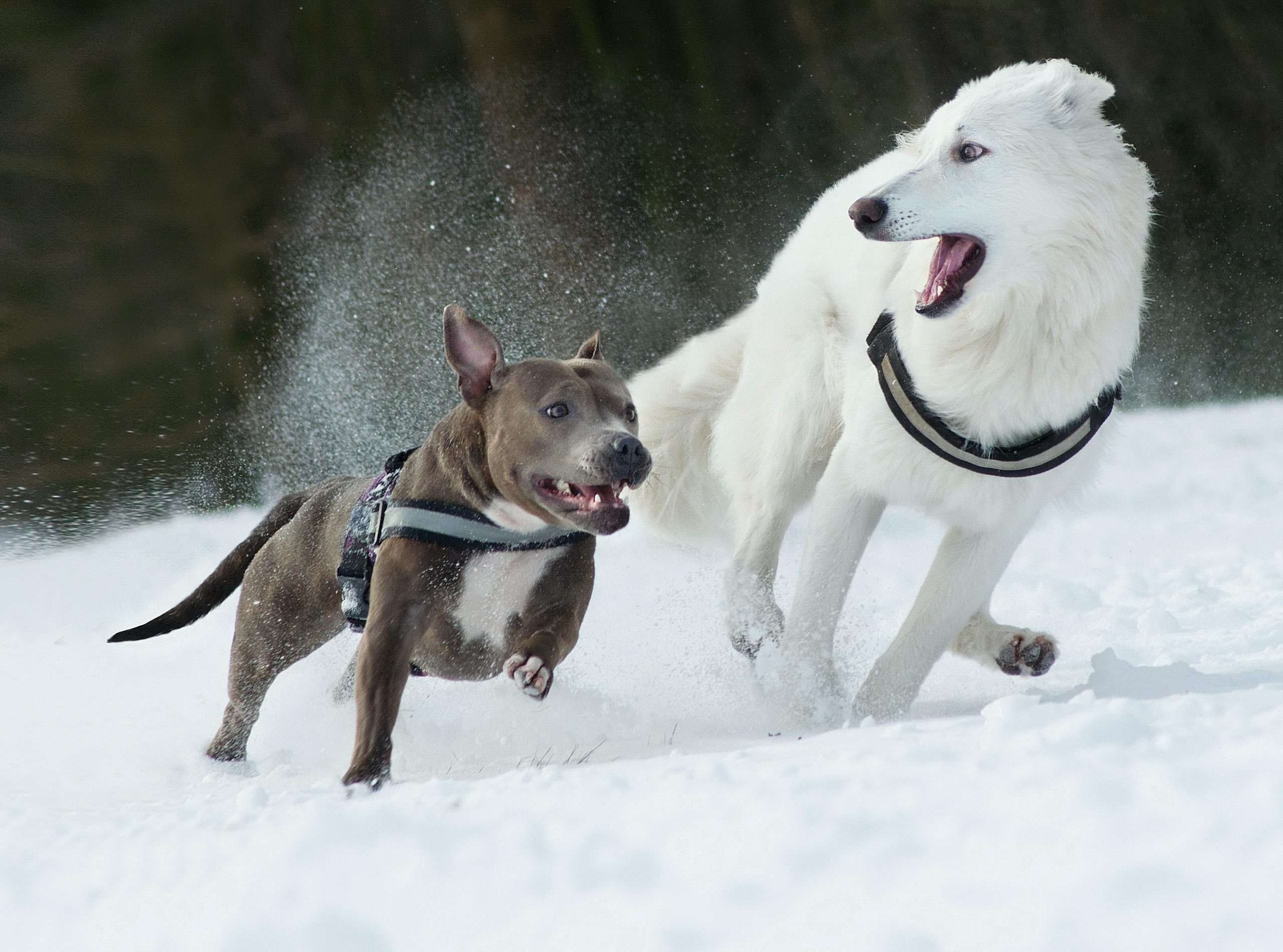
While some big dogs adore tiny companions and vice versa, large size differences can be risky during play, especially when one dog is still learning boundaries.
If you’re debating how to choose a second dog, consider:
- Does your current dog feel nervous or overly excited around larger/smaller breeds?
- Is your home large enough for two large breeds or better suited for small-to-medium dogs?
- Do your current dog’s playmates suggest a size preference?
Ultimately, it’s about physical safety and play style compatibility more than matching dimensions.
6. Breed and Temperament Compatibility
Don’t fixate solely on breed—it’s temperament and energy levels that matter most. But breed tendencies can give clues.
- High-energy breeds (like Border Collies or Huskies) do best with similarly active companions.
- Laid-back dogs (like Basset Hounds or Bulldogs) may be overwhelmed by high-drive dogs.
- Terriers or prey-driven breeds might not tolerate smaller dogs well.
- Social breeds (like Labradors, Golden Retrievers) are usually easier to pair.
Instead of asking “What breed should I get?” shift your mindset to “What kind of dog would get along with my dog?” That’s the heart of how to choose a second dog wisely.
7. Consider Rescue, Shelter, or Breeder Carefully
- Shelters and rescues often assess their dogs for compatibility with other pets and can recommend candidates suited to your home.
- Reputable breeders may also raise puppies in home settings and observe their personalities closely.
- Foster-based rescues give dogs a chance to be evaluated in home environments – great for insights on how they interact with other dogs.
Wherever you adopt or buy from, honesty about your home situation (including your current dog’s temperament and your lifestyle) helps match you with the right second dog.
8. First Meetings and Introductions
No matter how much research you do, nothing replaces a real-life meet and greet. Proper introductions are essential.
- Neutral ground is best: A park or quiet sidewalk is better than your living room.
- Parallel walks: Walking the dogs near each other, gradually letting them interact, is a low-pressure way to start.
- Use a baby gate indoors initially**: Let them sniff and see each other safely.
- Watch body language: Look for relaxed postures, wagging tails, and interest without fixation.
If one dog is pushy or the other is stiff or withdrawn, slow things down. Never force interaction.
Understanding how to choose a second dog also means understanding that first impressions matter. Give them time, space, and structure to bond at their own pace.
Relatable reads:
Top 10 Tips for Raising a Healthy Puppy: A Complete Guide
9. Training and Household Integration
Even if your second dog is well-trained, routines will need to be adjusted.
- Feed separately at first to avoid food guarding.
- Train separately: Give each dog one-on-one time to build trust and skills.
- Reinforce rules consistently with both dogs.
- Avoid favoritism: Treat both equally to prevent jealousy or insecurity.
It may take a few weeks—or even months—for the dogs to settle into their rhythm. Consistency, supervision, and patience are your best tools.
10. Listen to Your Dog
Sometimes, your current dog will tell you everything you need to know.
- Do they light up around certain kinds of dogs?
- Are they calm or tense in shared spaces?
- Do they engage in play or avoid interaction altogether?
When figuring out how to choose a second dog, let your current dog help guide the decision. Their preferences matter too.
Final Thoughts on How to Choose a Second Dog
Choosing a second dog isn’t about doubling the fun – it’s about deepening your commitment. A well-matched second dog can become your current dog’s best friend and your family’s next big love. But rushing the decision can create tension and regret for everyone involved.
Take your time. Observe your current dog. Understand your household dynamics. Talk to rescue coordinators, trainers, and vets. Test the waters with trial meetings. And above all, choose a second dog based on compatibility, not impulse.
When you finally get it right, there’s nothing quite like seeing two dogs curl up together, play chase, or look out the window side by side. That’s when you’ll know you didn’t just get another pet – you built a team.
![Brushing and Combing Your Dog – All You Need to Know [2024]](https://100dogbreeds.com/wp-content/uploads/2024/06/image-8-768x512.png)

![The Ultimate First Time Dog Owner Checklist [2024]](https://100dogbreeds.com/wp-content/uploads/2024/07/first-time-dog-owner-768x512.jpg)