Obesity in Dogs: Causes and Prevention

Introduction to Obesity in Dogs
Obesity in dogs is becoming an increasing problem in the United States. An estimated 54% of dogs in the US are overweight or obese. Obesity in dogs can cause a variety of health complications and decrease a dog’s overall quality of life. Knowing what signs to look for and how to prevent obesity in dogs is essential for any pet owner.
The most common causes of obesity in dogs are an unhealthy diet, lack of exercise, and certain medical conditions. To prevent obesity, pet owners should feed their dogs a balanced diet, provide regular exercise, and work with their veterinarian to determine if any underlying medical conditions are present.


The signs of obesity in dogs include an increase in size, a decrease in mobility, difficulty breathing, and a decrease in energy levels. If owners notice these signs in their dog, they should take their pet to the veterinarian for a check-up and to discuss a weight-loss plan. Treatment of obesity in dogs typically involves dietary changes, increased exercise, and sometimes medication or supplements.
By recognizing the signs of obesity in dogs and taking proactive steps to prevent it, pet owners can keep their furry friends happy and healthy. To learn more about obesity in dogs and how to keep your pet at a healthy weight, contact your veterinarian or visit the ASPCA website for more information.
Causes of Obesity in Dogs
1. Overfeeding: Providing too many calories or the wrong type of food for your dog’s size and activity level can cause them to become overweight.
2. Lack of Exercise: Dogs need regular exercise to remain healthy and maintain a healthy weight, but if they are not getting enough physical activity, they can become obese.

3. Certain Health Conditions: Certain medical conditions such as hypothyroidism, Cushing’s disease, and arthritis can cause a dog to gain weight.
4. Genetic Predisposition: Some breeds of dogs are genetically predisposed to becoming overweight.
5. Medications: Certain medications such as steroids can cause a dog to gain weight.
6. Neutering or Spaying: Dogs that have been spayed or neutered may have a slower metabolism, which can cause them to become overweight.
Health Risks Associated with Dog Obesity
1. Increased risk of developing joint problems: Excess weight can put strain on a dog’s joints, leading to conditions such as hip dysplasia, arthritis, cruciate ligament rupture, and intervertebral disk disease.
2. Increased risk of developing diabetes: Excess fat can interfere with the body’s ability to regulate blood sugar, leading to diabetes.
3. Increased risk of developing respiratory problems: Excess fat can put a strain on a dog’s respiratory system, leading to a range of breathing difficulties.
4. Increased risk of developing heart problems: Excess weight can put a strain on a dog’s cardiovascular system, leading to a range of heart-related conditions.
5. Increased risk of developing skin problems: Excess fat can trap moisture and lead to skin irritations and infections.
6. Increased risk of developing digestive problems: Excess weight can put a strain on a dog’s digestive system, leading to a range of digestive issues.
7. Decreased lifespan: Studies have shown that obese dogs tend to have a significantly shorter lifespan than their leaner canine counterparts.
Tips for Improving and Preventing Obesity in Dogs
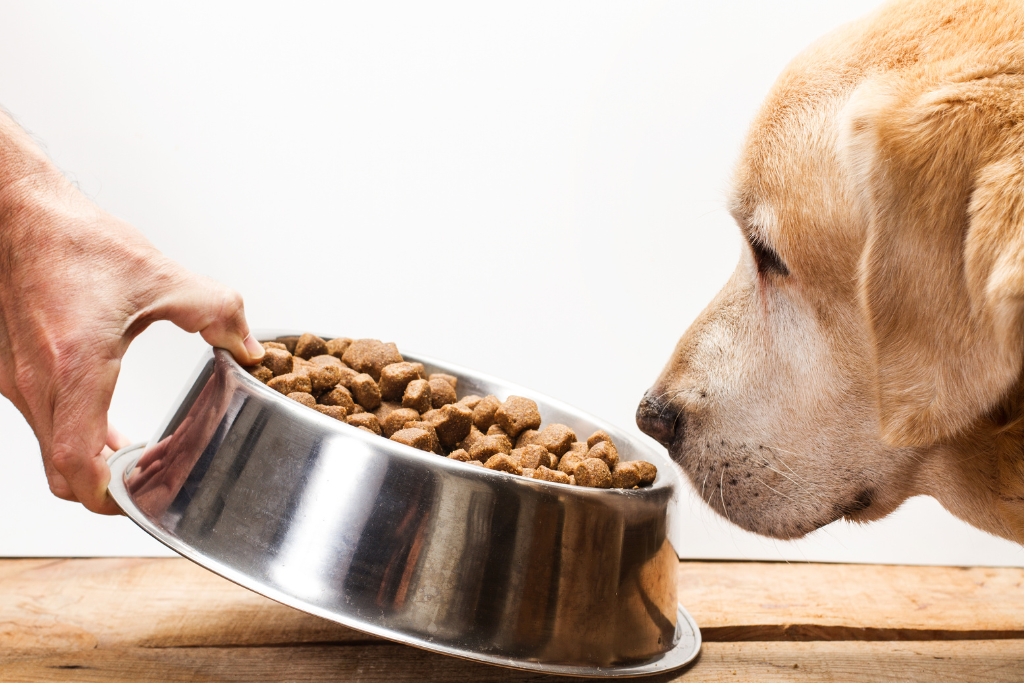
1. Feed your dog a healthy, balanced diet: Feed your dog a nutritious diet that is high in protein and low in carbohydrates and fat. Avoid processed and canned foods, as these often contain excessive amounts of fat and fillers.
2. Monitor your dog’s weight: Regularly weigh your dog to ensure they are not gaining excessive amounts of weight. If your dog does start to gain weight, adjust their diet and/or increase activity levels.
3. Make sure your dog gets enough exercise: Exercise is essential for maintaining a healthy weight and preventing obesity in dogs. Aim to provide your dog with at least 30 minutes of vigorous activity each day.
4. Limit treats and table scraps: Avoid giving your dog too many treats or table scraps, as these can quickly add up in calories. If you do give treats, use healthy options like fruits or vegetables.
5. Monitor food and water intake: Keep an eye on how much your dog is eating and drinking. If they are taking in more calories than they are burning, they will start to gain weight.
In conclusion, obesity in dogs is a pressing issue that demands our attention as responsible pet owners. The causes of canine obesity are multifaceted, including overfeeding, lack of exercise, medical conditions, genetics, medications, and spaying/neutering.
The consequences are equally complex, with obesity increasing the risk of numerous health problems and potentially shortening a dog’s lifespan. To combat this problem, we must prioritize a balanced diet, regular weight monitoring, ample exercise, cautious treatment distribution, and vigilant control of food and water intake for our beloved pets. Seeking guidance from a veterinarian is paramount when dealing with canine obesity, as they can provide tailored strategies to address the issue and ensure our dogs lead happy, healthy lives. Ultimately, the responsibility of maintaining a healthy weight for our dogs is an essential part of being a caring and committed pet owner.