The Shiba Inu Dog Breed: What to Know About the Dog Behind the Meme

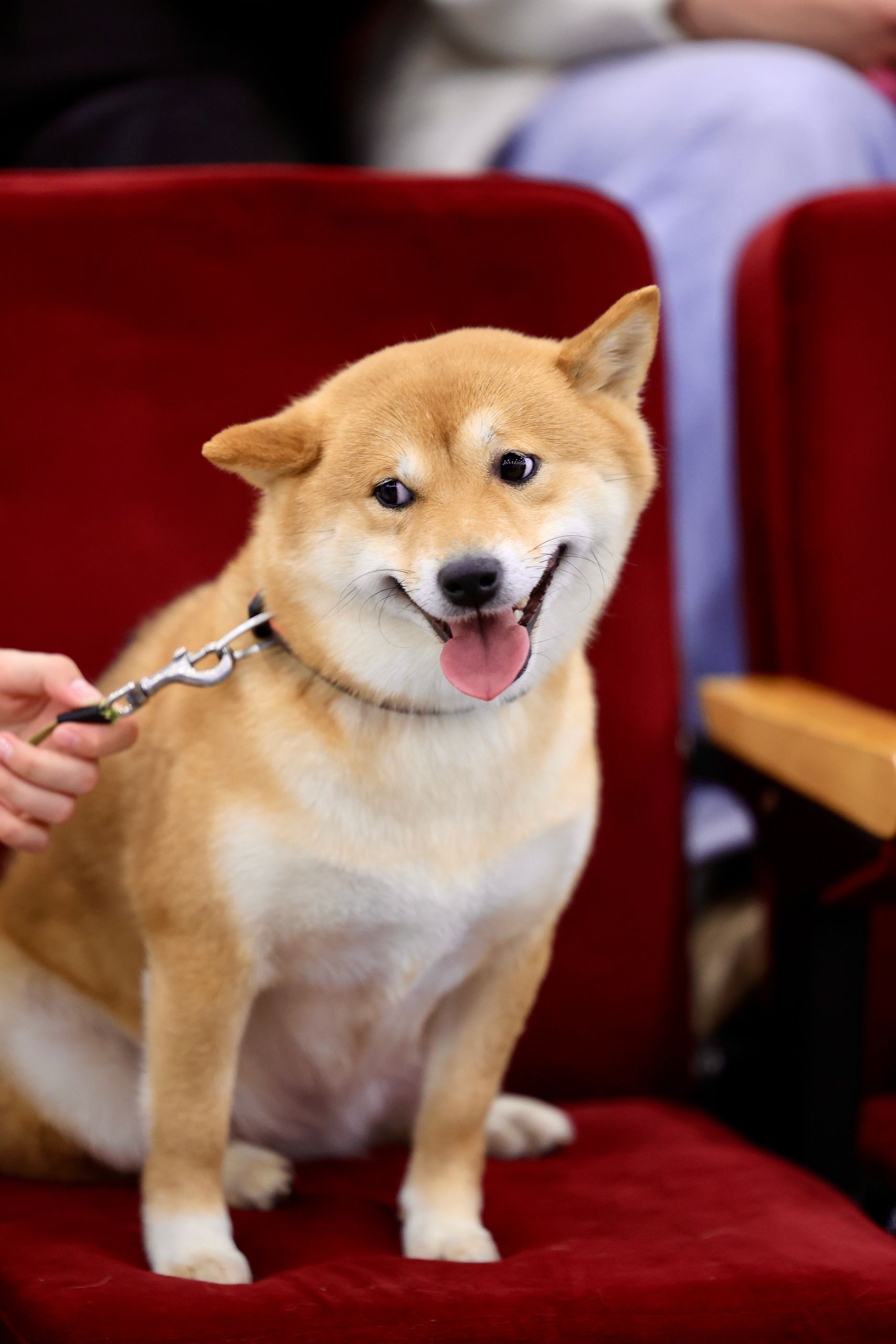
If you spend any time on the internet, you already recognize the Shiba Inu. Thanks to viral memes and cryptocurrency icons, the smiling, fox-like face of the Shiba is famous worldwide. But bringing a dog into your home requires looking past the screen.
The real Shiba Inu dog breed is much more complex than a funny picture. These are ancient Japanese hunting dogs known for their fiery intelligence, fierce independence, and undeniable loyalty. They are clean, quiet, and deeply devoted to their families, but they also have a reputation for being stubborn and difficult to train.

For first-time dog owners drawn to their adorable appearance, the reality of living with a Shiba can be a surprise. This guide covers everything you need to know about their temperament, grooming habits, and training needs so you can decide if this spirited breed is the right fit for your household.
The Origins of the Shiba Inu
The Shiba Inu is the smallest and oldest of Japan’s six original spitz breeds. Thousands of years ago, they were bred to hunt birds and small game in the rugged mountainous regions of the country. Their name translates roughly to “brushwood dog,” likely referencing the dense underbrush where they hunted or the red color of the autumn leaves that matched their coats.
By the end of World War II, the breed nearly went extinct due to food shortages and a canine distemper epidemic. Dedicated breeders worked tirelessly to revive the Shiba Inu using the few surviving bloodlines. Today, they are the most popular companion dog in Japan and hold a growing presence in homes across the globe.
Understanding this history is important for modern owners. The survival instincts, high prey drive, and alertness that made them excellent hunters are still highly active in the breed today.
Shiba Inu Appearance and Characteristics
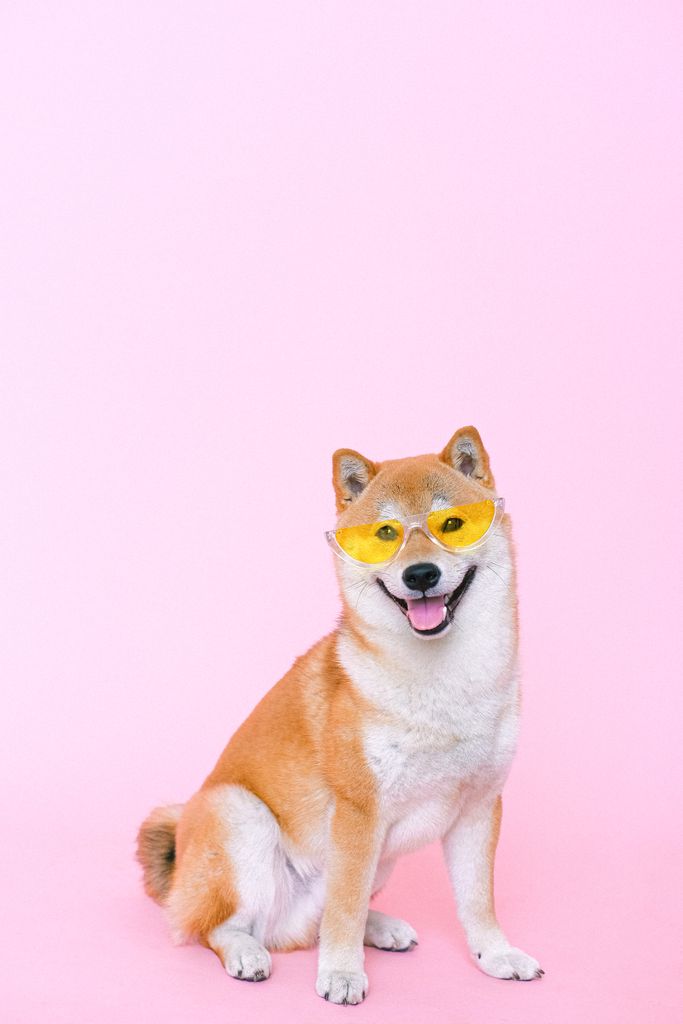
Shibas look like small foxes. They have a compact, muscular frame, erect triangular ears, and a plush tail that curls over their back. Their expressions often look bold and alert, reflecting their confident personalities.
Size and Weight
The Shiba Inu is a small-to-medium dog, making them a highly convenient size for various living situations.
- Males: Typically stand 14.5 to 16.5 inches at the shoulder and weigh around 23 pounds.
- Females: Usually stand 13.5 to 15.5 inches at the shoulder and weigh about 17 pounds.
Coat Colors
They have a thick double coat that protects them from harsh weather. You will typically see Shibas in four recognized colors:
- Red: The most common and iconic color.
- Black and Tan: A striking contrast of deep black with tan points.
- Sesame: Red hairs with black tips sprinkled evenly throughout.
- Cream: A very light, almost white color (though less preferred in formal dog shows, they make equally wonderful pets).
All Shibas, except some creams, possess “urajiro”—the distinct white markings on the sides of the muzzle, cheeks, jaw, neck, chest, and stomach.
Shiba Inu Temperament: More Than Just a Meme
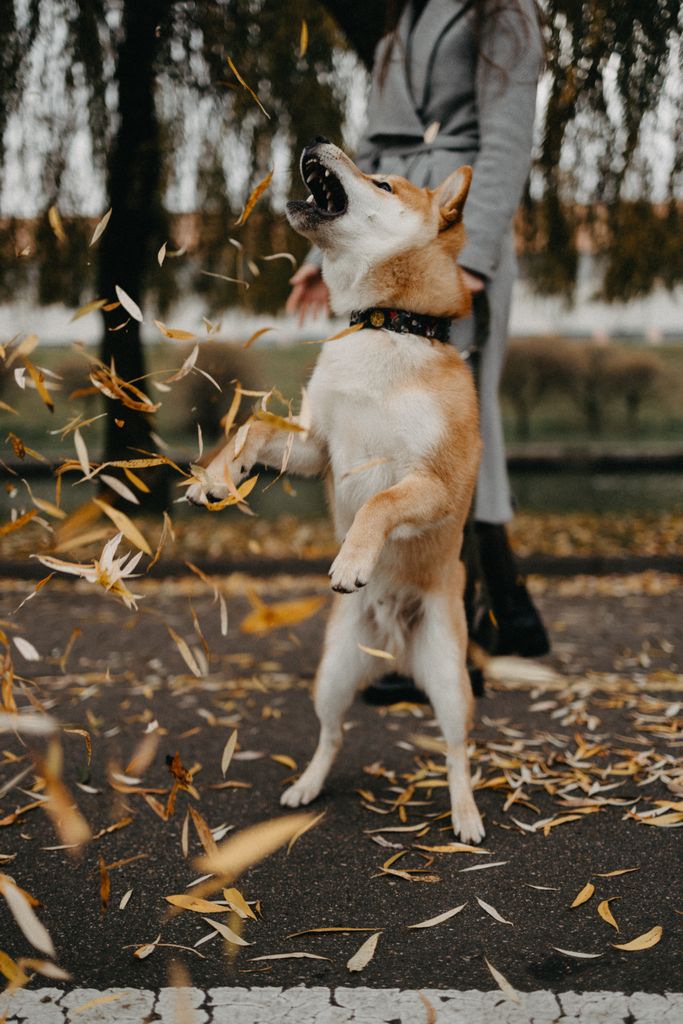
If you expect a Shiba Inu to act like a Golden Retriever, you will be disappointed. Shibas are frequently described as cat-like. They are fastidious about their cleanliness, highly independent, and prefer to interact with you on their own terms.
They form incredibly strong bonds with their families but are often aloof or suspicious of strangers. A Shiba Inu will happily guard your living room window and alert you to any unusual activity outside. They are not naturally overly affectionate dogs that demand constant cuddling, though they do want to be in the same room as their favorite people.
You might also encounter the infamous “Shiba Scream.” This is a loud, high-pitched vocalization the dog produces when they are unhappy, anxious, or sometimes just overly excited. They are quick to express their displeasure if they are forced to do something they dislike, such as getting their nails trimmed or taking a bath.
Are Shiba Inus Good for First-Time Owners?
The short answer is that the Shiba Inu dog breed is challenging for beginners. However, a dedicated first-time owner can absolutely succeed if they are prepared to put in the work.
The Challenges for Beginners
First-time owners often struggle with the Shiba’s stubbornness. Because they are so intelligent and independent, a Shiba needs to see the point of a command before choosing to obey it. They also have an intense prey drive. If they see a squirrel or a bird, they will chase it, meaning they can rarely be trusted off-leash in an unfenced area.
How to Succeed as a Beginner
If you are set on getting a Shiba as your first dog, preparation is your best tool.
- Enroll in training early: Puppy socialization and obedience classes are non-negotiable.
- Be consistent: Shibas will take advantage of inconsistent rules. If they are not allowed on the couch on Tuesday, they cannot be allowed on the couch on Wednesday.
- Patience is key: Frustration will only make a Shiba dig their heels in further. You must remain calm and assertive.
Exercise and Living Requirements
Despite their small size, Shibas are energetic and athletic dogs. They require daily physical and mental exercise to stay happy and prevent destructive behaviors from forming.
Expect to provide your Shiba with at least an hour of exercise every day. This can be split into a long morning walk and an evening stroll, supplemented by playtime in a secure area. They excel at agility courses, hiking, and scent work, which are great ways to burn off their mental energy.
Apartment Living vs. Houses
Shibas can adapt surprisingly well to apartment living. They are naturally quiet dogs indoors and spend a lot of time lounging, provided their exercise needs are met outside.
However, if you have a house with a yard, ensure your fences are secure. Shibas are notorious escape artists. They can dig under loose fencing, squeeze through small gaps, and even climb chain-link fences if motivated enough.
Training a Shiba Inu
Training a Shiba Inu requires a sense of humor and plenty of high-value treats. Traditional, heavy-handed training methods will backfire with this breed. If you use punishment or force, a Shiba will shut down, lose trust in you, and potentially become aggressive.
Instead, rely on humane, reward-based training. Positive reinforcement works best because it convinces the dog that obeying your command is highly beneficial to them.
Socialization is Critical
Early socialization is the most important part of raising a Shiba puppy. Expose them to different people, sights, sounds, and other dogs while they are young. Proper socialization helps prevent their natural wariness of strangers from turning into fear or aggression.
The Off-Leash Reality
Never trust a Shiba Inu off-leash outside of a securely fenced area. Their recall is notoriously unreliable. Even a perfectly trained Shiba will likely ignore a “come” command if a rabbit runs across their path. Keep them leashed for their own safety.
Grooming and Coat Care
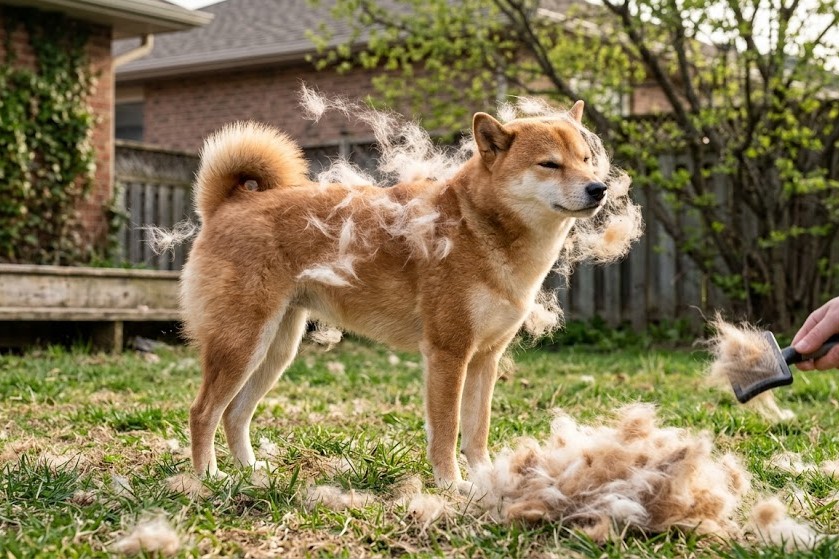
Shibas are naturally clean dogs that rarely have a doggy odor. They groom themselves much like cats do, meaning they rarely need baths. Over-bathing can actually strip their coat of its natural oils, leading to dry, itchy skin.
However, be prepared for shedding.
- Routine Shedding: They shed moderately throughout the year. A quick brush once or twice a week is usually enough to keep loose hair under control.
- Blowing Coat: Twice a year, typically in the spring and fall, a Shiba will “blow” their undercoat. During this two-to-three-week period, they shed heavily. You will need to brush them daily with a slicker brush or undercoat rake to manage the sheer volume of fur.
Pay close attention to their nails. Shibas famously hate having their paws touched. Desensitize them to nail clippers or grinders from a very young age to avoid stressful wrestling matches later in life.
Common Health Considerations
The Shiba Inu is a sturdy and generally healthy breed with a lifespan of 13 to 16 years. However, like all purebred dogs, they are prone to certain genetic conditions.
If you are buying a puppy, only work with responsible breeders who perform health screenings on their breeding dogs. Common health issues to watch for include:
- Allergies: Shibas are highly prone to environmental and food allergies, which often manifest as itchy skin and hair loss.
- Patellar Luxation: A condition where the kneecap slips out of place. This can range from mild to requiring surgery.
- Eye Conditions: Glaucoma and cataracts can affect the breed.
- Hip Dysplasia: While more common in large dogs, Shibas can also suffer from this malformation of the hip joint.
Always consult your veterinarian for routine checkups and guidance on maintaining your dog’s long-term health.
Frequently Asked Questions
Are Shiba Inus aggressive?
A well-bred and properly socialized Shiba Inu is not naturally aggressive. However, they are territorial and can be reactive if they feel threatened or if their boundaries are not respected. Early socialization and positive training are vital to raising a well-adjusted dog.
Do Shiba Inus bark a lot?
No, Shibas are generally quiet dogs and are not known to be nuisance barkers. They usually only bark to alert you to something specific, like a stranger approaching the door. However, they do make a variety of other noises, including grunts, yodels, and the famous “Shiba scream.”
Are Shiba Inus good with children?
Shiba Inus can live happily with children if raised with them, but they are generally better suited to homes with older, respectful kids. A Shiba will not tolerate having their ears pulled or being climbed on, so interactions with young children must always be supervised.
How much does a Shiba Inu cost?
The cost of a Shiba Inu puppy from a reputable breeder typically ranges from $1,500 to $3,000, depending on the breeder’s location and the puppy’s pedigree. You can also find Shibas through breed-specific rescues for a much lower adoption fee.
Are Shiba Inus hypoallergenic?
No, the Shiba Inu is not hypoallergenic. They have a thick double coat that sheds continuously throughout the year and heavily twice a year. If you have severe dog allergies, a Shiba is likely not the right breed for you.
Conclusion
The Shiba Inu dog breed is captivating, intelligent, and fiercely loyal to their families. While internet culture has turned them into a global meme, living with a Shiba requires real-world commitment. They are independent thinkers who need patient training, secure fences, and an owner who respects their cat-like boundaries.
If you are a first-time owner willing to put in the time for proper socialization and positive reinforcement, a Shiba can be an incredibly rewarding companion. Take the time to understand their unique personality, and you will earn the devotion of one of Japan’s most treasured national canine monuments.