7 Best Service Dog Breeds for Mobility, Medical Alert, and Psychiatric Support

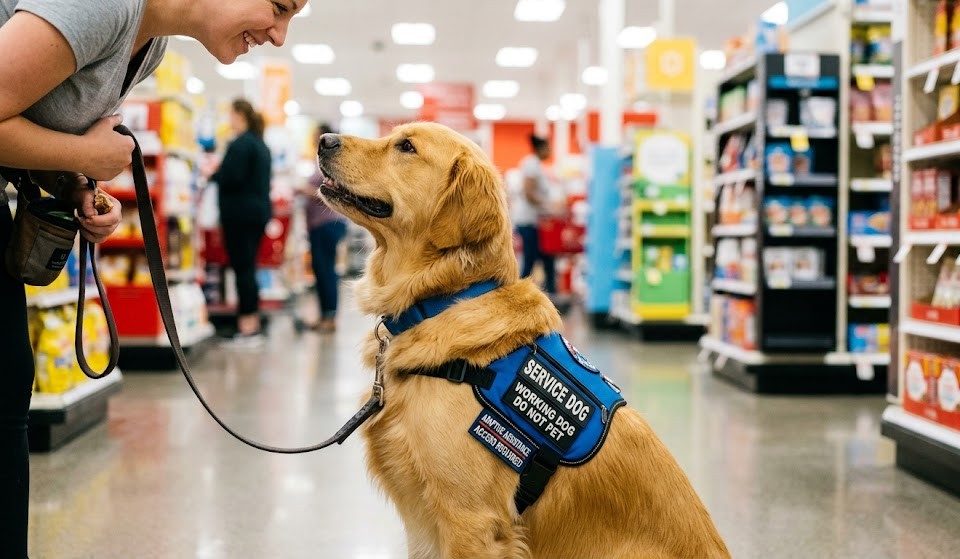
Choosing the right dog for service work is a life-changing decision. A service dog is not just a pet; they are a highly trained working partner tasked with mitigating a handler’s disability. Because this work requires a unique combination of focus, intelligence, and a calm demeanor, finding the best service dog breeds is the crucial first step for any prospective handler.
While the Americans with Disabilities Act (ADA) does not restrict service dogs to specific breeds, professional organizations consistently rely on a few specific types of dogs. These breeds have centuries of genetics behind them that favor eager-to-please attitudes, reliable temperaments, and physical soundness. Training a service dog takes roughly eighteen months to two years, and starting with a breed that has a high success rate can save you significant time, money, and emotional energy.

Whether you need a sturdy partner for mobility assistance, a keen nose for medical alerts, or a steady companion for psychiatric support, certain dogs are simply built for the job. Read on to learn what makes a successful working dog and which breeds consistently top the list for service work.
What Makes a Good Service Dog?
Not every dog has what it takes to perform public access work. Even within the most reliable breeds, individual temperament varies widely. A successful service dog must be able to focus entirely on their handler in distracting environments, from crowded grocery stores to loud public transit.
When evaluating a dog for service training, professionals look for these core traits:
- Biddability: This is a dog’s willingness to work with and take direction from a human. High biddability means the dog enjoys learning and wants to please.
- Calm Temperament: Service dogs cannot be overly reactive to sudden noises, strange objects, or unfamiliar dogs. They need a stable, resilient baseline.
- Physical Soundness: A working dog must be physically healthy enough to do their job comfortably for years. Mobility dogs, in particular, require excellent joint health and specific size ratios compared to their handler.
- Low Prey Drive: A service dog must be able to ignore squirrels, birds, and dropped food when working.
- Affectionate but Focused: They should be bonded to their handler but aloof enough to ignore strangers who try to pet them while they are working.
Top Large Breeds for Service Work
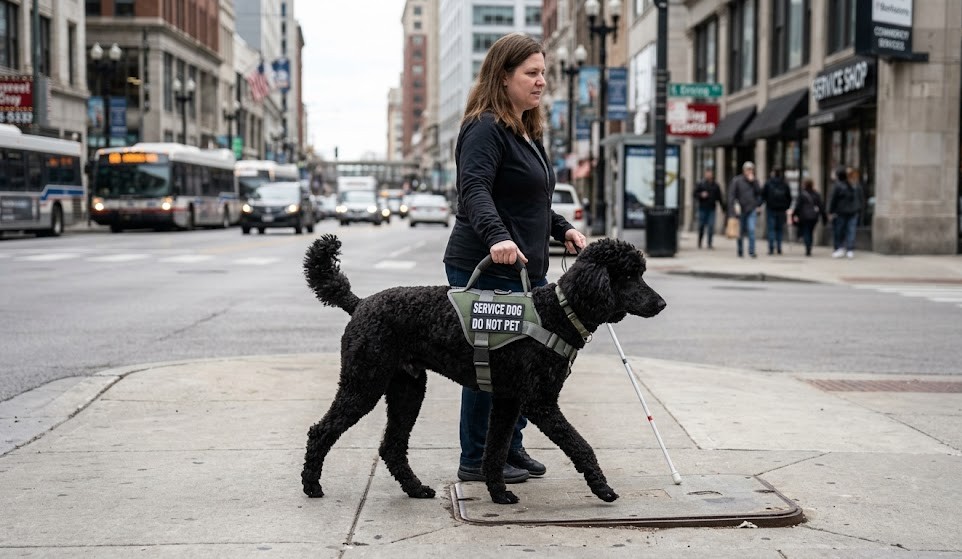
When you picture a service dog, you likely imagine one of the “Fab Four” breeds. These dogs dominate the service dog industry because they consistently pass rigorous temperament testing and have the physical size needed for a wide variety of tasks.
Labrador Retriever
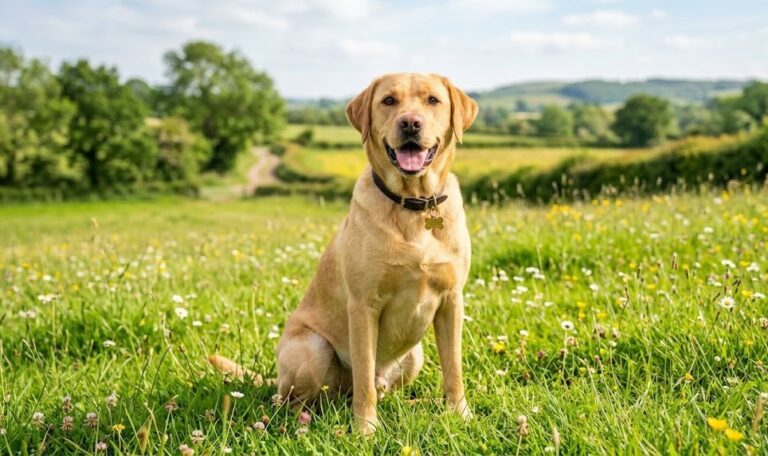
The Labrador Retriever is widely considered the gold standard for service work. Originally bred to retrieve waterfowl for hunters, Labs are incredibly food-motivated, which makes them highly responsive to positive reinforcement training.
They possess a stable, friendly temperament and bounce back quickly from stressful situations. Because they are generally sturdy and stand between 55 to 80 pounds, they are large enough for light mobility work, retrieving dropped items, and providing deep pressure therapy (DPT). Their universally recognized appearance also means handlers often face fewer public access challenges than they might with a guard-dog breed.
Golden Retriever
Closely following the Lab is the Golden Retriever. Goldens share many of the same excellent working traits as Labs, including high intelligence, a desire to please, and a gentle mouth designed for retrieving without damaging items.
Goldens are exceptionally attuned to human emotions. This sensitivity makes them spectacular candidates for psychiatric service work, autism assistance, and medical alert tasks. They are often described as slightly softer in temperament than Labs, meaning they respond best to gentle, encouraging training methods. The primary drawback of a Golden Retriever is their grooming requirement; their long double coat requires frequent brushing to manage shedding and prevent matting.
Standard Poodle
If allergies are a concern, the Standard Poodle is the premier choice. Poodles have a single coat of tightly curled hair that produces significantly less dander than double-coated breeds.
Beyond their allergy-friendly coats, Poodles are fiercely intelligent. Originally bred as water retrievers, they are highly trainable, athletic, and observant. They bond very closely with their handlers and are excellent at medical alert tasks, such as sniffing out changes in blood sugar or detecting oncoming seizures. Poodles do require professional grooming every four to six weeks to keep their coats manageable.
Rough and Smooth Collies
Collies are herding dogs with a long history of working closely with humans. They are highly intelligent, gentle, and very aware of their surroundings. This spatial awareness makes them excellent guide dogs and psychiatric service dogs.
Unlike some other herding breeds, Collies tend to have a lower drive and an off-switch, allowing them to settle quietly under a table at a restaurant or in an office. They are very sensitive to their handler’s needs and respond beautifully to positive, reward-based training.
Best Small Breeds for Service Work
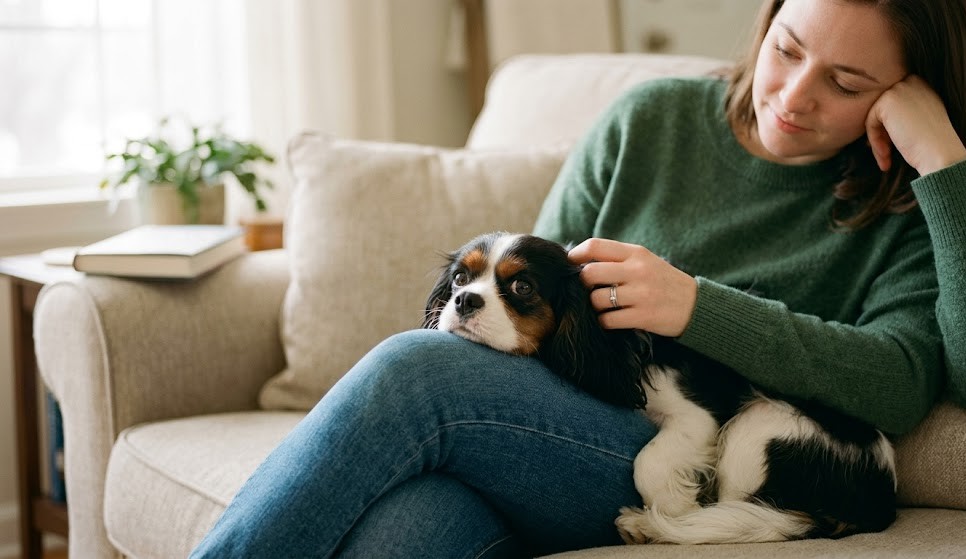
Not all disabilities require a large dog. If a handler does not need mobility assistance or heavy retrieval, a small breed can be an incredibly practical choice. Small dogs are easier to travel with, cost less to feed, and easily tuck under seats on airplanes or in restaurants.
Cavalier King Charles Spaniel
The Cavalier King Charles Spaniel was bred specifically to be a companion, and they excel at psychiatric service work and deep pressure therapy for anxiety or panic disorders. They are eager to please, very affectionate, and highly trainable. Their small size makes them portable and unobtrusive in public spaces.
However, Cavaliers do have a higher risk of certain genetic health issues, particularly heart conditions. If you are selecting a Cavalier for service work, it is vital to work with a reputable breeder who conducts thorough health testing on their breeding dogs.
Miniature Poodle
Like their larger Standard counterparts, Miniature Poodles are highly intelligent and allergy-friendly. Weighing between 10 to 15 pounds, they are an excellent size for medical alert work. Miniature Poodles are frequently trained as diabetic alert dogs (DADs) or cardiac alert dogs because their keen noses can detect chemical changes in their handler’s body. They are energetic enough to work a full day but small enough to be easily managed.
Papillon
Do not let the delicate appearance of the Papillon fool you. These tiny dogs are widely considered one of the smartest toy breeds in the world. They excel in obedience and agility, which translates perfectly into service dog task training. Papillons are alert, quick learners, and surprisingly sturdy for their size. They are excellent candidates for hearing alert dogs, trained to nudge their handler when a smoke alarm goes off, a doorbell rings, or someone calls their name.
Breeds Often Discouraged for Public Access Work
While any dog can theoretically be a service dog, some breed groups carry traits that make public access work extremely difficult.
- Guardian Breeds: Dogs bred for guarding, such as the Cane Corso or Anatolian Shepherd, are naturally suspicious of strangers. A service dog must be neutral in public. Overcoming a guardian breed’s instinct to protect you in a crowded, chaotic environment is an uphill battle that often results in the dog washing out of the program.
- High-Drive Herding Breeds: While highly intelligent, breeds like the Belgian Malinois or high-drive working-line Border Collies require an immense amount of physical and mental stimulation. They can easily become neurotic or reactive if asked to simply lay quietly under a desk for eight hours a day.
- Scent Hounds: Breeds like Beagles and Bloodhounds are ruled by their noses. Getting a hound to ignore a dropped piece of food in a grocery store requires fighting hundreds of years of genetics.
Can Mixed Breeds Be Service Dogs?
Yes, mixed breeds can absolutely be service dogs. Many successful service dogs are rescued from shelters. In fact, some organizations specifically breed “designer” mixes, such as Labradoodles or Goldendoodles, in an attempt to combine the biddability of a retriever with the coat of a poodle.
However, selecting a mixed breed from a shelter for service work carries higher risks. You cannot guarantee the dog’s genetic history, adult size, or health predispositions. If you choose to evaluate a shelter dog for service work, bring a professional dog trainer to perform a temperament test. They will check the dog’s startle recovery, resource guarding tendencies, and overall focus before you make a commitment.
Frequently Asked Questions
What is the failure rate for service dogs in training?
The failure, or “washout,” rate for service dogs is high. Even within professional organizations breeding specifically for service work, roughly 50% to 70% of dogs do not complete the program. Dogs can wash out due to minor health issues, a lack of confidence, or simply not enjoying the work. A washed-out dog usually goes on to live a happy life as a standard pet.
Can a German Shepherd be a good service dog?
Yes, German Shepherds are highly intelligent and bond deeply with their handlers. They are frequently used for guide work and mobility assistance. However, they are naturally protective and feed off their handler’s emotions. For this reason, they are generally not recommended for psychiatric service work, as they can absorb a handler’s anxiety and become reactive in public.
How much does it cost to train a service dog?
Training a service dog is a significant financial investment. Whether you purchase a fully trained dog from an organization or work with a private trainer to owner-train a puppy, costs typically range from $15,000 to $30,000. Owner-training spreads this cost out over two years, but still requires regular sessions with a professional.
Does my service dog need to be registered or certified?
If you live in the United States, the ADA does not require service dogs to be registered, certified, or wear a specific vest. Any website selling a “registration kit” or ID card is a scam. Businesses are only legally allowed to ask two questions: Is the dog a service animal required because of a disability, and what work or task has the dog been trained to perform?
How do I know if my puppy will make a good service dog?
While there are no guarantees, a good prospect should be confident, curious, and willing to engage with humans. A puppy that cowers at loud noises, hides from new objects, or resource guards its food is likely not a good candidate for public access work. Volhard Puppy Aptitude Testing, performed at seven weeks old, can help identify strong candidates.
Conclusion
Finding the right partner for assistance work requires patience, research, and honesty about your needs. While any dog with the right temperament can theoretically do the job, the best service dog breeds—like the Labrador Retriever, Golden Retriever, and Standard Poodle—offer the highest chances of success due to generations of selective breeding.
Remember that a breed profile is just a blueprint. Individual personality, early socialization, and consistent, positive reinforcement training are what truly shape a reliable working dog. If you are starting the journey of finding a service dog prospect, consult with a professional trainer who specializes in service work to help evaluate litters and set you and your future partner up for a lifetime of success.
![Are Golden Retrievers Smart? [2024]](https://100dogbreeds.com/wp-content/uploads/2024/09/Golden-retriever-featured-768x512.jpg)