The Best Dog Breeds for a Cold Climate

Living in a region with long, freezing winters requires a canine companion that thrives in the snow. If you spend your months bundled up, you need a dog built for the chill rather than one shivering by the heater. Finding the best dog breeds for a cold climate ensures your pet stays comfortable, safe, and active during the winter months.
Breeds originating from Arctic or mountainous regions usually feature dense double coats, insulated paws, and sturdy builds that allow them to handle low temperatures with ease. In this guide, you will learn what physical traits make a dog cold-tolerant, discover the top breeds suited for freezing temperatures, and find practical advice for keeping your dog safe when the snow starts falling.

Whether you are looking for an active sledding partner, a diligent working breed, or a large, fluffy family guardian, choosing the right breed makes winter enjoyable for both of you.
What Makes a Dog Good for Cold Weather?
The most cold-tolerant dog breeds share specific physical traits that keep them warm. These include a dense double coat to trap body heat, thick fur around their paws for insulation against snow, a sturdy body mass, and small, fur-lined ears that resist frostbite.
While any dog can enjoy a brief romp in the snow, a true cold weather dog is physiologically adapted to extreme environments.
Here are the primary features that help certain breeds tolerate the cold:
- A Dense Double Coat: These dogs have a soft, thick undercoat that acts as insulation and a coarse outer coat (guard hairs) that repels moisture and wind.
- Sturdy Paws: Cold-weather breeds typically have wide paws that act like snowshoes. They also grow thick fur between their toes to protect the paw pads from ice.
- Body Mass: Larger, robust dogs generally retain body heat more efficiently than lean or small breeds.
- Ear Shape: Breeds originally from freezing environments often have smaller, thicker ears. Long, thin ears lose heat quickly and are prone to frostbite.
Top Dog Breeds for a Cold Climate
If you live in an area that experiences heavy snowfall and freezing temperatures, the following breeds are naturally equipped to handle the weather. Keep in mind that every dog has an individual personality, but these breeds tend to possess the right physical traits and temperaments for winter living.
Siberian Husky
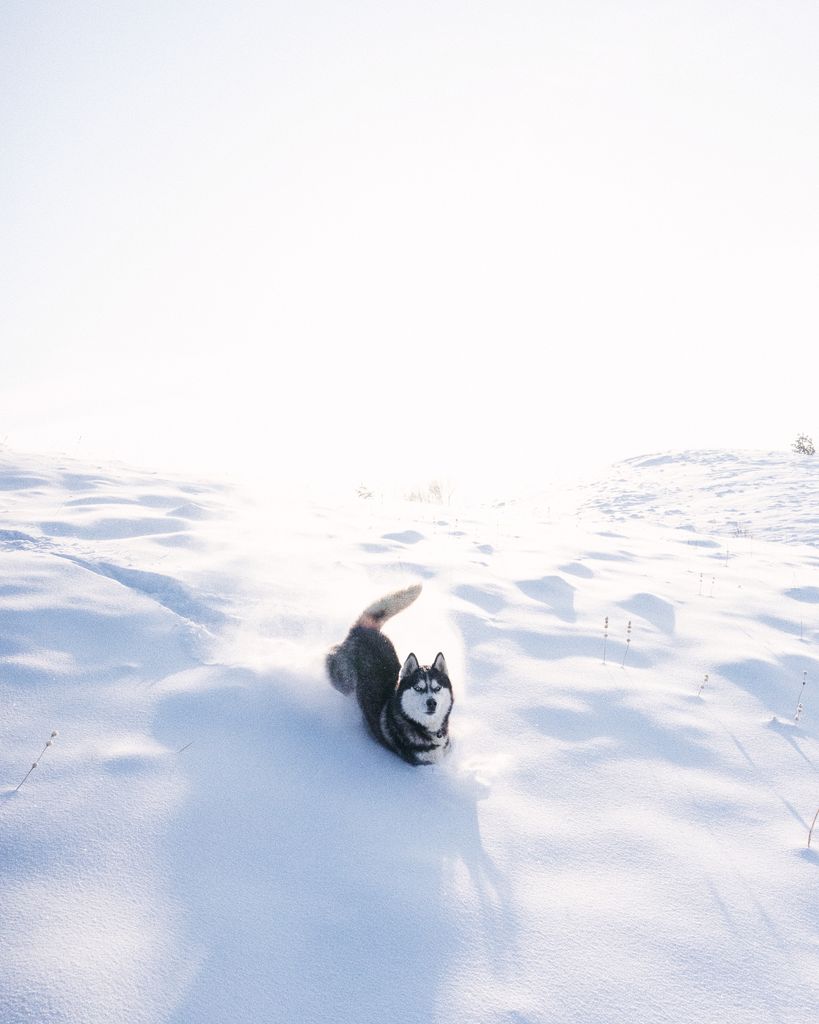
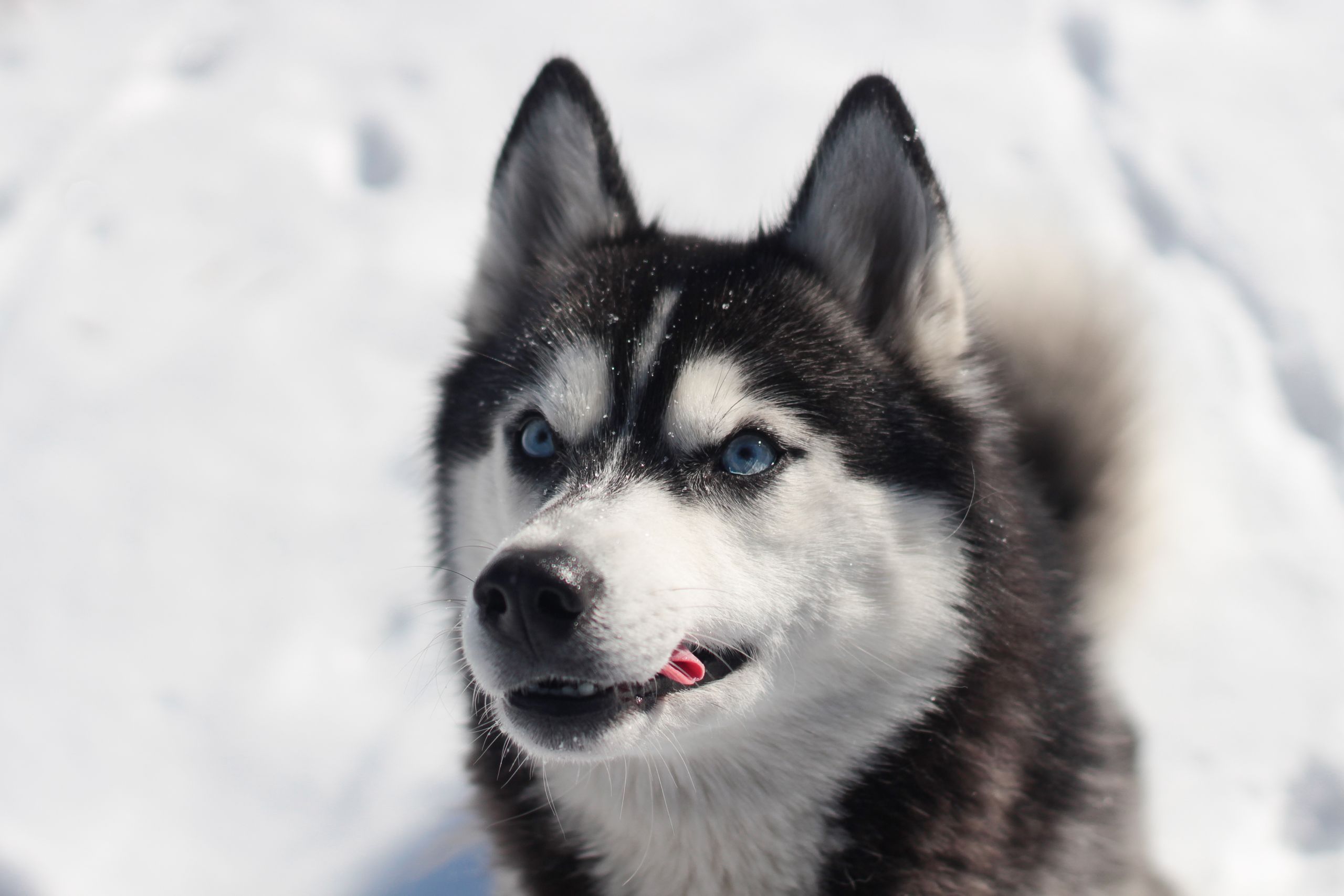
The Siberian Husky is perhaps the most iconic snow dog in the world. Bred by the Chukchi people of Northeastern Asia to pull sleds over vast, frozen distances, these dogs possess incredible stamina and an incredibly thick double coat.
Huskies are energetic, highly intelligent, and famously vocal. They need a significant amount of daily exercise to prevent boredom and destructive behavior. Because of their strong pack instincts, they generally get along well with other dogs and love being part of an active family. A Husky will happily spend hours playing in the snow, but they require secure fencing, as they are known escape artists.
Alaskan Malamute
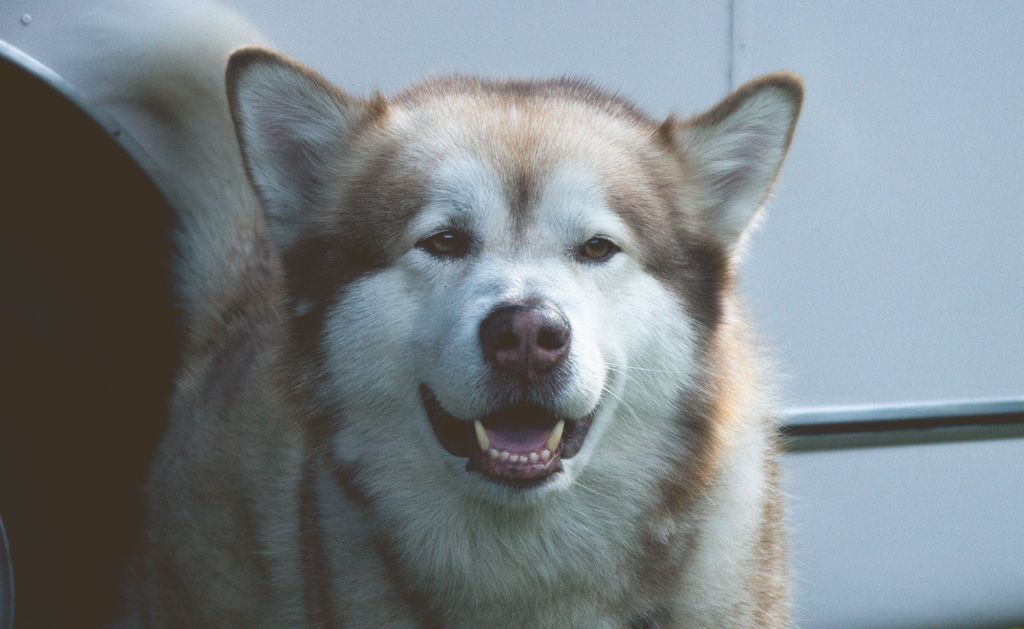
Often confused with the Husky, the Alaskan Malamute is much larger and was bred for heavy freighting rather than speed. They are powerful, deep-chested dogs with a dense, weatherproof coat.
Malamutes are affectionate, loyal, and playful with their families. They tend to be strong-willed, meaning consistent, reward-based training is essential starting from puppyhood. They thrive in freezing temperatures and need daily, rigorous exercise. Due to their size and strength, they are best suited for experienced dog owners who can provide clear guidance and plenty of outdoor activity.
Bernese Mountain Dog
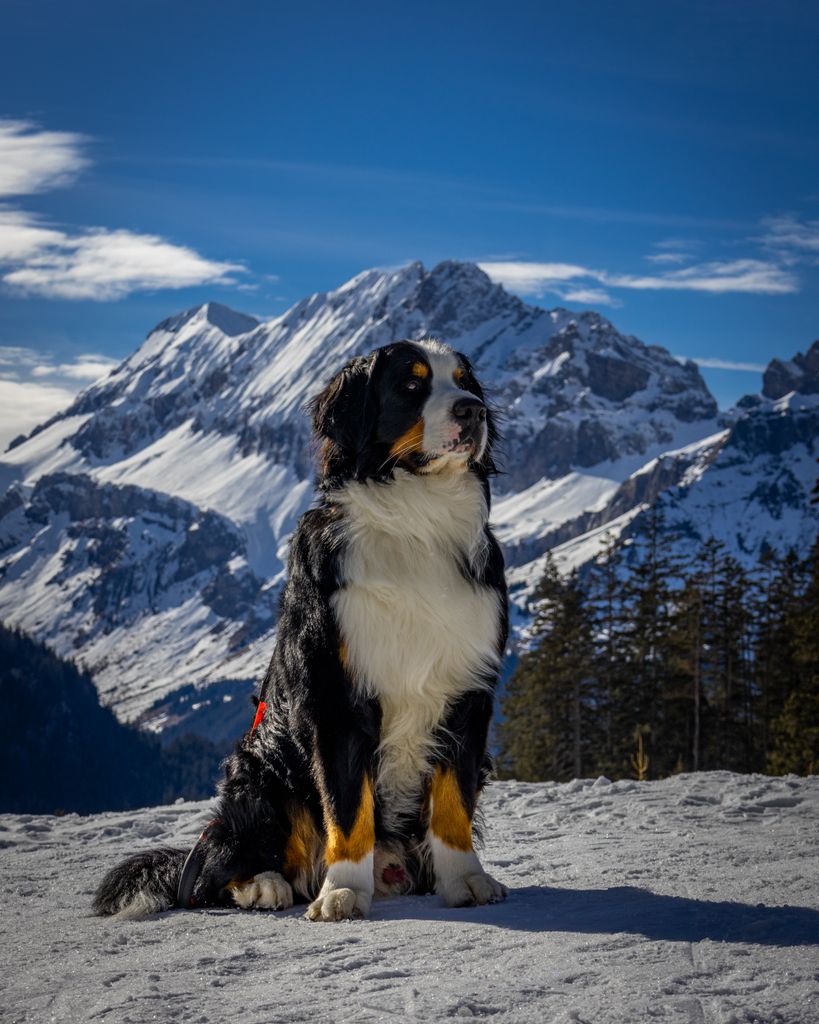
Originating in the Swiss Alps, the Bernese Mountain Dog is a large, sturdy breed known for its beautiful tricolor coat. Historically used for driving cattle and pulling milk carts, they are incredibly strong yet naturally gentle.
“Berners” make fantastic family pets. They are typically patient with children and form deep bonds with their owners. Their thick, silky coat provides excellent protection against the cold. While they have moderate exercise needs, they thoroughly enjoy cold-weather hikes and playing in the snow. Their lifespan is relatively short compared to smaller breeds, but their affectionate nature makes every year rewarding.
Saint Bernard
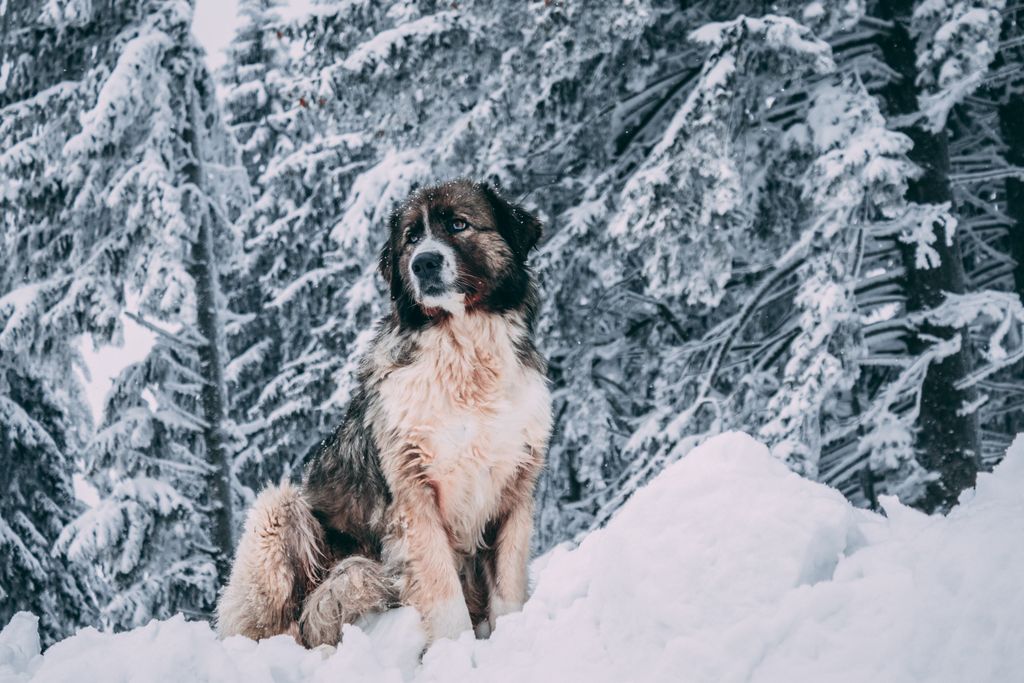
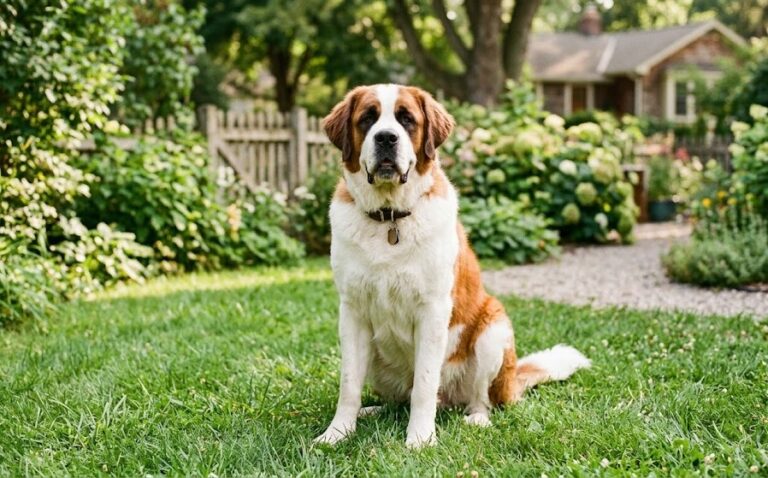
Famous for their history as avalanche rescue dogs in the snowy passes of the Swiss Alps, the Saint Bernard is a massive, powerful breed. They can have either short or long hair, but both coat types are dense enough to protect them from freezing temperatures.
Despite their intimidating size, Saint Bernards are famous for their gentle, patient temperaments. They are often described as “nanny dogs” because of their careful nature around children. They require moderate daily exercise to stay healthy, but their large size means they are prone to overheating in warm weather. In a cold climate, a Saint Bernard is perfectly in their element.
Newfoundland
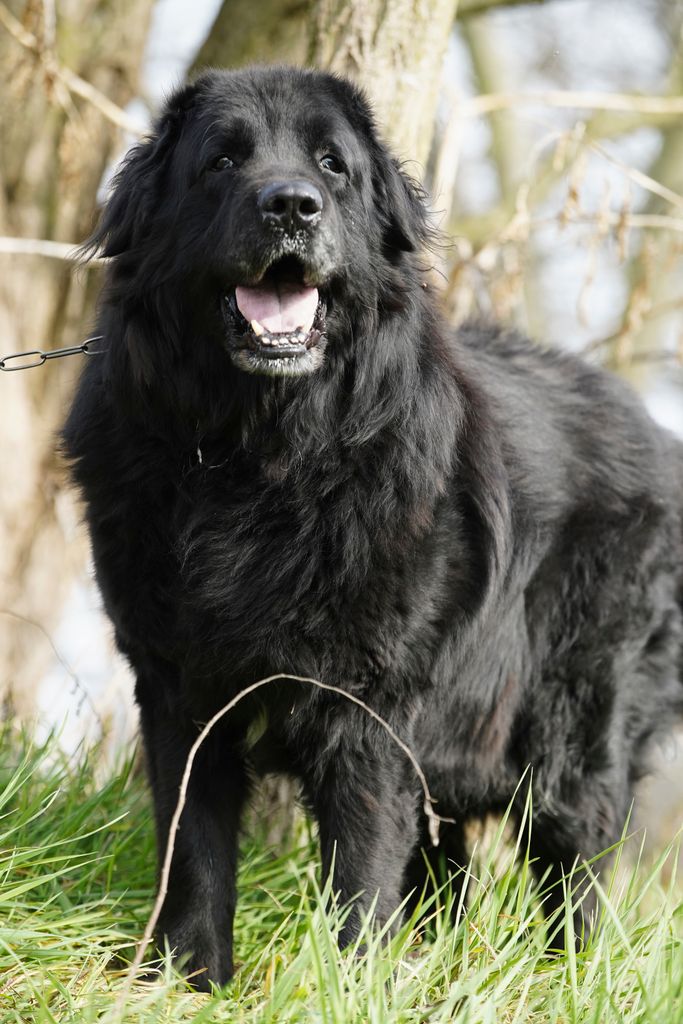
The Newfoundland is a giant working breed originating from Canada. They are unique among cold-weather breeds because their dense double coat is also highly water-resistant, making them exceptional cold-water retrievers and rescue dogs.
“Newfies” are sweet-tempered, devoted, and notoriously calm indoors. They have large, webbed paws that help them swim and walk on snow efficiently. They require daily exercise to maintain a healthy weight, but they are generally less intense than Arctic sled dogs. If you live near freezing bodies of water or get heavy snow, the Newfoundland is a sturdy and loving companion.
Samoyed
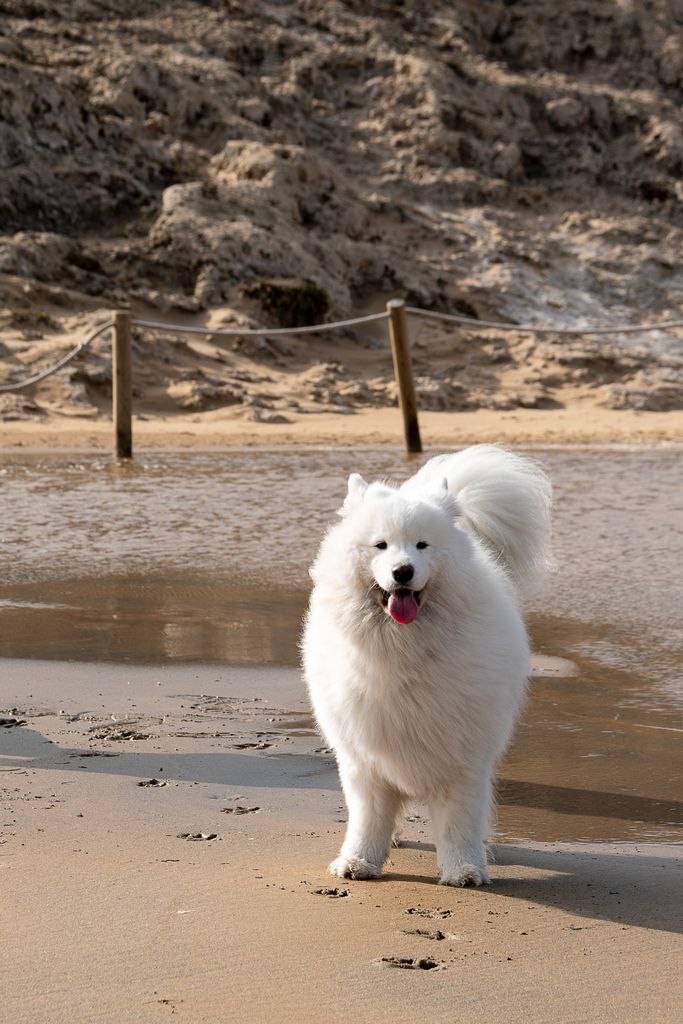
The Samoyed is instantly recognizable by its stunning, pure-white, fluffy coat. Bred by the Samoyedic peoples of Siberia to herd reindeer, pull sleds, and keep their owners warm at night, these dogs are highly adapted to sub-zero temperatures.
Samoyeds are friendly, gentle, and highly social. The famous “Sammy smile” prevents drool from freezing on their lips in extreme cold. They are high-energy dogs that require extensive daily exercise and mental stimulation. Their thick coat requires rigorous grooming to prevent matting, especially during their heavy shedding seasons.
Great Pyrenees
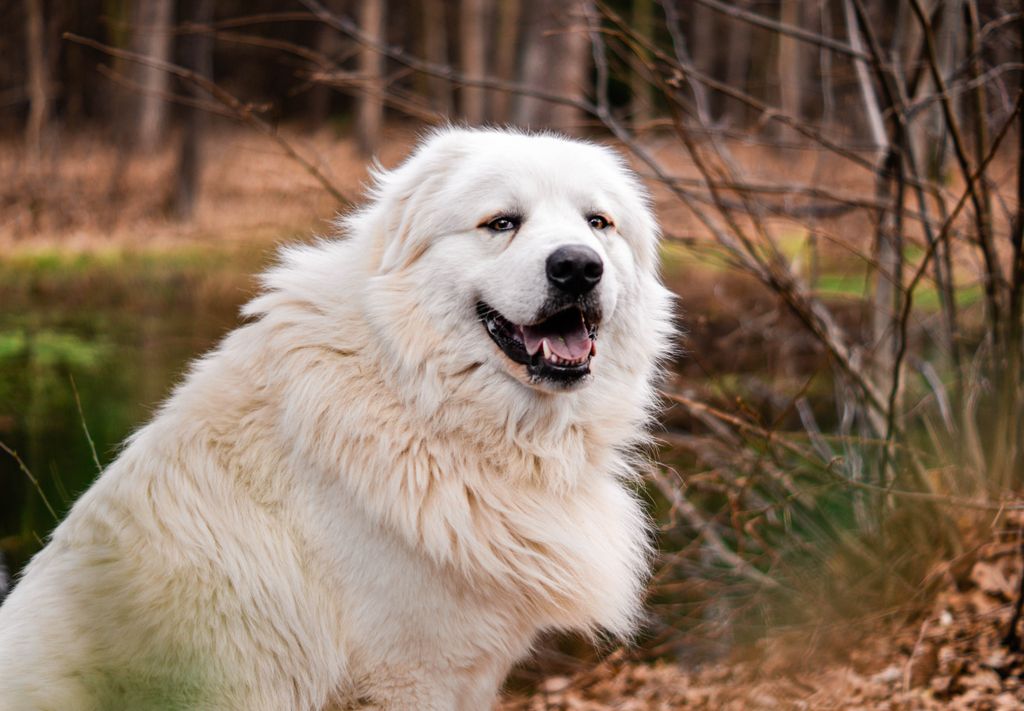
Bred to guard flocks of sheep in the freezing, mountainous regions of France and Spain, the Great Pyrenees is a large, majestic guardian dog. Their thick, weather-resistant coat keeps them warm while they spend hours outdoors surveying their territory.
These dogs are independent thinkers, originally bred to work without human direction. This makes them highly intelligent but sometimes stubborn during training. They are fiercely loyal to their families and protective of their homes. A Great Pyrenees enjoys cold weather and prefers a home with plenty of secure, outdoor space to patrol.
Akita
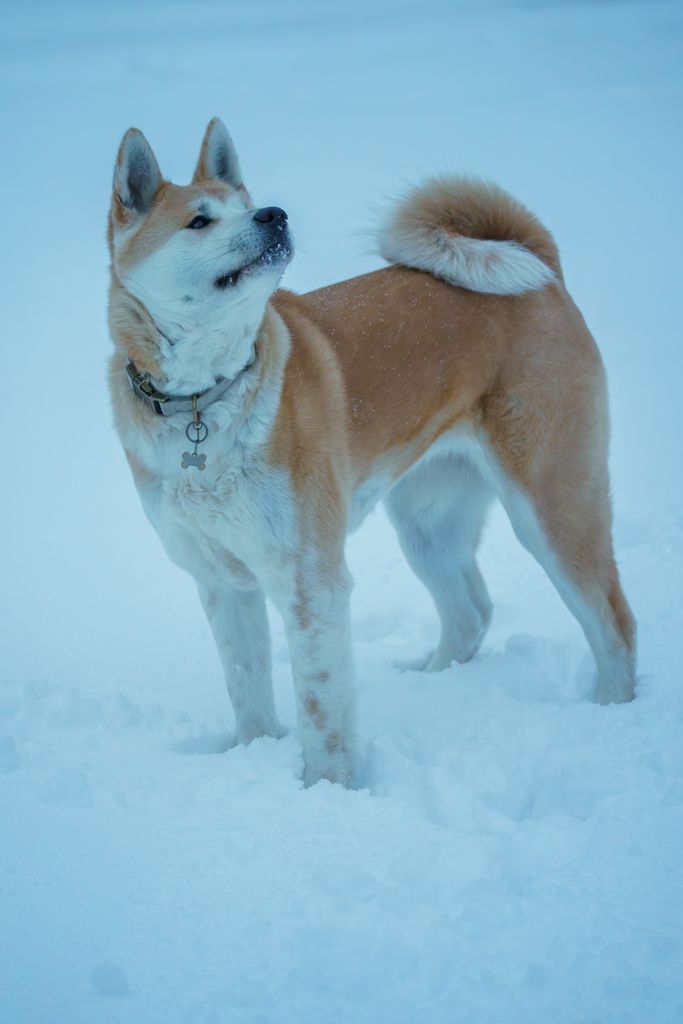
The Akita is a large, powerful working dog originating from the snowy mountainous regions of northern Japan. They have a plush, dense undercoat and a harsh outer coat that provides excellent insulation.
Akitas are deeply loyal to their families but tend to be aloof and suspicious of strangers. They are quiet, dignified dogs that make excellent watchdogs. Because of their strong guarding instincts and independent nature, early socialization and consistent, positive training are vital. They enjoy cold weather walks and have moderate energy levels compared to sledding breeds.
Norwegian Elkhound
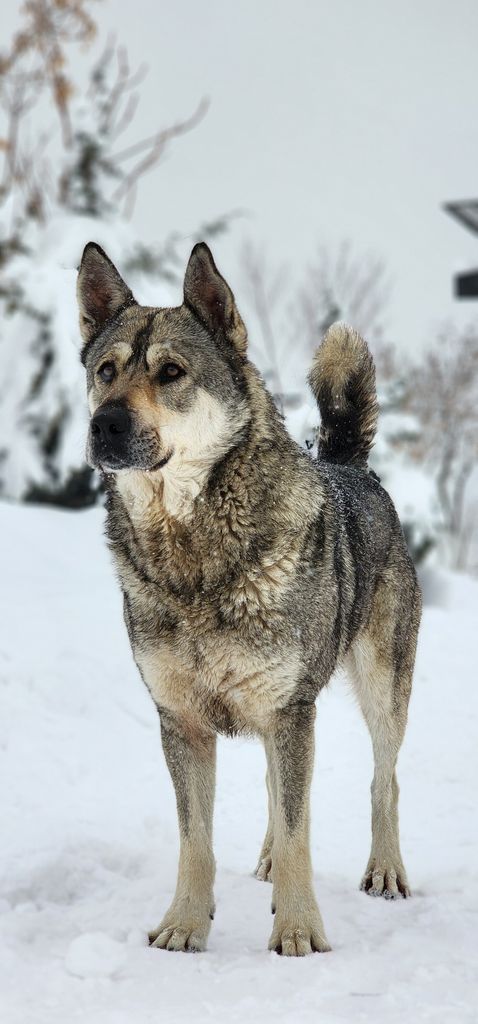
The Norwegian Elkhound is an ancient breed that sailed with the Vikings and was bred to hunt moose and other large game in the frigid Scandinavian forests. They are robust, compact dogs with a thick silver-grey coat.
Elkhounds are energetic, bold, and reliable. They are highly intelligent and bond closely with their families. Because they were bred to track game for miles in the snow, they have high stamina and require plenty of daily exercise. Their thick double coat keeps them comfortable in freezing temperatures but requires regular brushing.
Keeshond
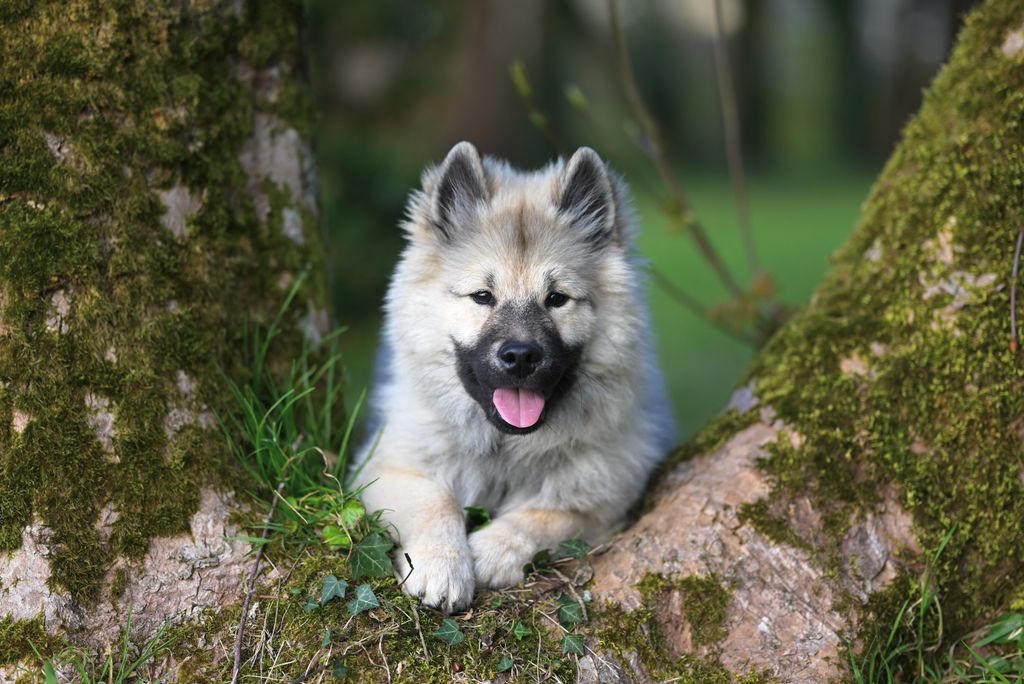
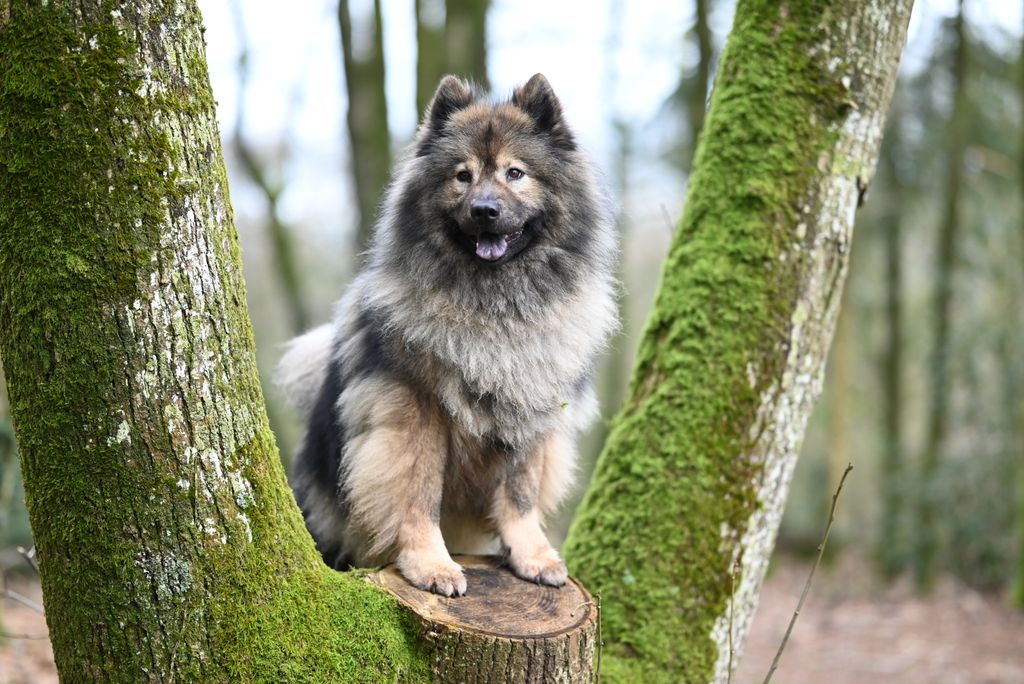
The Keeshond is a medium-sized spitz breed with a spectacular silver and black coat. Originally serving as watchdogs and companions on Dutch canal boats, they are sturdy dogs that handle cold, damp weather exceptionally well.
Unlike many of the larger working breeds on this list, the Keeshond was bred primarily as a companion. They are extremely affectionate, eager to please, and highly trainable. They require moderate daily exercise and are highly adaptable to different living situations, provided they are kept engaged. Their thick coat requires consistent brushing down to the skin to stay healthy and free of mats.
Keeping Your Dog Safe in the Winter
Even if you choose one of the best dog breeds for a cold climate, winter weather still presents unique safety challenges. Always monitor your dog’s behavior when outdoors.
Follow these practical safety tips:
- Protect Their Paws: Ice, sharp snow crusts, and chemical de-icers can damage paw pads. Wipe your dog’s paws with a warm towel after every walk to remove salt and toxic antifreeze. Consider applying a pet-safe paw balm or training your dog to wear protective boots.
- Watch for Overexertion: Deep snow makes walking and running much more physically demanding. A dog can easily exhaust themselves while playing. Keep an eye on their breathing and energy levels.
- Provide Adequate Shelter: If your cold-weather breed spends significant time outdoors, they must have access to a dry, draft-free shelter elevated off the frozen ground, preferably with fresh bedding.
- Check Their Water Supply: Outdoor water bowls can freeze rapidly. Ensure your dog always has access to liquid, unfrozen drinking water.
- Know the Limits: While double-coated dogs tolerate extreme cold well, no dog should be left outside indefinitely during severe winter storms or dangerous wind chills. If it is too cold for you to stay outside, it is likely too cold for your dog.
Frequently Asked Questions
Can small dogs survive in a cold climate?
Yes, small dogs can live happily in cold climates, provided they have proper protection. Breeds with short hair or low body fat, such as Chihuahuas or Greyhounds, will usually need an insulated winter coat and limited time outdoors during freezing weather.
Do double-coated dogs need to wear winter sweaters?
Generally, no. Dogs like Huskies, Malamutes, and Samoyeds have a natural, highly efficient insulating layer. Putting a sweater on a heavy-coated breed can actually cause them to overheat, even in cold temperatures.
How cold is too cold for a dog?
Temperatures under 32°F (0°C) require monitoring, especially for small or short-haired breeds. When temperatures drop below 20°F (-6°C), even cold-tolerant breeds should be monitored for signs of discomfort, and outdoor time should be managed safely. Individual tolerance depends on the dog’s breed, age, and health.
Are short-haired dogs okay in the winter?
Short-haired dogs can manage winter weather but require extra care. They lack the insulating undercoat needed to retain body heat. They will benefit greatly from insulated jackets, paw protection, and shorter, more frequent walks rather than long hours in the snow.
Do cold weather dogs shed a lot?
Yes, most cold weather breeds shed heavily. They typically “blow their coat” twice a year, shedding their entire undercoat in a matter of weeks. Regular, thorough brushing is required to manage the fur and keep their coat healthy and insulating.
Conclusion
Choosing from the best dog breeds for a cold climate is a wonderful way to ensure your future companion thrives in your local environment. Breeds like the Siberian Husky, Bernese Mountain Dog, and Newfoundland are genetically equipped to handle snow, ice, and freezing temperatures comfortably.
However, a thick coat is only part of the equation. These dogs require owners who are prepared to handle heavy shedding, provide rigorous winter exercise, and practice basic winter safety. By matching a breed’s size, energy level, and temperament to your family’s lifestyle, you will find a loyal friend eager to explore a winter wonderland by your side.