The Importance of Regular Vet Check-Up for Your Dog


Regular vet check-up is essential for maintaining the overall health and well-being of your dog. Just like humans, dogs require routine medical examinations to ensure they are in good health and to catch any potential issues early. Here’s why regular vet check-ups are important:
1. Early Detection of Health Issues by regular vet check-up:
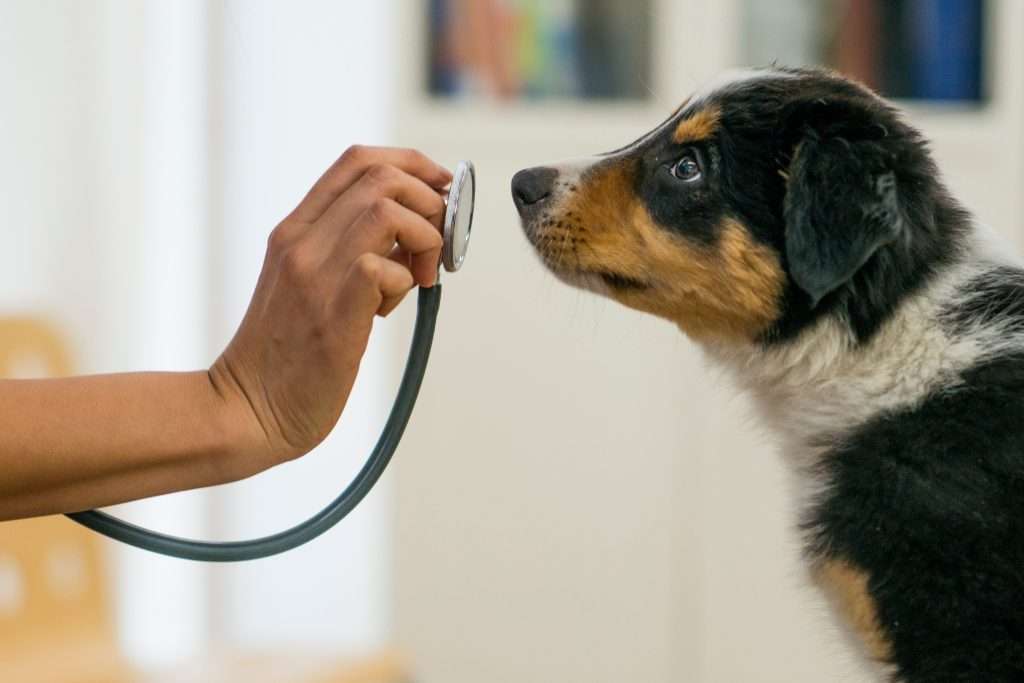
Regular vet check-up allow veterinarians to catch potential health problems before they become serious. Dogs are experts at hiding discomfort, so even if your pet seems fine, a vet’s trained eye can identify subtle signs of illness that you might miss.

2. Preventive Care:
Preventive care is crucial for preventing diseases and conditions that can be harmful to your dog. During vet check-up, vaccinations, parasite prevention (like flea and tick control), and dental care will be provided to keep your dog healthy and happy.
3. Tailored Healthcare Plans:
Veterinarians can create personalized healthcare plans for your dog based on its breed, age, lifestyle, and any pre-existing conditions. This ensures that your dog’s specific needs are met, leading to a longer and healthier life.
4. Vaccinations:
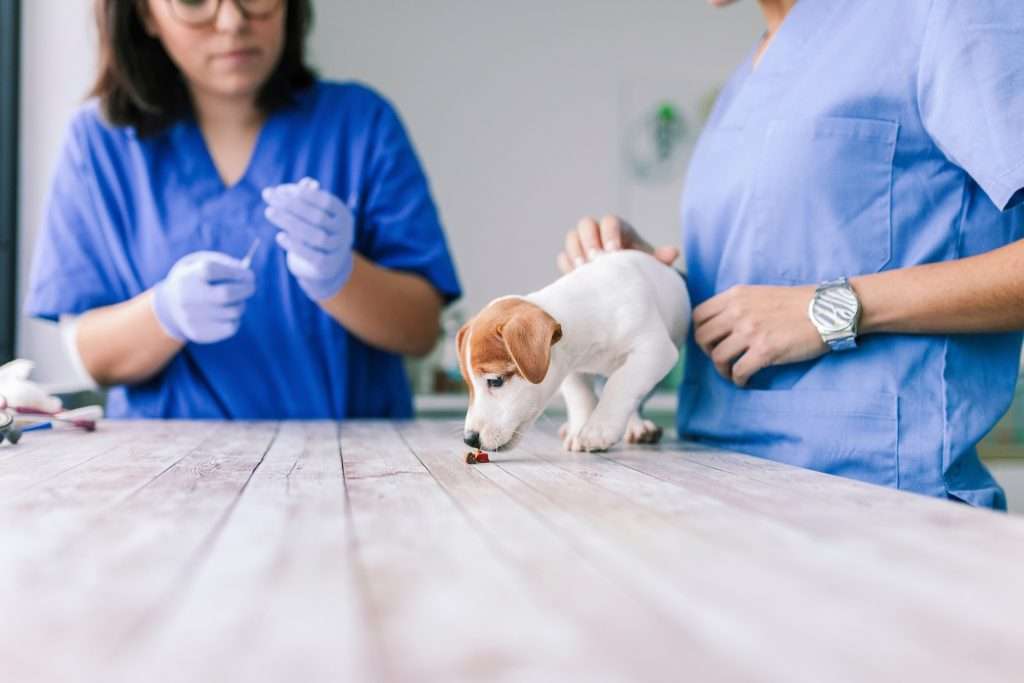
Regular vet check-up provides the opportunity for your dog to receive necessary vaccinations to protect against various diseases. Vaccines are an essential part of preventive care, and your vet can ensure your dog is up to date on all the required shots.
5. Dental Health:

Dental issues are common in dogs, and they can lead to serious health problems if left untreated. Regular vet check-up includes dental examinations and cleanings, helping to prevent gum disease, tooth decay, and associated complications.
6. Nutritional Guidance:

Your vet can guide your dog’s nutritional needs, helping you choose the right diet for its age, size, and health condition. Proper nutrition is fundamental for your dog’s overall health and energy levels.
7. Behavioral Concerns:
Vets can provide insight into behavioural problems that might be linked to health issues. Sometimes, behavioural changes are the first sign of an underlying medical problem that needs attention.
8. Senior Care:
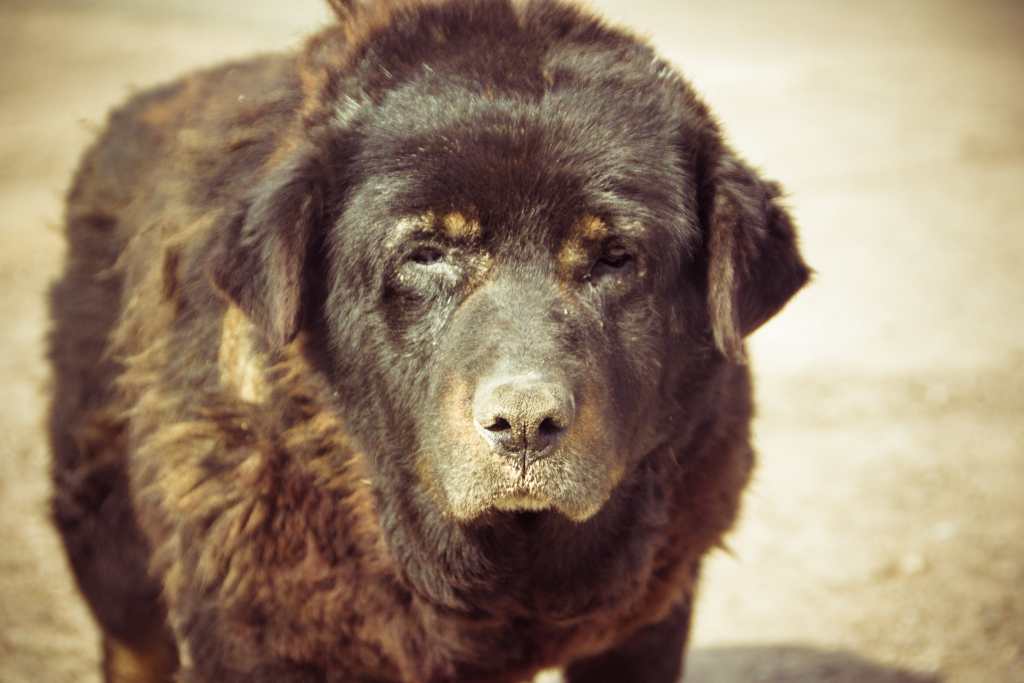
As dogs age, they become more susceptible to certain health issues. Regular vet check-up have become even more important for the early detection and management of age-related conditions.
9. Building a Relationship:
Regular vet check-up helps your dog become familiar with the clinic environment, reducing anxiety and stress during future visits. This also allows you to build a trusting relationship with your vet, making it easier to communicate about your dog’s health.
10. Compliance with Legal Requirements:
In many places, having up-to-date vaccination records is a legal requirement for dog ownership. Regular vet check-up helps to ensure your dog remains compliant with these regulations.
So here’s a simple vet check-up list that can help beginners ensure they cover the essential aspects during their dog’s veterinary appointments:
| Appointment Scheduling: | Call and schedule an appointment with the veterinarian. Consider any specific concerns or questions you have about your dog’s health. |
| Health Records: | Bring any previous medical records or vaccination history if it’s your first visit. |
| Physical Examination: | The vet will perform a comprehensive physical examination of your dog, including checking the eyes, ears, nose, teeth, skin, coat, and overall body condition. |
| Vaccinations: | Discuss and update your dog’s vaccination status if needed. Ask about recommended vaccinations based on your dog’s age and lifestyle. |
| Parasite Prevention: | Discuss flea, tick, and heartworm prevention options suitable for your dog. If necessary, the vet might recommend a faecal test for intestinal parasites. |
| Nutrition and Diet: | Share details about your dog’s current diet and feeding schedule. – Ask for advice on choosing the right type and amount of food for your dog’s age, size, and health condition. |
| Behaviour and Training: | If your dog has behavioural concerns, discuss them with the vet. Ask for guidance on basic training and behaviour management. |
| Dental Care | Inquire about your dog’s dental health and whether dental cleaning is recommended. Learn about at-home dental care practices for your dog. |
| Senior Care | If your dog is a senior, discuss age-related health concerns. (Osteoarthritic check, Chest radiograph, thyroid check) Inquire about any specialized care or dietary adjustments for senior dogs. |
| Medications and Supplements: | If your dog is on any medications or supplements, bring them to the vet’s attention. Discuss proper dosing and administration. |
| Microchipping and Identification: | Ask about microchipping if your dog isn’t already chipped. Ensure your dog’s identification information is up to date. |
| Follow-Up Appointments: | Bring treats or toys to help keep your dog calm and cooperative during the visit. Use positive reinforcement and soothing techniques to make the experience positive for your dog. |
Regular vet check-up is essential for maintaining the overall health and well-being of your dog. Just like humans, dogs require routine medical examinations to ensure they are in good health and to catch any potential issues early.
Remember that the frequency of vet visits might vary based on your dog’s breed, age, health status, and any specific needs. Puppies and senior dogs often require more frequent visits. Regular vet check-ups contribute to your dog’s overall quality of life and help you catch and address health issues before they become more serious and expensive to treat.


![How to Clean Dog Ears: At Home Edition [2024]](https://100dogbreeds.com/wp-content/uploads/2024/09/Dog-ears-e1725473739176-768x384.jpg)