9 Common Dog Skin Diseases: Understanding, Identifying, and Managing Canine Dermatological Conditions

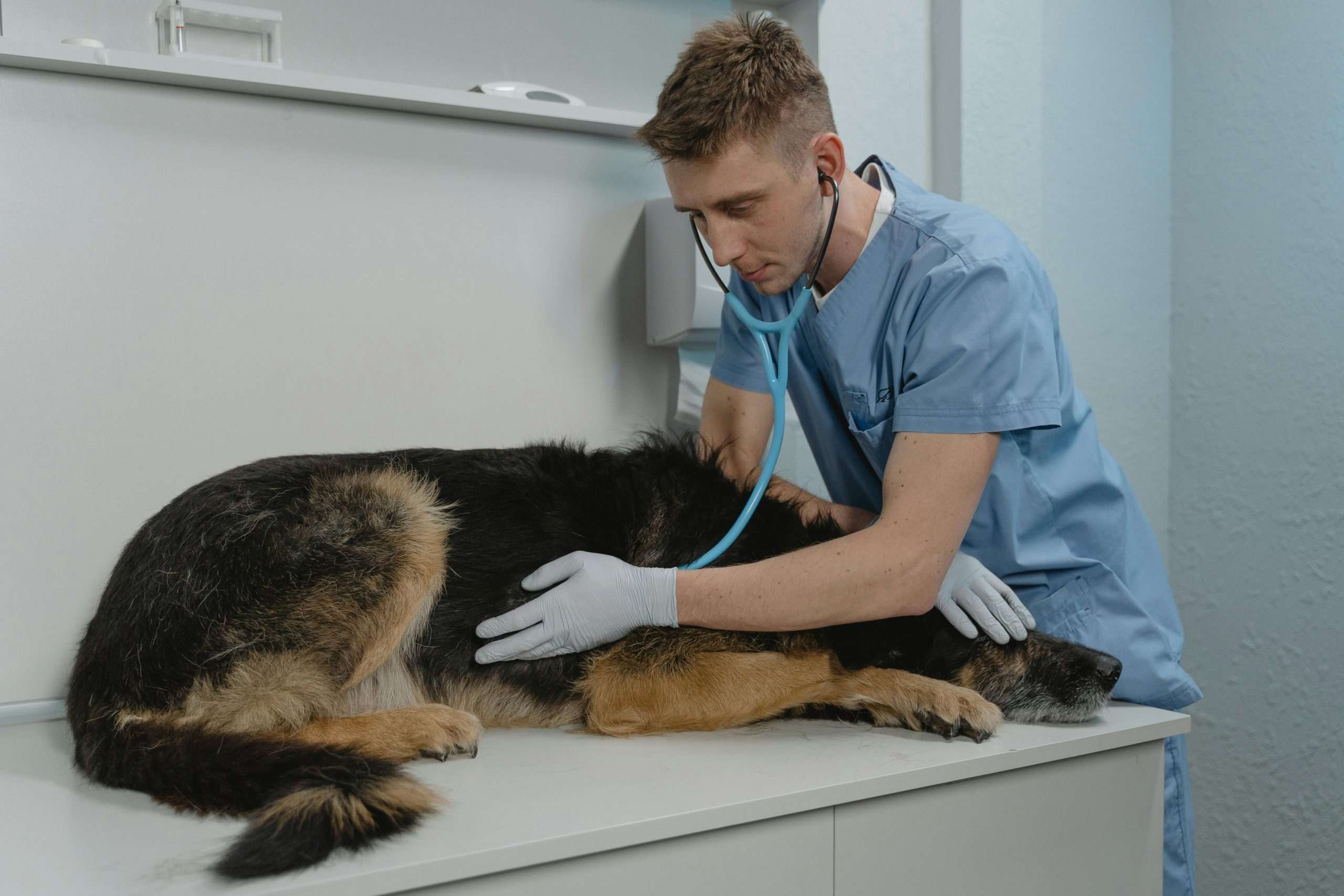
The dog skin is more than just a protective layer – it’s a complex ecosystem that reflects a canine’s overall health. Dog skin diseases can be frustrating for both pets and their owners, presenting challenges that go beyond simple surface-level concerns. Understanding these conditions is crucial for maintaining your furry friend’s well-being and quality of life.
In this article, let us cover 9 common dog skin diseases and how to manage them.

The Significance of Skin Health in Dogs
Every dog skin disease tells a story of underlying health challenges. The skin serves as a critical barrier against environmental threats, regulates body temperature, and provides essential insights into a dog’s overall health. When something goes wrong, the symptoms can be both physically distressing and emotionally challenging for our canine companions.
Fundamental Causes of Dog Skin Diseases
Dog skin problems typically emerge from a complex interplay of factors. Genetic predispositions, environmental triggers, nutritional imbalances, and immune system responses can all contribute to dermatological issues. Understanding these root causes is the first step in effective management and treatment.
Comprehensive Overview of 9 Common Dog Skin Diseases
1. Allergic Dermatitis: The Immune System’s Overreaction
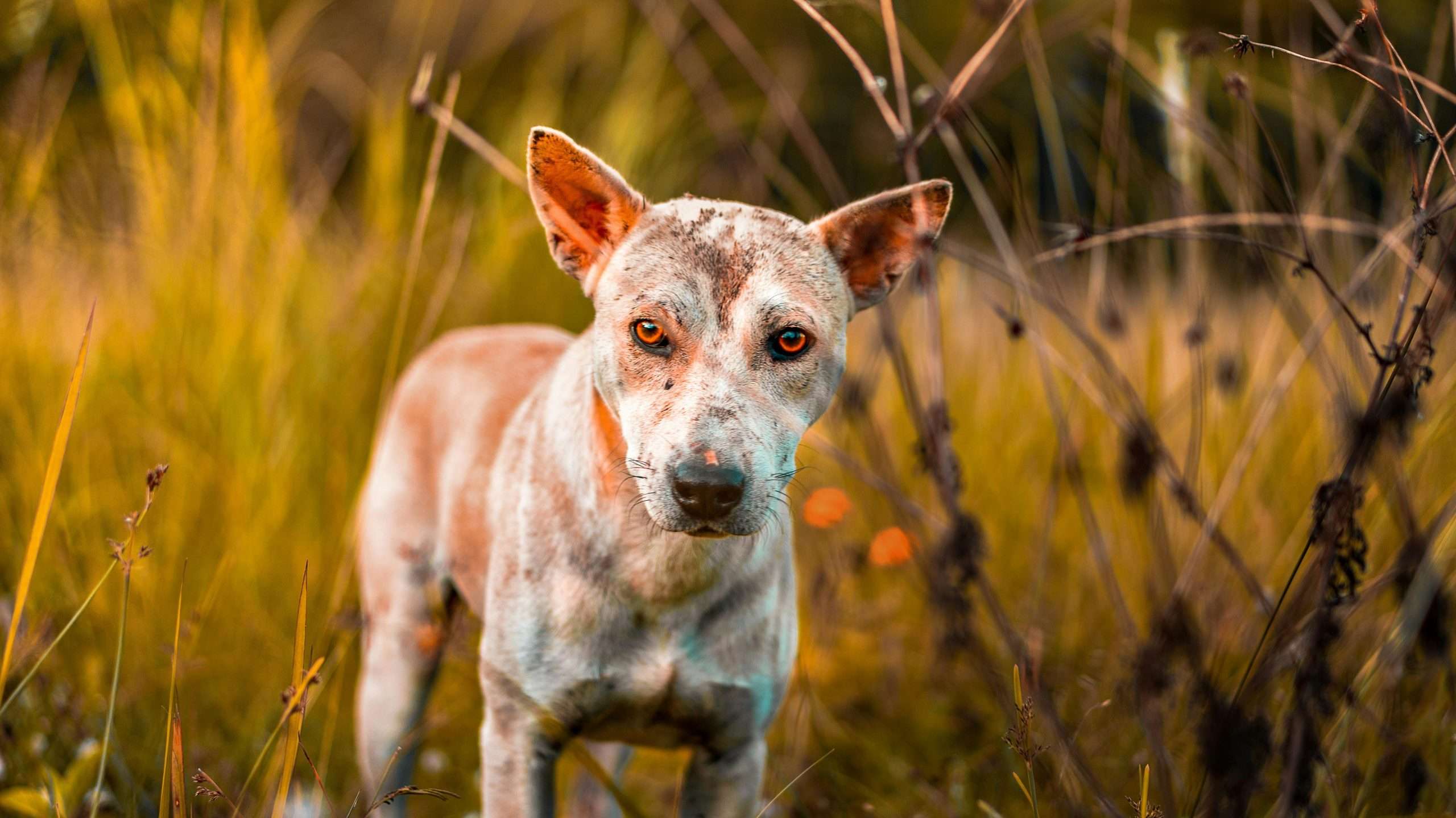
Allergic dermatitis represents one of the most prevalent dog skin diseases. Dogs can develop allergies to environmental factors like pollen, dust mites, and grass, as well as specific food ingredients. The immune system responds with an inflammatory cascade, resulting in intense itching, redness, and potential skin damage.
Symptoms typically include persistent scratching, red and inflamed skin, recurring ear infections, and areas of hair loss. Treatment involves identifying and eliminating allergen triggers, potentially using antihistamines, medicated shampoos, and in some cases, immunotherapy.
2. Ringworm: A Misleading Fungal Invasion
Despite its name, ringworm is a fungal infection that creates circular patches of hair loss and scaly skin. Highly contagious, this dog skin disease can spread quickly among animals and even to humans. The infection causes circular lesions, typically with a red ring-like appearance and potential hair loss.
Veterinarians typically treat ringworm with topical and oral antifungal medications, coupled with thorough environmental cleaning to prevent reinfection.
3. Pyoderma: Bacterial Skin Infection Challenge
Pyoderma occurs when bacterial overgrowth infiltrates the skin, causing inflammation and potential secondary complications. Often triggered by underlying conditions like allergies or hormonal imbalances, this dog skin problem manifests through pus-filled bumps, redness, and potential systemic infection.
Treatment involves targeted antibiotics, medicated shampoos, and addressing any underlying health conditions that might compromise the dog’s immune response.
Related reads:
Bacterial Infections in Dogs – Different Types and Treatment
4. Seborrhea: Oil Production Gone Awry
A condition characterized by excessive sebum production, seborrhea leads to greasy, flaky skin with a distinctive odor. Affecting areas like paw pads, belly, and neck, this dog skin disease can cause significant discomfort and potential secondary infections.
Management includes specialized medicated shampoos, potential dietary modifications, and addressing any concurrent health issues contributing to the condition.
5. Yeast Infections: Microbial Overgrowth
Caused by an overgrowth of Malassezia yeast, these infections create inflamed, red, and often greasy skin with a distinct odor. Dogs may exhibit excessive licking, chewing, and visible skin changes in areas like ears, paws, and skin folds.
Antifungal medications, medicated baths, and addressing potential underlying immune or hormonal issues form the cornerstone of treatment.

6. Parasitic Skin Diseases: External Invaders
Fleas, ticks, and mites represent significant threats to dog skin health. These parasites can cause intense itching, potential disease transmission, and secondary skin infections. Sarcoptic and demodectic mange represent particularly challenging parasitic conditions.
Comprehensive prevention involves regular veterinary-approved parasite control products, environmental management, and prompt treatment of any detected infestations.
7. Lupus: An Autoimmune Challenge
An autoimmune condition where the body attacks its own cells, lupus creates complex dog skin diseases with symptoms like skin scaling, hair loss, and potential systemic complications. Lesions often appear around the nose, eyes, and paws.
Treatment focuses on immunosuppressive medications, managing symptoms, and providing supportive care to maintain quality of life.
8. Alopecia: The Mystery of Hair Loss
Hair loss can result from multiple factors, including hormonal imbalances, genetic conditions, and underlying health issues. Some breeds experience specific genetic hair loss patterns, while others develop alopecia as a symptom of more complex conditions.
Diagnostic approaches involve comprehensive blood work, potential hormone testing, and targeted treatment of underlying causes.
9. Skin Cancer: A Critical Concern
While less common, skin cancer represents a serious dog skin disease. Various types can develop, presenting as non-healing wounds, unusual lumps, or discolored skin regions. Early detection is crucial for successful intervention.
Treatment varies from surgical removal to radiation or chemotherapy, depending on the cancer’s type and progression.
Prevention and Holistic Management
Preventing dog skin diseases involves a multifaceted approach:
- Regular veterinary check-ups
- Balanced nutrition
- Proper grooming
- Environmental management
- Stress reduction
- Immune system support

Final Thoughts
Understanding and managing dog skin diseases requires patience, knowledge, and a proactive approach. While these conditions can be challenging, early detection, professional veterinary guidance, and comprehensive care can significantly improve outcomes and your dog’s quality of life.
Remember, each dog is unique, and what works for one may not work for another. Always consult with a veterinary professional for personalized guidance tailored to your specific canine companion’s needs.
Frequently Asked Questions
How Often Should I Have My Dog Checked for Skin Problems?
Veterinarians recommend a comprehensive skin examination at least annually for adult dogs, and twice yearly for senior dogs or breeds prone to dog skin diseases. However, if you notice any persistent itching, unusual bumps, or changes in coat quality, schedule an immediate veterinary consultation. Early detection can prevent more serious skin health complications.
Can Diet Influence Dog Skin Health?
Absolutely! Nutrition plays a crucial role in managing dog skin diseases. Omega-3 fatty acids, high-quality proteins, and balanced diets can significantly improve skin resilience. Some dogs benefit from specialized diets that address specific allergies or skin conditions. Consult your veterinarian about potential dietary modifications that could support your dog’s skin health.
Are Some Dog Breeds More Susceptible to Skin Diseases?
Certain breeds have genetic predispositions to dog skin problems. Breeds like Bulldogs, German Shepherds, Retrievers, and Shar-Peis are more prone to skin issues due to their genetic makeup, skin folds, or coat characteristics. However, with proper care, nutrition, and regular veterinary monitoring, many of these breed-specific risks can be effectively managed.
![Can Dogs Eat Salt? Symptoms & Prevention [2025]](https://100dogbreeds.com/wp-content/uploads/2025/03/pexels-vero-andrade-10716903-12027296-768x512.jpg)



![The Ultimate First Time Dog Owner Checklist [2024]](https://100dogbreeds.com/wp-content/uploads/2024/07/first-time-dog-owner-768x512.jpg)