Why Your Dog Refuses to Eat (And Simple Fixes That Work)

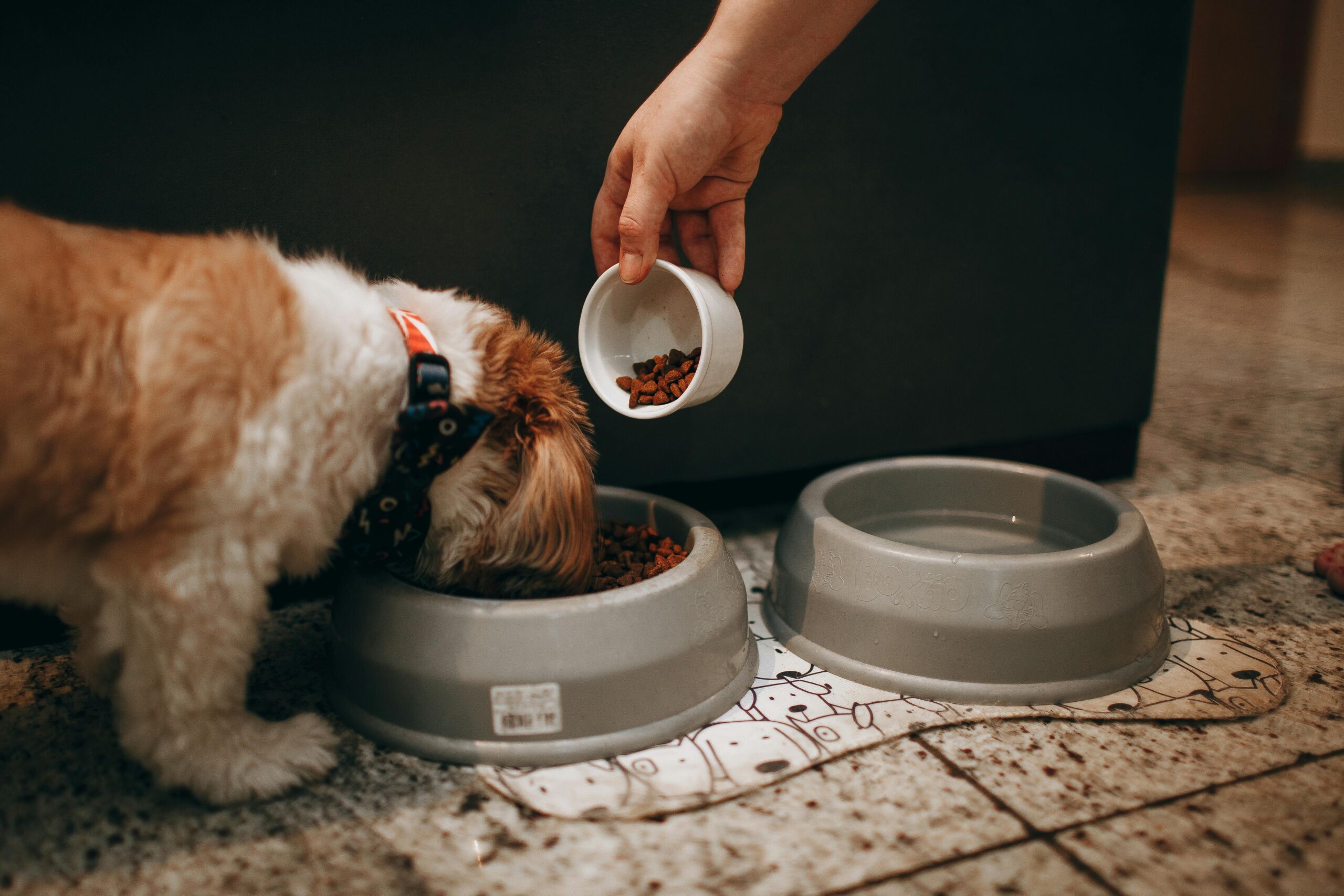
It can feel unsettling when your pet suddenly ignores their food bowl. Many pet owners worry immediately when a dog refuses to eat, and it is a valid concern. Appetite changes in dogs can point to something minor like a change in routine, or something more serious that needs attention. The key is to understand what is causing the behavior and respond in the right way without panic.
What It Means When Your Dog Refuses to Eat

When a dog refuses to eat, it does not always mean something is wrong. Dogs, like humans, can have off days where they are simply not hungry. A skipped meal here and there is usually not a big deal, especially if your dog is otherwise active and behaving normally.

However, if your dog refuses to eat consistently or shows other unusual signs, it becomes important to look deeper. Appetite is often one of the first things that changes when a dog is not feeling well, either physically or emotionally.
Common Reasons Why Your Dog Refuses to Eat
Medical Reasons Your Dog Refuses to Eat
One of the most common explanations when a dog refuses to eat is an underlying health issue. Dogs cannot tell us when they are in pain, so appetite loss is often one of the first visible signs.
Conditions like stomach infections, digestive problems, or even more serious illnesses can affect hunger. Dental pain is another overlooked reason. If chewing hurts, your dog may avoid food altogether. Injuries, fever, or internal discomfort can also make eating less appealing.
If your dog refuses to eat and also seems tired, uncomfortable, or different in behavior, it is worth paying closer attention.
Behavioral Reasons Your Dog Refuses to Eat
Sometimes the issue is not physical but emotional. When a dog refuses to eat, stress or anxiety could be the cause.
Changes in the home environment can trigger this. Moving to a new place, new family members, loud noises, or even a change in your schedule can affect your dog’s eating habits. Dogs are creatures of habit, and even small disruptions can make them uneasy.
Separation anxiety is another factor. If your dog feels stressed when you are not around, they may not eat until they feel secure again.
Food Related Reasons Your Dog Refuses to Eat
Food itself can also be the problem when a dog refuses to eat. Dogs can be picky, and they may lose interest in food if they find it boring or unappealing.
If the food is stale, spoiled, or has changed in taste or smell, your dog might reject it. Sudden changes in diet can also cause hesitation. Dogs usually prefer consistency, and switching food too quickly can lead to refusal.
Another common issue is overfeeding treats. If your dog is getting too many snacks during the day, they may simply not feel hungry at mealtime.
Lifestyle and Routine Mistakes That Make Your Dog Refuses to Eat

Daily habits play a bigger role than many realize. A dog refuses to eat sometimes because their routine is not consistent.
Feeding at random times each day can confuse your dog’s internal clock. Overfeeding can also reduce hunger. Lack of exercise is another factor. Dogs that are not active enough may not feel the need to eat much.
Small adjustments in routine can make a noticeable difference.
Signs to Watch When Your Dog Refuses to Eat
When a dog refuses to eat, it is important to look beyond just the food bowl. Other symptoms can help you understand if the situation is serious.
If your dog is vomiting, has diarrhea, or shows signs of weakness, it could indicate a health issue. Weight loss over a short period is another warning sign. Lethargy or a sudden lack of interest in usual activities should not be ignored.
If your dog refuses to eat along with these symptoms, it is best to take it seriously.
How Long Is It Safe If Your Dog Refuses to Eat
A healthy adult dog can usually go a day or two without food, but that does not mean it should be ignored. If a dog refuses to eat for more than 48 hours, it is time to take action.
Puppies, older dogs, and dogs with medical conditions need more immediate attention. They do not have the same reserves as healthy adult dogs and can become weak quickly.
Even if your dog seems fine otherwise, a prolonged lack of appetite is not something to overlook.
Simple Fixes That Work When Your Dog Refuses to Eat
Fix the Food First
When a dog refuses to eat, start with the simplest solution. Check the food. Make sure it is fresh and stored properly.
Warming the food slightly can enhance the smell and make it more appealing. Adding a small amount of plain boiled chicken or broth can encourage eating. If your dog has grown bored with their food, trying a different flavor or texture may help.
Improve Feeding Routine
Consistency matters. If a dog refuses to eat, setting a fixed feeding schedule can help reset their eating habits.
Serve food at the same time every day and remove it after about 15 to 20 minutes if it is not eaten. This teaches your dog that food is available only at certain times.
Avoid leaving food out all day, as it can reduce urgency and interest.
Reduce Stress and Anxiety
A calm environment can make a big difference when a dog refuses to eat.
Feed your dog in a quiet, comfortable space without distractions. Try to maintain a stable routine, especially during stressful periods. Spending quality time with your dog can also help them feel secure and more willing to eat.
Encourage Eating Without Force
It is important not to force your dog to eat. When a dog refuses to eat, forcing food can create negative associations.
Instead, use gentle encouragement. A short walk before meals can stimulate appetite. Positive reinforcement, like praise when your dog shows interest in food, can also help.
Patience is key here.
When to See a Vet If Your Dog Refuses to Eat
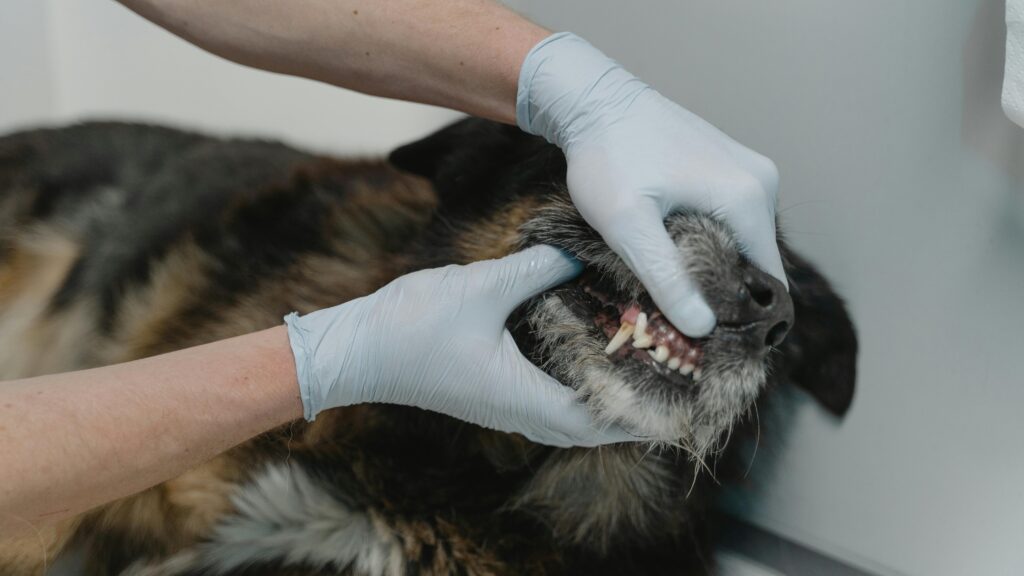
There are times when professional help is necessary. If a dog refuses to eat for more than two days, it is best to consult a veterinarian.
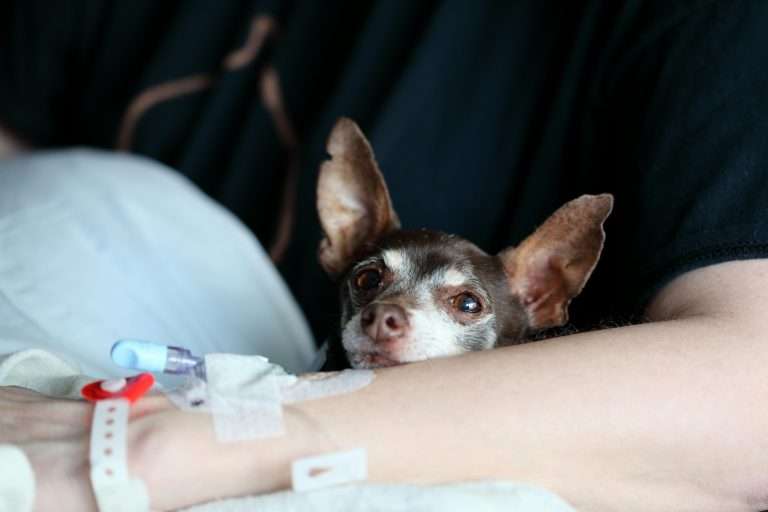
Immediate attention is needed if your dog shows symptoms like vomiting, diarrhea, pain, or unusual behavior. Dogs with existing health conditions should also be checked sooner rather than later.
Trust your instincts. If something feels off, it is better to be cautious.
Related reads:
How to Handle Vet Visits Without Stress for Your Dog
Saying Goodbye
When a dog refuses to eat, it is natural to feel concerned, but the situation is often manageable once you understand the cause. Sometimes it is as simple as a change in routine or food preference. In other cases, it may signal something that needs medical attention.
Pay attention to your dog’s behavior, keep their routine consistent, and make small adjustments where needed. With the right approach, most cases where a dog refuses to eat can be resolved smoothly and without stress.