How to Safely Break Up a Dog Fight: A 7 Step Guide

As a dog owner, the safety and well-being of your dog are your top priorities. But what happens when things get out of hand, and your dog fights with another? It’s a scenario every pet owner hopes to avoid, but unfortunately, dog fights can occur unexpectedly. Whether it’s a territorial dispute, an argument over food, or a clash between unfamiliar dogs, knowing how to handle a dog fight safely can prevent injuries to your pet—and yourself.
In this guide, we’ll walk through the best ways to prevent, manage, and intervene when a dog fight occurs, offering advice on how to protect your pet from harm and avoid escalating the situation. Understanding the causes of dog fights and being equipped with the right techniques to break up the altercation is key to keeping both you and your pets safe.

Understanding the Causes of Dog Fights
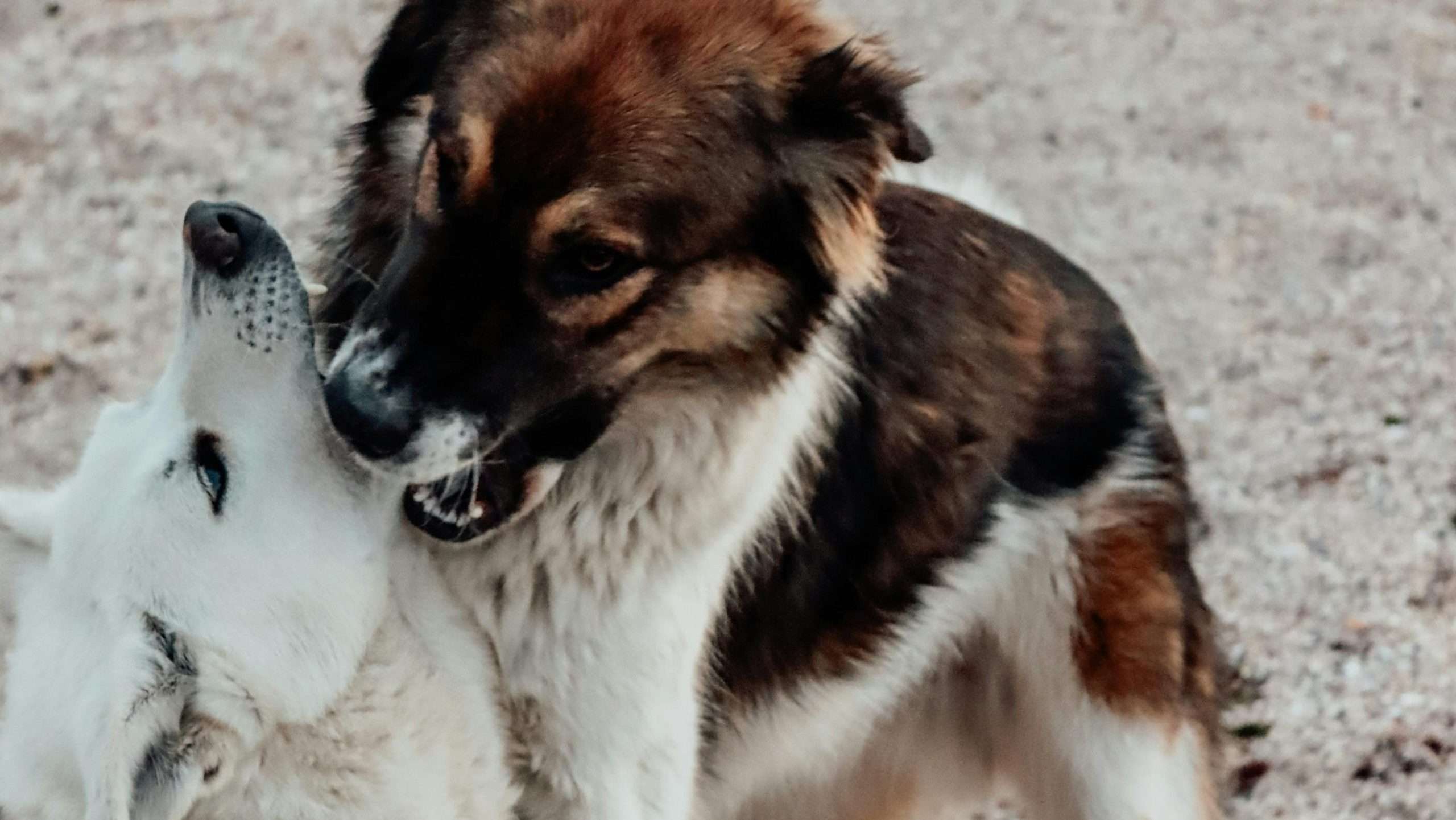
Before jumping into the specifics of how to handle a dog fight, it’s important to understand why these altercations happen in the first place. There are many reasons dogs might become aggressive with each other. Aggression can stem from fear, anxiety, or a sense of territoriality. Other times, a dog might fight to protect its resources, such as food, toys, or even its human companions.
Dogs often get into fights when they feel threatened or challenged. It’s crucial to recognize that a dog fight doesn’t necessarily mean a bad dog – it’s simply a natural response to perceived danger or a power struggle. Even well-trained dogs can find themselves in a dog fight, which is why understanding how to manage these situations is so important.
Step 1: Don’t Intervene Physically – Distract the Dogs
Your first instinct might be to jump into the middle of the dog fight, pulling the dogs apart. However, this can be dangerous for both you and your pets. Dogs in the heat of a fight are highly focused and can inadvertently bite anyone who tries to intervene. Therefore, physical intervention should be avoided at all costs unless absolutely necessary.
Instead, try to distract the dogs. This can be done by making loud noises to break their concentration and get their attention. Common methods of distraction include clapping your hands, banging metal objects together, or even using a car horn. The idea is to create enough noise to startle the dogs and cause them to stop fighting temporarily, giving you the chance to separate them safely.
Step 2: Create a Barrier Between the Dogs
If noise alone isn’t enough to stop the fight, your next step should be to create a physical barrier between the dogs. Never put your hands near the dogs’ mouths, as this increases the risk of a bite. Instead, use a large object to separate them. A cookie sheet, a piece of cardboard, or a chair can act as a buffer. Position the object between the dogs to keep them apart while you assess the situation.
If you’re in a situation where no large objects are available, use whatever is at hand to create some space. The goal is to prevent further aggression and give yourself a safe distance between the dogs.
Step 3: Separate the Dogs and Pull Your Pet Away
Once the dogs are distracted or temporarily separated, it’s time to separate them completely. If you’re dealing with a smaller dog, you may be able to simply pull your dog away from the altercation. However, if your dog is larger or the fight is particularly intense, you might need to use the “wheelbarrow” method. This involves grabbing your dog by the hind legs, lifting them into a wheelbarrow position, and pulling them backward. This technique is safe because it keeps your hands away from the dog’s head and mouth.
It’s important to avoid grabbing your dog by the collar. Doing so can put you at risk of being bitten or hurt if your dog is still in a highly agitated state.
Step 4: Check for Injuries
Once you’ve separated the dogs, your next priority is to check for injuries. Dog fights can cause both minor and serious injuries, particularly to the neck and head areas. Be sure to look for signs of puncture wounds, scratches, or missing fur. Even small cuts can become infected, so it’s essential to get your dog checked out by a vet after a fight, even if you don’t notice any obvious injuries.
Never assume that a minor injury is insignificant. Even small puncture wounds should be thoroughly examined, as internal tissue damage may be more severe than what is visible on the surface. Don’t hesitate to seek veterinary care if your dog shows signs of injury after a fight.
Related reads:
First Aid for Dogs – Shock, Rescue Breathing, and CPR
Step 5: Assess the Situation and Prevent Future Fights
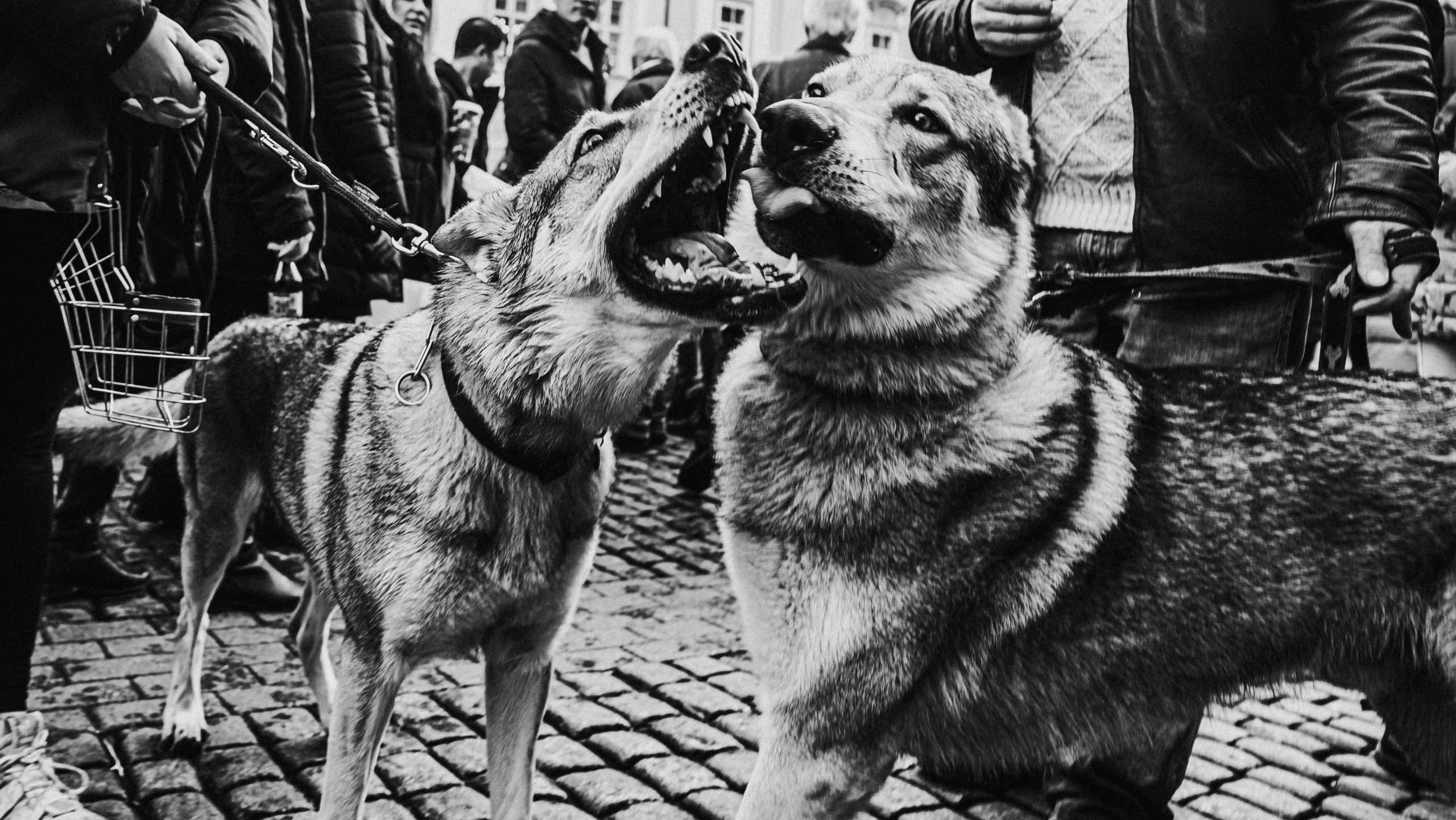
After you’ve addressed any injuries and ensured the dogs are safely apart, it’s time to evaluate the situation. Ask yourself: What caused the fight? Were there any specific triggers, such as a particular toy or the presence of another dog? Understanding the cause of the fight can help you prevent similar incidents from occurring in the future.
If the dogs are your own, consider working with a professional trainer or behaviorist to resolve any behavioral issues. A trainer can help you identify underlying causes of aggression, such as fear, anxiety, or resource guarding, and provide strategies to address these issues.
Step 6: Never Let the Dogs Work It Out On Their Own
Many dog owners might think that allowing the dogs to “work it out” will help them resolve their differences. This is a dangerous misconception. Letting dogs fight can result in serious injuries and reinforce negative behaviors. It’s crucial to intervene early and prevent the fight from escalating.
If you have multiple dogs in your home, make sure to supervise them when they interact, especially in the early stages of introducing a new dog into the household. Keep in mind that resource guarding or territorial behavior can lead to a dog fight, so managing the dogs’ environment and establishing clear boundaries is key.
Step 7: Call for Help If Necessary
In some cases, the situation may escalate beyond your control. If the fight is particularly aggressive or if you feel unsafe, don’t hesitate to call for professional help. This might mean contacting animal control, a local animal shelter, or a professional dog trainer with experience in aggression management. Professionals can help mediate the situation and offer guidance on how to handle future incidents more effectively.
Understanding the Difference Between Rough Play and Aggression
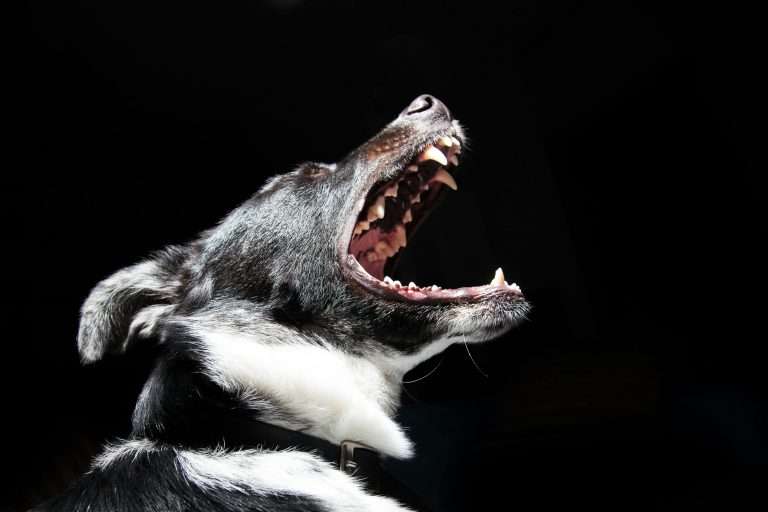
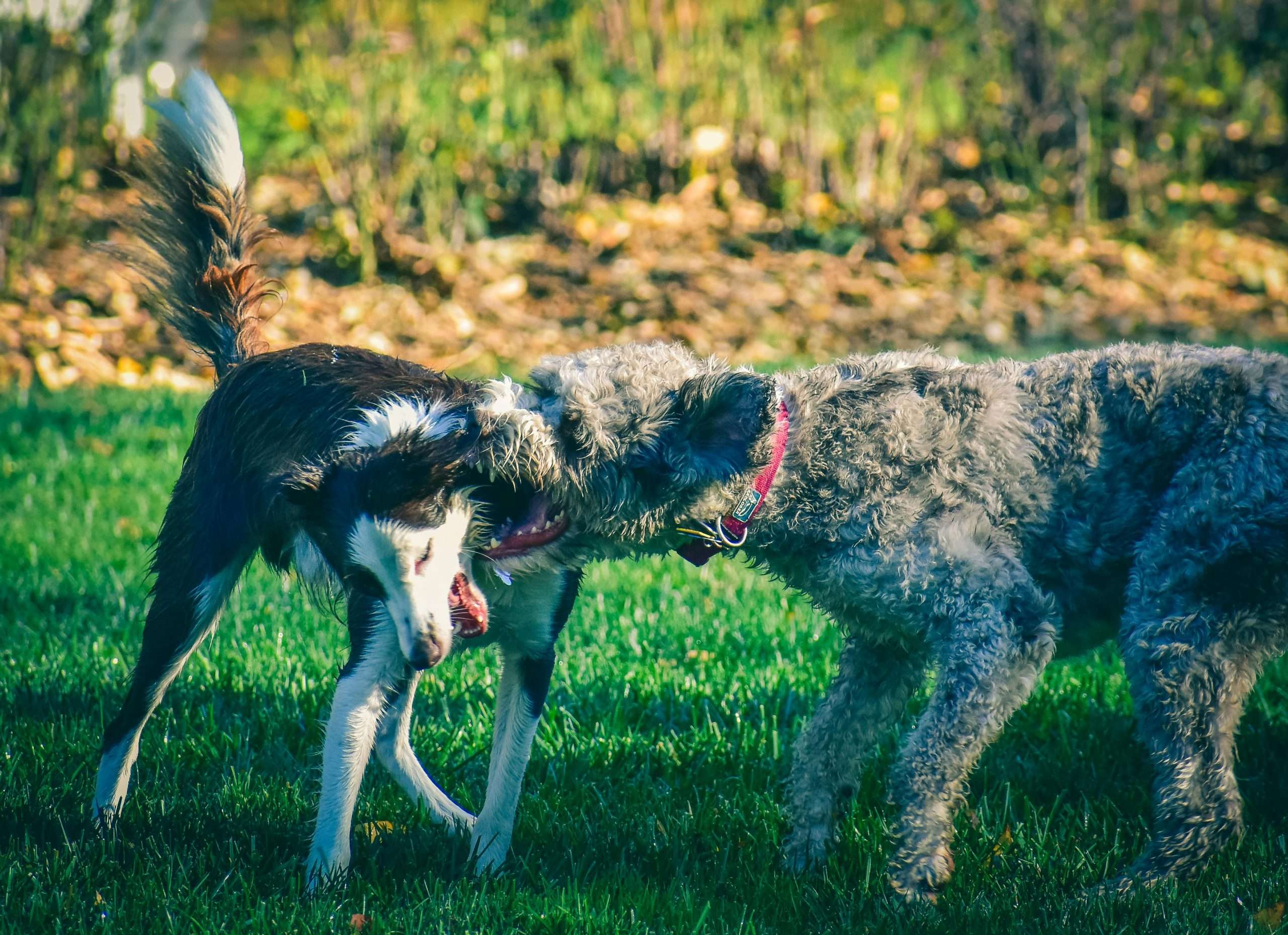
It’s important to know that not all interactions between dogs are fights. Sometimes, what may seem like a dog fight is actually rough play. To distinguish between the two, look for signs of aggression versus playful behavior. Playful dogs often have relaxed body language, wagging tails, and open mouths. In contrast, dogs in an aggressive fight will display stiff body language, growl deeply, and show bared teeth.
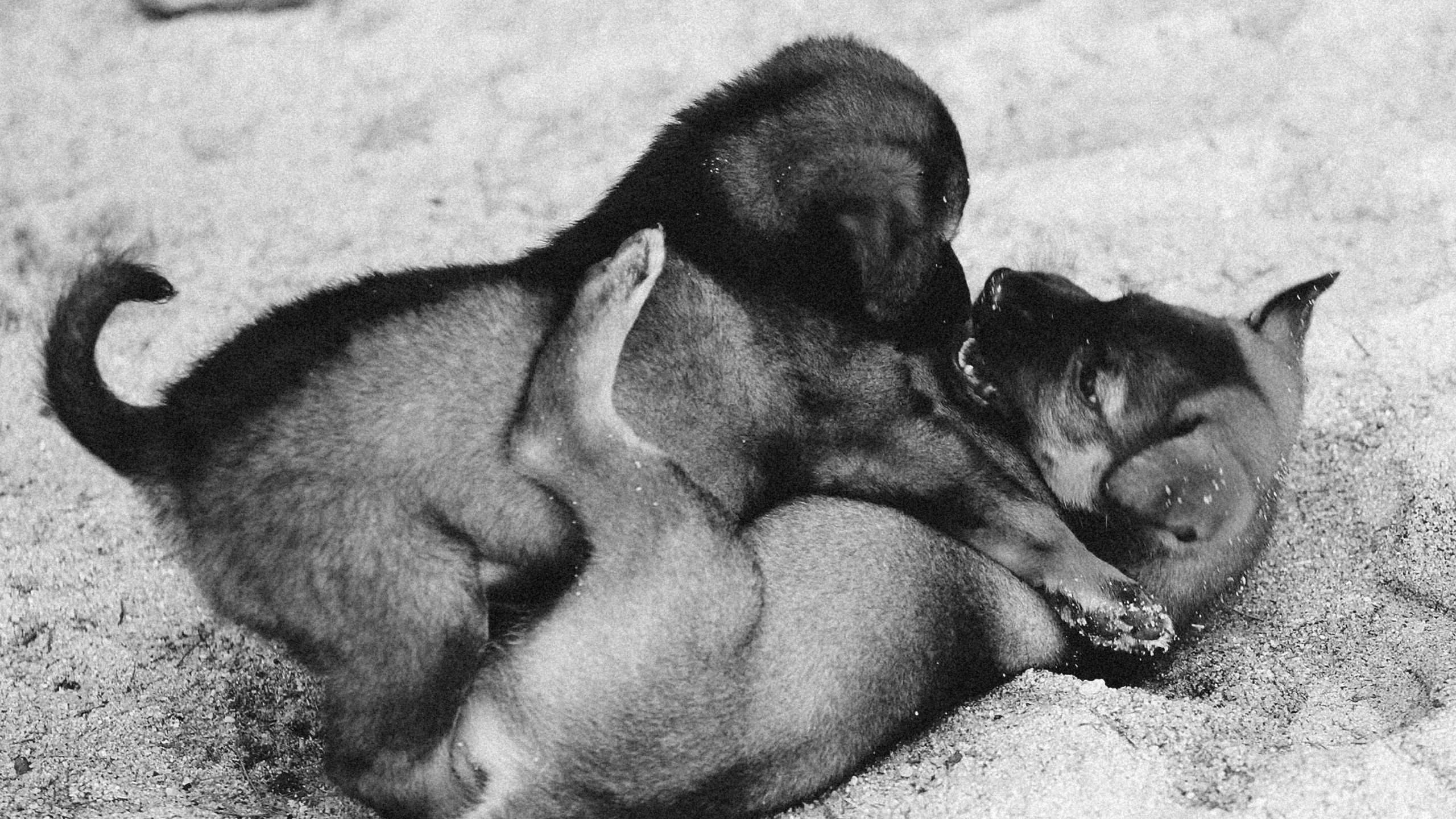
Recognizing the difference between a play fight and a true dog fight is essential in knowing how to react. If you’re unsure, err on the side of caution and separate the dogs.
Final Thoughts
Dog fights can be distressing for any pet owner, but with the right knowledge and techniques, you can break up a dog fight safely and minimize the risk of injury to yourself and your pets. Distracting the dogs, creating a physical barrier, and using the wheelbarrow method to pull your dog away are key strategies to keep in mind. However, preventing fights from happening in the first place is the best course of action.
If your dogs have a history of aggression or you’re unsure how to manage their behavior, working with a professional trainer can help address the root cause of the problem and create a safer environment for all involved.
By staying calm, knowing when to intervene, and taking steps to prevent future dog fights, you can ensure your dog’s safety and well-being in any situation.