10 Proven Techniques for Training Your Puppy


Welcome to our comprehensive guide on puppy training tips! Training your puppy is a rewarding journey that helps establish a strong bond and lays the foundation for a well-behaved canine companion. A well-trained puppy not only brings joy and companionship but also ensures a harmonious living environment for both the puppy and its owners. If you’re a new puppy parent or seeking effective training techniques, you’ve come to the right place. Training your mischievous furball does not have to be a snooze-fest; it can be filled with laughter, silly moments, and unforgettable memories. So, buckle up and prepare to embark on a pawesome journey of training your puppy. In this article, we will share eleven proven techniques that will help you train your puppy successfully.
1) Start Early

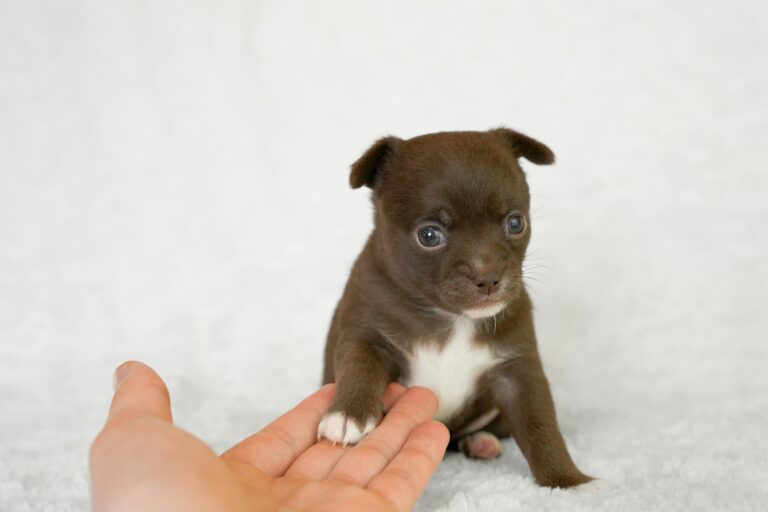
The early days of puppyhood are filled with adorable moments, boundless energy, and endless opportunities for learning. This is the perfect time to start laying the groundwork for a well-behaved furry companion.

Just like human babies, puppies have a critical learning period during their early months. This period often referred to as the “imprint period,” is when puppies are most receptive to new experiences, socialization, and learning.
By beginning training during this crucial stage, you can shape your puppy’s behavior, instill good habits, and prevent the development of undesirable behaviors later on.
2) Positive Reinforcement

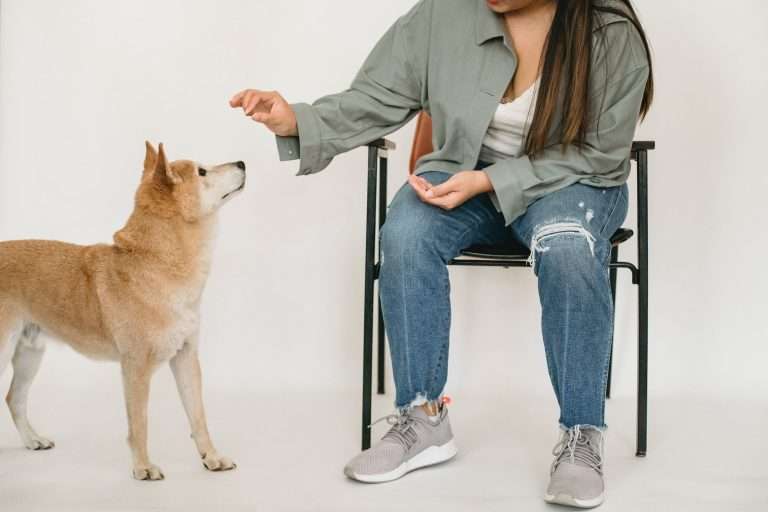
Use positive reinforcement training methods throughout your puppy’s training journey. Offer rewards like treats, praise, and affection to reinforce the desired actions, encouraging your puppy to repeat them.
The training techniques used should align with positive reinforcement methods. Any form of punishment or harsh training methods should be avoided. Keep training sessions short and fun to maintain your puppy’s interest and focus.
3) Potty Training
Teaching your puppy appropriate elimination habits is crucial for a harmonious living environment. Create a designated potty area and establish a clear signal.
Consistency, frequent potty breaks, positive reinforcement for eliminating in the designated area, supervising your puppy’s behavior, and reading your puppy’s signals are key elements of successful potty training
4) Basic Care and Commands
Teach your puppy basic commands such as sit, stay, and come. These commands form the foundation of obedience training and help establish control and communication between you and your puppy.
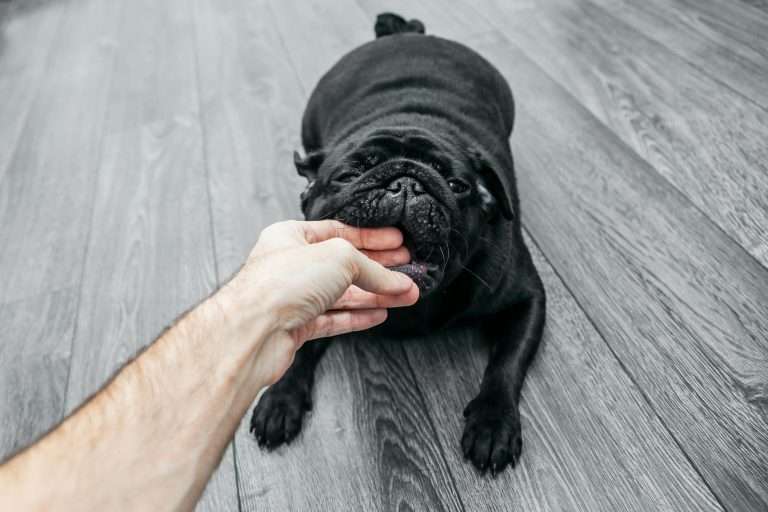
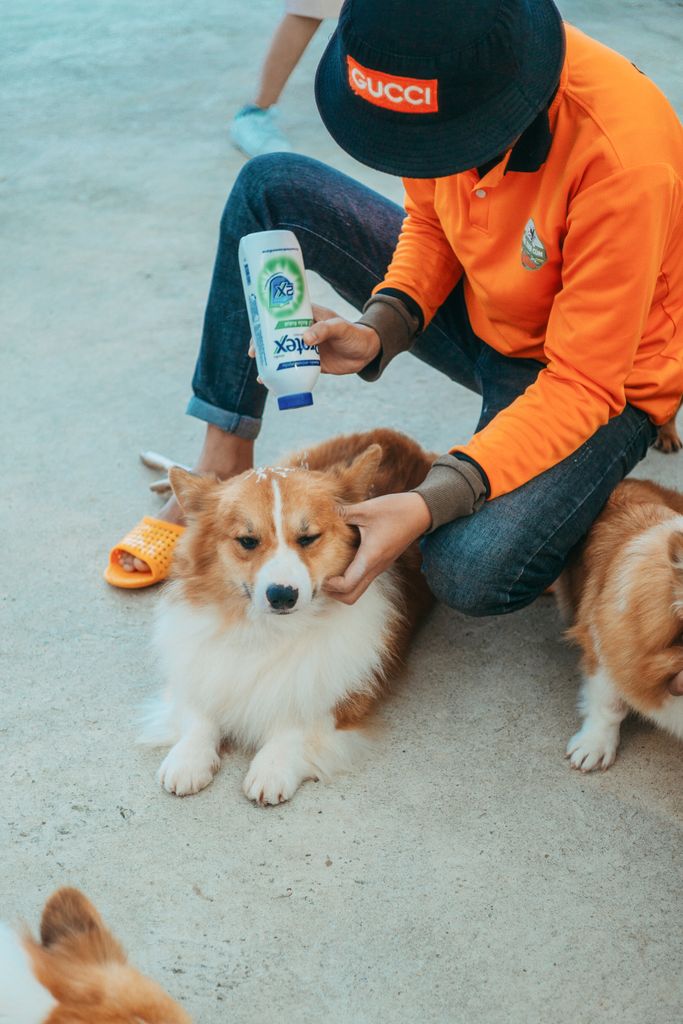
Getting your puppy comfortable with being handled, including touching their paws, ears, teeth, and body, prepares them for grooming sessions, veterinary visits, and basic hygiene care. Regularly handling your puppy gently and positively helps build trust and ensures stress-free experiences.
5) Socialization
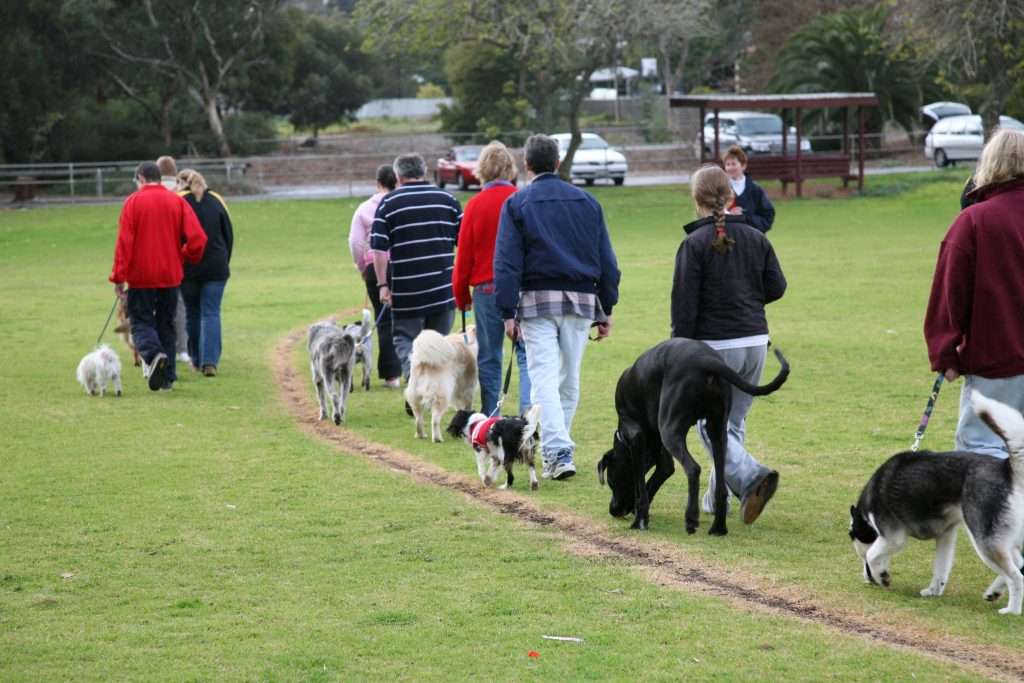
Exposing your puppy to various people, animals, environments, and situations during their early months helps them develop social skills and become confident and well-adjusted dogs.
Puppy socialization exercises like desensitizing your puppy to loud noises, introducing stimuli in a controlled manner, reinforcing good behavior in public settings practicing gentle touch and petting along with puppy socialization classes, controlled interactions, and supervised play dates contribute to a well-socialized puppy.
7) Crate Training
Crate training helps your puppy learn to see their crate as a safe and comfortable den-like space. It aids in potty training, prevents destructive behavior when unsupervised, and provides a sense of security for your puppy. It is an effective way to provide a safe space for your puppy and teach them bladder control.
Use positive reinforcement to make the crate a positive and comfortable environment for your puppy. Gradually familiarize your puppy with the crate and avoiding negative associations with it will help in making the crate a safe space for your puppy.
8) Leash Training
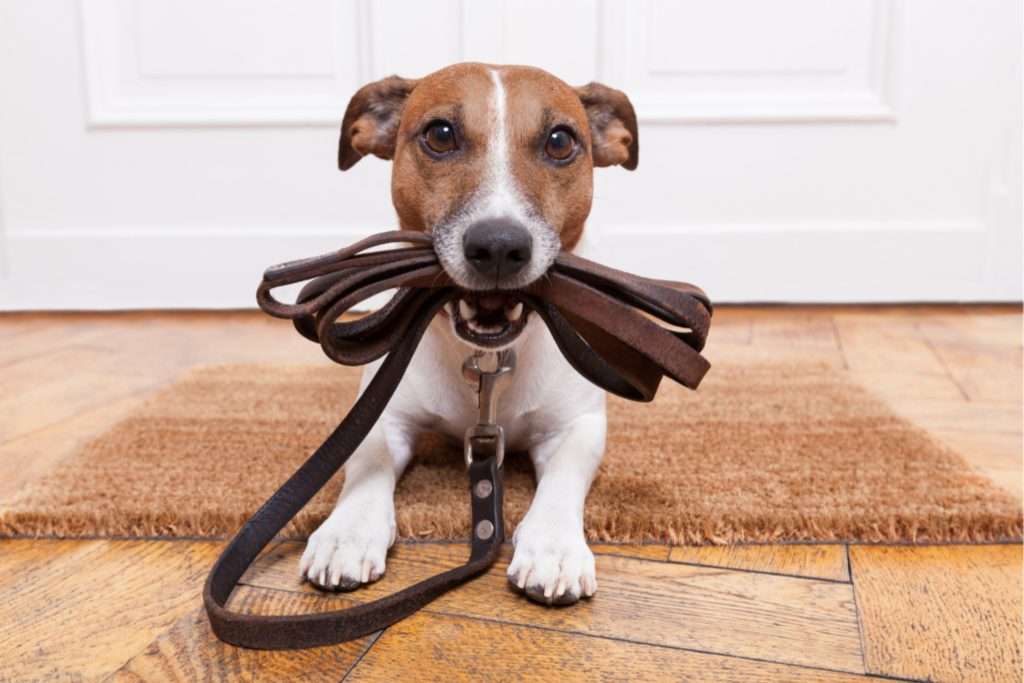
Leash walking is an essential skill for any dog, providing both safety and enjoyable outings for you and your furry companion. However, teaching your dog to walk politely on a leash requires patience, consistency, and effective training techniques.
Start with short, positive training sessions, rewarding your puppy for walking beside you without pulling. Practice a controlled walking speed and incorporate socialization into leash walking by positive reinforcements.
8) Clicker Training
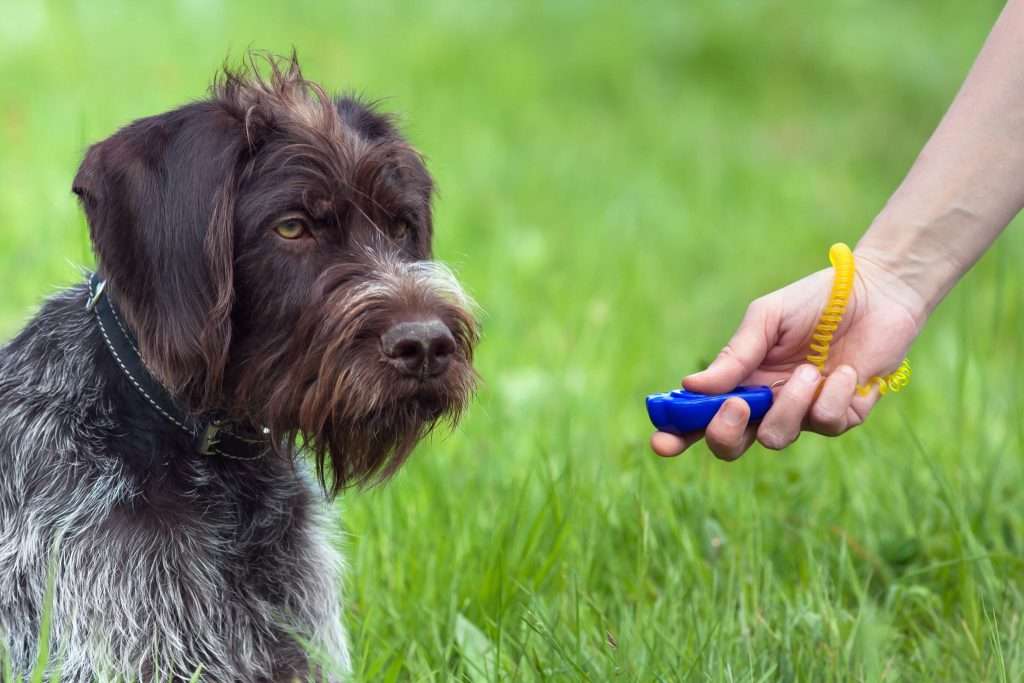
Clicker training is an incredibly effective and popular method for training puppies, harnessing the power of positive reinforcement to shape their behaviors.
By utilizing a clicker (a handheld device that emits a distinct sound), you can precisely mark desired actions and communicate with your puppy in a way that is both clear and rewarding. Start by selecting the right clicker for training and establish a clicker routine.
Use the clicker to mark and reinforce desired actions. Clickers can be used to guide your puppy toward desired behaviors. You can gradually transition from the clicker to verbal cues in the training process.
9) Distraction Training
Teaching your puppy to focus on you and follow commands amidst distractions is essential for their safety and obedience. Gradually exposing them to distractions while practicing commands and rewarding their focus and response helps strengthen their ability to concentrate.
10) Consistency is Key
Consistency is crucial when training a puppy. Establish clear rules and routines, and ensure that everyone in the household follows them consistently. This helps your puppy understand what is expected of them. Training a puppy requires patience and persistence. Remember that puppies are learning and exploring the world around them. Stay calm, be consistent, and never resort to punishment-based training methods.
11) Seek Professional Help
If you’re facing challenges or struggling with your puppy’s training, don’t hesitate to seek professional help. Professional dog trainers can provide guidance, personalized training plans, and additional support.
Conclusion
Training your puppy is an exciting and fulfilling journey that sets the foundation for a well-behaved and happy dog. By starting early, using positive reinforcement, and being consistent in your training methods, you can shape your puppy’s behavior and instill good habits. Potty training, basic commands, crate training, leash walking, clicker training, socialization, and distraction training are all important aspects of puppy training that contribute to a well-rounded and well-behaved companion. Remember to be patient, persistent, and seek professional help if needed. Enjoy the process and create a strong bond with your furry friend that will last a lifetime.