How to Handle Vet Visits Without Stress for Your Dog

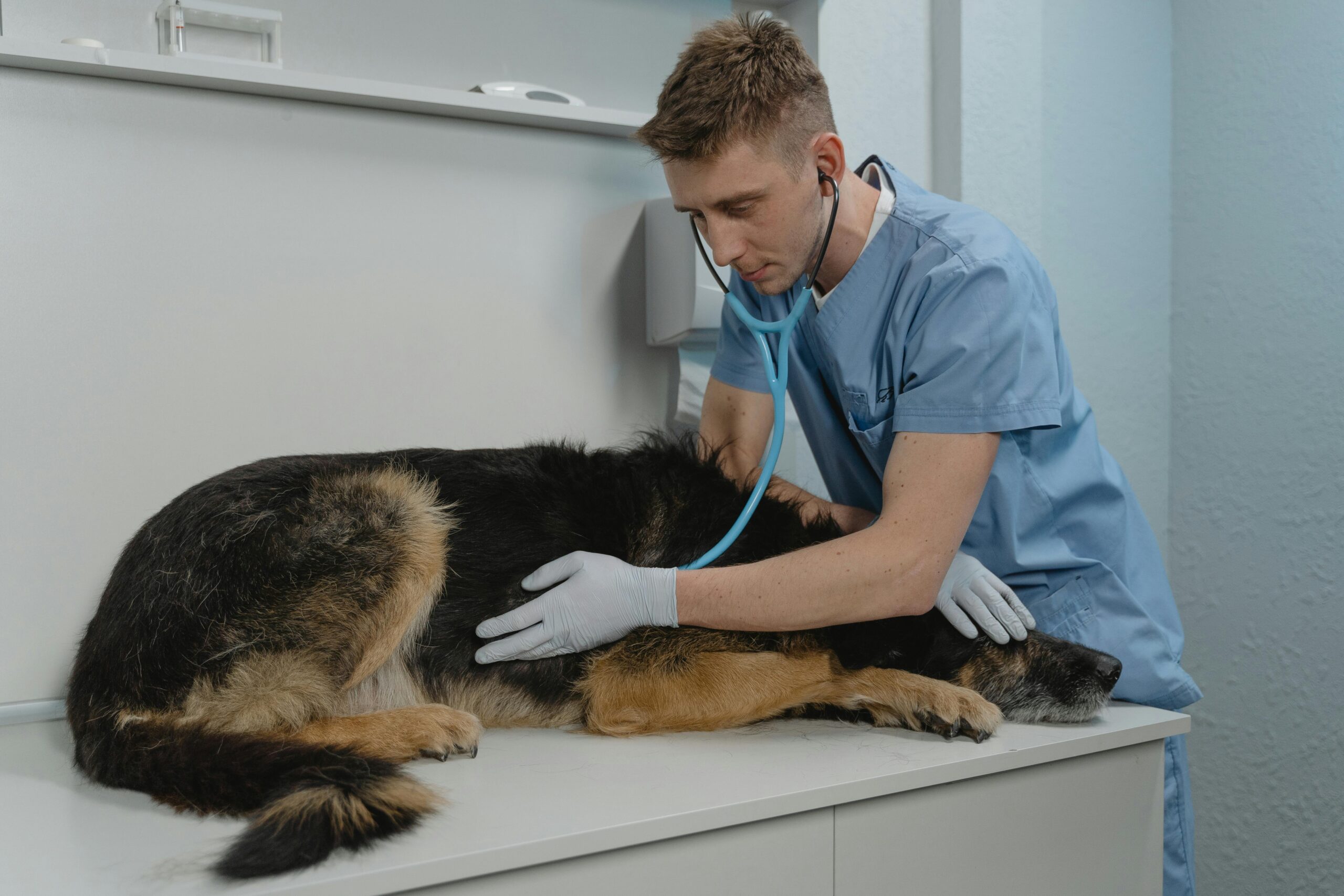
Taking your dog to the clinic is not always easy. For many pet owners, vet visits come with nervous pacing, whining, or even resistance at the door. While this is common, it does not have to stay that way. With the right preparation and a better understanding of your dog’s behavior, vet visit can become calmer and more manageable over time.
Dogs react strongly to unfamiliar environments. The sounds, smells, and handling at a clinic can feel overwhelming, especially if they have had a negative experience before. The good news is that small changes in how you prepare and respond can make a noticeable difference. Building positive associations and reducing fear step by step helps your dog feel safer during vet visit.

Understanding why your dog feels anxious is the first step toward improving the experience.
Understanding Fear Around Vet Visit
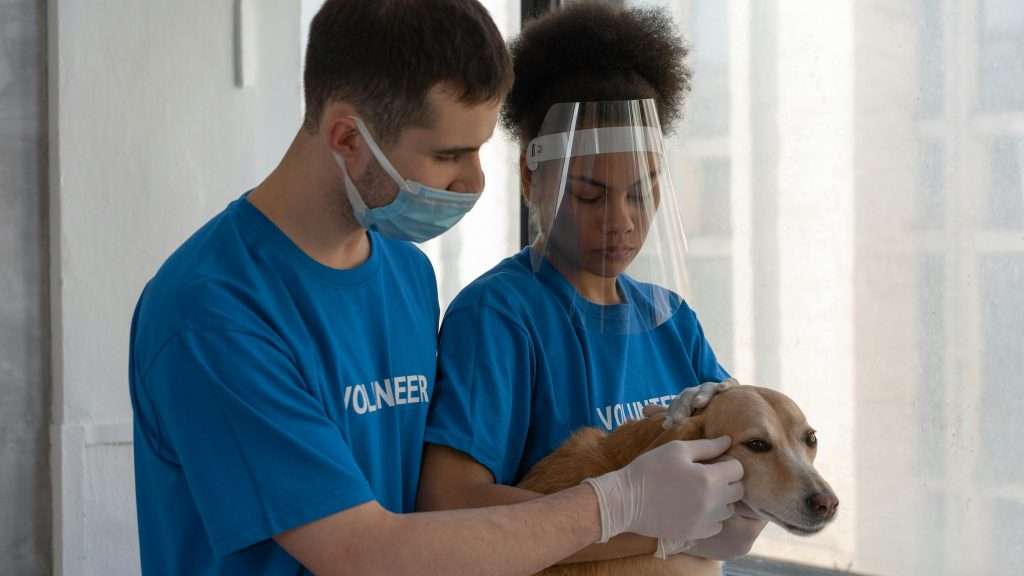
Dogs do not naturally understand why they are being taken to a clinic. To them, it often feels like being placed in an unpredictable situation.
Why Dogs Develop Anxiety During Vet Visits
There are a few common reasons dogs struggle during vet visits. One major factor is unfamiliar surroundings. Veterinary clinics have strong smells, new people, and other animals, all of which can trigger stress. Even a confident dog may feel uneasy in such an environment.
Past experiences also play a role. If a dog associates the clinic with pain, restraint, or discomfort, they are more likely to resist future vet visits. Even one negative experience can leave a lasting impression.
Handling is another challenge. During exams, dogs are touched in ways they may not be used to. This includes checking their ears, mouth, or paws. Without prior exposure, this can feel threatening.
Related reads:
How Weather Changes Affect Your Dog’s Mood and Behavior
Signs Your Dog Is Stressed During Vet Visits
Recognizing stress signals can help you act early. Dogs often show clear signs when they are uncomfortable during vet visits. Some of the most common include panting, trembling, or trying to hide. Others may refuse treats, even if they usually love food.
Some dogs become overly still, almost frozen. This is often mistaken for calm behavior, but it can actually mean they are overwhelmed. On the other hand, some dogs may bark, growl, or try to escape.
Paying attention to these signals allows you to adjust your approach and support your dog better during vet visits.
How to Prepare Your Dog Before a Vet Visit
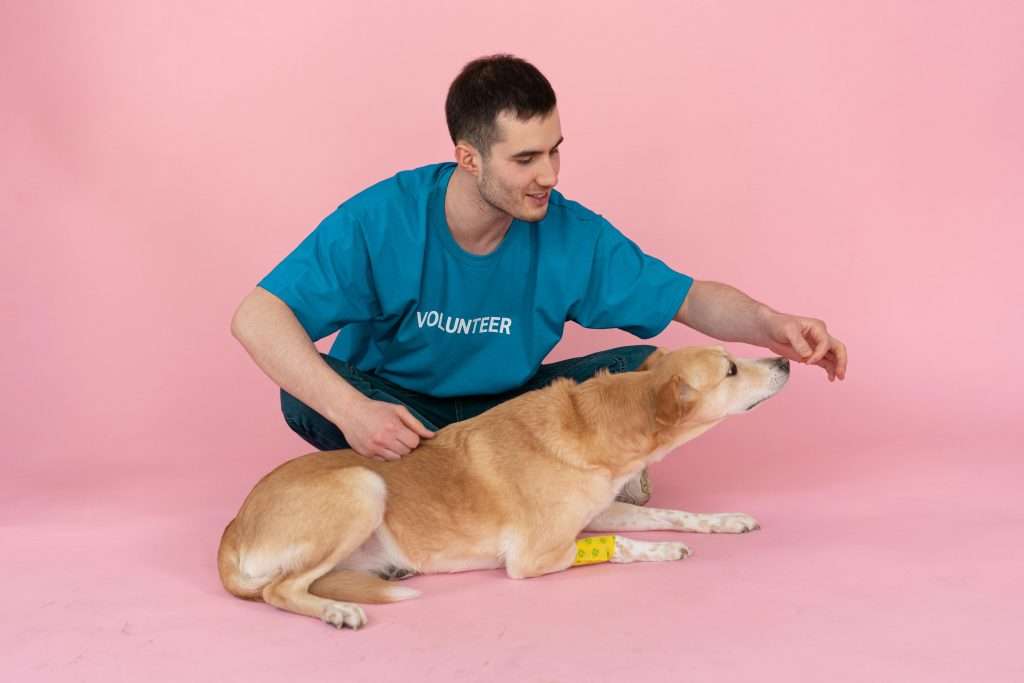
Start Early Conditioning for Better Vet Visits
If you have a puppy, early exposure is one of the best things you can do. Gentle handling at home helps them get used to being touched. This includes holding their paws, checking their ears, and opening their mouth briefly.
For older dogs, it is still possible to build comfort. Start slowly and reward calm behavior. Over time, this reduces fear linked to vet visit.
Practice Vet Like Handling at Home Before Vet Visits
You can recreate simple exam situations at home. Touch your dog’s paws, lift their ears, and gently check their teeth. Keep sessions short and positive.
Reward your dog with treats or praise each time they stay calm. This helps them associate handling with something positive instead of stressful. Practicing regularly prepares them for real vet visits without pressure.
Use Positive Reinforcement to Improve Vet Visits
Positive reinforcement is one of the most effective tools. Every time your dog shows calm behavior, reward it. This could be with treats, toys, or affection.
Avoid forcing your dog into uncomfortable situations. Pushing them too quickly can increase fear around vet visits. Instead, move at their pace and build confidence gradually.
Try Happy Visits to Reduce Fear of Vet Visits
Happy visits are short trips to the clinic without any medical procedures. You simply take your dog there, let them explore, and reward them with treats.
These visits help change how your dog feels about the environment. Instead of associating the clinic only with stress, they begin to see it as a neutral or even positive place. Over time, this makes real vet visits less intimidating.
Smart Planning for Stress-Free Vet Visit
Choose the Right Time for Vet Visits
Try to book appointments during quieter hours. Busy waiting rooms can overwhelm dogs with noise and activity. Early morning or weekday slots are often less crowded.
A calmer environment makes it easier for your dog to stay relaxed during vet visits.
Prepare Essentials for Smooth Vet Visits
Bring items that comfort your dog. A favorite blanket or toy can provide a sense of familiarity. Treats are also useful for rewarding calm behavior during the visit.
Having these items on hand helps distract your dog and creates a more positive experience.
Keep Travel Calm Before Vet Visits
For some dogs, the stress starts before reaching the clinic. Car rides may already be associated with vet visits, which increases anxiety.
Practice short, relaxed car trips that do not end at the clinic. This helps break the connection between the car and stressful experiences. Keeping travel calm sets the tone for the entire visit.
What to Do During Vet Visit
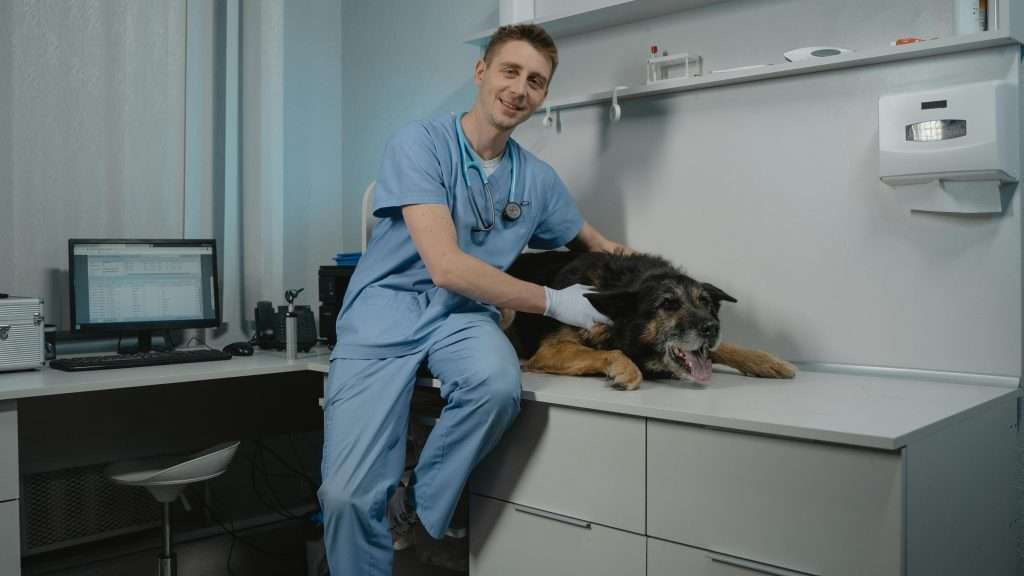
What you do during the appointment matters just as much as preparation. Your behavior can influence how your dog feels.
Minimize Waiting Room Stress During Vet Visits
If the waiting area is crowded, consider staying outside or in your car until your turn. This reduces exposure to noise and other animals.
Giving your dog some space helps them stay calmer before the actual exam during vet visits.
Stay Calm and Supportive During Vet Visits
Dogs are very sensitive to human emotions. If you feel anxious, your dog is likely to pick up on it. Staying calm and speaking in a gentle tone can reassure them.
Avoid reacting strongly to their fear. Instead, offer quiet support. Your presence can help them feel more secure during vet visits.
Work With Your Vet for Better Vet Visit
Communication with your vet is important. Let them know if your dog is anxious or has had a difficult experience before. Many clinics are open to adjusting their approach.
They may use slower handling techniques or allow breaks during the exam. Working together creates a more positive experience during vet visits.
Common Mistakes to Avoid During Vet Visit
Sometimes, small mistakes can make the situation harder without realizing it. Avoid forcing your dog into situations they are not ready for. This can increase fear instead of reducing it.
Ignoring stress signals is another common issue. If your dog shows signs of discomfort, take a step back and adjust your approach.
Finally, try not to show frustration. Dogs respond to your energy, and staying patient helps them feel safer.

![Tips to Prevent Dehydration and Heat Stroke in Dogs [2024]](https://100dogbreeds.com/wp-content/uploads/2024/09/heat-stroke-in-dogs-768x512.jpg)