How to Help Your Dog Adjust to a New Home Easily

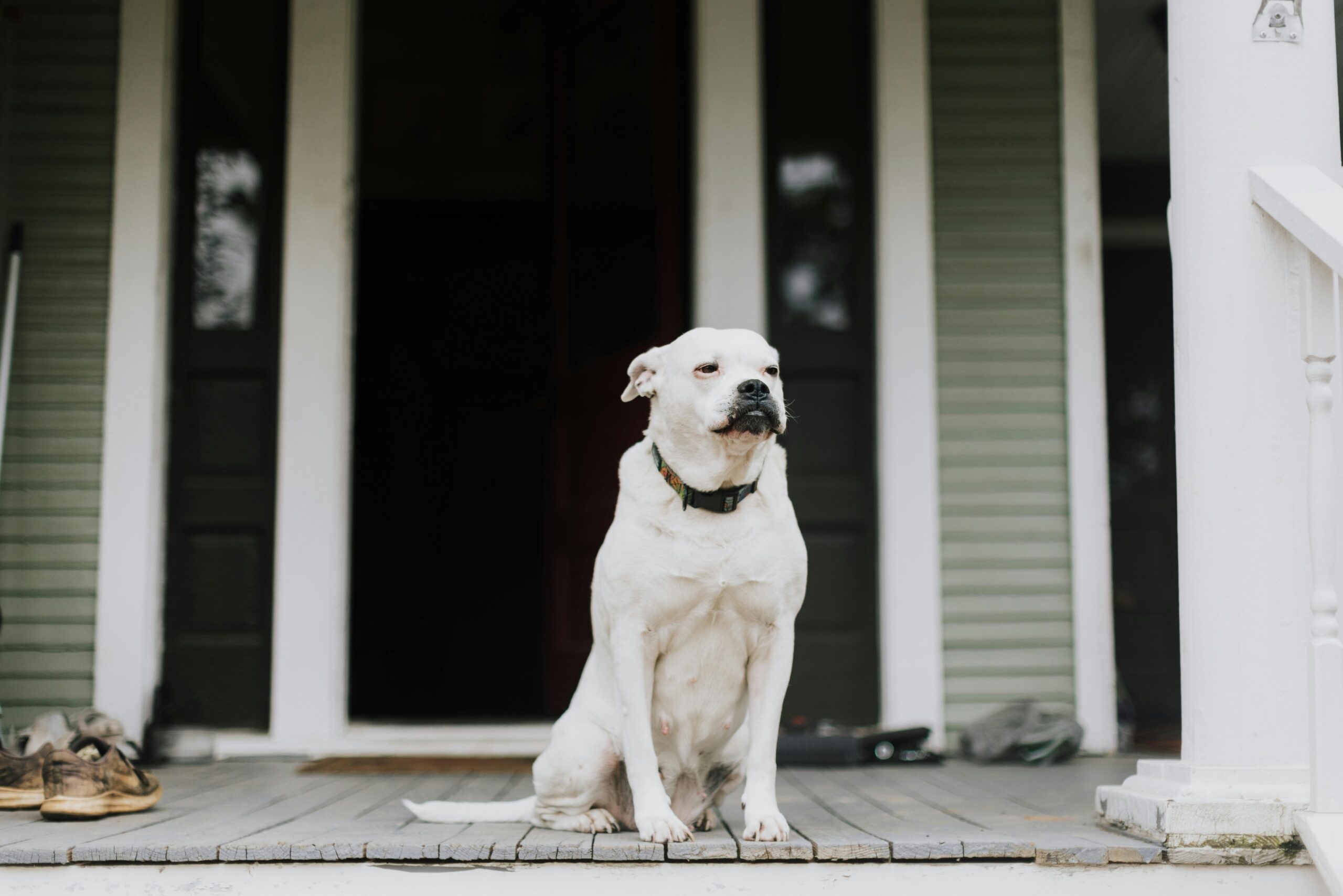
Moving into a new home can feel exciting for you, but for your dog, it can be confusing and overwhelming. New smells, unfamiliar spaces, and changes in routine can make them anxious or unsure. Helping your dog adjust to this new environment takes a bit of patience, consistency, and understanding. With the right approach, you can make the transition smoother and help your dog feel safe and settled much faster.
Why It Takes Time for a Dog Adjust to a New Home
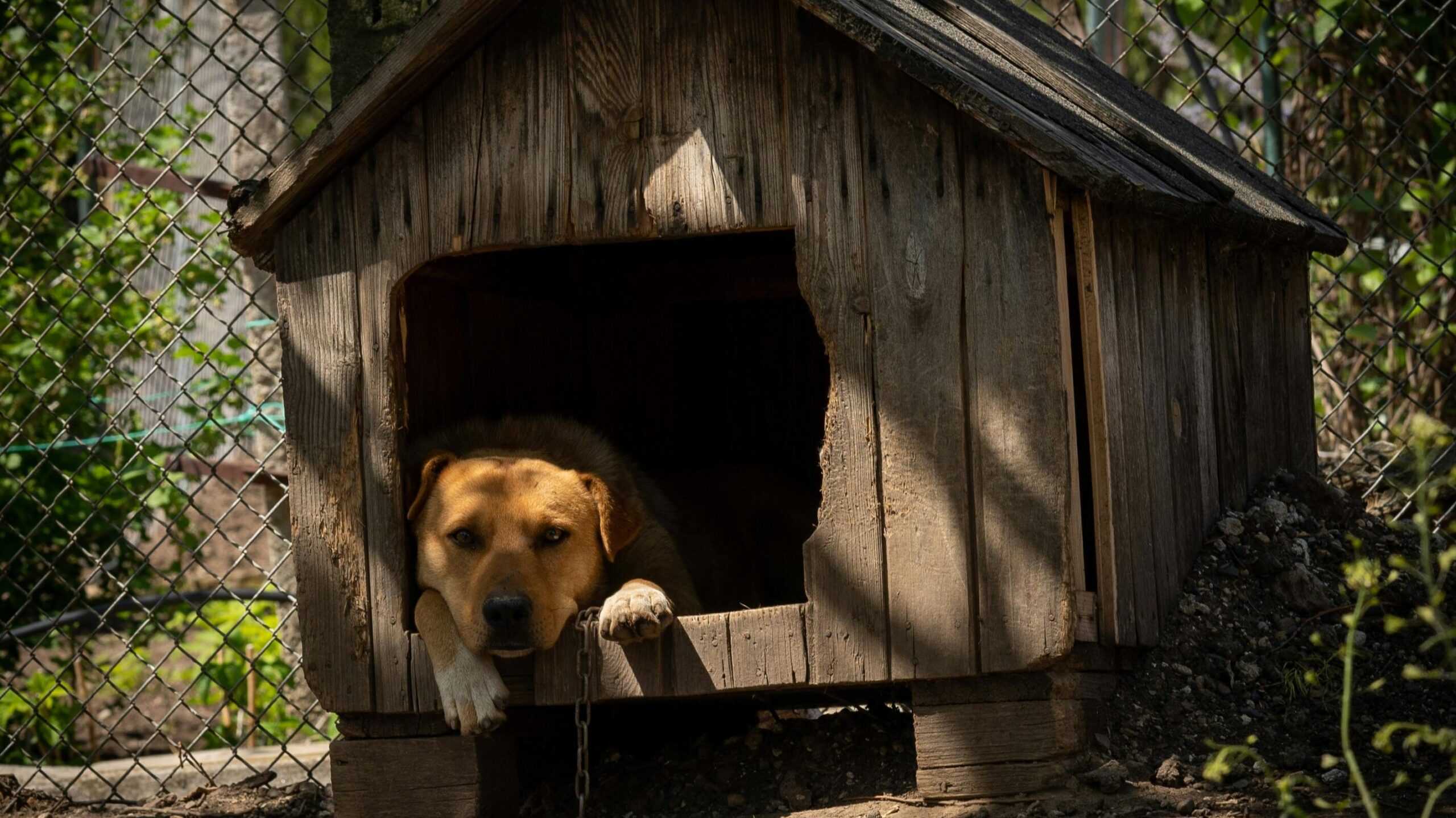
Dogs don’t understand moving the way humans do. They rely heavily on familiarity, especially scents and routines. When everything changes at once, it can feel like their entire world has shifted overnight. This is why the dog adjust process is not instant.

A useful way to understand this is the 3-3-3 rule. In the first three days, your dog may feel overwhelmed and anxious. During the first three weeks, they begin to settle in and learn your routine. By the end of three months, most dogs feel comfortable and fully adjusted.
Understanding this timeline helps you stay patient. Instead of expecting your dog to settle immediately, you allow the adjusting process to happen naturally over time.
Before the Move: Prepare Your Dog to Adjust Better
What you do before moving plays a big role in how easily your dog adjust later. A little preparation can reduce stress significantly.
Start by keeping familiar items ready. Your dog’s bed, favorite toys, and blankets carry their scent and provide comfort. Avoid washing these items before the move, as the familiar smell helps your dog adjust more quickly in the new space.
If possible, let your dog visit the new home before moving in. Even a short visit helps them get used to the environment. It reduces the shock of entering a completely unknown space on moving day.
Moving day itself can be chaotic. Try to keep your dog in a calm, safe area or with someone they trust. Too much noise and activity can make it harder for your dog adjust to the change.
First Day at Home: Help Your Dog Adjust Without Stress
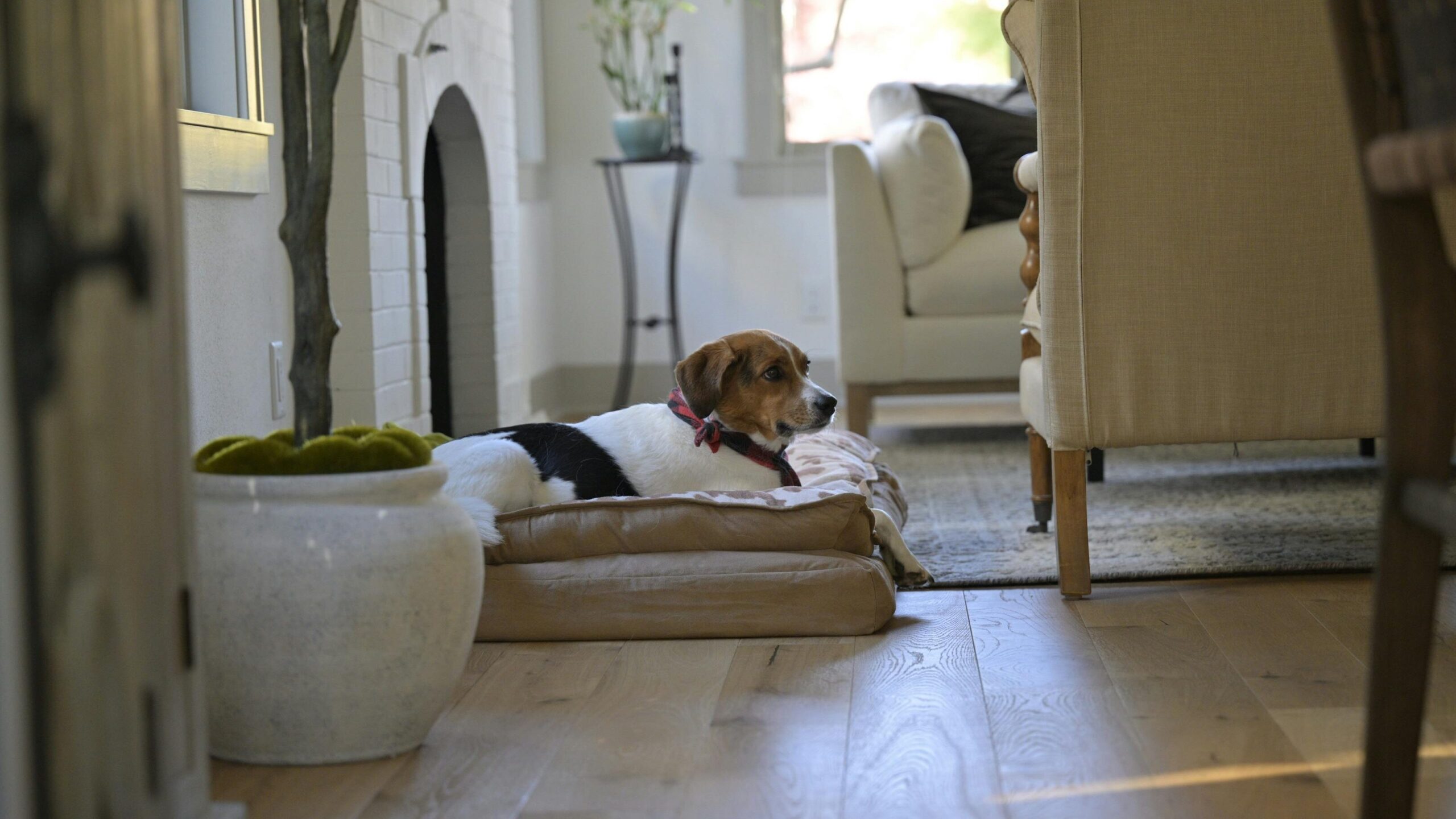
The first day sets the tone for how your dog adjust to the new home. Instead of letting them roam freely right away, introduce the space gradually.
Bring your dog in calmly and avoid overwhelming them with excitement. Show them essential areas first, like where they will sleep and where they can go outside. This helps them feel a sense of structure from the start.
Limiting their access to one room or a small area in the beginning can make a big difference. Too much space at once can feel intimidating. Giving them a smaller, controlled environment helps your dog adjust without feeling lost.
Create a Safe Space to Help Your Dog Adjust Faster
Every dog needs a place where they feel secure. Setting up a dedicated corner with their bed and toys creates a sense of familiarity. This safe space becomes their go to spot when they feel unsure.
Whether it is a crate, a quiet room, or a specific corner, this area helps your dog adjust by giving them a sense of control. When everything else feels new, having one consistent place makes a big difference.
Make sure this space is quiet and free from too much foot traffic. It should feel calm and predictable.
Related reads:
The Ultimate First Time Dog Owner Checklist [2024]
Build a Routine That Helps Your Dog Adjust Naturally
Routine is one of the most powerful tools when it comes to helping a dog adjust. Dogs feel more secure when they know what to expect.
Try to keep feeding times, walks, and bedtime consistent every day. Even if your surroundings have changed, a steady routine gives your dog a sense of stability.
Avoid making too many changes at once. For example, do not switch their diet immediately after moving unless necessary. Keeping things consistent helps your dog adjust faster and reduces stress.
Let Your Dog Adjust at Their Own Pace
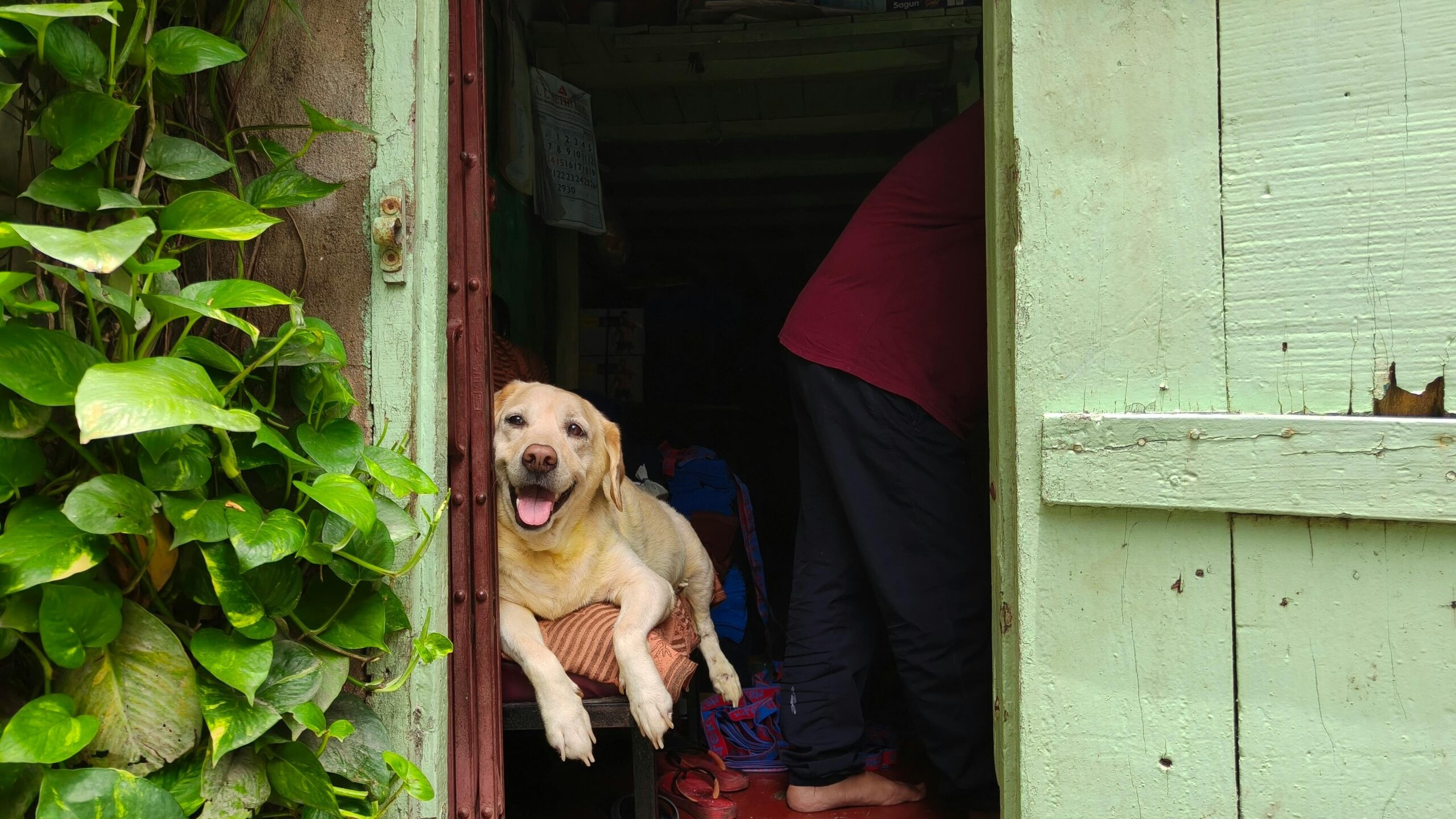
Every dog is different. Some may explore right away, while others may hide or stay close to you. It is important to respect your dog’s personality and let the dog adjust process happen at their own pace.
Avoid forcing them to explore or interact. Instead, encourage them gently and reward small steps, like walking into a new room or approaching something unfamiliar.
Patience is key here. The more relaxed you are, the easier it becomes for your dog adjust naturally without pressure.
Common Mistakes That Slow Down Dog Adjust Process
There are a few common mistakes that can make it harder for your dog adjust to a new home.
Giving your dog too much freedom too soon is one of them. While it might seem like a good idea, it can overwhelm them. Gradual access works better.
Changing their diet immediately is another mistake. A sudden food change, combined with a new environment, can upset their stomach and add to their stress.
Inviting too many people over in the first few days can also be overwhelming. Your dog needs time to settle before meeting new faces.
Leaving your dog alone for long periods right away can increase anxiety. Start with short durations and gradually increase the time. Avoiding these mistakes helps your dog adjust more smoothly.
Signs Your Dog Is Adjusting Well or Not
It is helpful to know whether your dog adjust process is going well. There are clear signs that show progress.
Positive signs include eating normally, showing curiosity, and having relaxed body language. These indicate that your dog is starting to feel comfortable.
On the other hand, signs like hiding, whining, loss of appetite, or accidents inside the house may mean your dog is still stressed. These behaviors are common in the early stages but should improve over time as your dog adjust.
How Your Behavior Affects How Your Dog Adjust
Dogs are very sensitive to your emotions. They pick up on your tone, energy, and behavior. If you are stressed or anxious, your dog is likely to feel the same way.
Staying calm and positive can make a big difference in how your dog adjust to the new home. Speak in a reassuring tone and maintain a relaxed attitude.
Your confidence helps your dog feel safe. In many ways, your behavior sets the emotional tone for the entire dog adjust process.
Helping Your Dog Adjust to a New Neighborhood
Adjusting does not stop inside the house. Your dog also needs time to get used to the new surroundings outside.
Start with short walks around the neighborhood. Let your dog explore new smells and sounds gradually. This helps your dog adjust to the environment beyond your home.
Avoid busy or noisy areas at first. Slowly increase exposure as your dog becomes more comfortable. This gradual approach helps build confidence.
Final Thoughts
Helping your dog settle into a new home is not about rushing the process. It is about creating a sense of safety, consistency, and trust. From maintaining routines to giving them space and time, every small step contributes to how your dog adjust.
![Hand Signals for Dogs: Your Ultimate Guide[2024]](https://100dogbreeds.com/wp-content/uploads/2024/07/hand-signals-for-dogs-768x512.jpg)