The Best Dog Breeds for First-Time Owners: A Complete Guide

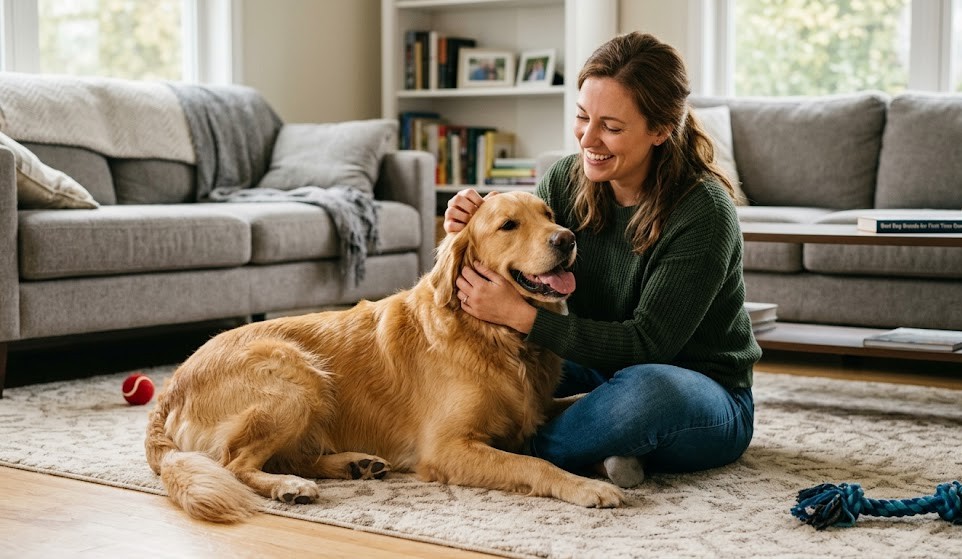
Bringing home your very first dog is an incredibly exciting milestone. It is also a major life change that comes with a steep learning curve. If you have always loved dogs but have never actually been responsible for one, you are likely wondering how to set yourself up for success. Choosing the right companion is the most important first step you can take.
The best dog breeds for first-time owners are generally eager to please, forgiving of novice mistakes, and naturally friendly. While every dog requires time, patience, and financial commitment, some breeds are simply easier to train and manage than others. A highly independent or fiercely protective working dog might overwhelm a beginner, while a companion breed will happily adapt to your daily routine.

In this guide, we will explore the traits that make a great starter dog, highlight the top breeds for beginners categorized by size, and cover a few breeds you might want to wait on until you have more experience.
What Makes a Dog Good for Beginners?
If you are looking for the easiest dogs to train and live with, focus on temperament and adaptability rather than just looks. A good first dog typically shares a few core characteristics.
To find the best match for your experience level, look for a dog with these traits:
- Eager to please: Dogs that genuinely want to make their owners happy are much easier to train using positive reinforcement.
- Forgiving nature: Beginner owners will inevitably make minor training mistakes. A resilient dog bounces back easily from inconsistent cues.
- Moderate energy levels: While all dogs need daily exercise, extreme high-energy dogs can become destructive if their needs are not met.
- Sociability: Breeds that naturally enjoy the company of strangers, children, and other pets remove a lot of the stress from daily walks and socializing.
Keep in mind that breed characteristics are general tendencies, not absolute guarantees. Early socialization and consistent training will always play a massive role in your dog’s adult personality.
Top Small Dog Breeds for First-Time Owners
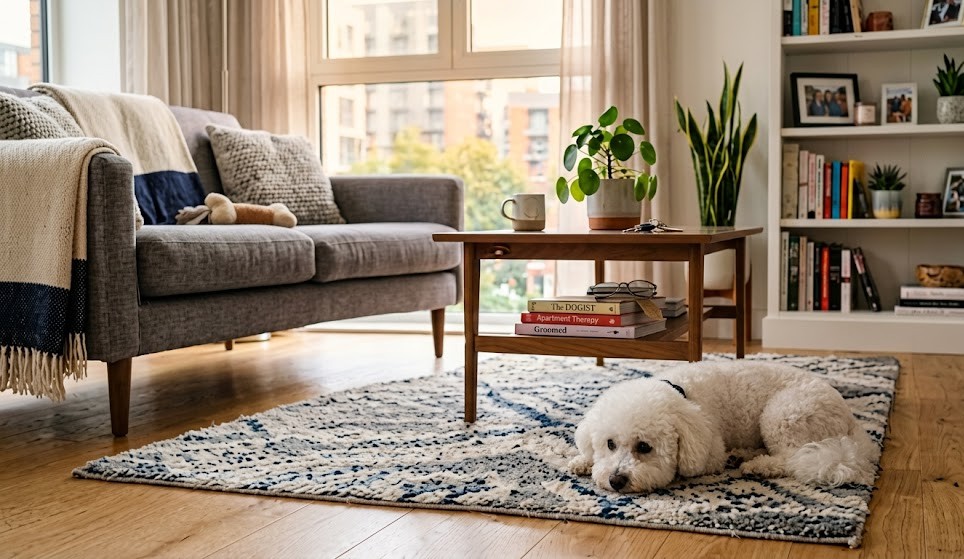
Small dogs are often highly appealing to beginners because they are physically easy to handle, cost less to feed, and fit well into apartments or smaller homes.
Cavalier King Charles Spaniel
The Cavalier King Charles Spaniel is the quintessential lap dog with a heart of gold. Originally bred to be royal companions, these dogs thrive on human connection. They are incredibly affectionate, gentle, and eager to please, making training a surprisingly smooth process for beginners.
Cavaliers have a moderate energy level. A daily walk and some indoor playtime are usually enough to keep them happy. Their long, silky coats do require regular brushing to prevent tangles, but their adaptable and loving nature makes the grooming effort well worth it.
Bichon Frise
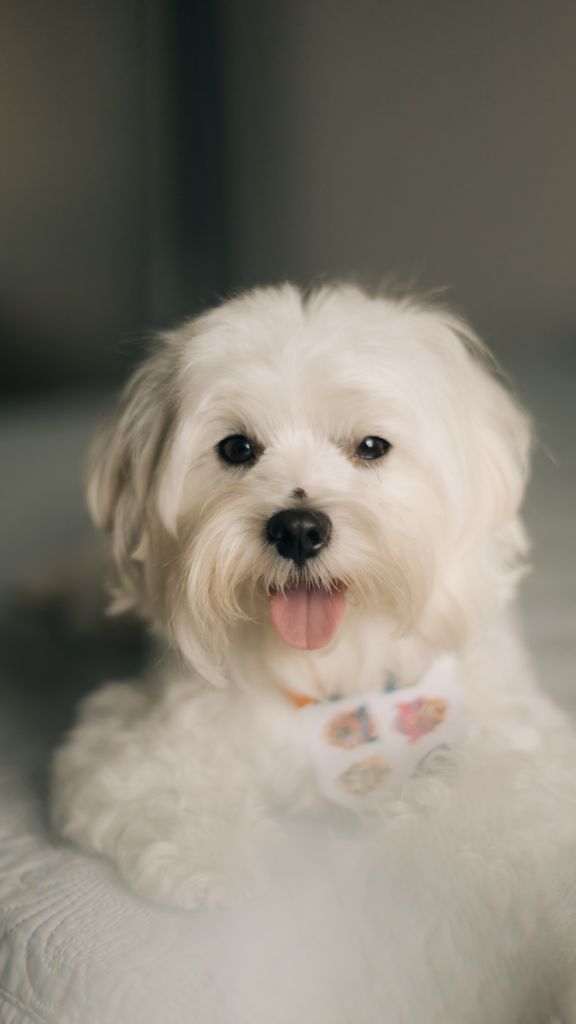
If you are looking for a cheerful, adaptable companion, the Bichon Frise is an excellent choice. These small, fluffy dogs are known for their playful personalities and ability to get along with just about everyone, including children and other pets.
Bichons are highly intelligent and respond wonderfully to positive reinforcement training. Because they have hair rather than traditional fur, they shed very little. However, this means you will need to budget for professional grooming every four to six weeks to keep their coat healthy and matt-free.
Papillon
Do not let their delicate appearance fool you; the Papillon is a sturdy, highly intelligent little dog. Named for their distinctive butterfly-like ears, Papillons are surprisingly easy to train and excel in canine sports like agility.
They are slightly more energetic than a Cavalier or a Bichon, so they will appreciate an owner who enjoys active play and teaching new tricks. Despite having a long coat, they lack a dense undercoat, making their grooming routine quite manageable for a beginner.
Top Medium and Large Dog Breeds for Beginners
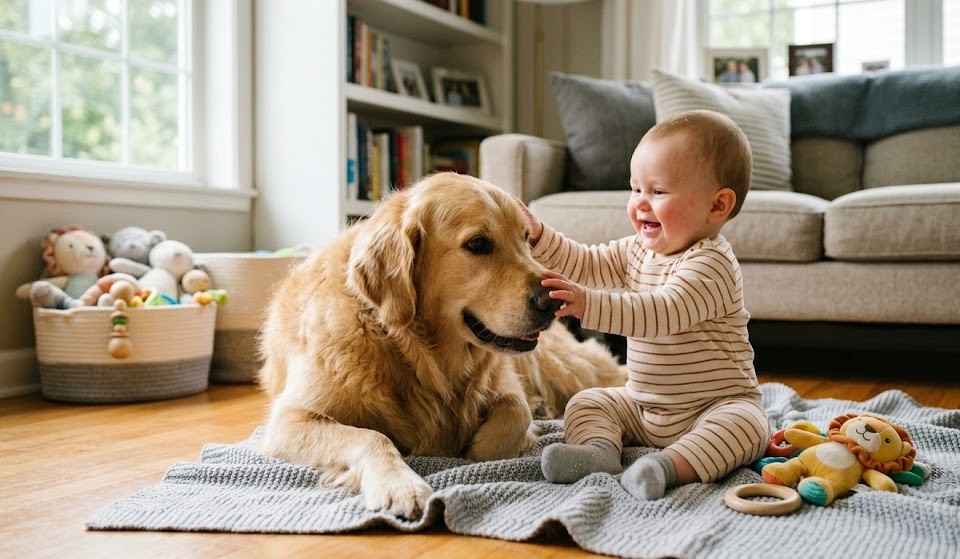
If you have the space and prefer a larger companion, there are plenty of medium and large breeds known for their steady, reliable temperaments.
Golden Retriever
There is a very good reason the Golden Retriever is constantly recommended as one of the best family dogs for beginners. Goldens are famously outgoing, trustworthy, and eager to please. Their emotional intelligence is off the charts, which is why they are frequently chosen for service and therapy work.
Training a Golden is generally a joy because they are highly motivated by food, praise, and play. They are a high-energy breed, especially in their youth, so you must be prepared to provide an hour or more of vigorous exercise daily. Regular brushing is also required to manage their heavy shedding.
Labrador Retriever
Similar to the Golden Retriever, the Labrador Retriever is a staple in the homes of first-time dog owners. Labs are famously friendly, outgoing, and high-spirited. They bond deeply with their families and are generally highly sociable with strangers and other dogs.
Labs are incredibly smart and food-motivated, making obedience training straightforward. However, they are a robust, high-energy breed that loves to chew and retrieve. You will need to provide plenty of physical exercise and sturdy chew toys to keep a Lab mentally and physically satisfied.
Greyhound
Suggesting a Greyhound as a beginner dog often surprises people who only know them as elite racers. In reality, retired racing Greyhounds are famously known as “45-mile-per-hour couch potatoes.” They are gentle, quiet, and surprisingly low-energy indoors.
A daily walk and a short opportunity to sprint in a safely enclosed area are usually all they need. Their short coats require minimal grooming. Because many adult Greyhounds are adopted through specialized rescue groups, they often come with support networks to help first-time owners adjust.
Breeds First-Time Owners Might Want to Avoid
Just as some breeds naturally set a beginner up for success, others require a level of experience, time, and handling skill that most first-time owners do not yet possess.
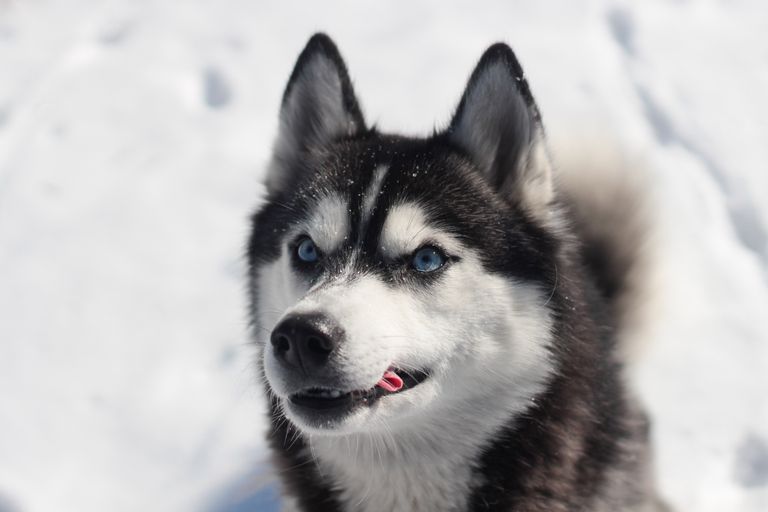
Working breeds with high drive—such as the Siberian Husky, Belgian Malinois, or Border Collie—were bred to perform intense physical jobs for hours on end. Without a “job” to do, they easily become bored, frustrated, and highly destructive.
Similarly, highly independent livestock guardian breeds (like the Anatolian Shepherd) or strong-willed guarding breeds (like the Cane Corso) require firm, highly consistent training and socialization from an experienced handler. It is usually best to wait on these magnificent dogs until you have a few years of ownership experience under your belt.
Should You Adopt a Mixed-Breed Dog?
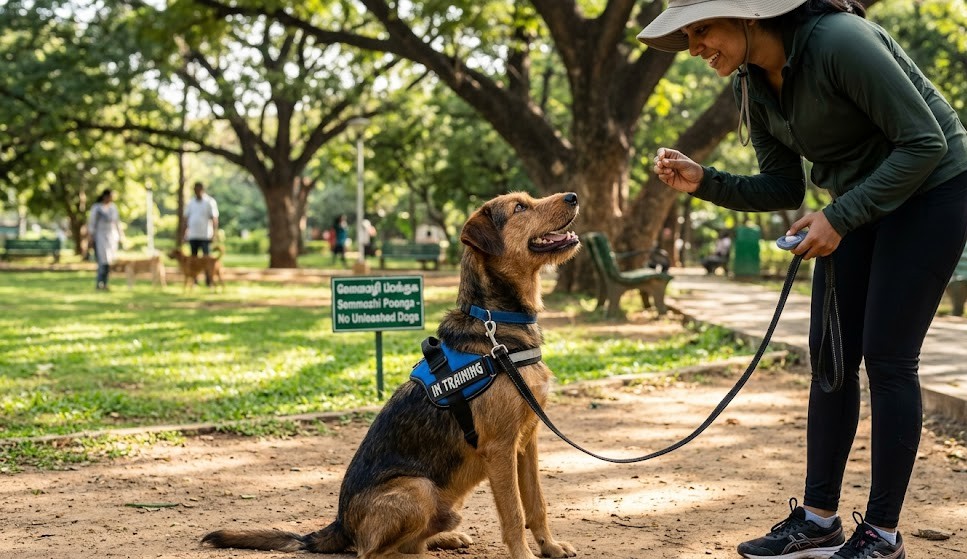
When researching the best dog breeds for first-time owners, do not overlook the incredible potential of a mixed-breed dog. Shelters and rescues are full of wonderful mutts that make spectacular first pets.
Adopting an adult mixed-breed dog from a foster-based rescue is often the absolute easiest route for a beginner. Foster parents can tell you exactly how the dog behaves in a home environment, including their energy levels, house-training status, and how they react to visitors. You bypass the difficult puppy teething and potty-training phases, bringing home a mature dog whose personality is already established.
Frequently Asked Questions
Is it better for a first-time owner to get a puppy or an adult dog?
An adult dog (aged two to five years) is often much easier for a first-time owner. Adult dogs have larger bladders, longer attention spans, and are typically past the destructive chewing phase. Puppies require intense supervision, potty breaks every few hours, and constant training.
Are large dogs harder to care for than small dogs?
Large dogs are not necessarily harder to care for, but they are more expensive to feed, medicate, and board. They also require you to have physical control over them; a poorly trained 80-pound dog pulling on a leash is a safety hazard, whereas a poorly trained 10-pound dog is a nuisance.
Can I get a dog if I work full time?
Yes, but you will need to plan accordingly. Dogs are social animals and cannot be left alone for 10 to 12 hours a day. If you work long hours away from home, you will need to budget for a daily dog walker, enroll your dog in doggy daycare, or ask a reliable neighbor to help break up your dog’s day.
How much time do I need to spend training my new dog?
Training is not just about formal sessions; it happens in every interaction. However, you should plan to dedicate about 15 to 20 minutes a day to active, structured positive reinforcement training, broken up into short five-minute intervals, especially during the first few months.
Conclusion
Choosing the right companion is the secret to a happy, low-stress introduction to dog ownership. The best dog breeds for first-time owners are those that naturally align with your living situation, budget, and daily routine. Whether you choose the affectionate Cavalier King Charles Spaniel, the ever-reliable Golden Retriever, or a sweet adult mixed breed from a local rescue, your success relies on patience, consistency, and a willingness to learn alongside your new best friend. Take your time researching, be honest about your lifestyle, and prepare yourself for one of the most rewarding relationships of your life.