

Do’s and Don’ts While Dealing with an Anxious Dog [2024]

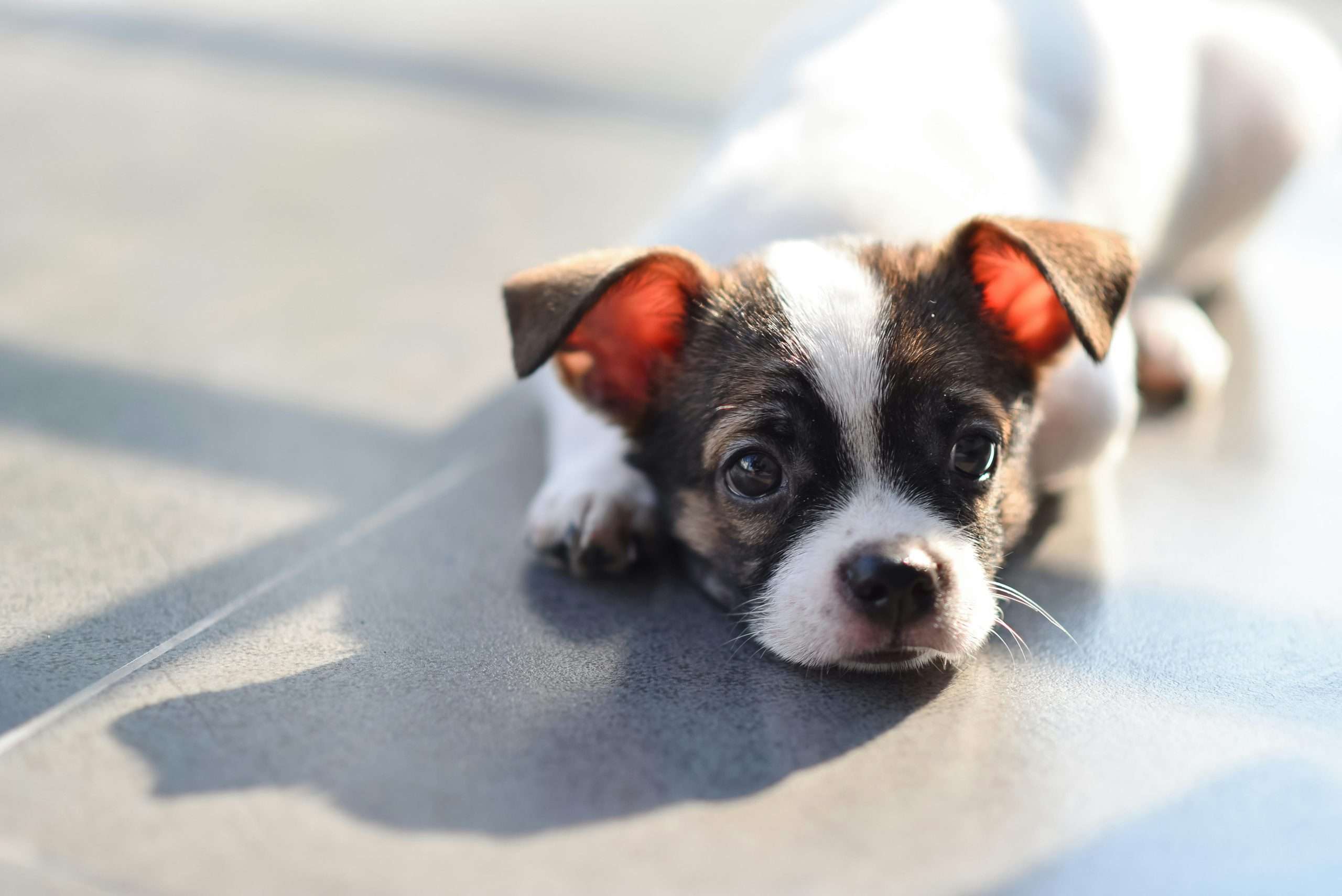
Does your dog turn into a trembling mess at the sound of thunder, or transform your living room into a disaster zone when left alone? These behaviors might signal more than just a mischievous pup – you could be dealing with an anxious dog. Surprisingly, a recent study found that 72.5% of dogs display anxiety-related behaviors, making this a widespread issue among our canine companions.
But what triggers this dog anxiety, and how can you help your four-legged friend find their inner calm? This guide cuts through the confusion, offering practical do’s and don’ts for managing canine anxiety. From creating safe spaces to avoiding common pitfalls, we’ll explore effective strategies to support your nervous pup. Ready to help your dog move from stressed to serene? Let’s dive into the details.

Understanding Anxiety in Dogs
Before diving into the do’s and don’ts, it’s essential to recognize the signs of an anxious dog. Dog anxiety symptoms can vary but often include:
- Excessive barking or howling
- Destructive behavior, especially when left alone
- Pacing, trembling, or whining
- Attempts to escape
- House soiling, even in well-trained dogs
These behaviors are often more pronounced when the dog is separated from its owner, a condition known as separation anxiety. Recognizing these signs is the first step in addressing your pet’s emotional needs.
Do’s When Dealing with an Anxious Dog
1. Use the Crate as a Safe Space
For many dogs, a crate can serve as a comforting retreat. When introduced properly, a crate becomes a safe haven for your anxious dog. Fill it with comfortable bedding, favorite toys, and treats to create positive associations. However, it’s crucial to note that crate training should be a gradual process and not used as a long-term solution for anxiety.
2. Counter-Condition with Treats
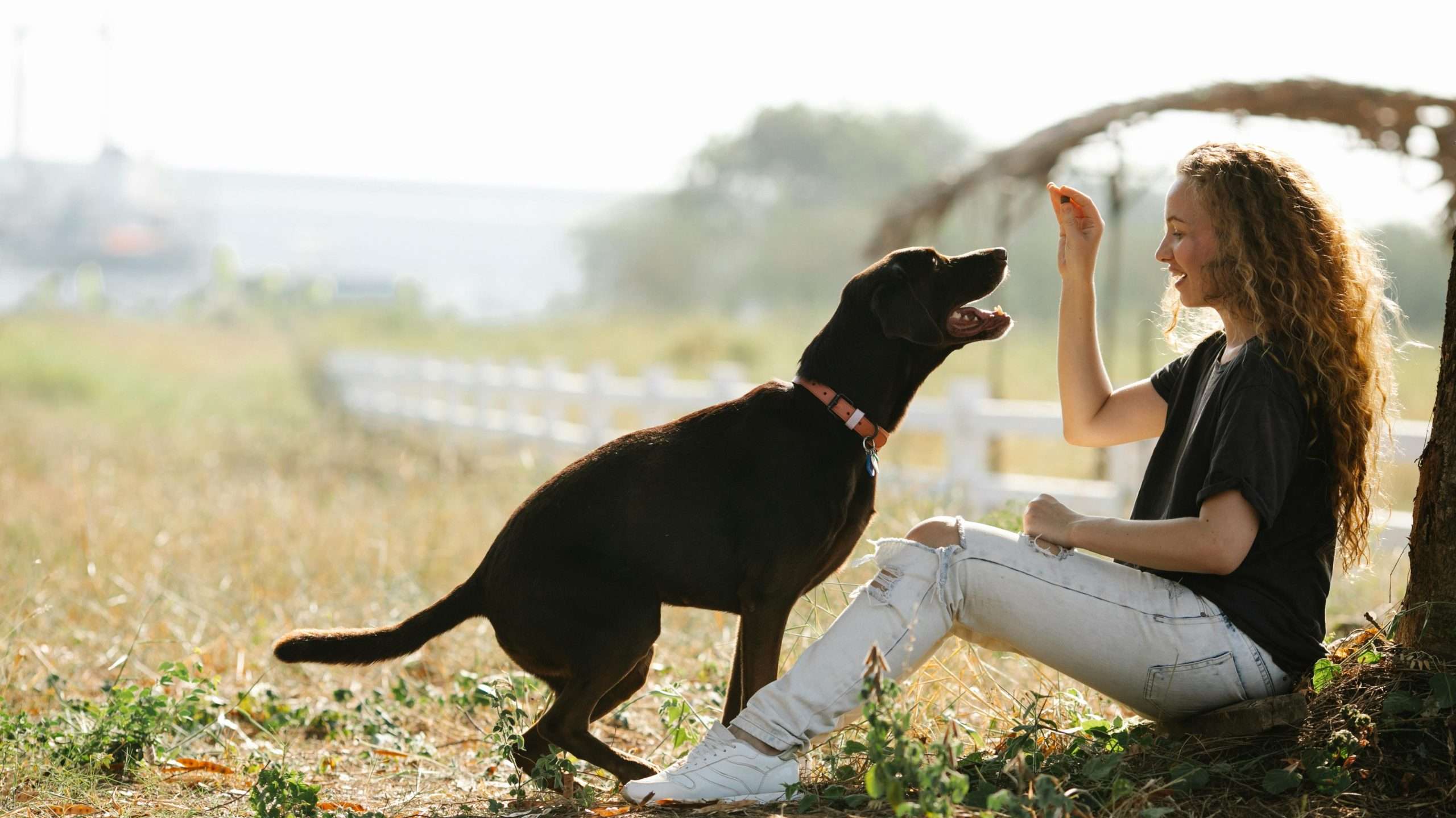
Positive reinforcement is a powerful tool when dealing with dog anxiety. Use treats to create pleasant associations with situations that typically trigger anxiety. For instance, if your dog becomes anxious when you prepare to leave the house, start giving them a special treat just before you go. Over time, they may begin to look forward to your departure rather than dreading it.
3. Consult with a Veterinarian
Professional guidance is invaluable when dealing with dog anxiety. Your veterinarian can provide tailored advice, rule out any underlying health issues, and suggest appropriate treatments or therapies. In some cases, they might recommend anti-anxiety medications or supplements to help manage severe anxiety.
4. Provide Adequate Exercise and Stimulation
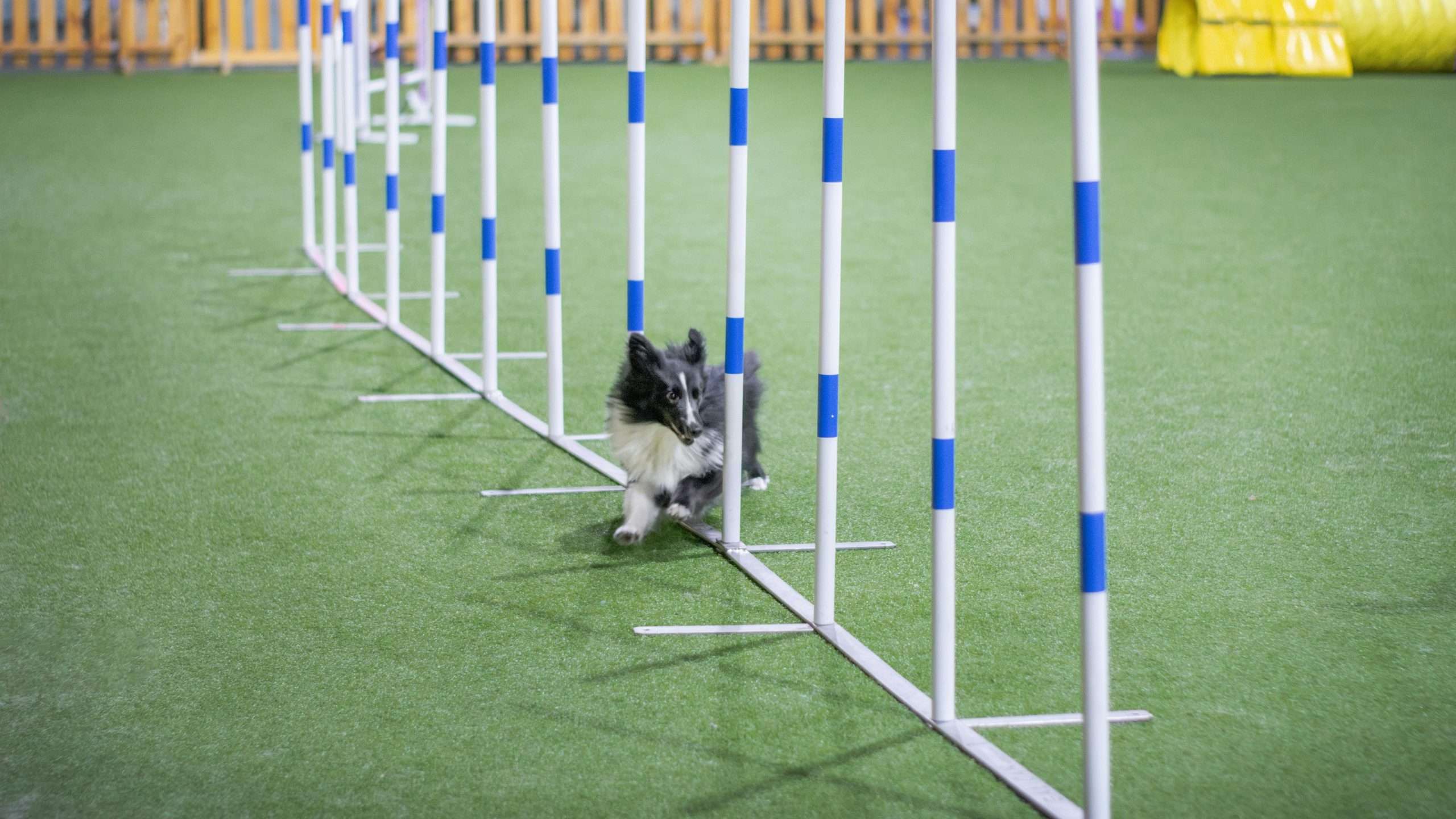
A tired dog is often a calmer dog. Ensure your anxious dog gets plenty of physical exercise and mental stimulation. Regular walks, play sessions, and puzzle toys can help burn excess energy and keep their mind occupied, potentially reducing anxiety symptoms.
Related reads:
How Much Exercise Does a Dog Need Every Day? [2024]
Don’ts When Dealing with an Anxious Dog
1. Avoid Punishing Your Dog for Anxious Behavior
Punishment is never an effective solution for dog anxiety. It can actually exacerbate the problem, making your dog more fearful and anxious. Instead, focus on positive reinforcement and creating a supportive environment.
2. Don’t Neglect Exercise and Mental Stimulation
An understimulated dog is more likely to develop anxiety and destructive behaviors. Regular exercise and mental enrichment are crucial for maintaining your dog’s emotional well-being.
3. Avoid Encouraging Clingy Behavior
While it’s natural to want to comfort your anxious dog, constantly coddling them can reinforce their anxious behavior. Strike a balance between providing comfort and encouraging independence.
Creating a Safe Environment for Your Anxious Dog
Establishing a secure and comfortable environment is crucial for managing dog anxiety. Consider the following:
- Designate a quiet area where your dog can retreat when feeling overwhelmed.
- Use calming aids like pheromone diffusers or anxiety wraps.
- Provide engaging toys and puzzles to keep your dog occupied when alone.
- Maintain a consistent routine to help your dog feel more secure.
Training Techniques for Managing Dog Anxiety
Training plays a vital role in helping an anxious dog build confidence and cope with stressors. Some effective techniques include:
- Desensitization: Gradually exposing your dog to anxiety triggers in a controlled, positive way.
- Counter-conditioning: Pairing anxiety-inducing stimuli with positive experiences.
- Obedience training: Building your dog’s confidence through learning and following commands.
Remember, training an anxious dog requires patience and consistency. Progress may be slow, but even small improvements are worth celebrating.
Seeking Professional Help
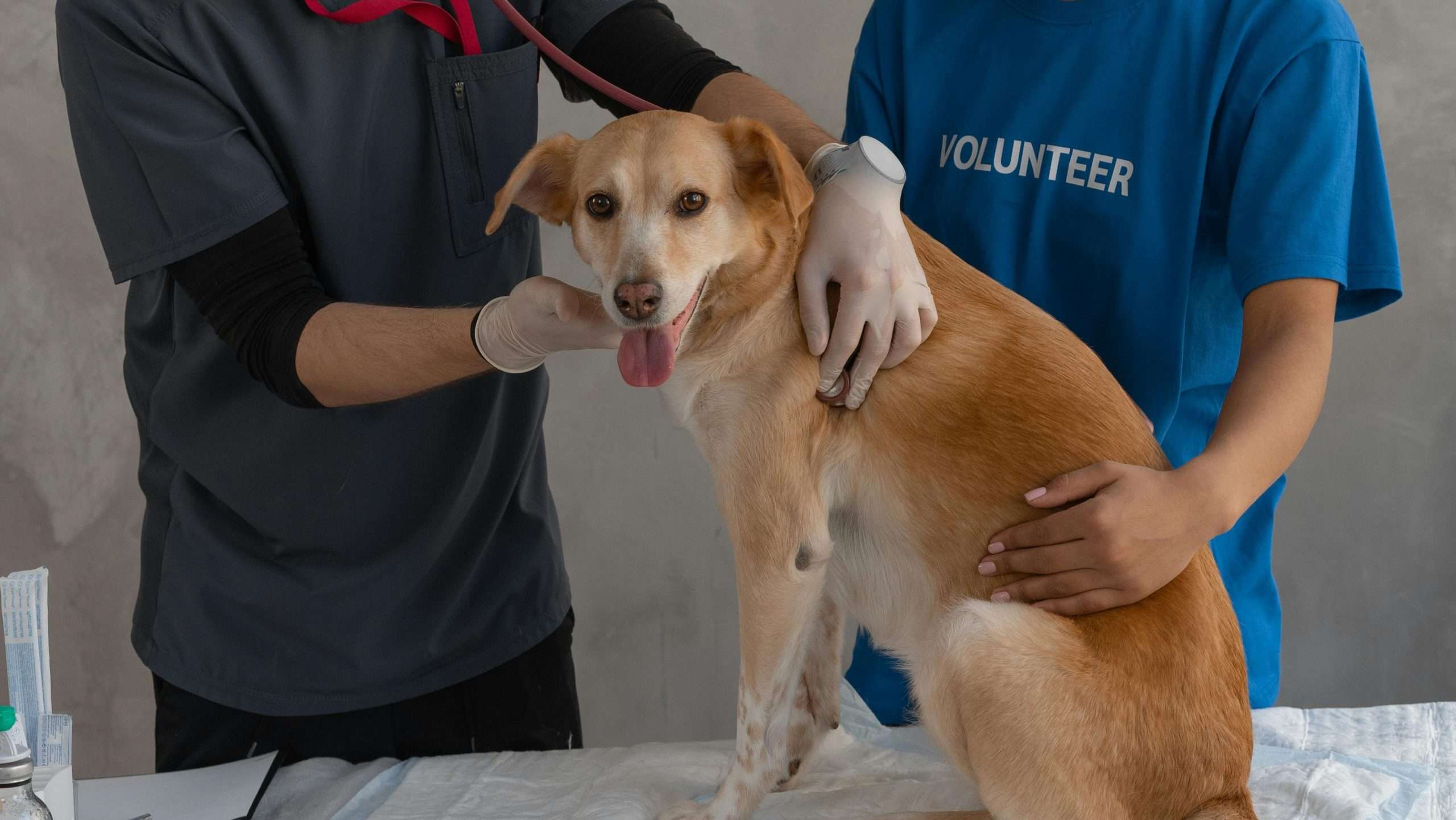
If your dog’s anxiety persists or worsens despite your best efforts, it’s time to seek professional help. A veterinary behaviorist or certified dog trainer specializing in anxiety can provide personalized strategies and support. They may recommend:
- Behavior modification plans
- Medication in conjunction with training
- Alternative therapies like acupuncture or massage
Final Thoughts
Dealing with an anxious dog requires dedication, understanding, and a willingness to adapt your approach based on your pet’s needs. By following the do’s and don’ts outlined in this article, you can create a supportive environment that helps your dog feel more secure and confident.
Remember, every dog is unique, and what works for one may not work for another. Be patient with your furry friend and celebrate small victories along the way. With time, love, and the right approach, you can help your anxious dog lead a happier, more relaxed life.
FAQs
Can dog anxiety be cured?
While dog anxiety can’t always be completely cured, it can often be effectively managed with proper training, environmental changes, and sometimes medication.
How long does it take to see improvements in an anxious dog?
The timeline varies depending on the dog and the severity of their anxiety. Some dogs may show improvement in weeks, while others may take months of consistent work.
Are certain breeds more prone to anxiety?
While any dog can develop anxiety, some breeds like German Shepherds, Border Collies, and Bichon Frises may be more predisposed to anxious behaviors.
Can I use human anti-anxiety medications for my dog?
Never give human medications to your dog without veterinary approval. There are specific medications designed for dog anxiety that your vet can prescribe if necessary.
How can I tell if my dog’s anxiety is improving?
Look for signs like reduced destructive behavior, less vocalization when left alone, and an overall calmer demeanor in previously stressful situations.


![Fever in Dogs: Tips to Comfort Them [2024]](https://100dogbreeds.com/wp-content/uploads/2024/10/dog-fever-featured-768x512.jpg)



Hi! I just finished reading your blog post, and I must say, it was excellent. Your ability to explain complicated concepts in a simple and engaging way is truly remarkable. Thank you for providing such valuable content. I can’t wait to read more from you in the future.
Thank you for taking your time to comment. We are glad that you liked it. Stay tuned for more and more articles coming on the way!