10 Dog-Friendly Vegetables for a Healthy Pup


We’ve all been there. Your dog’s giving you those puppy eyes while you’re eating dinner, and you’re tempted to slip them a bite. But then you remember all those warnings about human food being bad for dogs. It’s frustrating, right?
Well, here’s some good news. There are actually quite a few vegetables that are not just safe for dogs, but really good for them too. Yep, you read that right – dog-friendly vegetables are a thing!

In this article, we’re going to talk about 10 veggies that can make great treats for your dog.
Why Include Vegetables in Your Dog’s Diet?
Before we dive into our list of dog-friendly vegetables, let’s briefly discuss why vegetables can be beneficial for dogs. While dogs are primarily carnivores, they can derive several benefits from certain vegetables:
- Added nutrients and fiber
- Low-calorie treats for weight management
- Hydration due to high water content
- Variety in texture and flavor
It’s important to note that vegetables should complement, not replace, a balanced dog food diet. Always introduce new foods gradually and in moderation.
10 Dog-Friendly Vegetables Your Pup Will Love
1. Carrots

Carrots are a crunchy, nutritious treat that many dogs enjoy. They’re low in calories and high in fiber, making them an excellent choice for pups watching their weight. Carrots are also rich in beta-carotene, which converts to vitamin A in the body, supporting eye health and immune function.
How to serve: Offer raw, washed carrots as a crunchy snack, or lightly steam them for easier digestion. Always cut them into small, manageable pieces to prevent choking.
2. Green Beans
Green beans are a nutritional powerhouse for dogs. They’re low in calories but high in fiber, vitamins C and K, and manganese. Many dogs enjoy the satisfying crunch of green beans, making them a great alternative to high-calorie treats.
How to serve: Offer fresh, steamed, or frozen green beans. Avoid canned varieties with added salt or seasonings.
3. Pumpkin
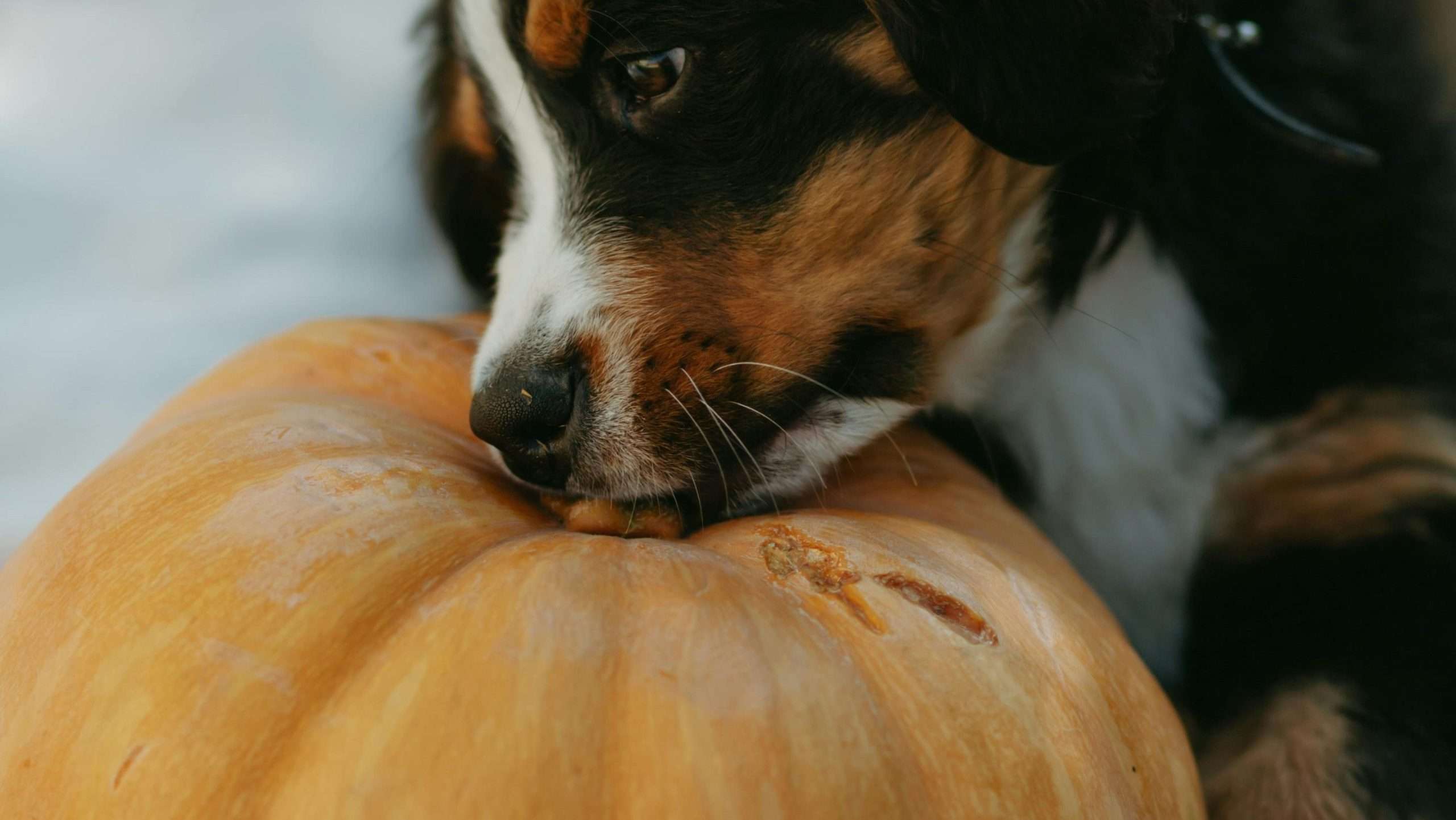
Pumpkin is not just for fall – it’s a year-round superfood for dogs. Rich in fiber and packed with vitamins A, C, and E, pumpkin can aid in digestion and promote a healthy coat. It’s also known to help with both diarrhea and constipation in dogs.
How to serve: Use plain, canned pumpkin (not pie filling) or cook and puree fresh pumpkin. A tablespoon or two mixed into your dog’s regular food is usually sufficient.
4. Sweet Potatoes
Sweet potatoes are another excellent dog-friendly vegetable. They’re high in fiber, vitamins A, B6, and C, and contain beneficial antioxidants. Sweet potatoes can support digestive health and may help boost the immune system.
How to serve: Offer cooked, mashed sweet potato or thinly sliced and dehydrated as a chewy treat. Avoid raw sweet potatoes, as they can be hard to digest.
5. Broccoli
Broccoli is a nutrient-dense vegetable that can be a healthy addition to your dog’s diet when given in moderation. It’s rich in fiber and vitamin C and contains beneficial antioxidants. However, broccoli florets contain isothiocyanates, which can cause gastric irritation in some dogs if consumed in large quantities.
How to serve: Offer small, steamed broccoli florets as an occasional treat. Always introduce slowly and in small amounts.
Related reads:
10 Fruits Dogs Can and Can’t Eat
6. Cucumber
Cucumbers are a refreshing, low-calorie treat that can be especially appealing on hot days. They’re high in water content, making them great for hydration, and contain vitamins K and C. Cucumbers also have little to no carbohydrates, calories, or fats.
How to serve: Offer thin, fresh cucumber slices. Remove seeds for easier digestion, especially for smaller dogs.
7. Spinach
Spinach is a nutrient-rich leafy green that can offer benefits to dogs when fed in moderation. It’s high in iron, vitamin K, and antioxidants. However, spinach contains oxalic acid, which can interfere with calcium absorption if given in large quantities.
How to serve: Offer small amounts of fresh, chopped spinach mixed into your dog’s regular food. Always introduce slowly and in moderation.
8. Celery
Celery is a crunchy, low-calorie vegetable that can be a healthy snack for dogs. It’s high in vitamins A, C, and K, and contains folate and potassium. Some people believe celery can help freshen dog breath, though scientific evidence for this is limited.
How to serve: Wash thoroughly and cut into small, manageable pieces. Remove the stringy parts to prevent choking.
9. Bell Peppers
Bell peppers, particularly red ones, are packed with vitamins and antioxidants. They’re an excellent source of vitamins A, C, and E, and contain beta-carotene. Bell peppers are low in calories and can be a crunchy, satisfying treat for dogs.
How to serve: Remove seeds and stems, then cut into small pieces. Offer raw or lightly steamed for easier digestion.
10. Peas
Peas are small but mighty when it comes to nutrition. They’re high in fiber, vitamins A, B, C, and K, and contain minerals like iron and zinc. Many commercial dog foods already include peas as an ingredient due to their nutritional benefits.
How to serve: Offer fresh or frozen peas as a small treat. Avoid canned peas with added salt or seasonings.
How to Introduce Dog-Friendly Vegetables to Your Pup’s Diet
When introducing any new food to your dog’s diet, including dog-friendly vegetables, it’s important to do so gradually. Here are some tips:
- Start small: Begin with tiny amounts to see how your dog reacts.
- Monitor for any adverse reactions: Watch for signs of digestive upset or allergies.
- Increase slowly: If your dog tolerates the vegetable well, gradually increase the amount over time.
- Consult your vet: Always check with your veterinarian before making significant changes to your dog’s diet.
Preparing Dog-Friendly Vegetables
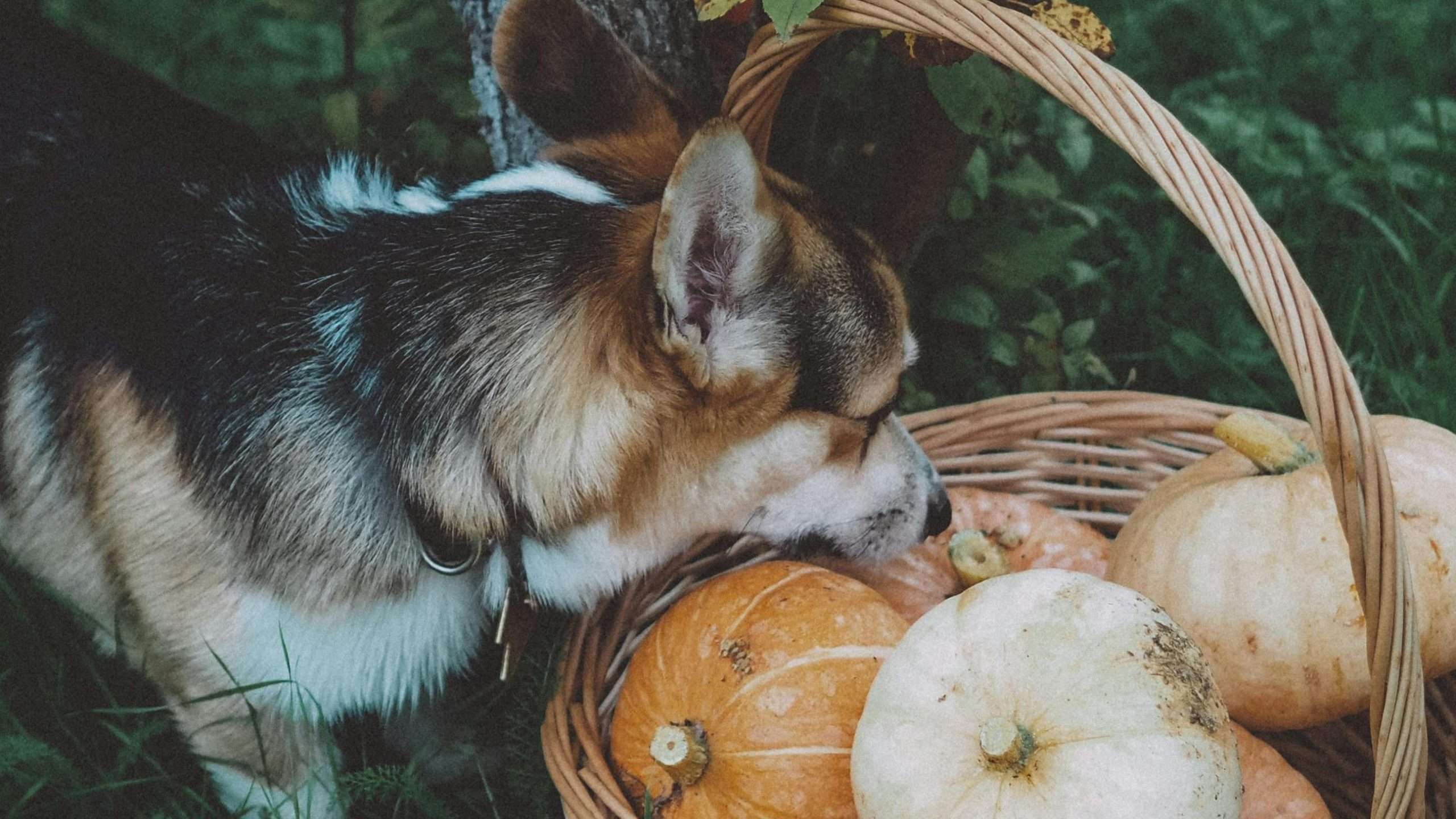
Proper preparation of dog-friendly vegetables is crucial to ensure they’re safe and digestible for your pup:
- Wash thoroughly: Remove any dirt or potential pesticides.
- Remove seeds and stems: These parts can be choking hazards or difficult to digest.
- Cut into appropriate sizes: Smaller pieces are easier to eat and digest.
- Cook when necessary: Some vegetables are more digestible when lightly cooked.
- Avoid seasonings: Salt, spices, and oils can be harmful to dogs.
Vegetables to Avoid
While we’ve focused on dog-friendly vegetables, it’s equally important to know which vegetables (and other foods) to avoid:
- Onions and garlic: These can damage a dog’s red blood cells.
- Wild mushrooms: Some varieties can be toxic to dogs.
- Avocado: Contains persin, which can cause vomiting and diarrhea in dogs.
- Rhubarb: The leaves contain oxalic acid, which can be harmful.
Stay Healthy!
Incorporating dog-friendly vegetables into your pup’s diet can be a great way to boost their nutrition and provide low-calorie treats. From crunchy carrots to nutrient-packed sweet potatoes, there are many options to choose from. Remember to introduce new foods slowly, prepare them properly, and always consult with your veterinarian about your dog’s specific dietary needs.
By thoughtfully including a variety of dog-friendly vegetables in your pet’s diet, you’re taking a positive step towards supporting their health and happiness. Your furry friend will not only enjoy the new tastes and textures but also reap the benefits of added nutrients and fiber. Here’s to many healthy, veggie-filled years with your beloved canine companion!
FAQs
How much of these dog-friendly vegetables should I feed my dog?
As a general rule, vegetables should make up no more than 10% of your dog’s daily diet. Start with small amounts and always consult your veterinarian for advice tailored to your dog’s specific needs.
Can I feed my dog raw vegetables?
Some vegetables like carrots and cucumber can be fed raw, while others like sweet potatoes should be cooked. Always wash raw vegetables thoroughly and cut them into small, manageable pieces to prevent choking.
Are there any vegetables I should absolutely avoid giving my dog?
Yes, some vegetables are toxic to dogs. Avoid onions, garlic, wild mushrooms, and raw potatoes. Also, be cautious with avocados and rhubarb. When in doubt, always check with your vet before introducing a new food to your dog’s diet.