Cloudy Eyes in Dogs: What to Know

For pet owners, our beloved pet’s health is always a top priority. When you notice something unusual, like cloudy eyes, it can be alarming. Cloudy eyes in dogs are not merely a cosmetic issue; they can indicate underlying conditions ranging from harmless, age-related changes to serious eye disorders that might significantly affect your furry friend’s quality of life. Understanding the causes, symptoms, and treatment options is vital to safeguarding your dog’s vision and overall well-being.
The Science Behind Cloudy Eyes in Dogs
Cloudy eyes occur when the normally clear structures of a dog’s eye—such as the cornea or lens—lose their transparency. This cloudiness can vary in appearance, from a faint haze to a pronounced opaque film, and may affect one or both eyes. The condition often points to changes within the eye’s anatomy or an underlying health issue, making early detection and intervention essential.

To fully understand why your dog’s eyes might appear cloudy, it helps to grasp the basic anatomy of canine eyes. The cornea acts as a transparent shield, protecting the eye from debris and injury. Behind it lies the lens, which focuses light onto the retina for clear vision. Other important components include the iris, the colored part of the eye, and the pupil, the opening that controls how much light enters.
When any of these structures become compromised, cloudiness can result. Let’s explore the potential causes in detail.
Common Causes of Cloudy Eyes in Dogs
Lenticular Sclerosis: A Natural Aging Process
One of the most common causes of cloudy eyes in older dogs is lenticular sclerosis, also known as nuclear sclerosis. This age-related condition occurs when the lens develops a bluish-gray haze due to hardening of its fibers. While it’s usually harmless and causes minimal vision impairment, lenticular sclerosis can still be unsettling for pet owners. Typically seen in dogs over the age of six to eight, this is considered a normal part of aging and does not require treatment.
Cataracts: More Than Just Hazy Vision
Cataracts, another cause of cloudy eyes, are a more serious concern. They develop when the lens becomes opaque, obstructing light from passing through. Cataracts can significantly impair vision and, if left untreated, may lead to blindness. There are two main types of cataracts in dogs:
- Primary (Inherited) Cataracts: These are genetic in nature and can occur in young dogs, especially in breeds like Poodles, Boston Terriers, and Cocker Spaniels. Early diagnosis is key for management.
- Secondary Cataracts: These arise from other health conditions, such as diabetes, eye injuries, or inflammation. Managing the underlying issue is crucial to slowing cataract progression.
Glaucoma: A Silent Threat
Glaucoma is a condition marked by increased intraocular pressure, which can cause cloudy eyes along with severe pain and potential vision loss. This condition progresses rapidly and requires urgent veterinary care. Breeds like Beagles, Labrador Retrievers, and Siberian Huskies are particularly prone to glaucoma. Left untreated, it can lead to irreversible blindness.
Corneal Ulcers and Injuries
Cloudiness in the eye can also result from corneal ulcers, which occur when the surface layer of the cornea is damaged. These injuries are often painful and may cause excessive tearing, redness, and sensitivity to light. Dogs with prominent eyes, such as Pugs or Bulldogs, are more susceptible to corneal injuries due to their unique anatomy.
Dry Eye (Keratoconjunctivitis Sicca)
Dry eye occurs when a dog’s tear glands fail to produce enough moisture, leading to chronic inflammation and potential corneal damage. Symptoms include cloudiness, redness, and thick discharge. Over time, untreated dry eye can result in scarring and permanent vision impairment.
Corneal Dystrophy
This is a hereditary condition characterized by abnormal development of the cornea, often leading to cloudy or opaque patches. While it doesn’t always cause discomfort, corneal dystrophy can increase the risk of ulcers and may require targeted management.
Recognizing the Warning Signs
Cloudy eyes in dogs are often accompanied by other symptoms that can help indicate the severity of the condition. These include:
- Difficulty navigating familiar spaces
- Excessive pawing or rubbing at the eyes
- Abnormal discharge, ranging from watery to thick mucus
- Persistent redness or irritation
- Frequent squinting or blinking
- Apparent pain or sensitivity to light
- Behavioral changes, such as increased anxiety or reluctance to play
If you notice any of these signs, prompt veterinary evaluation is essential to determine the underlying cause and initiate appropriate treatment.
Diagnostic Approaches
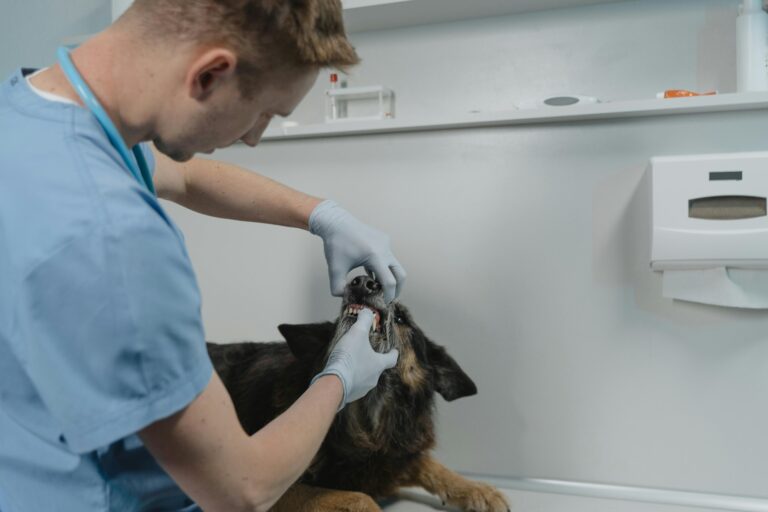
Diagnosing cloudy eyes in dogs involves a thorough examination by a veterinarian or veterinary ophthalmologist. Your vet may use specialized tools and tests, such as:
- Slit-lamp biomicroscopy: To examine the eye’s structures in detail
- Tonometry: To measure intraocular pressure for detecting glaucoma
- Fluorescein staining: To identify corneal ulcers or injuries
- Blood tests and imaging: To rule out systemic health issues, such as diabetes
Breed-specific factors are also considered, as certain breeds are more predisposed to specific eye conditions.
Treatment Options
The treatment for cloudy eyes in dogs varies depending on the underlying cause:
- Lenticular Sclerosis: This requires no treatment but should be monitored during routine veterinary visits.
- Cataracts: Surgery is the most effective solution, particularly if vision is significantly impaired.
- Glaucoma: Medications to reduce eye pressure are typically prescribed, though surgical options may be necessary for advanced cases.
- Corneal Ulcers: These are treated with topical antibiotics and, in severe cases, may require surgical intervention.
- Dry Eye: Tear stimulation medications and artificial tears can manage this chronic condition.
- Corneal Dystrophy: While no cure exists, management focuses on preventing complications such as ulcers.
Preventative Measures

Although some causes of cloudy eyes in dogs are unavoidable, proactive care can help reduce the risk of serious complications. Regular veterinary check-ups are crucial for early detection and management of eye conditions. Additionally:
- Provide a balanced diet rich in nutrients that support eye health.
- Protect your dog’s eyes from potential injuries by avoiding rough play or environments with sharp objects.
- Address underlying health issues, such as diabetes, to prevent secondary complications.
- Be mindful of breed-specific predispositions and take extra precautions if your dog is at higher risk.
Related reads:
5 Facts about Diabetes in Dogs and Other Common Illnesses
Supporting Your Dog Through Vision Changes
Living with a dog experiencing cloudy eyes requires patience and understanding. Simple changes to your home environment, like keeping furniture in consistent locations, can help visually impaired dogs navigate more easily. Engage in regular, gentle play to keep their spirits high, and work closely with your veterinarian to ensure they’re comfortable and pain-free.
Final Thoughts
Cloudy eyes in dogs are more than a superficial issue—they’re a signal that something may be amiss. Whether the cause is benign, like lenticular sclerosis, or more severe, such as glaucoma or cataracts, staying vigilant and seeking professional advice is key to preserving your dog’s quality of life.
By prioritizing regular eye exams and understanding the signs to watch for, you can help ensure your dog’s eyes stay as healthy and bright as their personality. Early intervention and consistent care go a long way in managing eye conditions and keeping your beloved companion happy and thriving.