7 Signs of Healthy Digestion in Dogs

Importance Of Healthy Digestion In Dogs
The importance of healthy digestion in dogs cannot be overstated. A dog’s digestive system plays a crucial role in their overall well-being and quality of life. When a dog has healthy digestion, it means that their body is efficiently breaking down and absorbing nutrients from their food, which provides them with the essential energy they need to thrive. Healthy digestion also ensures that waste is properly eliminated from the body, preventing issues like constipation or diarrhoea
Additionally, a well-functioning digestive system supports a strong immune system, as many of the immune cells are found within the gut. Furthermore, dogs with healthy digestion are less likely to experience common digestive problems such as bloating or gas. They are also more likely to maintain a healthy weight and have a shiny coat and good skin condition. In conclusion, maintaining optimal digestive health in dogs is crucial for their overall health and happiness.

Understanding The Digestive System Of Dogs

A well-functioning digestive system is crucial for a dog’s overall health and well-being. To understand the signs of healthy digestion in dogs, it is important to have a basic understanding of their digestive system. The journey of food starts in a dog’s mouth, where they use their teeth to break down the food into smaller pieces. The saliva begins the process of digestion as it contains enzymes that start breaking down carbohydrates.
From there, the food travels down the esophagus and enters the stomach. In the stomach, gastric juices further break down proteins while killing harmful bacteria. The partially digested food then moves into the small intestine, where absorption of nutrients takes place. Finally, waste products move into the large intestine and eventually get eliminated through bowel movements. A healthy digestive system ensures that essential nutrients are absorbed efficiently while waste is eliminated effectively.
Click here to learn more about the digestive system of dogs.
Sign #1: Consistent And Well-Formed Stools
One of the most reliable indicators of a dog’s healthy digestion is the consistency and formation of their stools. Healthy dogs typically produce firm, well-formed stools that are easy to pick up and have a uniform shape. These stools should not be excessively hard or soft, as this can indicate digestive issues. Consistency is key when it comes to assessing your dog’s digestive health.
Loose or watery stools may suggest an underlying problem such as food intolerance, bacterial infection, or even parasites. On the other hand, extremely hard stools could signify dehydration or inadequate fibre intake. Regularly monitoring your dog’s stool quality can help you spot potential digestive problems early on. Any significant changes in consistency, colour, odour, or frequency should be discussed with your veterinarian promptly.
Sign #2: Normal Appetite And Weight Maintenance
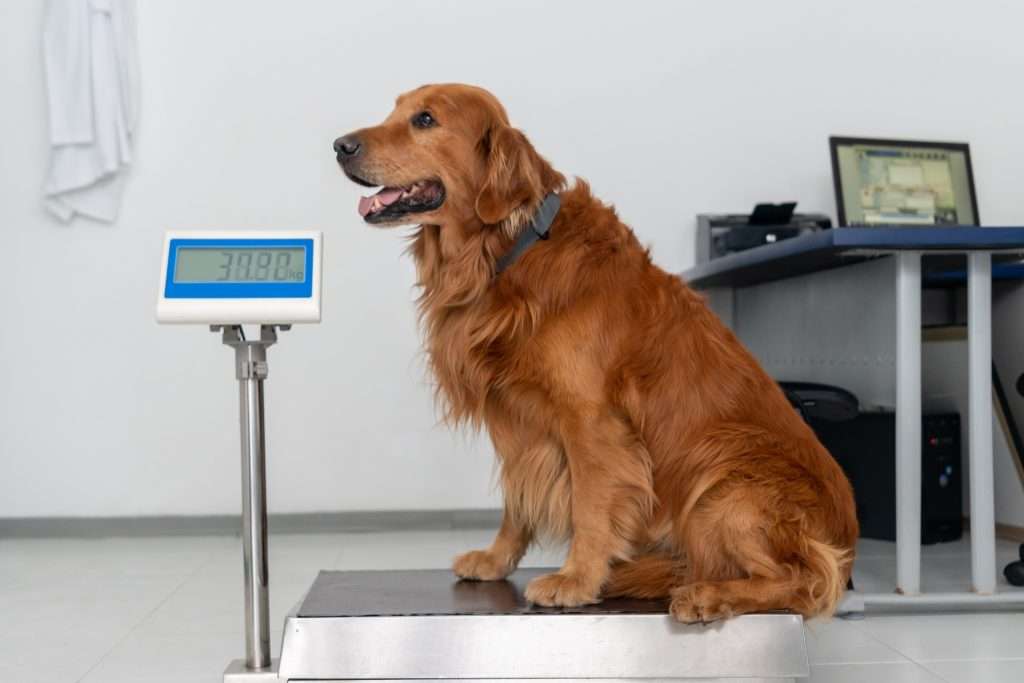
A vital indicator of a dog’s healthy digestion is its appetite and weight maintenance. A dog with a well-functioning digestive system will exhibit a consistent, healthy appetite. It will eagerly approach its meals and finish them without any signs of discomfort or reluctance. Such dogs show no aversion to their food or experience excessive hunger or thirst.
Furthermore, dogs with healthy digestion tend to maintain an appropriate weight for their breed, age, and activity level. They neither gain weight rapidly nor lose it drastically without any apparent reason. Consistency in maintaining the ideal body condition suggests that nutrients are being properly absorbed and utilized by the body.
Observing your furry friend’s appetite and weight can provide valuable insights into their digestive health. Regularly monitoring these factors will help identify any potential issues early on, enabling prompt intervention if necessary to ensure your dog’s overall well-being.
Sign #3: Minimal Flatulence Or Excessive Gassiness
One of the key indicators of a healthy digestive system in dogs is minimal flatulence or excessive gassiness. While the occasional fart is normal, persistent and foul-smelling flatulence can be a sign of underlying digestive issues.
A dog with a well-functioning digestive system should produce gas in moderation. This indicates that their body is efficiently breaking down food and absorbing nutrients without excessive fermentation in the gut. In contrast, excessive gassiness may suggest an imbalance in the gut flora, food intolerances, or poor digestion.
If your dog frequently emits noxious fumes or has flatulence that seems out of the ordinary, it’s important to monitor their diet and consult with a veterinarian. They can help identify any potential dietary triggers, recommend appropriate changes to their diet, and address any underlying health concerns to ensure optimal digestive health for your furry friend.
Sign #4: Regular And Effortless Bowel Movements
One of the clearest indicators of a dog’s healthy digestion is the regularity and ease of their bowel movements. When a dog has a well-functioning digestive system, they will have consistent, firm stools that are easy to pass. Regular bowel movements typically occur once or twice a day, depending on the dog’s size and diet. Dogs with healthy digestion will have stools that are well-formed, neither too hard nor too soft.

These stools should be effortless for the dog to eliminate, without straining or discomfort. However, irregular bowel movements, such as infrequent or inconsistent stool production, can indicate underlying digestive issues. Diarrhea or constipation may suggest imbalances in the gut flora or dietary intolerances. Monitoring your dog’s bowel movements is essential for assessing their digestive health.
Sign #5: Healthy Skin And Coat As Indicators Of Digestive Health

A dog’s skin and coat can reveal a lot about their overall health, including their digestive well-being. When a dog has healthy digestion, it often reflects on their skin and coat, making them appear shiny, smooth, and lustrous. Conversely, poor digestive health can result in various skin issues that manifest as dryness, itchiness, flakiness, or excessive shedding. The condition of a dog’s skin is directly linked to the absorption of nutrients from their food.
Adequate digestion ensures that essential vitamins and minerals are absorbed effectively to support healthy skin cells’ growth and maintenance. Additionally, a balanced gut microbiome plays a crucial role in preventing inflammation that may lead to skin conditions such as dermatitis or allergies. Regularly monitoring your dog’s skin and coat condition can serve as valuable indicators of their digestive health.
Sign #6: Stable Energy Levels and Behavior

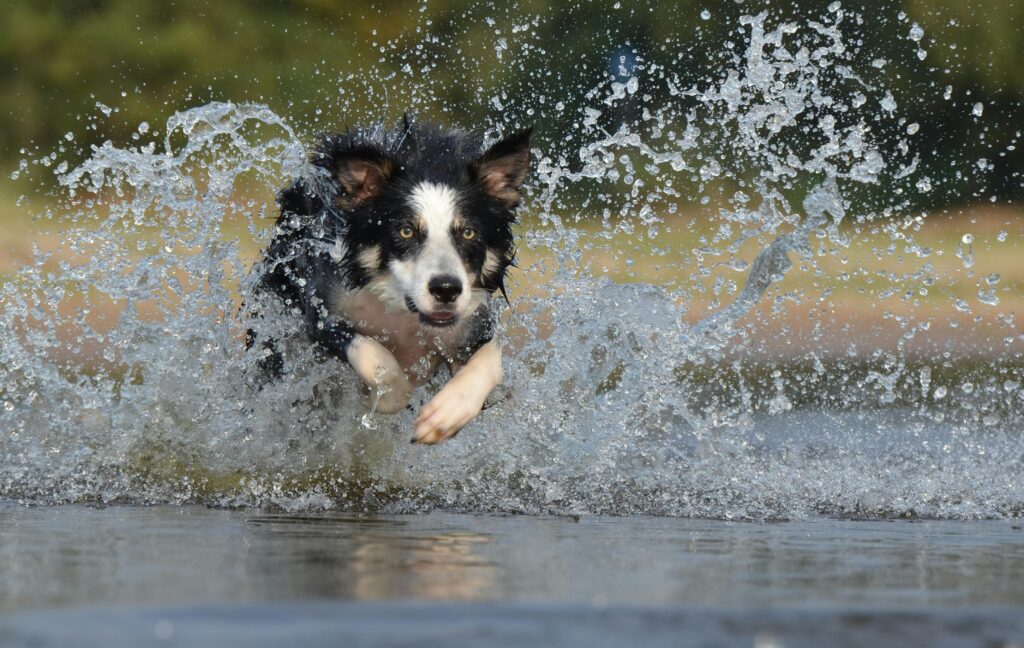
Dogs with a healthy digestive system typically display consistent energy levels and a stable behaviour pattern. They are often lively, playful, and alert, indicating that their body is efficiently converting nutrients into energy. A dog experiencing digestive issues might exhibit lethargy, reduced activity, or changes in behaviour, such as increased irritability or restlessness. Monitoring your dog’s energy levels and behaviour can help detect any potential digestive disturbances and ensure timely intervention.
Sign #7: Absence of Vomiting
A healthy digestive system in dogs is characterized by the absence of frequent vomiting. While occasional vomiting might occur due to dietary indiscretion or mild stomach upset, persistent vomiting can be a sign of more severe digestive issues or underlying health concerns. Dogs with well-functioning digestive systems should not experience regular bouts of vomiting, which can lead to dehydration, nutrient loss, and overall discomfort. Any unexplained or recurrent vomiting should prompt a consultation with a veterinarian for proper evaluation and treatment.
Understanding the signs of a healthy digestive system in dogs is crucial for maintaining their overall well-being. Regular monitoring of stool consistency, appetite, weight maintenance, flatulence, bowel movements, skin, coat condition, energy levels, behaviour, and the absence of vomiting can provide valuable insights into your dog’s digestive health. Any deviations from the norm should be promptly addressed and evaluated by a veterinary professional to ensure timely intervention and appropriate management, thereby promoting a healthy and thriving life for your canine companion.