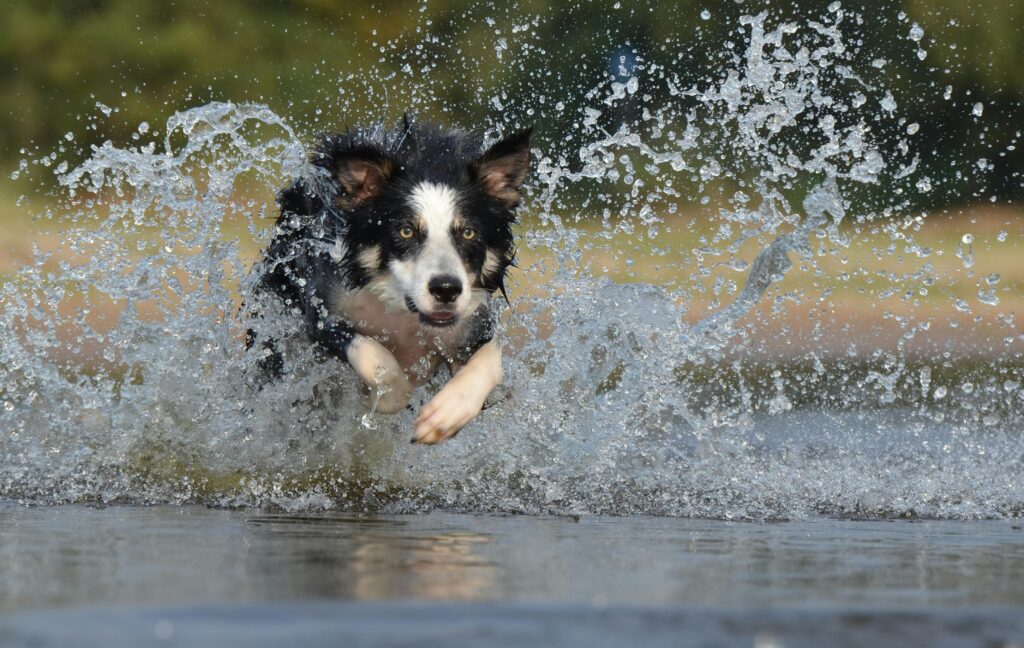
Master a Consistent Dog Training Routine: 10 Tips for Consistency


Dog training is essential for fostering a harmonious and fulfilling relationship between you and your furry friend. Through training, dogs learn vital life skills, such as obedience, socialization, and communication, enabling them to navigate the human world confidently and safely. Training instils good behaviour, curbing undesirable habits and promoting positive interactions with people and other animals. Moreover, it engages your dog’s mind and provides mental stimulation, preventing boredom and related behavioural issues. Ultimately, proper training empowers both you and your canine companion to share a joyful, cooperative, and enriching companionship.
Start Early

Training dogs early is essential because it lays the foundation for a lifetime of good behaviour and positive interactions. Just like young minds are sponges for learning, puppies are more receptive and adaptable, making it easier to instil proper manners, commands, and social skills. Early training sets the stage for a well-rounded and confident adult dog, preventing potential behaviour issues from forming and fostering a harmonious relationship between you and your furry friend.

Consistency in dog training
Consistency in dog training is crucial for achieving successful and lasting results in modifying a dog’s behaviour and teaching them new skills. It refers to the practice of maintaining a steady and uniform approach to commands, expectations, rewards, and consequences. Consistency plays a significant role in shaping a dog’s understanding of desired behaviours and helps establish a strong bond of trust and communication between the dog and the owner. Here’s a deeper look at the impact of consistency in dog training:

1. Clear Communication: Dogs thrive on routine and predictability. When you consistently use the same cues, commands, and signals, your dog learns to associate specific actions with certain words or actions. This clear communication makes it easier for your dog to understand what is expected of them.
2. Learning and Retention: Dogs learn through repetition and reinforcement. Consistency ensures that the dog receives the same message repeatedly, increasing the likelihood that it will learn and retain the desired behaviours. Inconsistent training can confuse the dog and slow down the learning process.
3. Behavior Modification: If you’re working to modify a dog’s behaviour, such as curbing jumping, barking, or leash pulling, consistency is key. Reinforcing the desired behaviour and ignoring or redirecting unwanted behaviour consistently helps the dog understand which actions lead to positive outcomes.
4. Building Trust and Confidence: Dogs feel secure when they can predict how their environment will respond to their actions. Consistency builds trust and confidence because the dog learns that their actions lead to predictable outcomes. This, in turn, helps reduce anxiety and stress.
5. Preventing Confusion: Inconsistent training can lead to confusion for your dog. For example, if jumping is sometimes rewarded and sometimes discouraged, the dog may not understand when it’s appropriate to jump and when it’s not. This confusion can hinder their overall obedience and responsiveness.
6. Faster Progress: Consistent training often leads to quicker progress. Dogs learn faster when they can associate a specific action with a consistent outcome. This allows you to move on to more advanced commands or behaviours sooner.
7. Maintaining Training Over Time: Dogs need ongoing reinforcement to maintain their training. Consistency ensures that the dog continues to respond to commands and exhibit desired behaviours over the long term.
8. Family and Multi-Person Consistency: If multiple people are involved in training the dog, everyone must use the same commands and techniques. Inconsistency among family members or trainers can confuse the dog and hinder their progress.
9. Positive Reinforcement: Consistency is particularly important when using positive reinforcement, where you reward the dog for desired behaviours. If the dog is rewarded only sometimes for the same behaviour, it may become frustrated or lose motivation to perform.
10. Creating a Well-Behaved Companion: Ultimately, consistent training contributes to creating a well-behaved and well-adjusted dog that is a joy to have as a companion. It strengthens the bond between you and your dog and enhances their overall quality of life.
Remember that dogs are sensitive to patterns and routines. The more consistent you are in your training methods, expectations, and interactions, the more successful your dog’s training experience will be.



![Hand Signals for Dogs: Your Ultimate Guide[2024]](https://100dogbreeds.com/wp-content/uploads/2024/07/hand-signals-for-dogs-768x512.jpg)