6 Essential Practices to Manage Your Dog’s Fur During Hot Months

Is your dog panting heavily in the summer heat? Before you reach for those clippers, pause! The secret to keeping your furry friend cool isn’t always a close shave. In fact, your dog’s coat might be more of an asset than you think when it comes to beating the heat.
Curious to know how to manage your dog’s fur during hot months? Let’s dive and discover how to keep your dog comfortable all season long.

Common Fur Problems During Hot Months
When the mercury rises, dogs can experience various fur-related issues:
- Overheating: Dogs with thick coats are particularly susceptible to overheating, which can lead to serious health problems like heatstroke.
- Matting and tangling: Increased sweating and moisture can cause fur to become matted and tangled, leading to skin irritation and discomfort.
- Fungal and bacterial infections: Excess moisture trapped in fur creates an ideal environment for fungi and bacteria to thrive, increasing the risk of skin infections.
- Pests and parasites: Warm weather attracts fleas, ticks, and mites, which can infest your dog’s fur and cause irritation and health issues.
- Sunburn: Dogs with light-colored or thin fur are prone to sunburn, especially in areas with less hair coverage.
- Excessive shedding: Some dogs may shed more during hot months as their body adjusts to changing temperatures.
How Fur Helps Dogs in Hot Months
Despite these challenges, fur serves several important functions for dogs during hot weather:
- Insulation and temperature regulation: Fur acts as a natural insulator, helping dogs maintain a stable body temperature in both hot and cold conditions.
- Protection against UV rays: A dog’s coat provides a barrier against harmful sun rays, reducing the risk of sunburn and skin cancer.
- Natural pest barrier: Fur can help repel some pests and parasites, providing a first line of defense against infestations.
Essential Practices to Manage Your Dog’s Fur During Hot Months
To effectively manage your dog’s fur during hot weather, consider these practices:
Regular Brushing
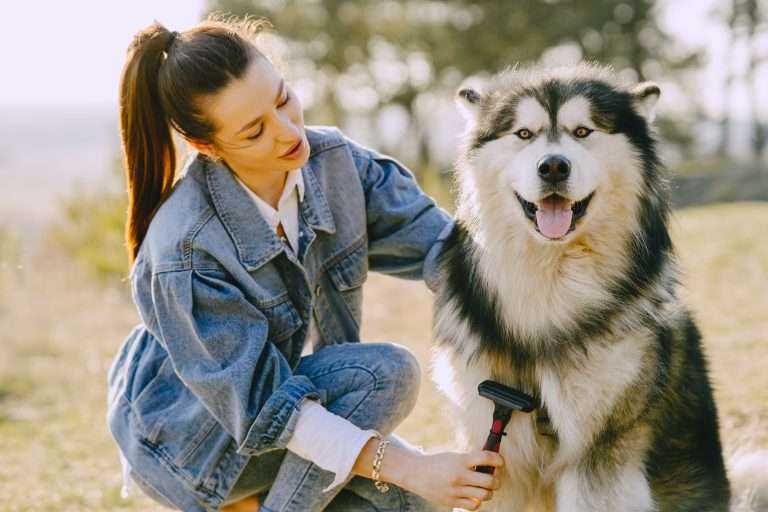
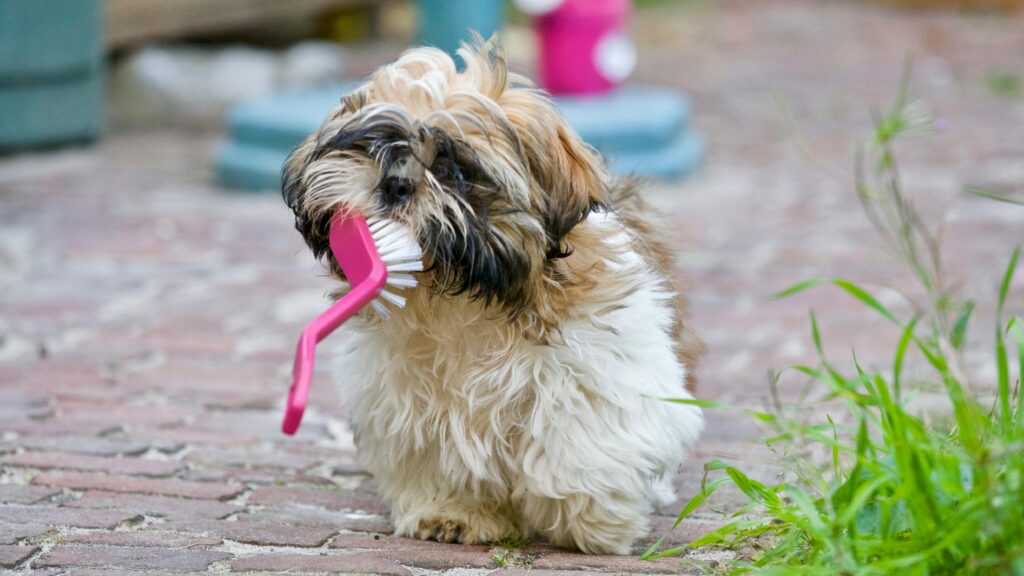
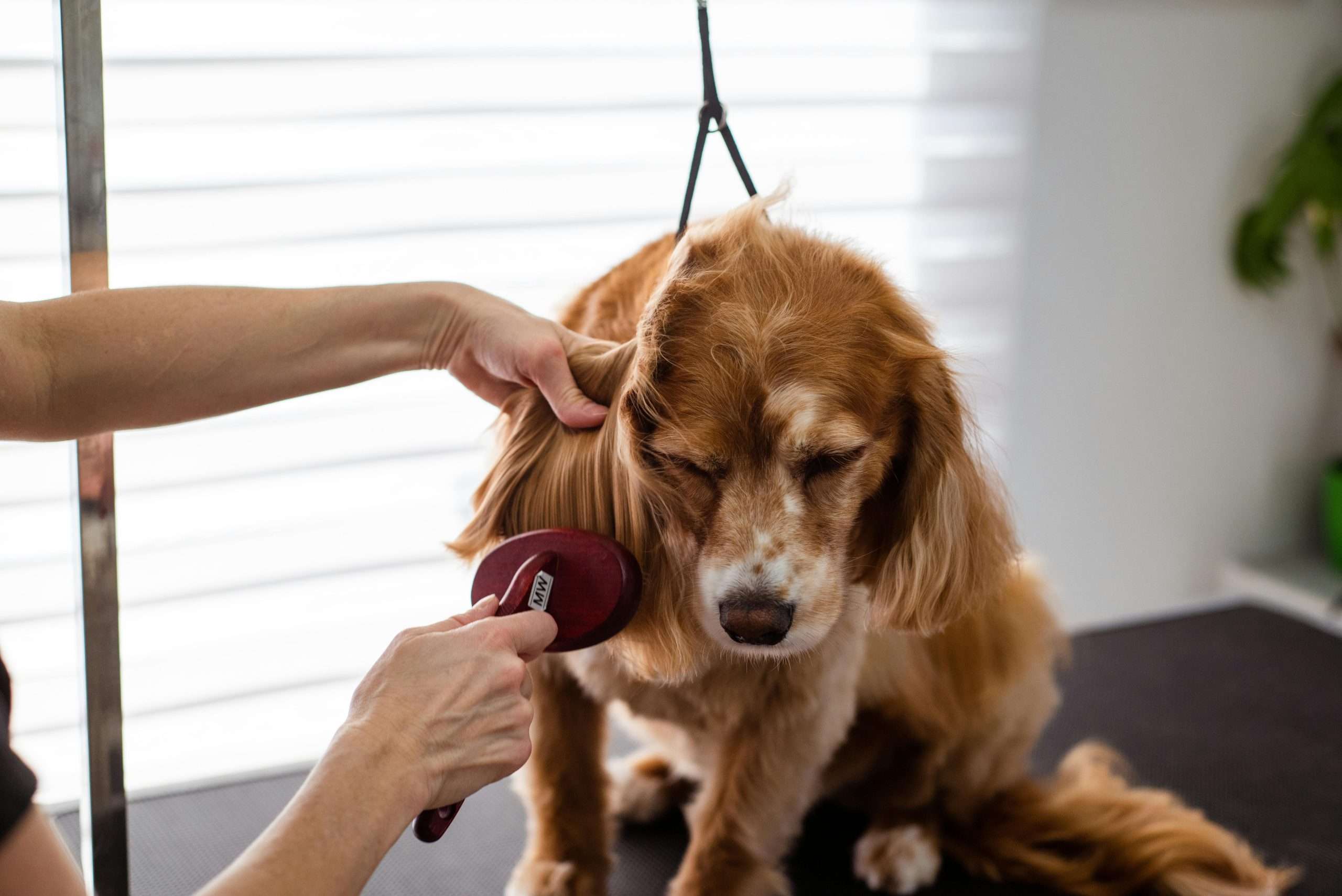
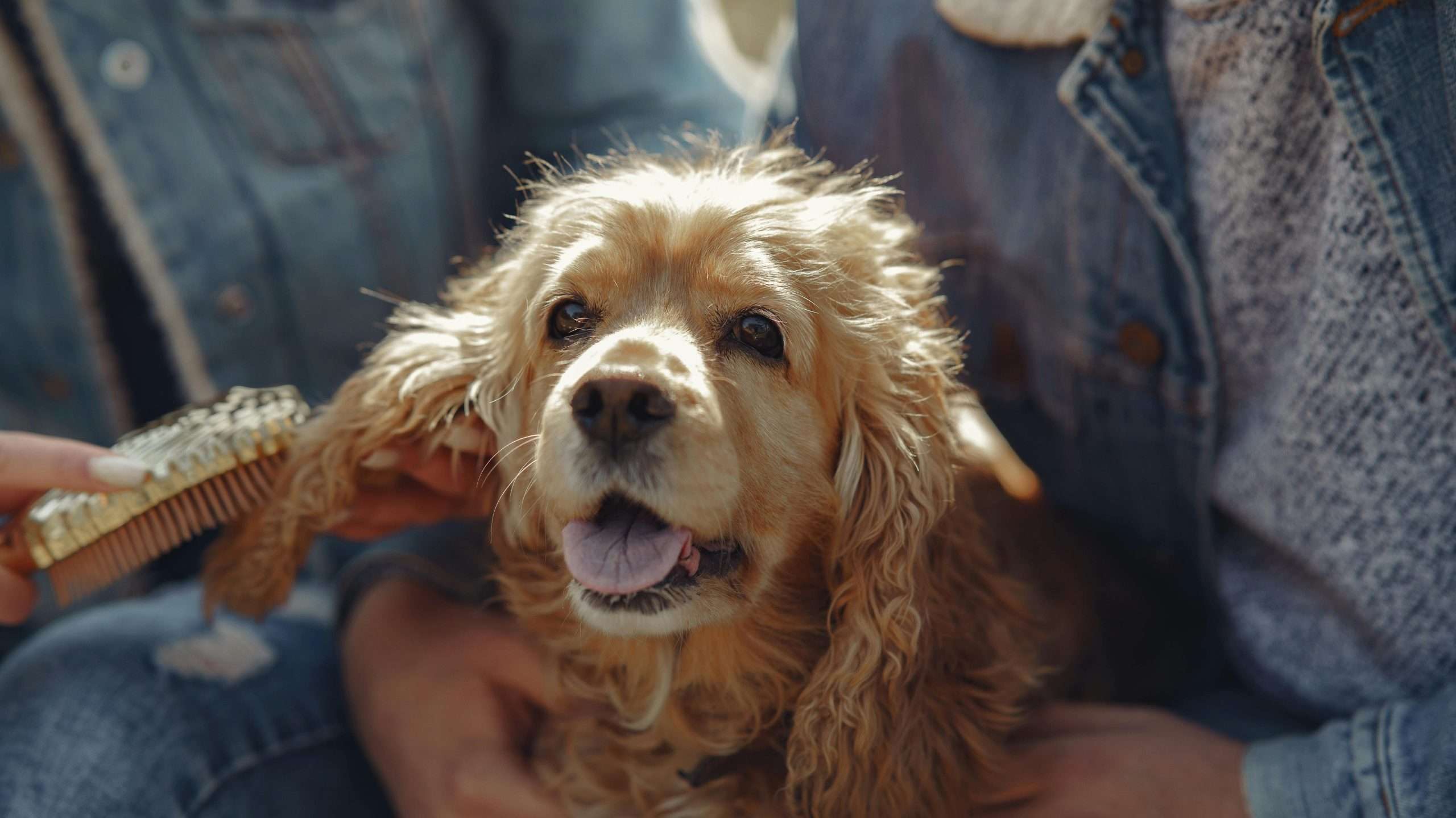
Brushing your dog’s fur regularly is essential for removing loose hair, preventing matting, and distributing natural oils throughout the coat. This practice promotes better air circulation and helps keep your dog cool. Adjust your brushing routine based on your dog’s coat type and shedding patterns.
Proper Grooming and Trimming
Schedule regular grooming sessions to keep your dog’s fur at a manageable length. For long-haired breeds, consider a summer trim to help them stay cooler. However, avoid shaving double-coated breeds, as their undercoat provides important insulation and protection.
Bathing and Hygiene Maintenance
Regular baths can help keep your dog’s fur clean and free from allergens and irritants. Use a gentle, dog-specific shampoo and ensure thorough drying to prevent fungal growth. The frequency of baths will depend on your dog’s activity level and coat type.
Sun Protection
Protect your dog from harmful UV rays by providing shade and shelter when outdoors. For dogs with thin or light-colored fur, consider using a dog-safe sunscreen on exposed areas like the nose, ears, and belly.
Pest Prevention
Use veterinarian-recommended flea and tick preventatives to protect your dog from these common warm-weather pests. Regularly check your dog’s fur for signs of infestation, especially after outdoor activities.
Proper Nutrition for Coat Health
The last one in the list of how to manage your dog’s fur during hot months is proper nutrition. A balanced diet rich in essential fatty acids can promote a healthy, shiny coat that’s better equipped to handle hot weather. Consult with your veterinarian to ensure your dog’s diet supports optimal fur health.
Special Considerations for Different Coat Types
Different coat types require specific fur management approaches. To effectively manage your dog’s fur during hot months, it’s crucial to understand the unique needs of your pet’s coat type:
- Long-coated dogs: These breeds may need more frequent grooming and trimming to prevent matting and overheating.
- Short-coated dogs: While they may not need as much grooming, short-coated dogs often require more sun protection.
- Double-coated breeds: These dogs have a dense undercoat that helps regulate body temperature. Avoid shaving these breeds, as it can interfere with their natural cooling system.
Related reads:
Essential Grooming Tips for Long Haired Dogs
Professional Grooming Services
While regular at-home fur management is important, professional grooming services can provide additional benefits:
- Expert trimming and de-shedding techniques
- Specialized equipment for thorough coat care
- Early detection of skin issues or abnormalities
- Breed-specific grooming knowledge
Consider scheduling professional grooming sessions every 4-6 weeks during hot months, adjusting based on your dog’s specific needs.
Cooling Products and Techniques
In addition to proper fur management, consider these cooling aids:
- Cooling mats or bandanas: These products can help your dog regulate their body temperature.
- Proper hydration: Ensure your dog always has access to fresh, cool water to support overall health and coat condition.
- Frozen treats: Offer ice cubes or frozen dog-safe fruits as a refreshing snack.
Saying Goodbye
Managing your dog’s fur during hot months is essential for their comfort and health. By understanding the role of fur in temperature regulation and implementing proper grooming practices, you can help your furry friend stay cool and comfortable all summer long. Remember to tailor your approach to your dog’s specific coat type and needs, and don’t hesitate to seek professional grooming assistance when needed.
By following these guidelines and staying attentive to your dog’s needs, you can effectively manage your dog’s fur during hot months, ensuring they remain comfortable, healthy, and happy throughout the summer season.
FAQs
How often should I bathe my dog in hot months?
The frequency depends on your dog’s activity level and coat type. Generally, bathing every 2-4 weeks is sufficient, but consult with your veterinarian or groomer for personalized advice.
What are signs that my dog’s fur needs extra attention in the heat?
Watch for excessive panting, lethargy, matted fur, skin irritations, or increased scratching. These may indicate that your dog’s coat needs additional care.
Can I shave my dog’s fur to keep them cool?
It’s generally not recommended to shave dogs, especially double-coated breeds. Their fur provides natural insulation and protection. Instead, focus on regular brushing and trimming.
What brushes work best for managing dog fur in summer?
The best brush depends on your dog’s coat type. Slicker brushes work well for long-haired dogs, while bristle brushes are suitable for short-haired breeds. De-shedding tools can be helpful for dogs with thick undercoats.