How to Train Your Dog to Stop Biting : 5 Effective Techniques

Ouch! Did your furry best friend just turn into a teeth-wielding terror? You’re not alone. Every year, nearly 2% of Americans, that’s about 4.5 million people experience the pain and shock of a dog bite. But before you panic or consider drastic measures, take a deep breath. Whether you’re dealing with a playful puppy’s razor-sharp teeth or an adult dog’s concerning nip, there’s hope. This guide will walk you through understanding why dogs bite and, more importantly, how to train your dog to stop biting. Ready to transform your canine companion from a biter to a model citizen? Let’s dive in and discover the secrets to a bite-free relationship with your four-legged friend.
Understanding Why Dogs Bite
Before you can effectively train your dog to stop biting, it’s important to understand why they’re doing it in the first place. There are several reasons why dogs might bite:

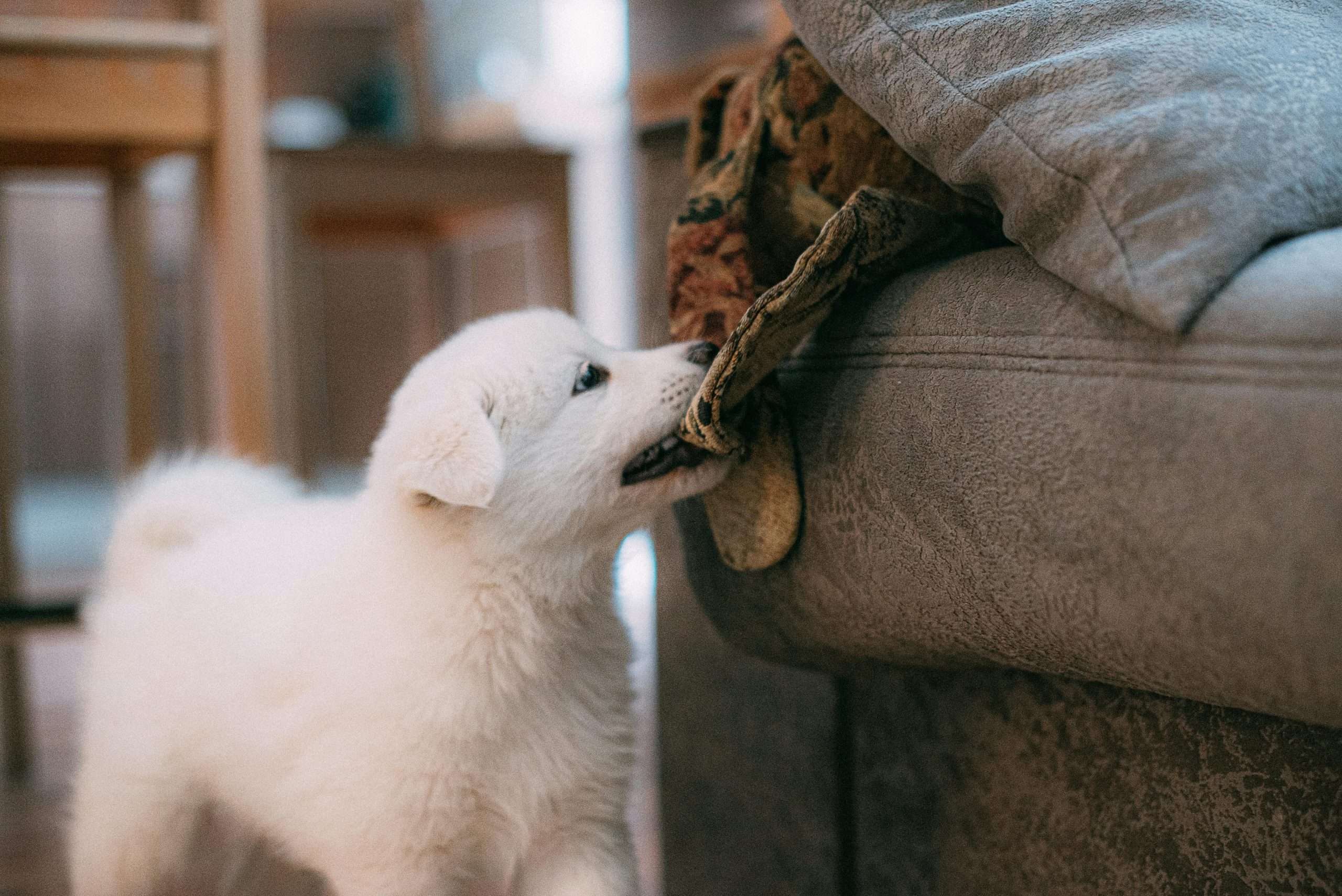
- Puppy Teething: Just like human babies, puppies go through a teething phase. They may bite or chew on things (including you) to relieve the discomfort in their gums.
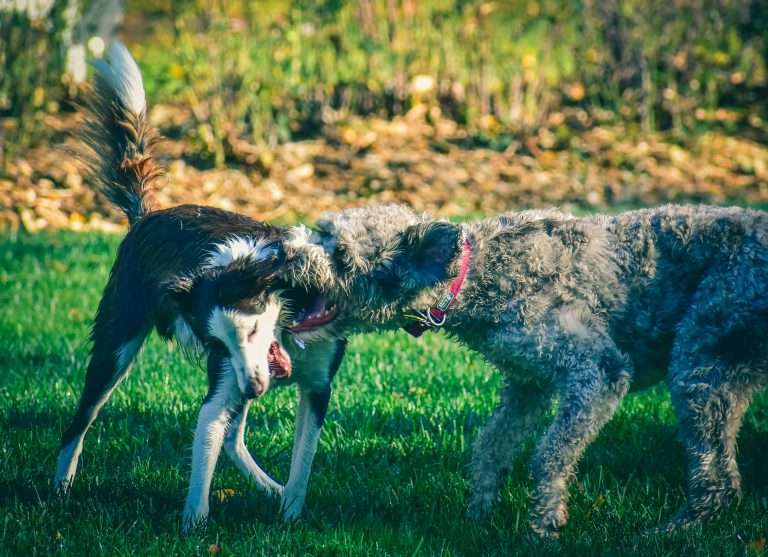
- Play Behavior: Dogs, especially puppies, often use their mouths during play. This is normal behavior, but it’s important to teach them to play gently.
- Attention-Seeking: Some dogs learn that biting gets them attention, even if it’s negative attention.
- Fear or Anxiety: A scared or anxious dog may bite as a defensive mechanism.
- Pain or Illness: Sometimes, a dog that’s in pain or feeling unwell may bite when touched or approached.
Training your dog to stop biting starts with understanding the reasons behind the behavior. Once you know why your dog is biting, you can address the root cause more effectively.
Prevention and Management
Preventing biting behavior is just as important as correcting it. Here are some strategies to implement:
- Proper Socialization: Expose your puppy to a variety of people, animals, and situations in a positive way. This helps prevent fear-based biting later in life.
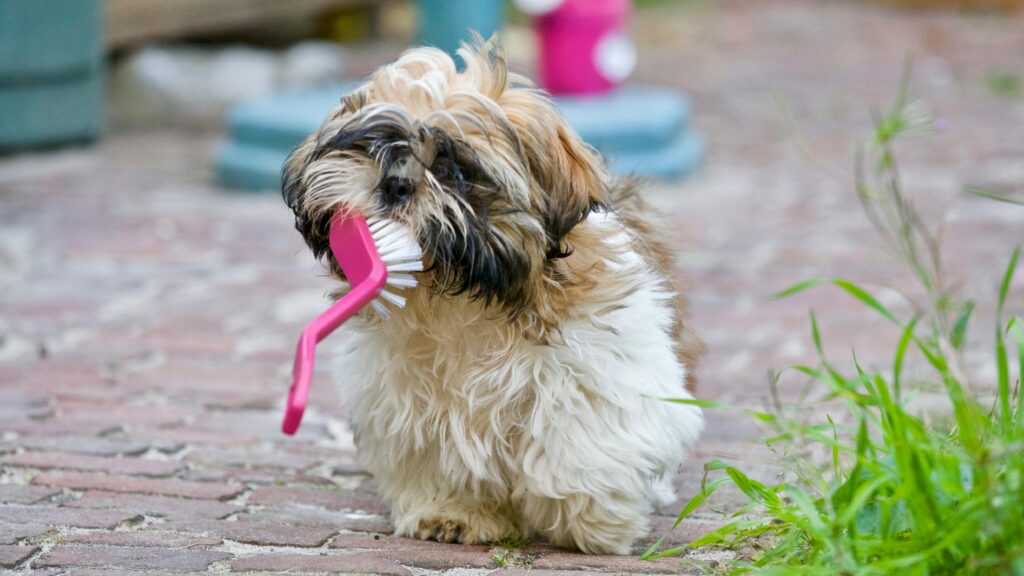
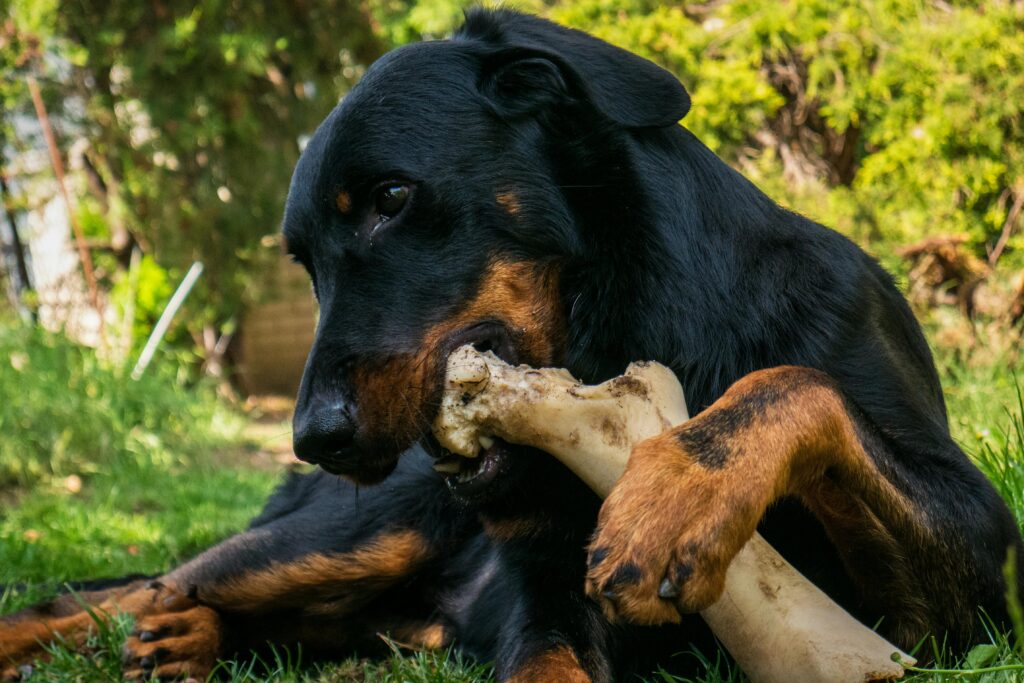
- Provide Appropriate Chew Toys: Give your dog plenty of appropriate items to chew on, especially during the teething phase.
- Use Playpens and Crates: When you can’t directly supervise your dog, especially a puppy, use a playpen or crate to prevent unwanted biting or chewing.
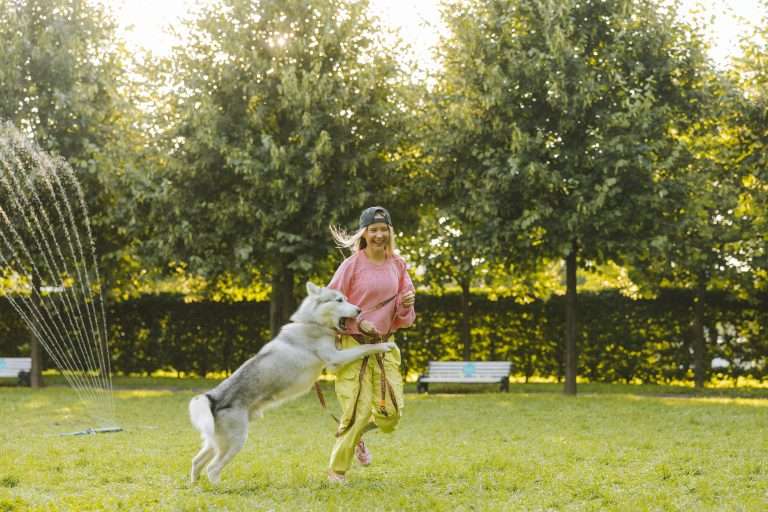
- Manage Energy Levels: Ensure your dog gets enough exercise and mental stimulation. A tired dog is less likely to engage in problem behaviors.
Effective management is crucial in training your dog to stop biting. By setting up your dog’s environment for success, you’re already halfway there.
Training Techniques to Stop Biting
Now, let’s dive into specific techniques you can use to train your dog to stop biting:
- Teach Bite Inhibition
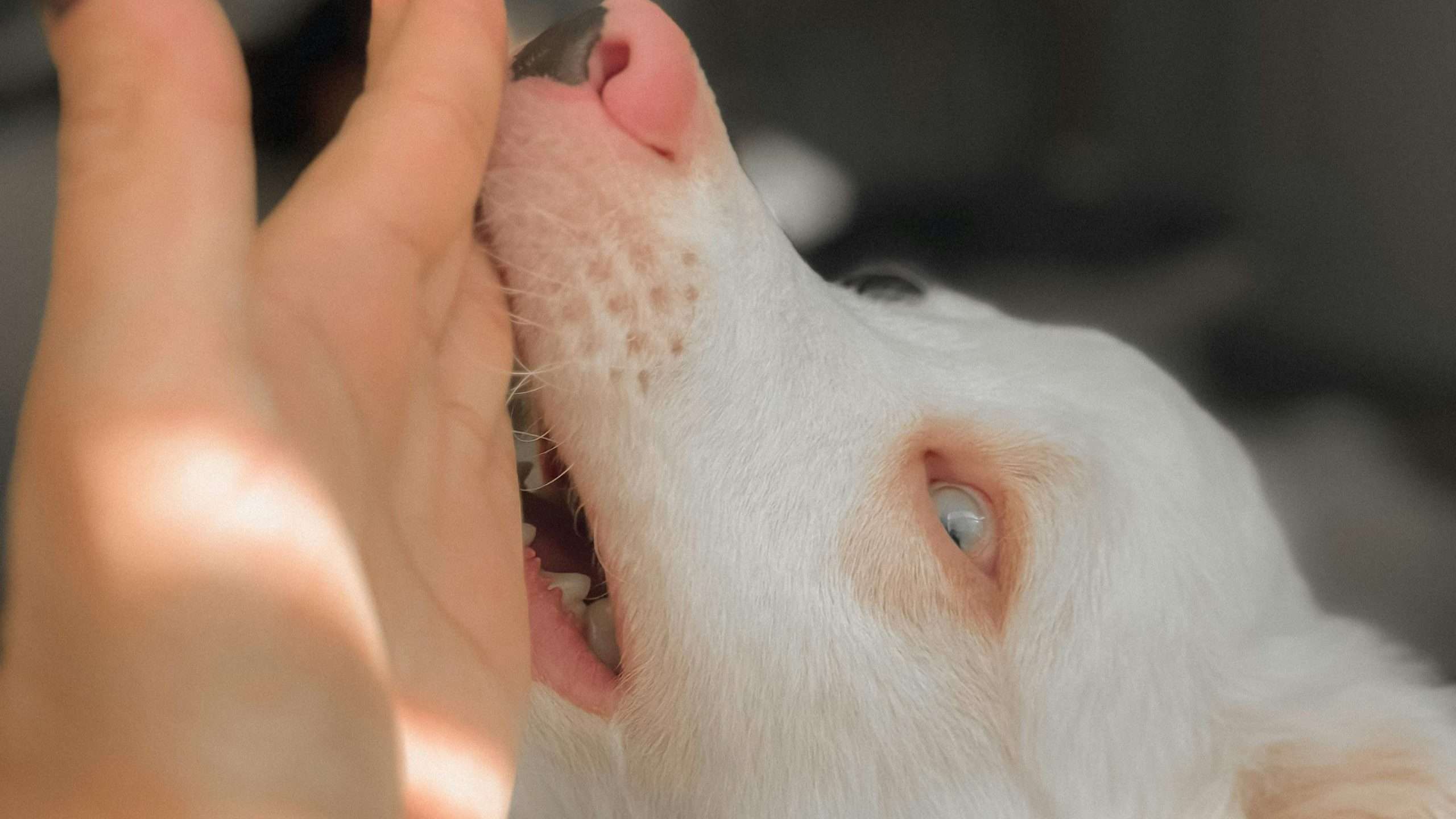
Bite inhibition refers to a dog’s ability to control the force of their mouthing. This is an essential skill for all dogs to learn.
- Yelp or say “Ouch!”: When your dog bites too hard during play, make a high-pitched yelp. This mimics the reaction of a hurt puppy and can startle your dog into stopping.
- Redirect to Toys: Immediately offer an appropriate chew toy. This teaches your dog what they’re allowed to bite.
- Positive Reinforcement
Use positive reinforcement to train your dog to stop biting. Reward your dog for gentle play and for choosing appropriate chew items.
- Praise and Treats: When your dog plays gently or chews on appropriate items, offer verbal praise and treats.
- Ignore Unwanted Behavior: If your dog bites or nips, immediately stop playing and ignore them for a short period. This teaches them that biting ends the fun.
- Time-outs
If your dog continues to bite despite your yelps and redirections, a short time-out can be effective.
- Calmly remove your dog from the situation for 30-60 seconds.
- Ensure the time-out area is boring but not punitive. The goal is to teach your dog that biting ends playtime, not to frighten them.
- Redirect and Replace
Teach your dog alternative behaviors to replace biting.
- “Sit” or “Down”: When your dog gets excited and starts to nip, ask for a calm behavior like “sit” or “down” instead.
- “Find It”: Toss treats on the ground and encourage your dog to sniff for them. This engages their brain and gives them an alternative focus.
- Consistency in Training
Comprehensive training helps stop biting and improves overall behavior. Ensure all family members are on board with the training plan. Consistency is key in helping your dog understand the rules.
Related reads:
When to begin puppy training: A Comprehensive Guide
Specific Scenarios and Solutions
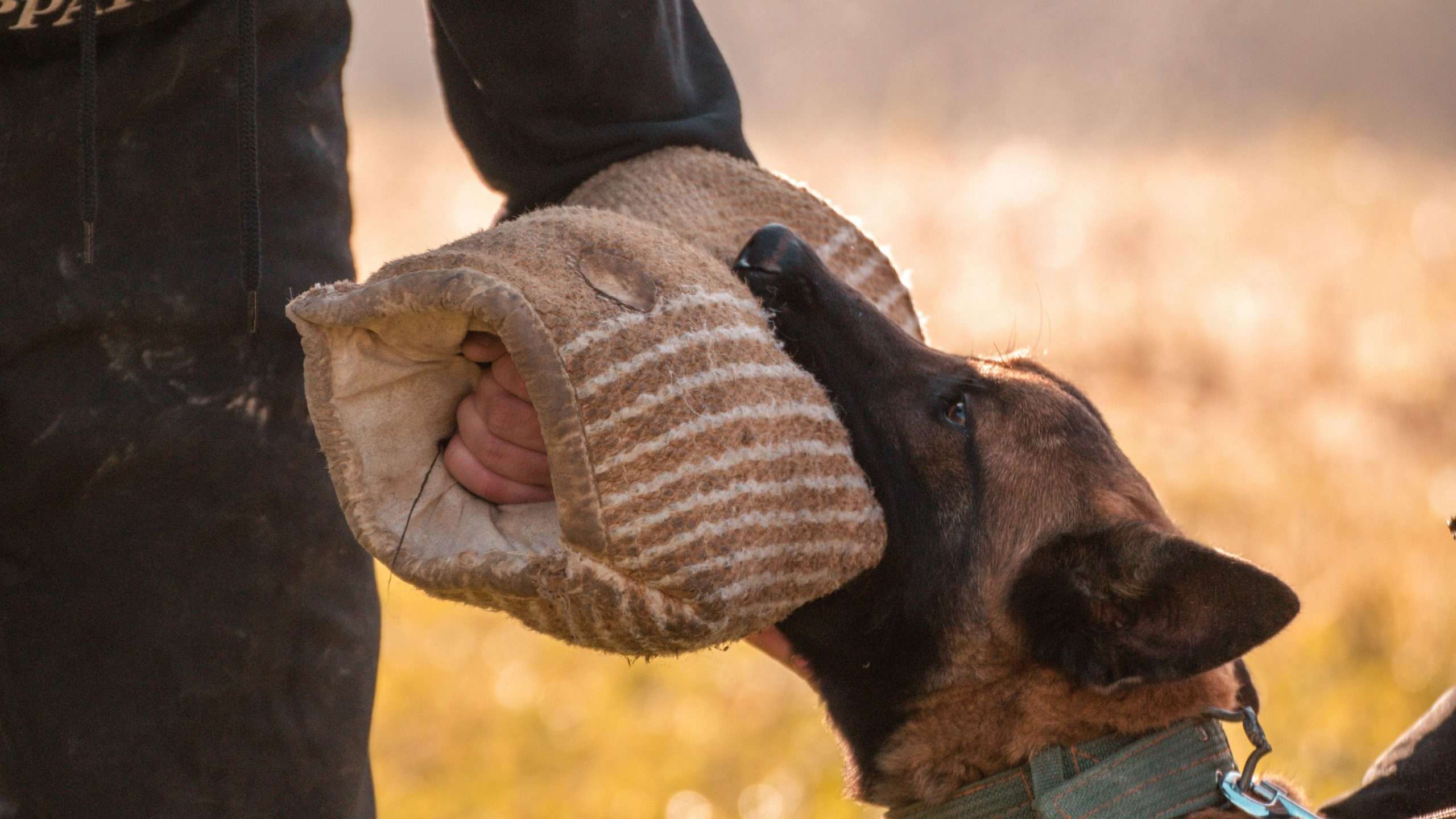
- Biting During Play
- Teach the “gentle” command. Start with calm interactions and gradually increase excitement levels.
- Use toys that keep your hands away from your dog’s mouth, like long tug toys.
- Nipping at Ankles or Feet
- Stop moving when your dog nips.
- Redirect their attention to a toy or ask for a “sit.”
- Practice walking on a leash indoors to teach polite walking behavior.
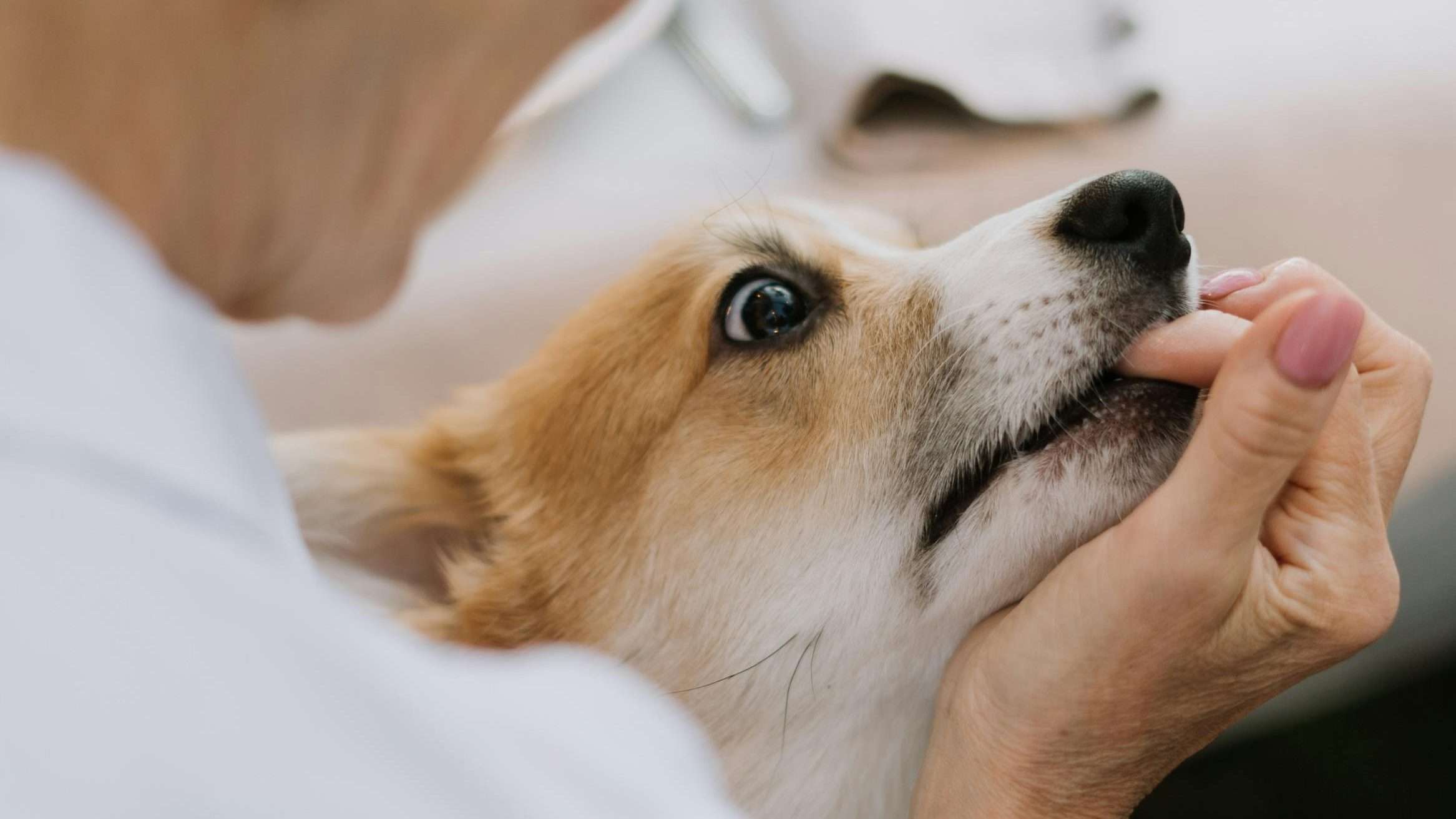
- Mouthing Hands
- Keep your hands still. Moving them can excite your dog more.
- Offer a toy instead.
- If mouthing continues, end the interaction immediately.
Additional Training Tips
- Obedience Training: Basic obedience commands give you more control in exciting situations.
- Exercise and Mental Stimulation: A tired dog is a good dog. Ensure your pet gets enough physical exercise and mental challenges.
- Avoid Physical Punishment: Never hit or physically punish your dog for biting. This can increase fear and aggression.
When to Seek Professional Help
Sometimes, despite your best efforts, you may need professional assistance to train your dog to stop biting. Consider seeking help if:
- The biting is aggressive rather than playful
- Your dog has bitten and broken skin
- The behavior is getting worse despite your training efforts
- You feel unsafe or overwhelmed
A professional dog trainer or behaviorist can assess the situation and provide a tailored training plan.
Saying Goodbye!
Training your dog to stop biting requires patience, consistency, and understanding. Remember that this is a process, and it may take time to see results. Stay positive and consistent in your approach, and don’t hesitate to seek professional help if needed. With dedication and the right techniques, you can help your dog learn to interact gently and appropriately, strengthening your bond and ensuring a harmonious relationship.
FAQs
How long does it take to train your dog to stop biting?
The time it takes can vary depending on the dog’s age, the severity of the behavior, and the consistency of training. For puppies, it often takes a few weeks to a few months. Adult dogs with established biting habits may take longer.
Can an adult dog learn to stop biting?
Yes, adult dogs can learn to stop biting, but it may take more time and patience than with puppies.
Is it normal for puppies to bite a lot?
Yes, it’s normal for puppies to explore the world with their mouths. However, it’s important to teach them appropriate biting inhibition early on.
What should I do if my dog bites someone?
If your dog bites someone and breaks the skin, seek medical attention for the person bitten and consult with your veterinarian about next steps.
Can certain breeds be trained more easily to stop biting?
While some breeds may be more prone to mouthing behaviors, all dogs can be trained to stop biting with consistent, positive training methods.