Why Does My Dog Stare At Me? 3 Common Reasons [With Tips]


Have you ever felt those watchful eyes following your every move? That intense dog stare that seems to peer into your soul, tracking each step you take around the house? If you’re a dog owner, you’ve likely experienced countless moments when your furry friend’s gaze is fixed upon you, leaving you to wonder about the meaning behind those expressive eyes. Sometimes it’s heartwarming, occasionally unnerving, but always intriguing.
This fascinating behavior – the dog stare – is one of the most profound ways our canine companions communicate with us. Unlike most other animals that avoid direct eye contact, dogs have developed this unique ability to engage with humans through their gaze. Whether they’re lounging on their favorite spot, waiting by their food bowl, or sitting attentively during training, our dogs’ eyes often tell stories that their barks and tail wags cannot convey.

In this article, let’s find out the deeper insights on “why does my dog stare at me?”. Read on to find out.
The Science Behind Your Dog’s Staring Behavior
The connection between humans and dogs through eye contact is more fascinating than you might think. Unlike their wolf ancestors, who consider direct eye contact threatening, domesticated dogs have evolved to use staring as a sophisticated form of communication with humans.
Research has revealed that when dogs and humans engage in mutual gazing, both species experience an increase in oxytocin – often called the “love hormone.” This same chemical reaction occurs between mothers and their infants, suggesting that dog staring has become an integral part of the human-canine bond through thousands of years of domestication.
Common Reasons for Dog Staring
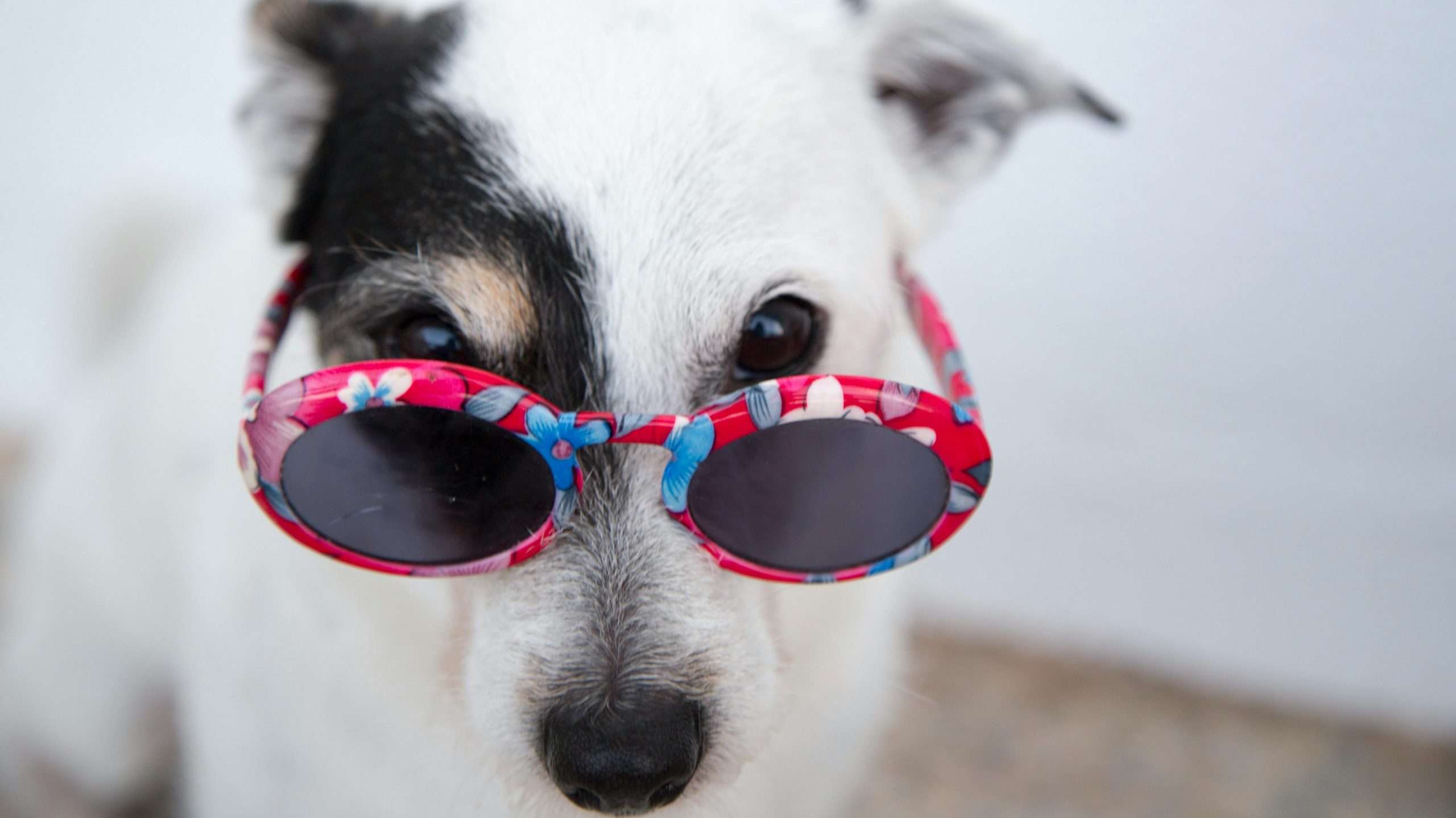
1. Emotional Communication
The Love Stare Perhaps the most heartwarming reason behind your dog’s stare is simple affection. When your dog gazes at you with soft eyes, relaxed facial muscles, and a gentle demeanor, they’re expressing their love and trust. This type of staring often occurs during quiet moments of bonding or during gentle petting sessions.
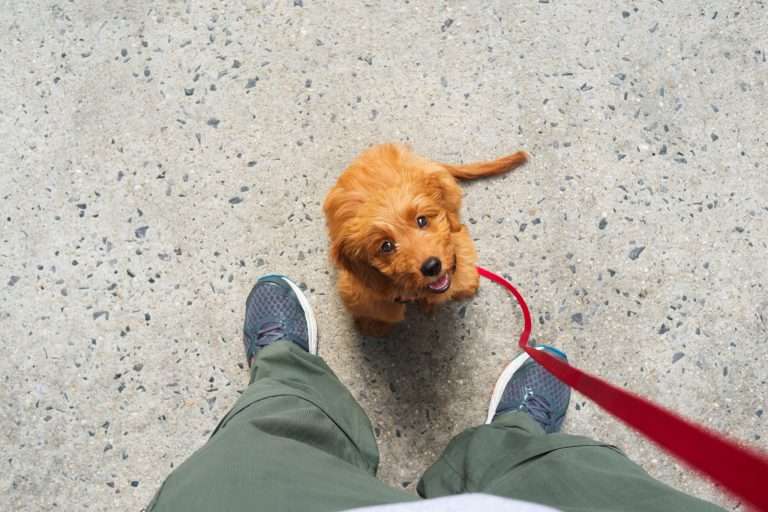
The Attention Stare Dogs are masters at getting what they want through eye contact. A focused stare combined with alert ears and an expectant expression often means your dog is trying to initiate interaction. This could be their way of saying, “Hey, I’m here! Let’s do something fun!”
The Confused Stare Sometimes, your dog’s fixed gaze accompanied by a tilted head indicates confusion or attempts to understand a situation. This often happens during training sessions or when you’re giving commands they haven’t fully learned yet.
2. Need-Based Staring
Dogs quickly learn that maintaining eye contact can lead to rewards. Your pet might employ the power of the stare when:
- Their food bowl is empty
- They need a potty break
- It’s time for their regular walk
- They want to play with their favorite toy
This behavior develops through positive reinforcement – when the stare works once, they’re likely to try it again.
3. Body Language Reading
Dogs are incredibly attuned to human behavior, and staring plays a crucial role in this observation. They watch us to:
- Predict routine activities
- Understand emotional states
- Pick up on training cues
- Anticipate exciting events like walks or meals
When Dog Staring Requires Attention
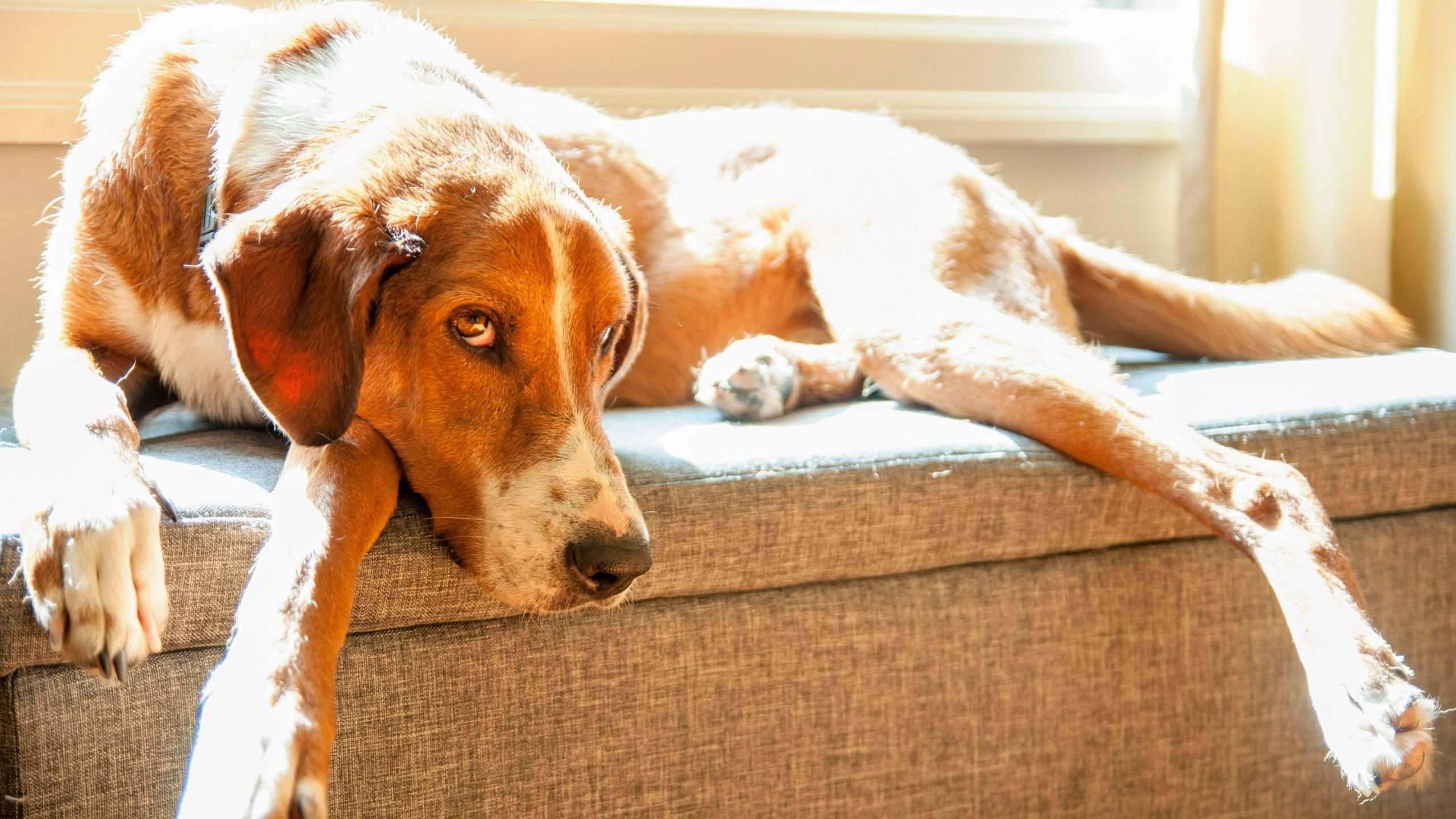
1. Warning Signs
While most dog staring is innocent or affectionate, there are times when it can indicate potential issues:
The Aggressive Stare A hard, fixed stare with a stiff body posture, particularly around food or toys, may indicate resource guarding or aggression. This type of staring usually involves:
- Rigid body posture
- Raised hackles
- Pulled-back lips
- Low-positioned tail
If you notice these signs, it’s essential to give your dog space and consult a professional trainer.
2. Health-Related Staring
Sometimes, excessive staring can indicate health issues:
- Cognitive dysfunction in senior dogs
- Anxiety disorders
- Vision problems
- Neurological conditions
If your dog’s staring behavior suddenly changes or becomes excessive, consult your veterinarian.
How to Respond to Different Types of Dog Stares
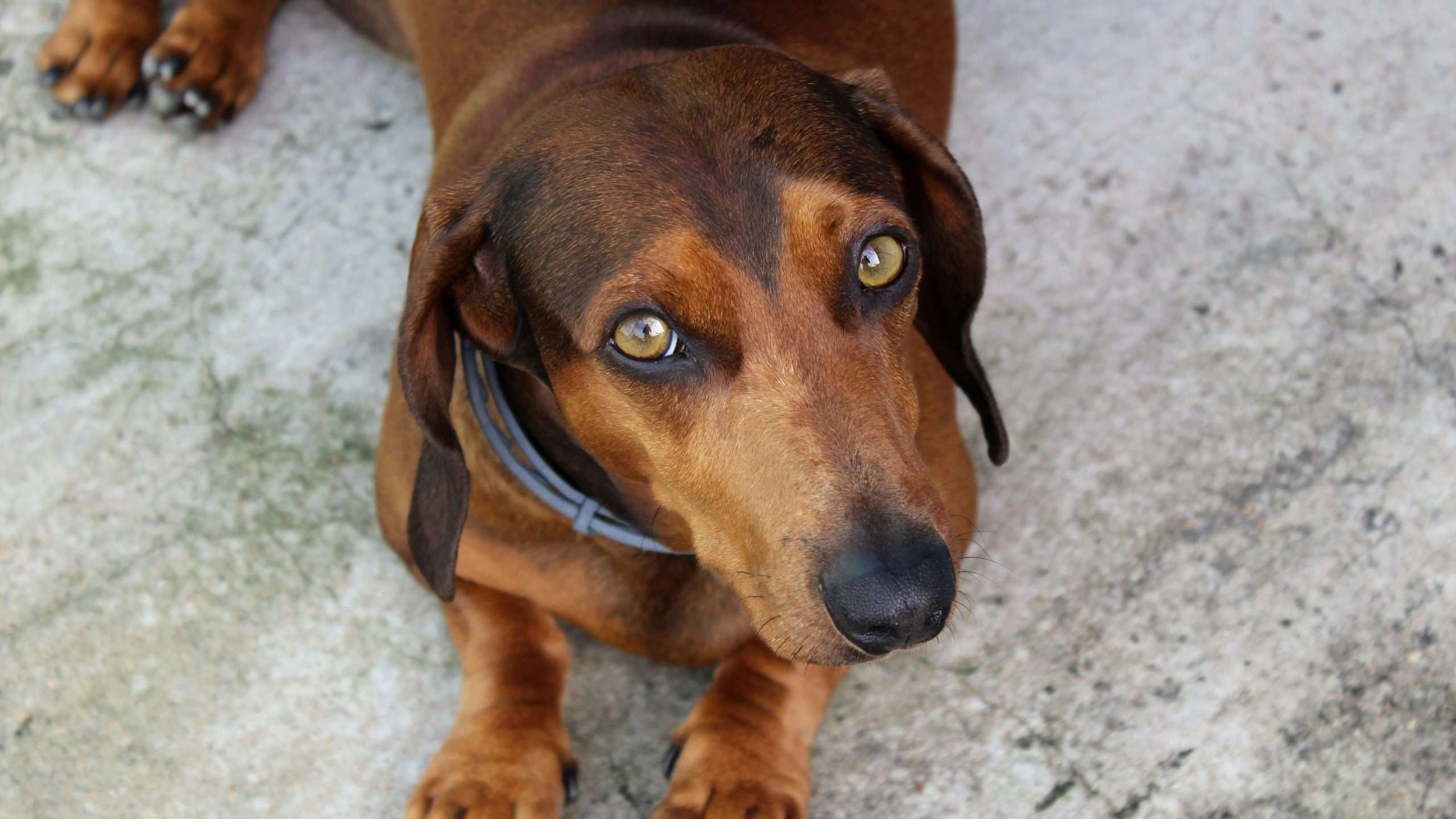
Understanding and responding appropriately to your dog’s staring is crucial for maintaining healthy communication:
- For affectionate stares:
- Reciprocate with gentle attention
- Maintain soft eye contact
- Offer gentle praise or pets
- For need-based staring:
- Assess the situation
- Address basic needs if due
- Avoid reinforcing demanding behavior
- For anxious or aggressive staring:
- Avoid direct eye contact
- Give space
- Seek professional help if needed
Training Tips for Dog Staring
While some staring is natural and healthy, excessive attention-seeking through staring can become problematic. Here’s a comprehensive approach to managing your dog’s staring behavior:
- Establish clear routines for feeding and walks
- Teach alternative communication methods
- Reward calm behavior
- Practice “leave it” and “go to your place” commands
Keep in mind that consistency is key when implementing these training techniques. Every dog is different, so you may need to adjust these approaches based on your pet’s personality and needs. The goal isn’t to eliminate staring completely but to channel it into appropriate communication and maintain a healthy balance in your relationship with your dog.
Related reads:
Master a Consistent Dog Training Routine: 10 Tips for Consistency
Saying Goodbye!
Your dog’s staring behavior is a complex form of communication that has evolved alongside the human-canine relationship. By understanding the different types of dog stares and their meanings, you can better respond to your pet’s needs and strengthen your bond. Remember that while most staring is harmless or even endearing, any sudden changes in this behavior should be evaluated by a professional to ensure your dog’s well-being.
Understanding your dog’s various types of stares is key to maintaining a healthy relationship with your pet. Whether it’s love, need, or concern they’re trying to communicate, being attuned to this aspect of their body language will help you be a better pet parent and strengthen your bond with your furry friend.
FAQs About Dog Staring
Why does my dog stare at me while eating?
This behavior often indicates food guarding or seeking attention. Assess the context and body language to determine if it’s concerning.
Is constant dog staring normal?
While some staring is normal, excessive staring might indicate anxiety or over-attachment. Establish healthy boundaries through training.
How can I tell if my dog’s stare is aggressive?
Look for rigid body posture, raised hackles, and other tense body language accompanying the stare.
Should I maintain eye contact when my dog stares at me?
With familiar, friendly stares, brief eye contact is fine. However, avoid prolonged eye contact with unfamiliar or aggressive dogs.