Dog Aggression: Understanding, Preventing, and Managing Challenging Behaviors

The bond between humans and dogs is profound, built on centuries of companionship and mutual understanding. Yet, aggression represents a critical challenge that can shatter this delicate relationship, transforming a beloved pet into a source of fear and uncertainty. Understanding dog aggression is not just about managing a behavioral problem—it’s about comprehending the intricate emotional and psychological landscape of our canine companions.
In modern society, dogs are more than just pets; they are family members, confidants, and sources of unconditional love. When dog aggression emerges, it disrupts this fundamental connection, creating tension, fear, and potentially dangerous situations. The complexity of aggressive behaviors goes far beyond simple misconceptions of dominance or bad behavior. It is a nuanced communication method that reflects a dog’s internal struggles, unmet needs, and profound emotional experiences.

In this article, let’s understand dog aggression in detail.
Understanding the Roots of Dog Aggression
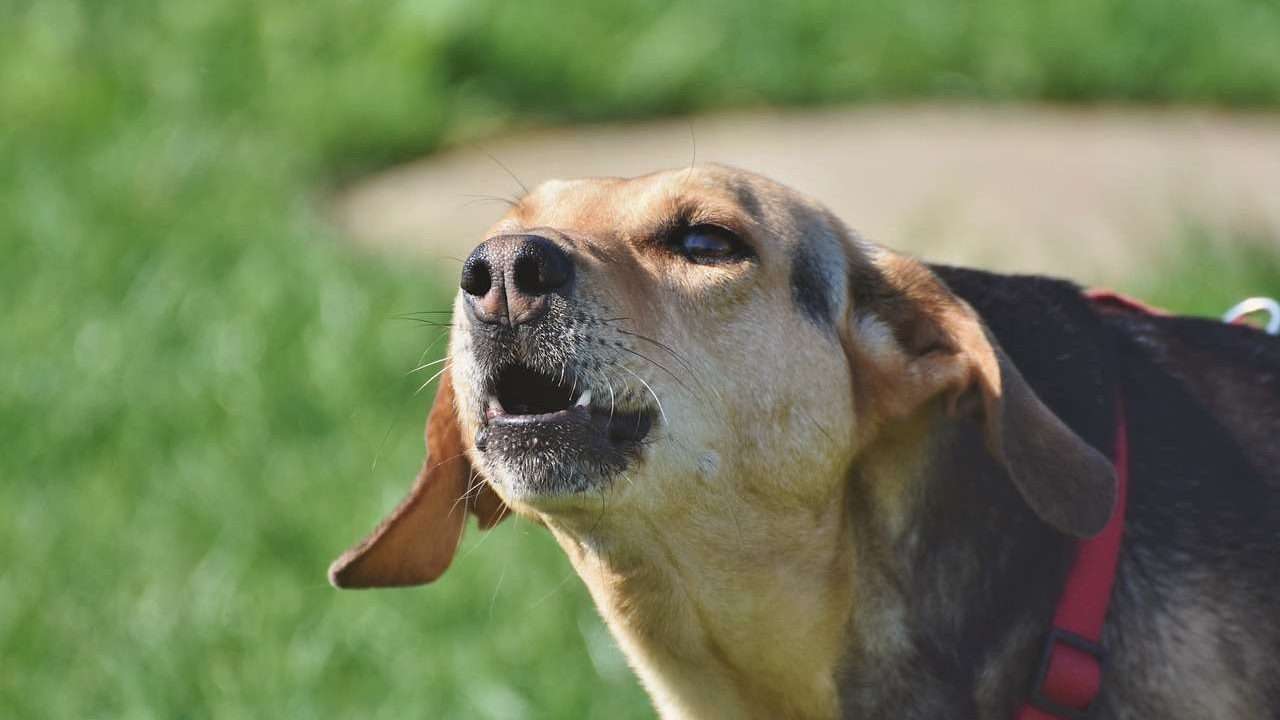
Dog aggression rarely emerges without underlying causes. Veterinary experts emphasize that aggressive behaviors typically stem from a combination of factors, including fear, anxiety, medical conditions, and past experiences. According to leading behavioral specialists, dogs don’t become aggressive without reason. They communicate their discomfort through a series of escalating signals that, if misunderstood, can lead to more serious confrontations.
Recognizing Warning Signs
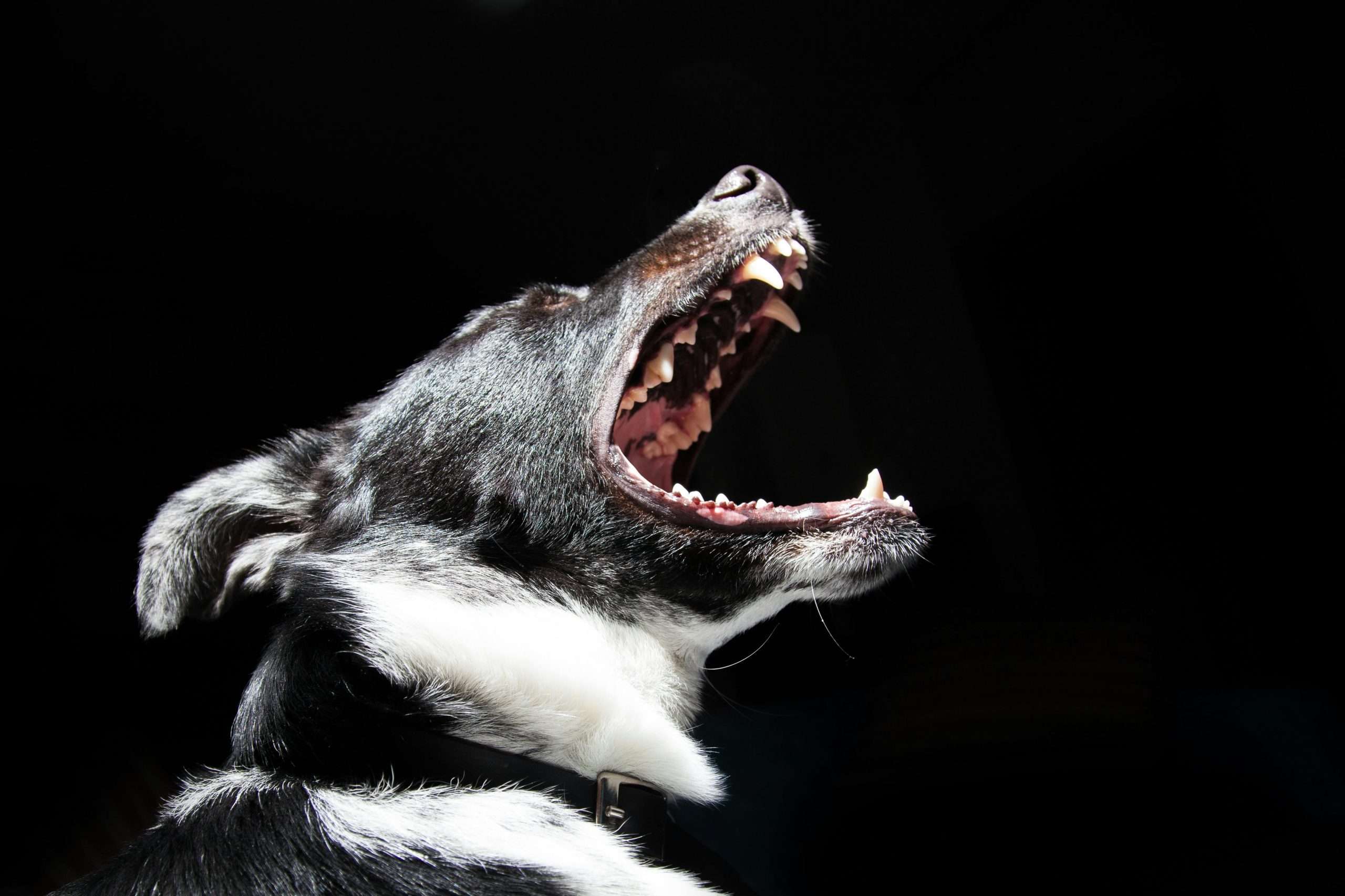
The early indicators of dog aggression are often subtle but critical to identify. It typically manifests through behaviors such as growling, showing teeth, stiffening of the body, and direct staring. These are not random acts of hostility but carefully communicated messages of distress or perceived threat. Professional behaviorists stress the importance of understanding these communication signals as a dog’s way of expressing discomfort.
Safety Strategies for Managing Dog’s Aggressive Behavior

When dealing with dog aggression, safety must be the primary concern. Experts recommend a multifaceted approach that combines environmental management, professional intervention, and targeted behavioral modification.
Immediate Safety Measures
The first step in addressing dog’s aggression is implementing strict safety protocols. This includes using basket muzzles during potentially challenging interactions, maintaining control through head halters and leashes, and creating physical barriers when necessary. A properly fitted basket muzzle allows dogs to pant, drink, and receive treats while preventing potential bites.
Environmental Management
Controlling the dog’s environment is crucial in managing dog aggression. This might involve using baby gates, creating separate spaces, and carefully managing interactions. Professional trainers recommend avoiding confrontational situations and setting up the environment to prevent aggressive episodes.
Medical Considerations in Dog Aggression
Many cases of dog aggression have underlying medical causes. Veterinarians stress the importance of a comprehensive medical examination to rule out potential health issues. Pain, hormonal imbalances, thyroid problems, and sensory losses can significantly contribute to aggressive behaviors.
The Role of Spaying and Neutering
Surprisingly, spaying or neutering can often have a positive impact on dog aggression. Hormonal changes can reduce territorial and aggressive tendencies, making it an essential consideration for pet owners dealing with aggressive behaviors.
Behavior Modification Techniques
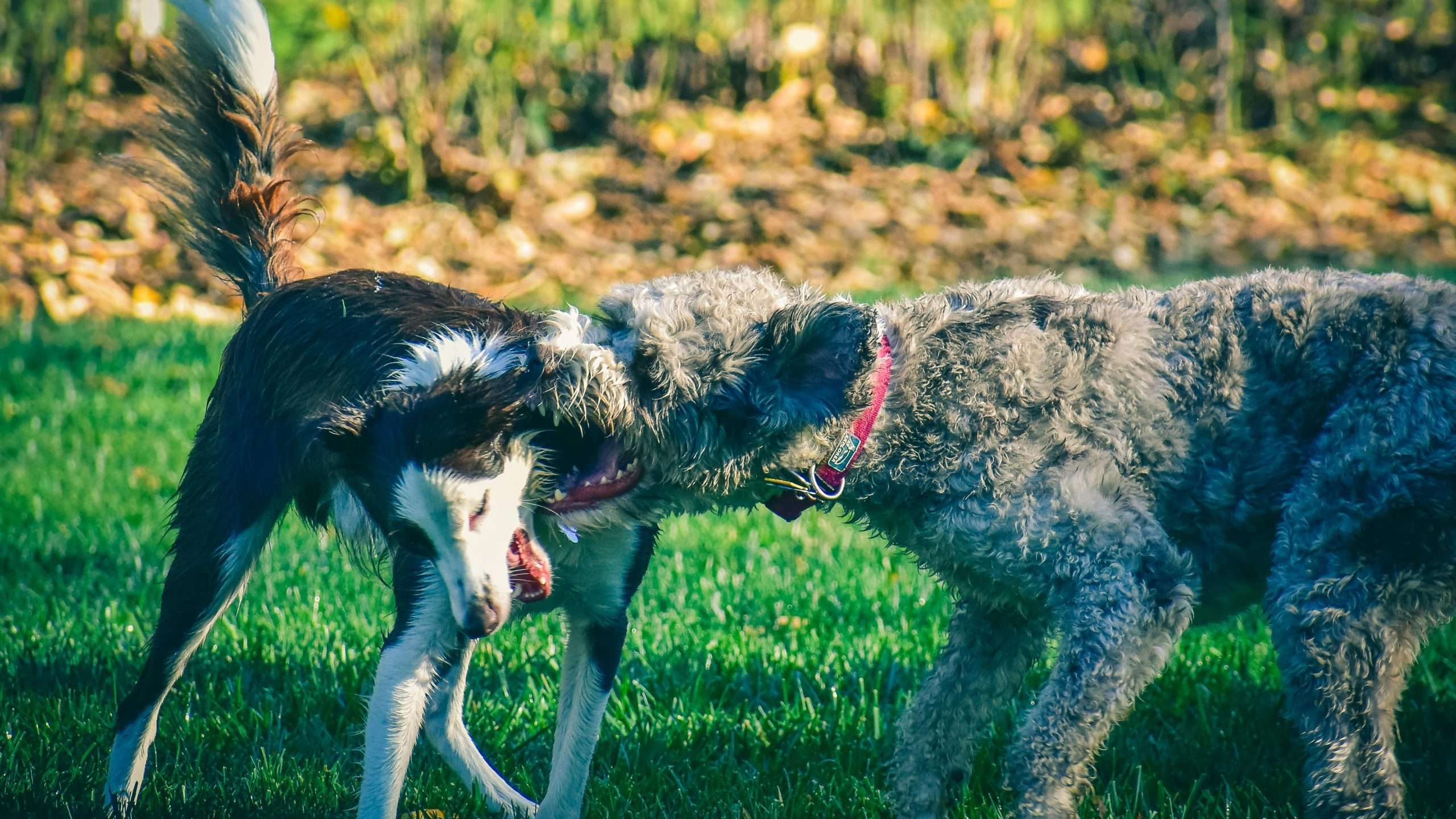
Addressing dog aggression requires a patient and strategic approach. Positive reinforcement training stands out as the most effective method for managing aggressive tendencies. This approach focuses on rewarding desired behaviors rather than punishing unwanted ones.
Related reads:
Learn The Top 6 Methods of Positive Reinforcement in Dog Training
Key Training Strategies
Professional trainers recommend developing a consistent routine that includes:
- Predictable interactions
- Clear command structures
- Positive reinforcement
- Gradual exposure to triggers
Rehabilitation and Long-Term Management
Dog aggression is not typically “cured” but can be managed effectively with consistent effort. Some dogs may require ongoing management strategies to ensure safety and improve behavior.
When Rehoming Might Be Necessary
In some extreme cases of dog aggression, rehoming might be the most responsible option. However, this decision should only be made after comprehensive professional evaluation and with full disclosure to potential new owners.
Understanding the Emotional Landscape
It’s essential to recognize that dog aggression is often a manifestation of the dog’s emotional state. Fear, anxiety, and confusion can drive aggressive behaviors. Compassionate, patient approaches that address these underlying emotions are most likely to yield positive results.
Preventative Measures and Ongoing Care
Prevention is always preferable to management when it comes to dog aggression. Early socialization, consistent training, and understanding canine communication can significantly reduce the likelihood of aggressive behaviors developing.
Mental and Physical Stimulation
Dogs with insufficient mental and physical stimulation are more likely to develop aggressive tendencies. Regular exercise, engaging activities, and mental challenges can help prevent the frustration that often leads to dog aggression.
Final Thoughts – Hope and Healing
Every aggressive behavior tells a story—a narrative of pain, fear, confusion, or unmet needs. As responsible pet owners and compassionate humans, our role is to become skilled listeners, to translate these challenging behaviors into opportunities for growth, healing, and deeper understanding. The transformation begins with empathy, continues through professional intervention, and culminates in a restored relationship built on trust, mutual respect, and comprehensive care.
The battle against dog aggression is not about control or dominance, but about creating an environment of safety, understanding, and emotional support. It is a testament to the resilience of both dogs and their human companions, demonstrating that with the right approach, even the most challenging behavioral issues can be navigated successfully.
Frequently Asked Questions
How Can I Tell If My Dog’s Behavior Is Actually Aggression?
Dog aggression is more than just occasional growling or protective behavior. Look for consistent patterns of threatening behaviors like prolonged staring, raised hackles, showing teeth, lunging, and actual biting. These behaviors, especially when frequent or intense, indicate a serious aggression issue that requires professional intervention.
Are Some Dog Breeds More Prone to Dog Aggression?
While no breed is inherently aggressive, some breeds may have genetic predispositions that make them more likely to display protective or reactive behaviors. However, dog aggression is primarily influenced by individual temperament, socialization, training, and environmental factors rather than breed alone. Responsible ownership, early socialization, and consistent training are crucial regardless of breed.
Can Dog Aggression Be Completely Cured?
Dog aggression is typically managed rather than completely “cured.” With professional behavioral modification, consistent training, and potentially medical intervention, many dogs can learn to control aggressive impulses. However, some dogs may require lifelong management strategies. The goal is not to eliminate the dog’s natural instincts but to provide tools and environments that help them navigate their emotional responses safely and effectively.