Hiking With Dogs: 11 Tips For Hitting the Trail


Hiking with dogs can be one of the most rewarding experiences for both you and your furry companion. The great outdoors provides an opportunity to bond, exercise, and explore nature together. However, before you hit the trail, it’s essential to prepare properly to ensure a safe and enjoyable adventure. Here are some practical tips to make your outing memorable and stress-free.
1. Choose a Dog-Friendly Trail
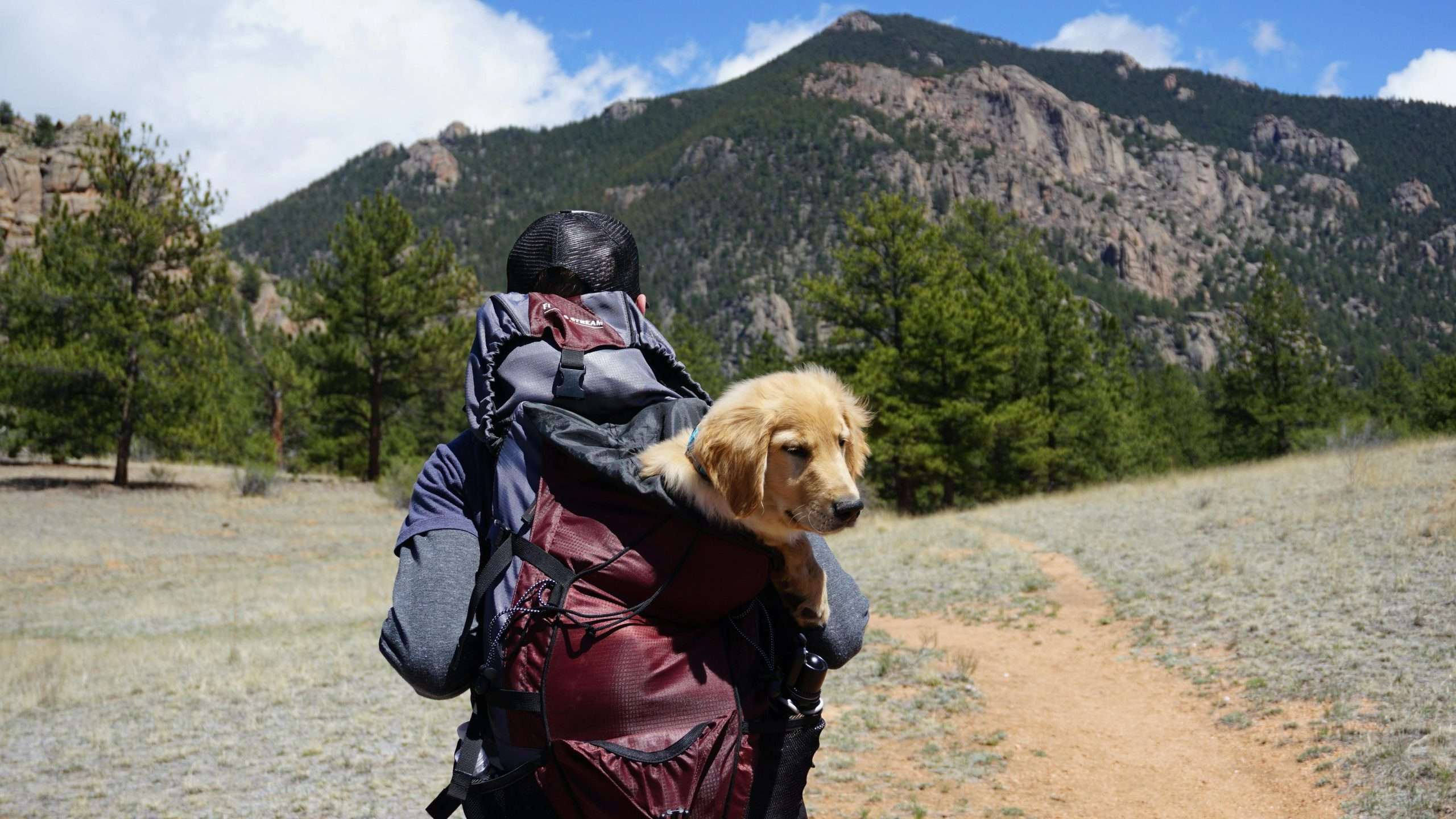
Before setting out, research trails that allow dogs and offer suitable terrain for your pup’s fitness level. Not all trails are dog-friendly, and some may have restrictions due to wildlife or environmental concerns. Look for paths with shade, water sources, and manageable inclines.

If it’s your dog’s first time hiking, start with shorter and easier trails to gauge their comfort and stamina. Gradually increase the difficulty as they get accustomed to hiking. Always double-check park regulations and leash laws to avoid any unexpected issues.
2. Pack the Essentials
Hiking with dogs requires extra preparation to ensure their comfort and safety. Here’s a checklist of must-have items for your adventure:
- Collar and ID Tags: Ensure your dog’s collar has up-to-date identification tags with your contact information.
- Leash: A sturdy leash is essential, even if the trail allows off-leash hiking. It helps keep your dog safe in unfamiliar environments.
- Water and Portable Bowl: Carry enough water for both you and your dog. A collapsible bowl is a convenient way to keep your pup hydrated.
- Snacks or Treats: High-energy treats can keep your dog’s energy levels up during the hike.
- Waste Bags: Be responsible and clean up after your pet to leave no trace on the trail.
- First Aid Kit: Pack basic supplies like bandages, antiseptic wipes, and tweezers for emergencies.
- Dog Boots (if necessary): Protect your dog’s paws from rough terrain, sharp rocks, or hot surfaces.
Having the right gear will make your outing smoother and more enjoyable for both you and your dog.
3. Train Your Dog Beforehand
If your dog isn’t used to hiking, it’s essential to start with some basic training. Practice walking on different terrains and get them accustomed to wearing a harness or boots if needed. Commands like “stay,” “heel,” and “leave it” are crucial for maintaining control and ensuring safety, especially in unfamiliar surroundings.
Socialize your dog around other hikers and animals to minimize anxiety or overexcitement on the trail. Training will not only make the hike more enjoyable but also reduce the risk of accidents.
4. Monitor Your Dog’s Health
Pay close attention to your dog’s physical condition before and during the hike. Check for signs of fatigue, overheating, or discomfort. Dogs don’t always show pain clearly, so watch for subtle indicators like excessive panting, limping, or reluctance to move.
Plan your hikes during cooler parts of the day and avoid trails with extreme weather conditions. If the ground is too hot for your hand, it’s too hot for your dog’s paws. Taking regular breaks and providing plenty of water will help your pup stay comfortable.
5. Respect Trail Etiquette
When hiking with dogs, it’s important to follow proper trail etiquette to ensure everyone has a pleasant experience. Keep your dog on a leash where required and yield the trail to other hikers, bikers, or horses. Always clean up after your dog to keep the environment pristine and protect local wildlife.
Respecting other trail users and maintaining control over your pet helps create a safe and welcoming atmosphere for all.
6. Prepare for Wildlife Encounters
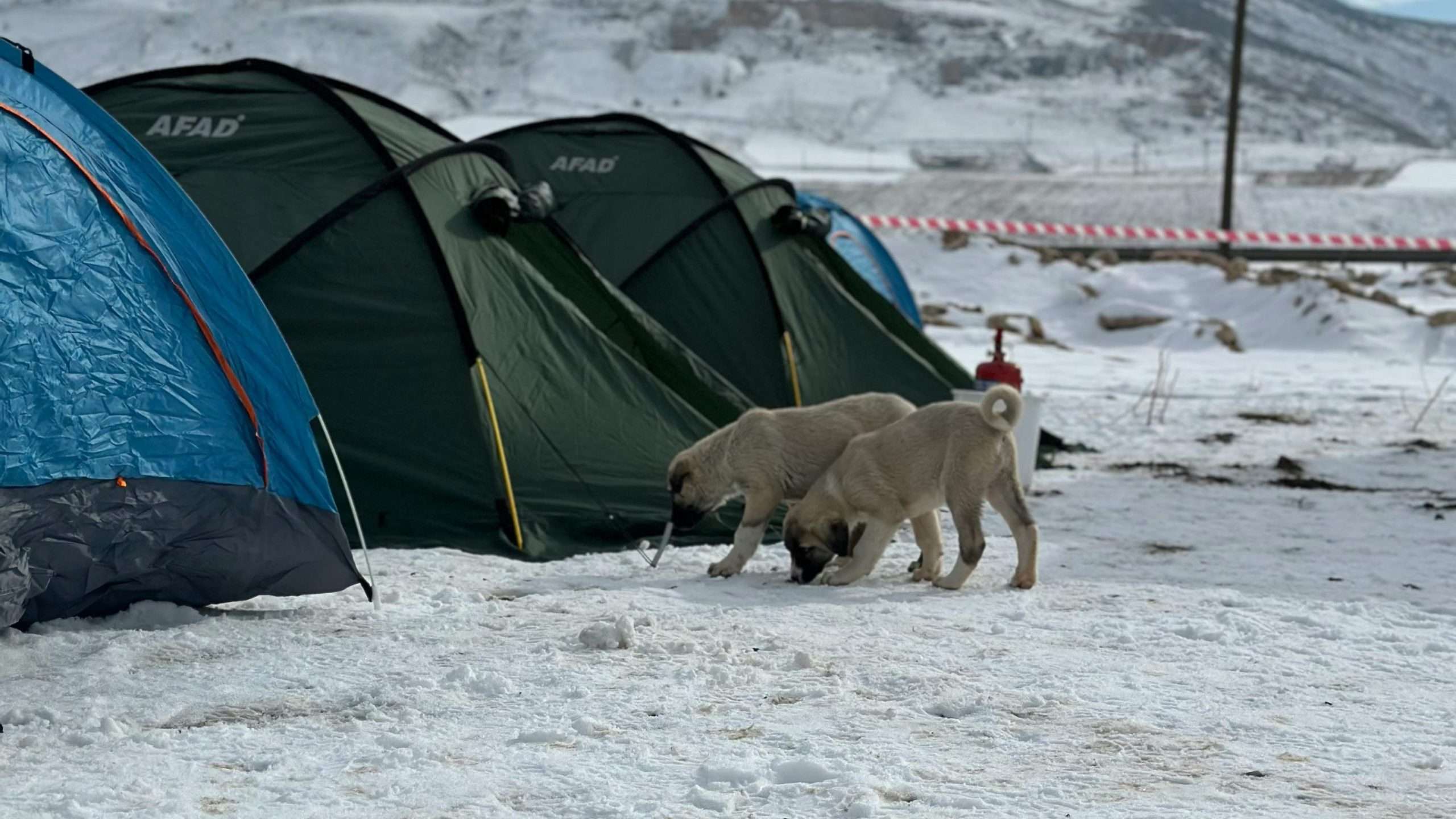
Trails often pass through areas inhabited by wildlife, which can be exciting yet dangerous for your dog. Keep your pup on a leash in areas with known wildlife activity to prevent them from chasing or startling animals. Snakes, porcupines, and even skunks can pose threats, so remain vigilant and steer your dog clear of potential hazards.
Using a bell or making noise as you hike can help alert wildlife to your presence, reducing the chances of unexpected encounters.
7. Protect Your Dog From Fleas and Ticks
Hiking with dogs often means venturing into areas where fleas and ticks thrive. Apply a veterinarian-recommended flea and tick preventative before heading out. After the hike, thoroughly check your dog for ticks, paying close attention to areas like their ears, underbelly, and between their toes.
Regular grooming and inspections will keep your pup healthy and free from pests.
Related reads:
Protecting Your Dog from Fleas, Ticks, and Heartworm: A Comprehensive Guide to Preventative Measures
8. Know Your Limits
Not every dog is built for strenuous hikes, and it’s important to tailor your adventures to your pet’s capabilities. Puppies, senior dogs, or breeds with flat noses (like pugs and bulldogs) may struggle with long or challenging trails. Be realistic about your dog’s fitness level and adjust your plans accordingly.
Take frequent breaks to let your dog rest and recover. If they seem tired or disinterested, it’s okay to cut the hike short. The goal is to enjoy quality time together, not to push them beyond their limits.
9. Leave No Trace
Preserving nature’s beauty is a shared responsibility. Always clean up after your dog and dispose of waste properly. Pack out everything you bring in, and avoid letting your pet disturb wildlife or damage plants.
By adhering to the “leave no trace” principles, you can help ensure that trails remain beautiful and accessible for everyone.
10. Capture the Moments
Hiking with dogs creates lasting memories worth cherishing. Don’t forget to bring a camera or smartphone to capture those candid moments of joy and exploration. Photos of your dog enjoying the trail can be a wonderful way to relive the adventure and share it with friends and family.
However, be mindful of your surroundings while taking pictures. Ensure your dog is secure and safe before focusing on the perfect shot.
11. Post-Hike Care
After your hike, take time to care for your dog’s needs. Check their paws for cuts or abrasions, and inspect their fur for burrs, ticks, or other debris. Offer plenty of water and a nutritious meal to help them recover.
A good post-hike grooming session can also keep your dog clean and comfortable. If they’ve been in muddy or dusty areas, consider giving them a bath to remove dirt and prevent skin irritations.
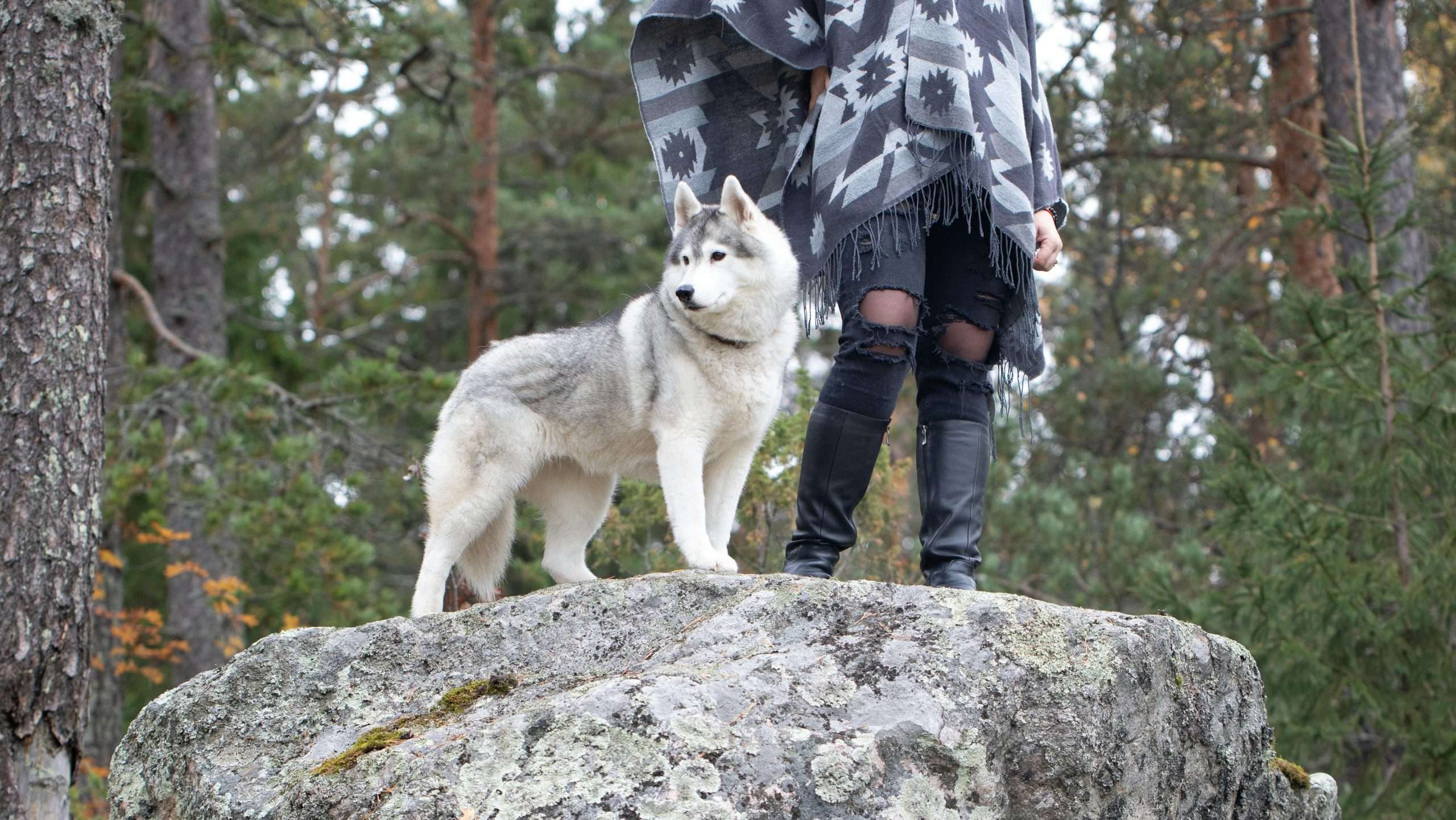
Happy Hiking
Hiking with dogs is a fantastic way to enjoy nature while strengthening your bond with your furry friend. By preparing adequately, respecting trail etiquette, and prioritizing your pet’s safety, you can create unforgettable outdoor experiences together.
Remember, every dog is unique, so tailor your hikes to suit their needs and abilities. With the right approach, hitting the trail with your pup will be an adventure you’ll both look forward to time and time again. Whether it’s a leisurely stroll or a challenging trek, “Hiking With Dogs: Tips For Hitting the Trail” ensures that both you and your canine companion have a safe and enjoyable journey.


![Can Dogs Eat Salt? Symptoms & Prevention [2025]](https://100dogbreeds.com/wp-content/uploads/2025/03/pexels-vero-andrade-10716903-12027296-768x512.jpg)