Rotational Feeding for Dogs: 4 Steps on How to Feed on Rotation

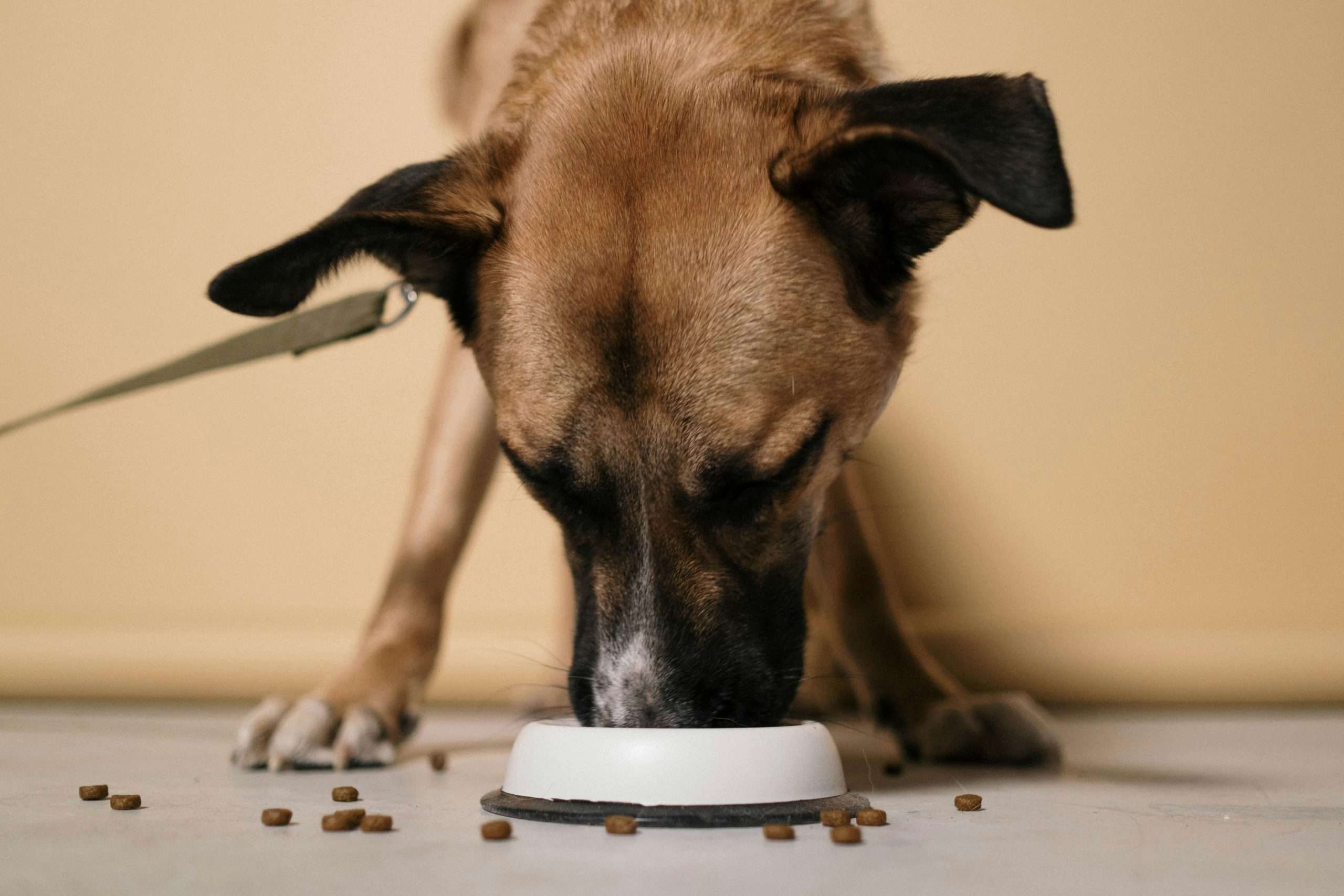
Feeding your dog the same kibble every day might seem convenient, but it may not be the most enriching or nutritionally diverse choice. Just like humans, dogs can benefit from variety in their meals – not just for taste but for overall health. That’s where rotational feeding comes in. This approach to canine nutrition is gaining popularity among pet parents and veterinarians who believe that food variety plays a key role in supporting long-term wellness.
In this guide, we’ll break down everything you need to know about rotational feeding, including what it is, why it’s worth considering, and how to start implementing it in your dog’s routine.

What is Rotational Feeding?
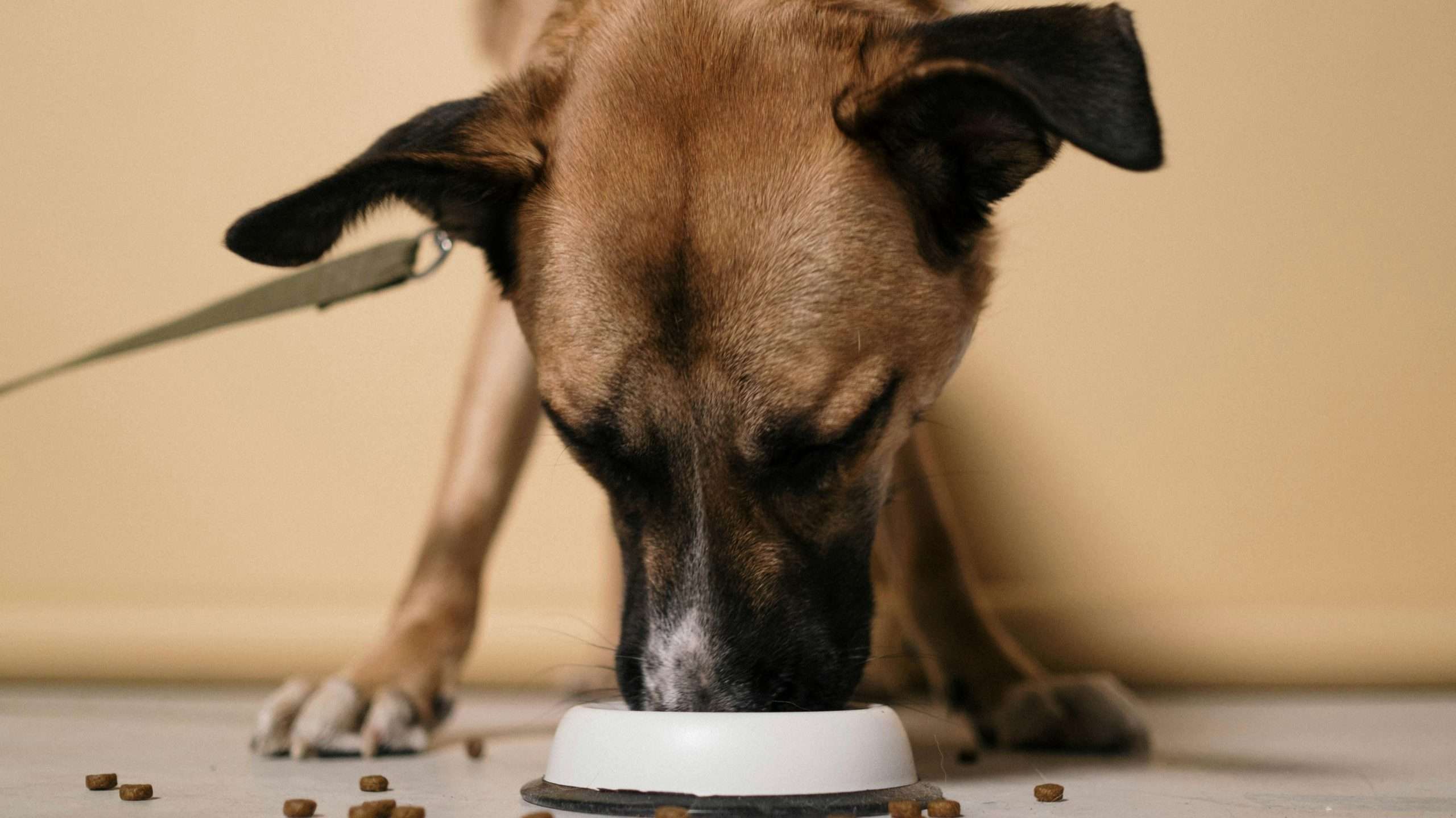
Rotational feeding is a feeding strategy where your dog’s meals are intentionally varied on a regular schedule. This can mean switching between:
- Different protein sources (like chicken, lamb, beef, or fish)
- Various food types (kibble, wet food, raw, freeze-dried, or home-cooked)
- Brands or formulas within the same product line
The goal is to expose your dog to a range of nutrients, tastes, and textures – giving them a more holistic diet over time.
Some pet parents rotate meals weekly, while others do it monthly or with each new bag of food. There’s no one-size-fits-all method, which is one reason why rotational feeding is such a flexible and appealing option.
Why Consider Rotational Feeding for Dogs?
1. Encourages a More Complete Nutritional Profile
Even the best commercial dog foods can vary in their nutritional composition. One formula might be higher in omega-3s, while another contains more natural antioxidants or different vitamin ratios. By rotating between them, your dog can benefit from the strengths of each.
Rotational feeding allows you to layer nutritional advantages without relying on a single source for all of your dog’s dietary needs.
2. Reduces the Risk of Food Sensitivities
Feeding the same food over a long period can actually increase the risk of your dog developing sensitivities or intolerances. Proteins like chicken and beef, which are common in many foods, are also among the most frequent culprits in canine allergies.
By regularly changing up your dog’s diet through rotational feeding, you reduce prolonged exposure to any one ingredient, lowering the likelihood of food-related allergies.
3. Promotes Digestive Resilience
When dogs are introduced to a variety of foods early on, their digestive systems become more adaptable. Dogs raised on a rotational feeding schedule often handle dietary changes with fewer issues like vomiting, diarrhea, or bloating – issues that can arise when switching from a long-term food to something new.
A robust gut can also mean better absorption of nutrients and a stronger immune system.
4. Makes Mealtime Exciting
Let’s face it: eating the same thing every day gets boring – even for dogs. Rotational feeding keeps mealtime interesting. The different smells and textures stimulate your dog’s senses and can increase their enthusiasm to eat, especially for picky eaters.
Related reads:

How to Start Rotational Feeding Safely
If your dog has always been on a single diet, the idea of switching things up might seem intimidating. But with a little planning and patience, rotational feeding can be a smooth and rewarding transition.
Step 1: Choose Your Base Foods
Start by selecting 2–3 high-quality dog foods you’d like to rotate between. These could be:
- Different proteins from the same brand
- Varieties across brands that meet AAFCO nutritional standards
- A mix of kibble and wet or raw food (if desired)
Consistency in quality matters more than variety for its own sake. Make sure each food is labeled as “complete and balanced” for your dog’s life stage.
Step 2: Determine a Rotation Schedule
There’s no fixed rule for how often to rotate. Some dog owners prefer to switch at the end of each bag of food. Others rotate weekly or even daily using smaller portions of different formulas.
For beginners, a monthly rotation is a gentle way to get started with rotational feeding.
Step 3: Transition Gradually
Start slowly when introducing a new food. Mix 25% of the new food with 75% of the old food for the first two days. If there are no signs of digestive upset, move to a 50/50 mix for the next two days, then 75/25, and finally transition fully.
Even though rotational feeding helps build digestive flexibility over time, it’s still smart to be cautious when introducing anything new.
Step 4: Monitor Your Dog’s Response
Watch closely for any changes in your dog’s behavior, stool quality, energy levels, or skin condition. Keep a feeding journal if needed – this is especially helpful if your dog has shown signs of allergies in the past.
If any concerning symptoms arise, consult your vet and temporarily scale back the rotation plan.
What Foods Can Be Used in Rotational Feeding?

One of the benefits of rotational feeding is that it can be customized to fit your lifestyle, budget, and your dog’s preferences. Here are some common formats and how they might fit into a rotation:
Kibble-Based Rotation
Easiest to manage, just switch between different protein formulas under the same brand.
Wet and Dry Mix
Alternate between canned and dry foods for textural variety and increased moisture content.
Raw or Freeze-Dried Inclusion
Raw feeding advocates often use rotational feeding to balance raw protein sources like duck, rabbit, or turkey.
Limited Ingredient Diets
Ideal for dogs with allergies. Use different single-protein options and rotate them within the safe ingredient list.
You can also use rotational feeding to introduce fresh foods or healthy toppers like plain pumpkin, cooked eggs, or bone broth.
Can Dogs With Allergies Still Benefit from Rotational Feeding?
Yes; but with some extra care.
Dogs with food allergies need limited and controlled exposure to new ingredients. You can still practice rotational feeding, but it should be done with limited-ingredient diets that only include proteins and carbohydrates your dog tolerates well.
For example, if your dog does well on lamb and rice, rotate between different lamb-based limited-ingredient formulas or mix in freeze-dried lamb treats that don’t introduce anything new.
Always consult your vet before rotating foods for dogs with existing medical conditions or dietary restrictions.
Final Thoughts on Rotational Feeding for Dogs
Rotational feeding isn’t just about changing things up for the sake of novelty — it’s a thoughtful approach to long-term nutrition, variety, and digestive health. Whether you’re rotating proteins, food formats, or brands, the goal is to keep your dog’s body nourished and adaptable.
While it might require more attention than sticking with one bag of food, the benefits — from improved digestion to better meal enjoyment — can make it well worth the effort.
Start small, be consistent, and most importantly, listen to your dog. With patience and the right foods, rotational feeding can become a natural and rewarding part of your care routine.