Proper Dog Hygiene: 5 Do’s and Don’ts

Maintaining proper dog hygiene is essential for your pet’s health, comfort, and overall well-being. Just like humans, dogs require regular grooming, cleaning, and care to prevent infections, skin issues, and discomfort. A well-groomed dog is not only happier but also less prone to diseases. However, pet owners often make mistakes in their dog grooming routine, which can lead to unintended health problems.
This guide covers the do’s and don’ts of dog hygiene, helping you keep your furry companion clean and healthy without causing harm.

1. Brushing & Washing
Do’s:
- The first in the list of dog hygiene is brushing. Brush regularly to remove dirt, loose fur, and prevent matting. Brushing distributes natural oils, keeping the coat shiny and healthy.
- Use the right brush for your dog’s fur type. Short-haired dogs require soft-bristle brushes, while long-haired breeds need detangling tools.
- Brush before bathing to prevent tangles and matting, which can worsen when wet.
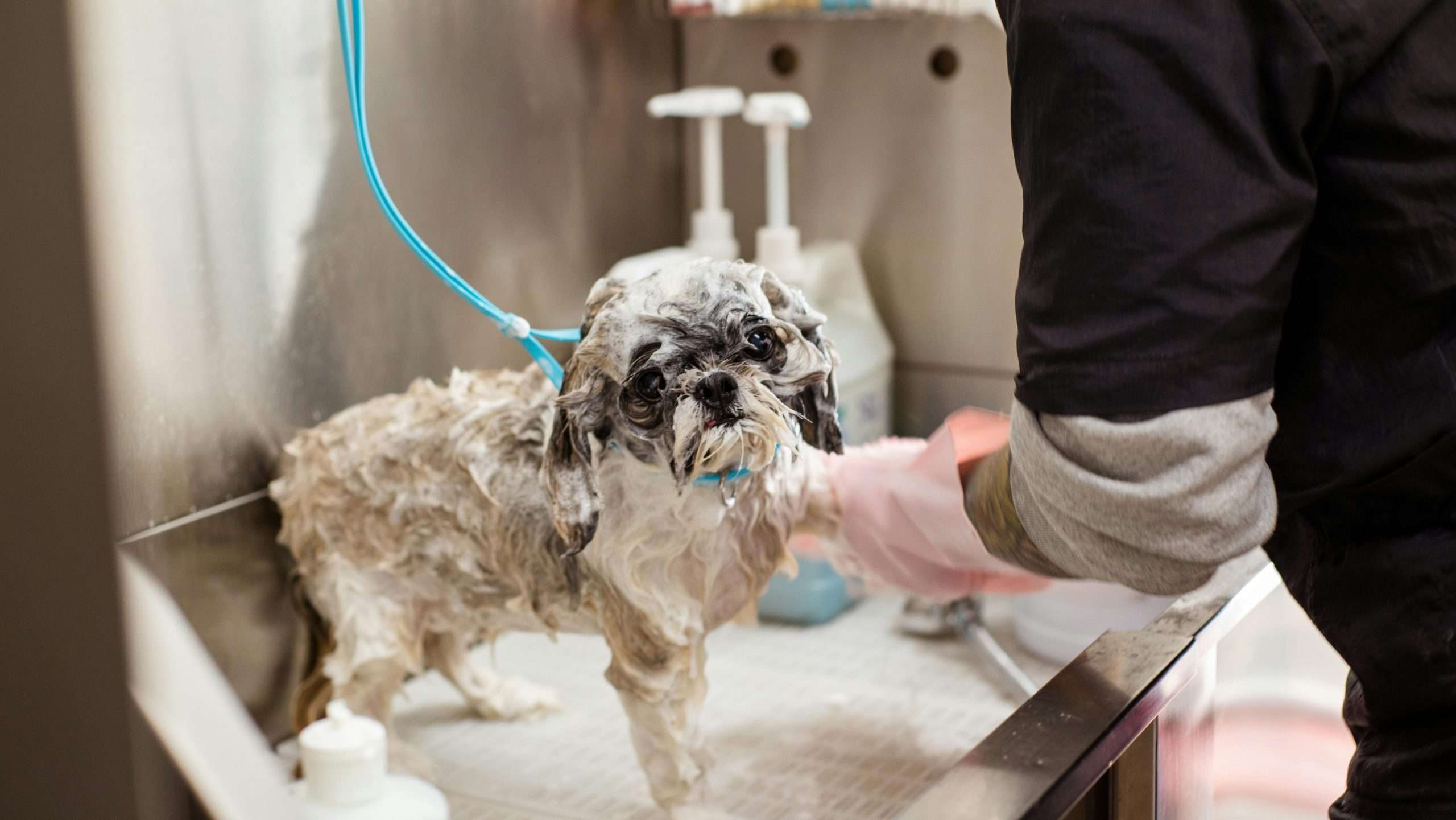
- Use dog-specific shampoo to maintain the pH balance of their skin and avoid irritation.
- Bathe your dog every 4-6 weeks, or as needed based on their activity level and coat type.
Don’ts:
- Avoid overbrushing, as excessive brushing can thin out the coat and irritate the skin.
- Never use human shampoo on dogs. It can strip essential oils and cause dryness or allergic reactions.
- Don’t cut out matted fur with scissors. Instead, use a comb or take your dog to a professional groomer.
- Avoid frequent bathing unless necessary. Overbathing can lead to dry, itchy skin.
2. Oral Hygiene
Do’s:
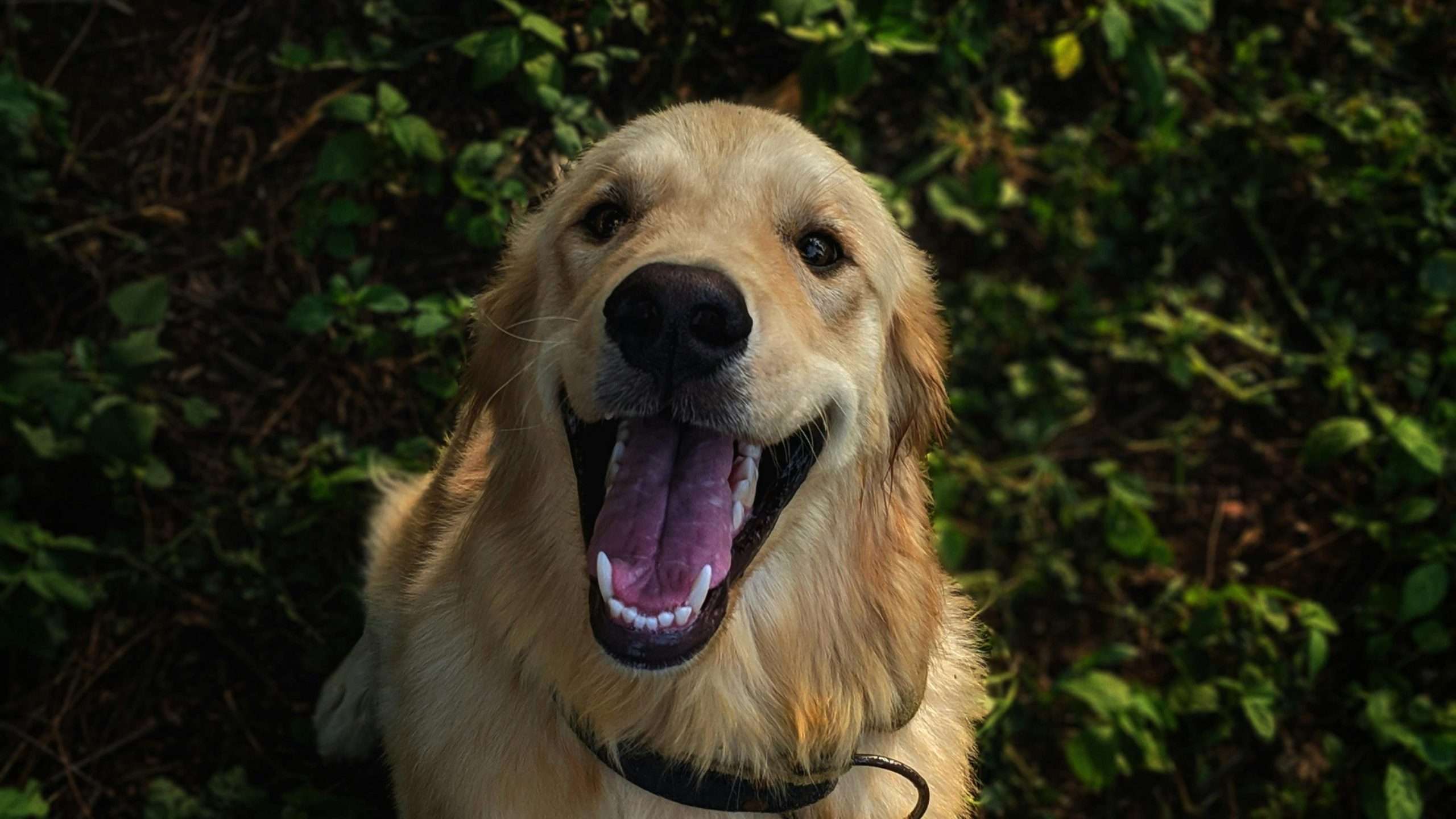
- Oral health is an important aspect of dog hygiene. Introduce teeth cleaning gradually by gently rubbing your dog’s gums with your finger before using a toothbrush.
- Use a dog-specific toothbrush and toothpaste to prevent plaque buildup and bad breath.
- Provide dental chews and chew toys to help reduce tartar naturally.
- Schedule annual vet check-ups to ensure your dog’s oral health is in good condition.
Don’ts:
- Never use human toothpaste. Many contain xylitol, which is toxic to dogs.
- Avoid skipping regular brushing. Neglecting oral hygiene can lead to infections, gum disease, and even tooth loss.
- Don’t ignore signs of dental disease, such as excessive drooling, difficulty eating, or red and swollen gums.
Related reads:
How to Brush Your Dog’s Teeth and Why It’s So Important
3. Ear Care
Do’s:
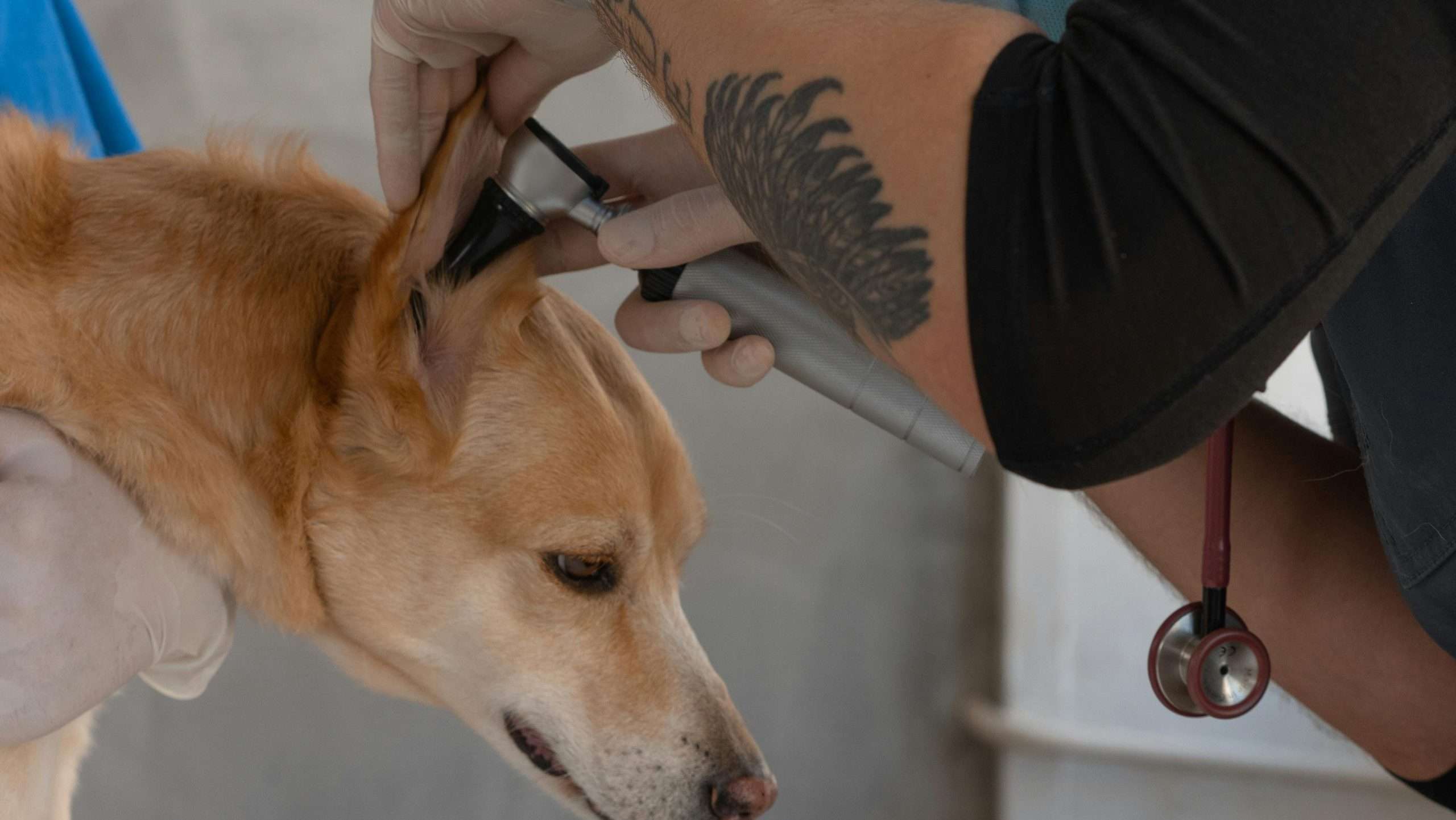
- Check your dog’s ears weekly for signs of dirt, wax buildup, or infection.
- Clean with a vet-approved ear cleaner and a cotton ball or soft cloth.
- Keep ears dry, especially for floppy-eared breeds, as moisture buildup can lead to infections.
Don’ts:
- Avoid using Q-tips, as they can push debris further into the ear canal.
- Don’t overclean, as excessive cleaning can cause irritation and inflammation.
- Never ignore signs of infection, such as redness, odor, or excessive scratching.
4. Paw & Nail Care
Do’s:
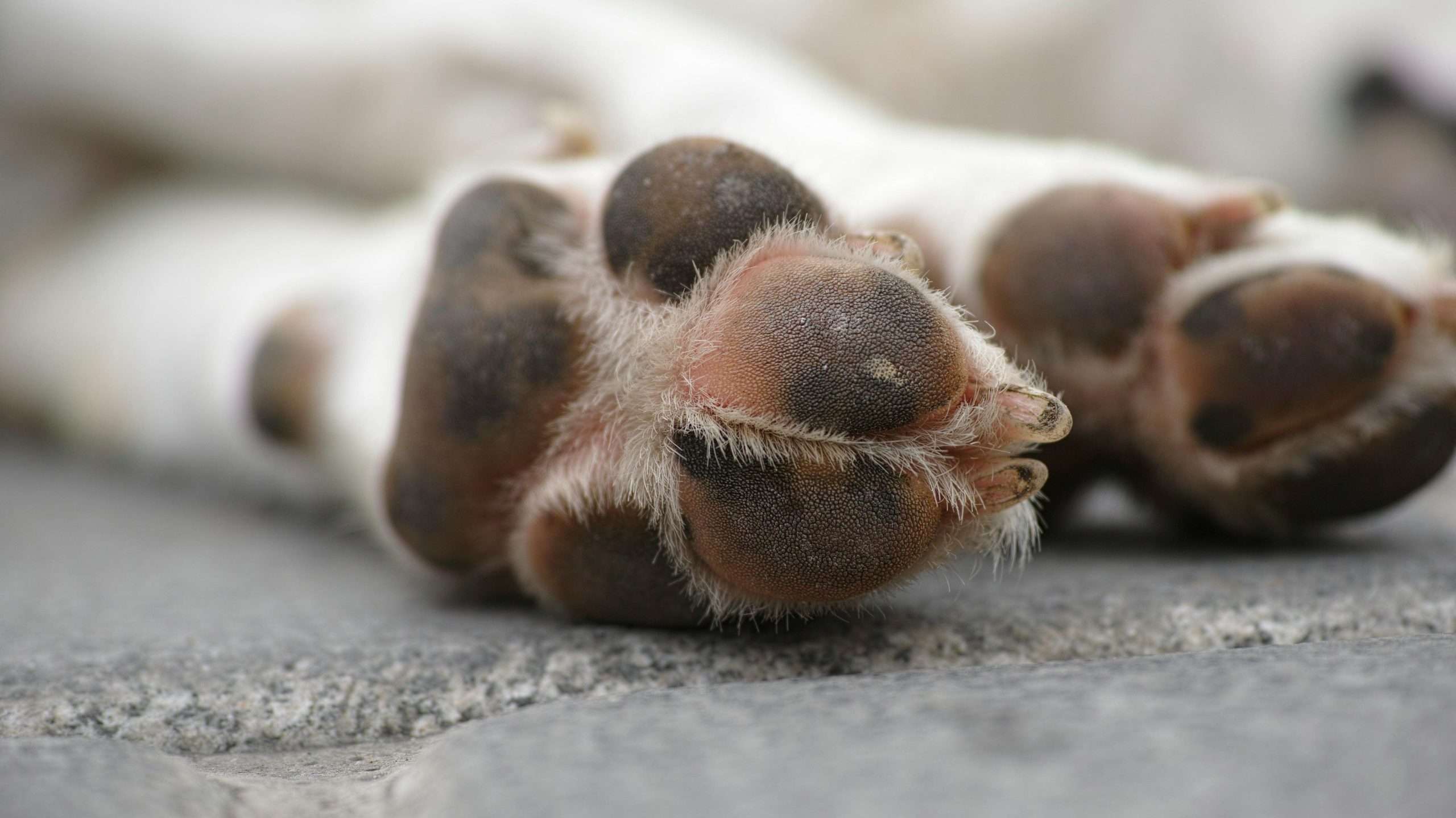
- Nail care is a crucial part of dog hygiene. Check paw pads regularly for cracks, cuts, or debris, especially after walks.
- Keep paw pads moisturized with dog-friendly balms to prevent dryness and cracking.
- Trim nails regularly to prevent overgrowth, which can cause pain and posture issues.
- Use a dog-specific nail clipper or grinder to ensure safe trimming.
Don’ts:
- Don’t use human nail clippers, as they may not be strong enough for thick dog nails.
- Avoid cutting nails too short, as cutting the quick can cause bleeding and pain.
- Don’t neglect nail trimming. Overgrown nails can lead to walking difficulties and joint issues.
5. Cleaning & Sanitization
Do’s:
- Wash your hands after handling your pet, feeding, or cleaning up after them to prevent bacteria transfer.
- Clean your dog’s food and water bowls daily to prevent bacterial buildup and contamination.
- Store pet food properly in airtight containers to keep it fresh and free from pests.
- Disinfect your dog’s grooming tools and bedding regularly to maintain hygiene.
Don’ts:
- Don’t leave food out for too long, especially wet or raw food, as it can harbor bacteria.
- Avoid using harsh chemicals on surfaces your dog frequently comes into contact with.
- Don’t ignore flea and tick prevention. Regularly clean and vacuum your home to reduce the risk of infestations.
| Dog Hygiene Aspect | Do’s | Don’ts |
| Brushing & Washing | Brush regularly to remove dirt and prevent matting. Use a suitable brush for the coat type. Bathe every 4-6 weeks with dog-specific shampoo. | Avoid overbrushing. Never use human shampoo. Don’t cut matted fur with scissors. Overbathing can dry out the skin. |
| Oral Hygiene | Introduce teeth cleaning gradually. Use a dog-specific toothbrush and toothpaste. Provide dental chews. Schedule annual vet check-ups. | Never use human toothpaste. Don’t skip regular brushing. Don’t ignore signs of dental disease. |
| Ear Care | Check ears weekly for dirt or infections. Clean with vet-approved ear cleaner. Keep ears dry. | Avoid using Q-tips. Don’t overclean. Never ignore signs of infection like redness or odor. |
| Paw & Nail Care | Check paw pads for cracks or debris. Use dog-friendly balms. Trim nails regularly with a dog-specific clipper. | Don’t use human nail clippers. Avoid cutting nails too short. Don’t neglect nail trimming. |
| Cleaning & Sanitization | Wash hands after handling pets. Clean food and water bowls daily. Disinfect grooming tools and bedding regularly. | Don’t leave food out for too long. Avoid harsh chemicals. Don’t ignore flea and tick prevention. |
Additional Hygiene Tips
- Keep your dog’s bedding clean by washing it weekly to remove dirt, dander, and parasites.
- Wipe your dog’s paws after walks, especially during rainy or snowy seasons, to prevent dirt from spreading in the house.
- Regularly check your dog’s skin for lumps, ticks, or signs of irritation.
- Provide a balanced diet to support healthy skin and coat from the inside out.
Saying Goodbye!
Practicing proper dog hygiene ensures your furry friend stays clean, comfortable, and healthy. By following these dog grooming do’s and don’ts, you can prevent common hygiene-related health issues and keep your pet looking and feeling their best.
Consistency is key. Whether it’s brushing, bathing, ear cleaning, or nail trimming, maintaining a regular routine helps avoid unnecessary discomfort for your dog. With proper care and attention, you can enjoy a happy, healthy pet for years to come!
FAQs on Dog Hygiene
1. How often should I bathe my dog?
It depends on your dog’s breed and activity level. Generally, dogs should be bathed every 4-6 weeks, but active dogs may need more frequent baths.
2. Can I use baby wipes to clean my dog?
Yes, but only unscented, hypoallergenic wipes without harmful chemicals. However, pet-specific wipes are safer.
3. What should I do if my dog has bad breath?
Bad breath can indicate dental issues. Regular brushing, dental chews, and vet check-ups help maintain oral hygiene.
4. How do I know if my dog has an ear infection?
Signs include excessive scratching, redness, swelling, foul odor, or unusual discharge. If you notice these, consult a vet immediately.
![Why Does My Dog Stare At Me? 3 Common Reasons [With Tips]](https://100dogbreeds.com/wp-content/uploads/2024/11/dog-stare-featured-768x512.jpg)