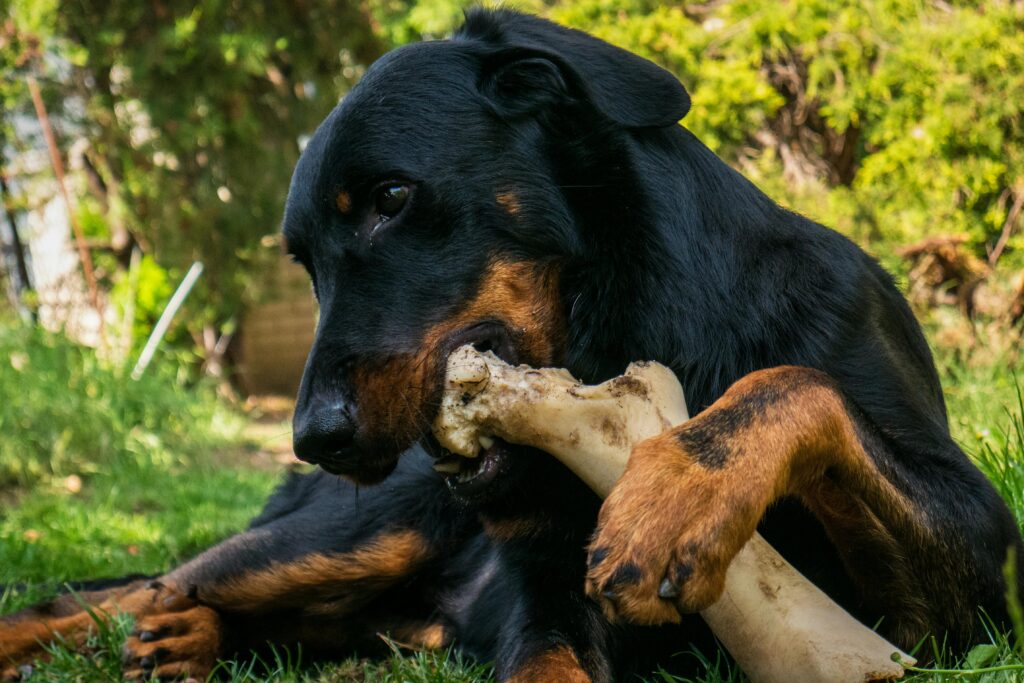
Jealousy in Dogs: What You Need to Know as a Pet Parent

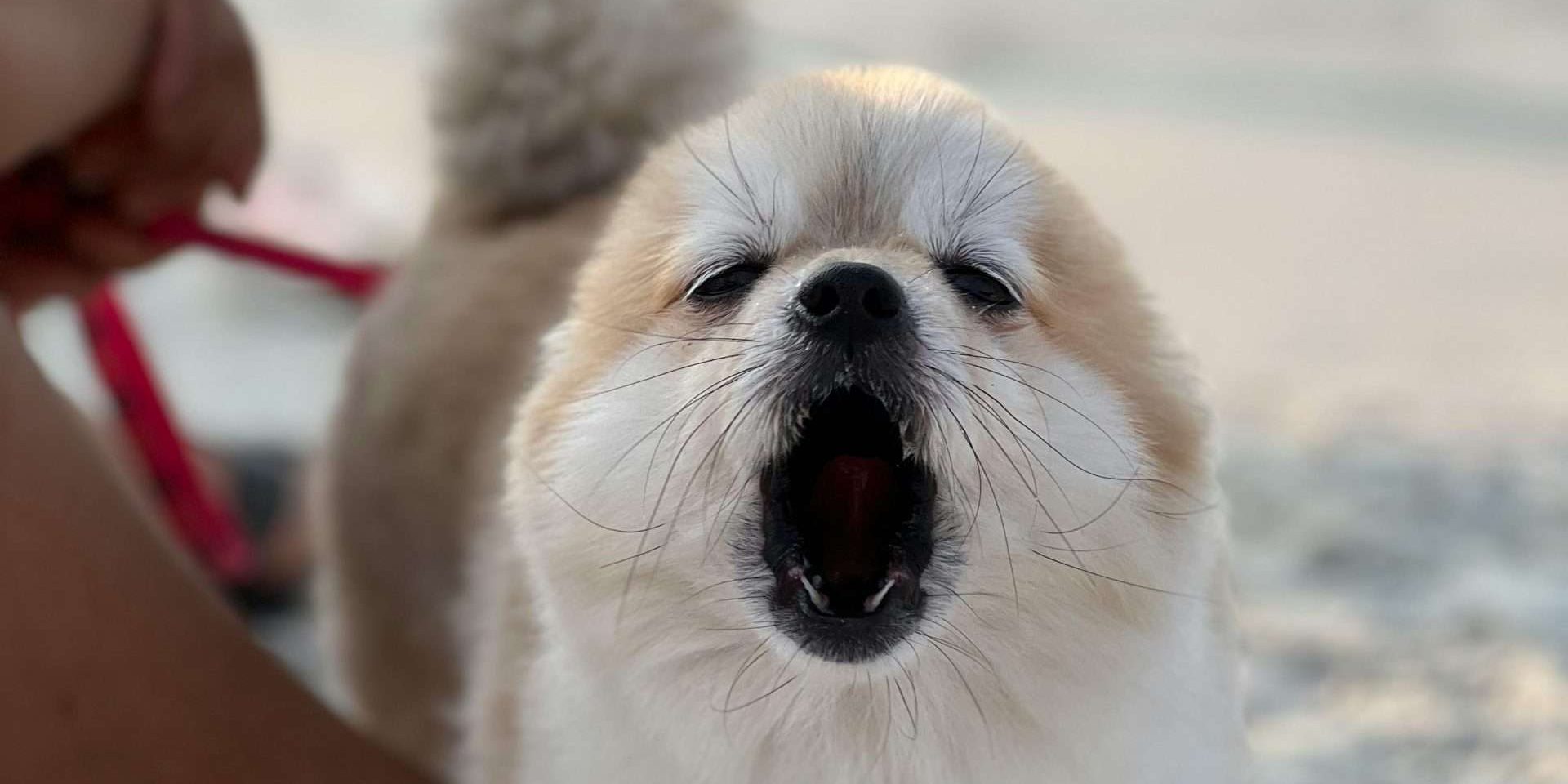
Ever caught your dog giving you the cold shoulder after you’ve cuddled with another pet? You’re not imagining things – dog jealousy is real, and it might be more common than you think.
Contrary to popular belief, jealousy isn’t exclusive to humans. Recent research confirms that dogs can indeed experience jealousy, adding another layer of complexity to our relationships with them. As a pet parent, understanding this emotion in your four-legged friend is crucial for maintaining harmony in your household and ensuring your dog’s emotional well-being.

Let’s cover the concept of jealousy in dogs – what it looks like, why it happens, and most importantly, how you can address it to keep your pup happy and your home peaceful.
Understanding Jealousy in Dogs
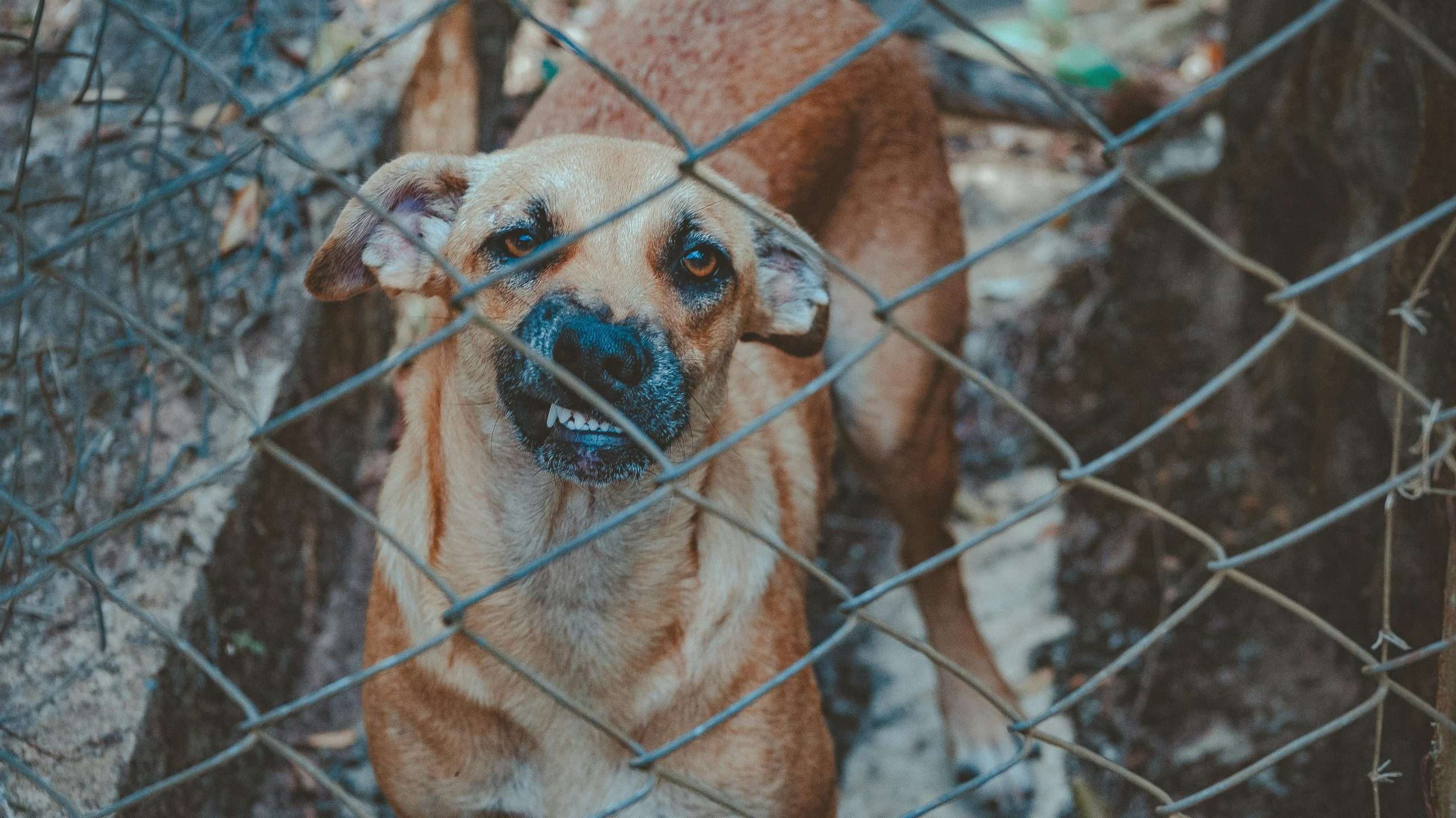
Dog jealousy is not exactly the same as human jealousy, but it shares similar characteristics. It’s often described as a competitive response to a perceived threat to a valued relationship or resource. In the canine world, this could manifest as a reaction to attention given to another pet, person, or even an inanimate object.
While some experts argue that what we perceive as jealousy might be a form of resource guarding or attention-seeking behavior, the emotional response in dogs appears to be more complex than simple possessiveness. Jealous behaviors in dogs often stem from a desire to maintain their position in the family hierarchy and secure their share of attention and resources.
Signs of Jealousy in Dogs
Recognizing the signs of dog jealousy is the first step in addressing this behavior. Common indicators include:
- Pushing or getting between the owner and the object of jealousy
- Growling or snapping at other pets or people
- Attempting to attract attention through whining or barking
- Exhibiting destructive behavior when left alone
- Refusing to leave the owner’s side
- Showing signs of depression or low energy when not receiving attention
It’s important to note that some of these behaviors can also be signs of other issues, so context is key in identifying true jealous behavior in dogs.
Related reads:
Understanding Your Dog’s Body Language
Common Triggers for Dog Jealousy
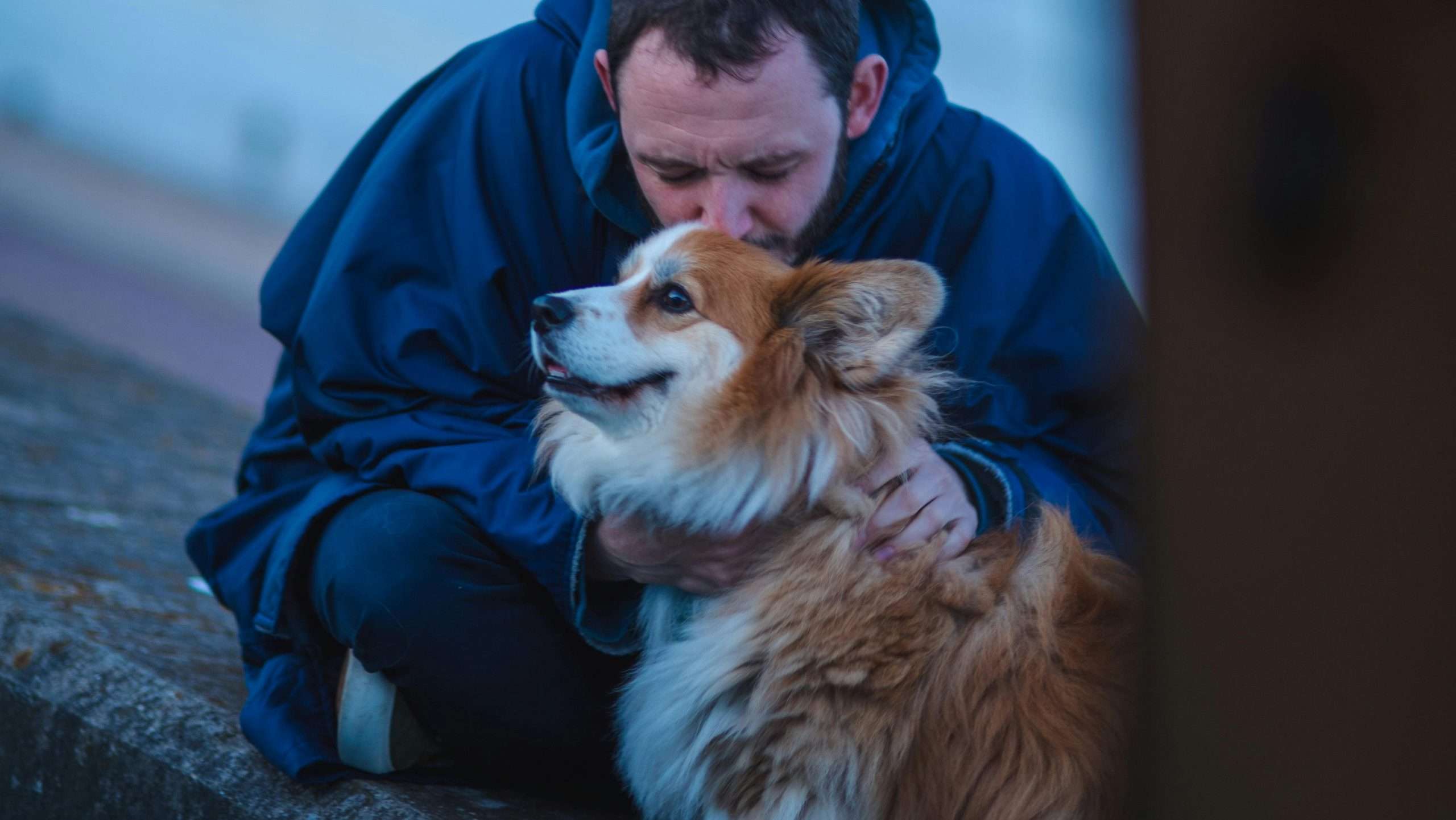
Several situations can trigger jealousy in dogs:
- Introduction of a new family member: This could be a new baby, partner, or even another pet.
- Changes in routine: Alterations in work schedules or living arrangements can upset your dog’s sense of security.
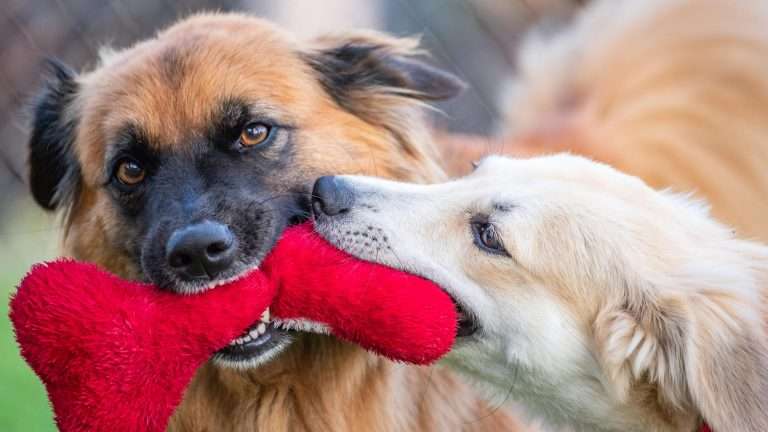
- Attention to others: Even something as simple as petting another dog or talking on the phone can trigger a jealous response.
- Loss of privileges: If a dog suddenly loses access to a favorite spot or toy, it may react with jealous behavior.
Understanding these triggers can help you anticipate and manage potential jealous reactions from your dog.
The Impact of Jealousy on Dogs and Owners
Dog jealousy can have significant effects on both the pet and the owner. For dogs, prolonged feelings of jealousy can lead to stress, anxiety, and even depression. These emotional states can manifest in physical symptoms such as loss of appetite, lethargy, or excessive grooming.
For pet parents, dealing with a jealous dog can be challenging and emotionally draining. It may lead to feelings of guilt, frustration, or even resentment towards the pet. This is why addressing jealous behaviors in dogs promptly and effectively is crucial for maintaining a healthy human-animal bond.
How to Address Dog Jealousy
Addressing jealousy in dogs requires patience, consistency, and a multi-faceted approach:
- Positive Reinforcement Training: Reward your dog for calm, non-jealous behavior. This could involve treating your dog when they remain relaxed while you interact with another person or pet.
- Establish Clear Leadership: Dogs often feel more secure when they understand their place in the family hierarchy. Consistent rules and boundaries can help reduce jealous tendencies.
- Manage Interactions: When introducing new family members or pets, do so gradually and in a controlled environment. Ensure all interactions are positive and supervised.
- Provide Individual Attention: Make sure each pet in your household receives one-on-one time with you. This can help alleviate feelings of competition for your attention.
- Environmental Enrichment: Provide plenty of mental and physical stimulation for your dog. A tired, content dog is less likely to exhibit problematic behaviors.
Preventing Jealousy in Dogs
Prevention is often easier than cure when it comes to dog jealousy. Here are some strategies to help prevent jealous behaviors from developing:
- Early Socialization: Expose your dog to various people, animals, and situations from a young age. This can help them become more adaptable and less prone to jealousy.
- Consistent Routines: Maintain regular feeding, walking, and play schedules. Predictability can help your dog feel secure.
- Fair Treatment: If you have multiple pets, ensure they all receive equal attention and resources. This can prevent feelings of favoritism.
- Gradual Changes: When introducing significant changes to your household, do so slowly to allow your dog time to adjust.
When to Seek Professional Help
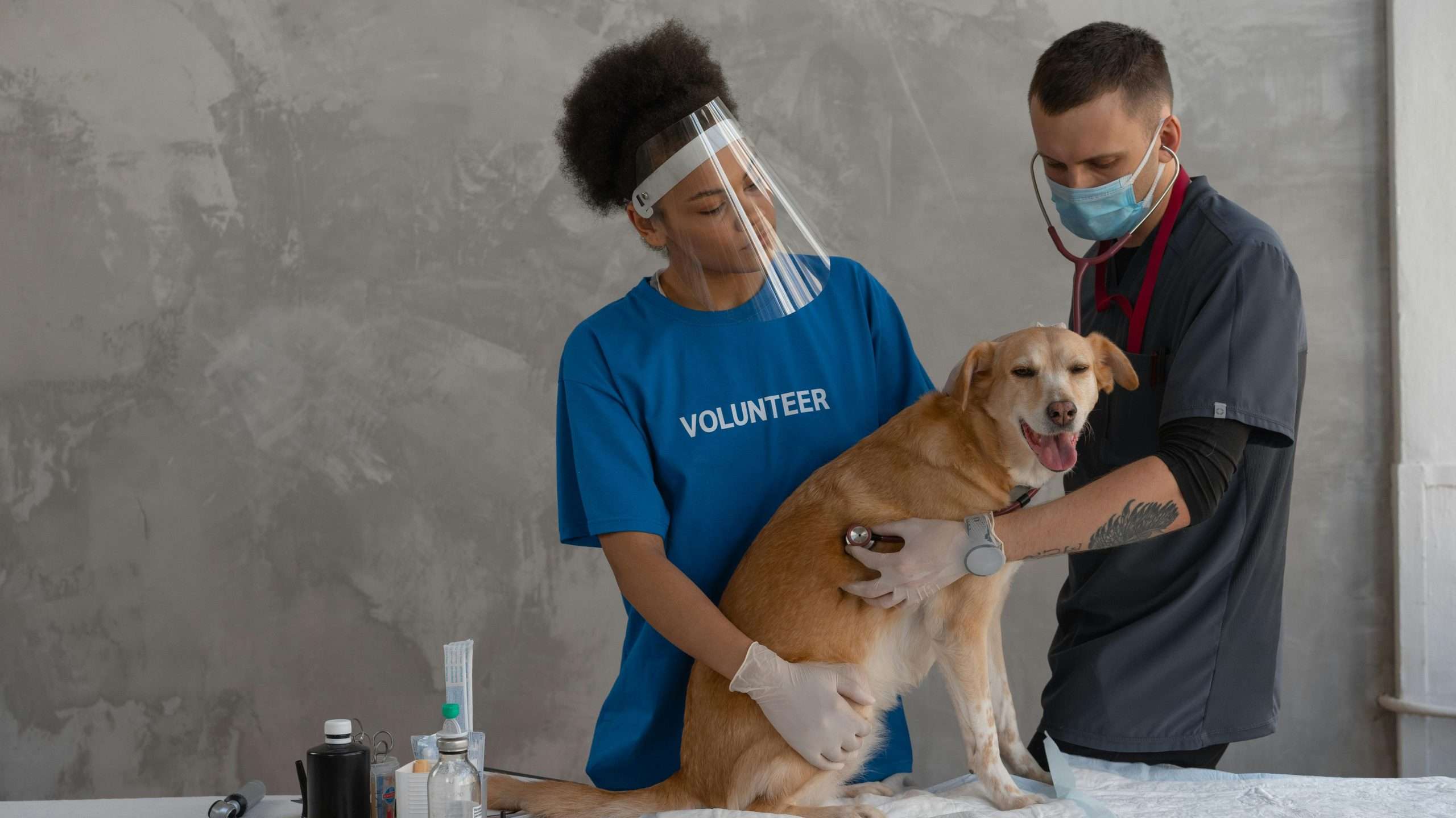
While many cases of dog jealousy can be managed at home, there are times when professional help may be necessary. Consider consulting a professional dog trainer or behaviorist if:
- Jealous behaviors are escalating or becoming aggressive
- Your attempts to address the behavior aren’t working
- The jealousy is significantly impacting your dog’s quality of life or your relationship with them
A professional can provide personalized strategies and support to address your dog’s specific needs.
Jealousy in Multi-Pet Households
Managing jealousy in dogs can be particularly challenging in homes with multiple pets. In these situations, it’s crucial to:
- Provide separate feeding areas to prevent food-related jealousy
- Ensure each pet has their own bed and safe space
- Spend individual time with each pet daily
- Avoid showing favoritism, even unintentionally
Remember, the goal is to create an environment where all pets feel equally valued and secure.
Take Care!
Jealousy in dogs is a complex issue that requires understanding, patience, and consistent management. By recognizing the signs of jealousy, understanding its triggers, and implementing effective strategies to address and prevent it, you can help your dog feel more secure and content. Remember, every dog is unique, and what works for one may not work for another. The key is to remain patient and consistent in your approach.
As a pet parent, your role in managing your dog’s emotional well-being is crucial. By addressing jealous behaviors in dogs proactively, you’re not just solving a behavioral issue – you’re strengthening the bond between you and your furry friend, ensuring a happier, healthier relationship for years to come.
FAQs
Can dogs really feel jealous?
Yes, recent studies have shown that dogs can experience a form of jealousy, although it may not be exactly the same as human jealousy.
How can I tell if my dog is jealous or just seeking attention?
Jealousy often involves a specific trigger (like attention to another pet), while general attention-seeking may occur without a clear trigger.
Is jealousy in dogs a sign of poor training?
Not necessarily. While good training can help manage jealous behaviors, jealousy can occur in well-trained dogs too.
Can jealousy in dogs lead to aggression?
In some cases, yes. If left unaddressed, jealous behaviors can escalate to aggression.
How long does it take to correct jealous behavior in dogs?
The time frame can vary greatly depending on the dog and the situation. Consistency in training and management is key to seeing improvement.