How Weather Changes Affect Your Dog’s Mood and Behavior

If you have ever noticed your dog acting unusually quiet on hot afternoons or restless before a storm, you are not imagining things. Weather plays a bigger role in your dog’s daily life than most people realize. From temperature shifts to sudden changes in air pressure, weather can influence how your dog feels, reacts, and behaves throughout the day. Understanding this connection helps you respond better to your dog’s needs and avoid misreading mood changes as stubbornness or bad behavior.
Dogs experience the world differently from humans. Their senses are sharper, their routines are deeply tied to outdoor conditions, and even subtle weather changes can affect their comfort. Over time, these physical changes show up clearly in a dog’s mood and daily habits. Paying attention to how weather affects your dog’s mood and behavior can help you support them through different seasons and unexpected weather shifts.

How Weather Influences a Dog’s Mood and Behavior
Weather affects dogs both physically and emotionally. Temperature, humidity, light levels, and atmospheric pressure all influence how comfortable a dog feels in its environment. When comfort drops, mood and behavior often change with it.
Dogs rely heavily on routine. Walk times, play sessions, and outdoor exploration are part of their mental balance. Weather that disrupts these routines can lead to frustration, boredom, or anxiety. Over time, repeated disruptions can influence a dog’s mood patterns, especially in dogs that thrive on structure.
Temperature Changes and Your Dog’s Mood and Behavior
Temperature has one of the strongest effects on how dogs behave. Both heat and cold can influence energy levels, motivation, and emotional balance.
Hot Weather and Behavioral Changes
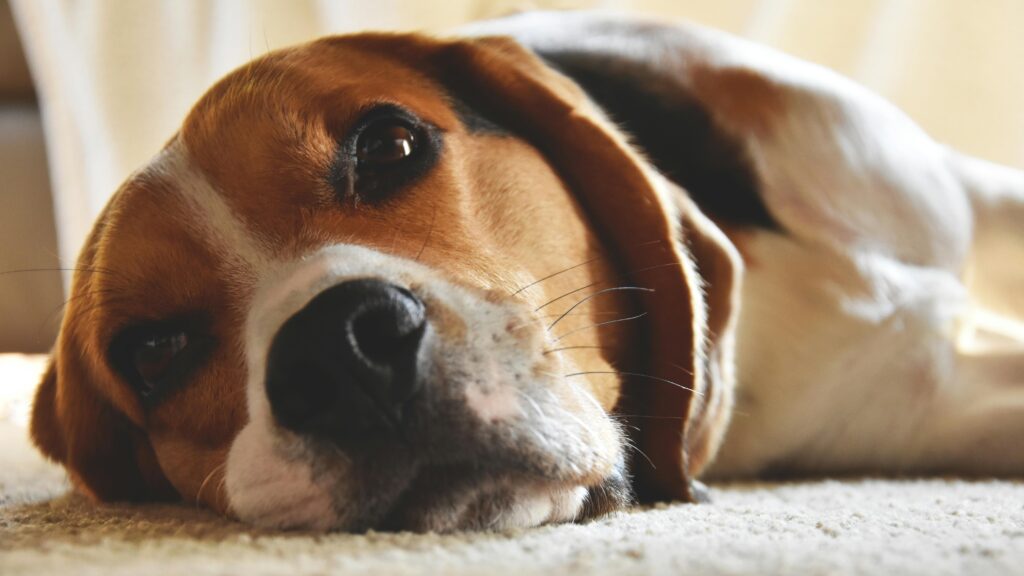
Hot weather often leads to reduced activity in dogs. Dogs do not sweat the way humans do and rely on panting to regulate body temperature. When it gets too warm, they conserve energy to avoid overheating.
In hot conditions, dogs may appear lazy, irritable, or less responsive. Walks may feel shorter and playtime may end quickly. Some dogs become more easily frustrated or withdrawn because heat limits their ability to release energy.
Hot weather can also affect sleep quality. Restless nights may lead to grumpy behavior during the day. Over time, prolonged heat can noticeably alter a dog’s mood and behavior, especially in breeds with thick coats or short noses.
Cold Weather and Energy Shifts
Cold weather affects dogs differently depending on breed, coat type, and size. Some dogs become more energetic in cooler temperatures, especially breeds bred for colder climates. Others may become hesitant, slower, or less willing to go outside.
Cold conditions can cause stiffness in joints, particularly in older dogs. This discomfort can lead to irritability, reluctance to move, or changes in social behavior. When walks become uncomfortable, dogs may lose a key outlet for mental stimulation, which affects mood.
Seasonal Changes and Their Impact on Dog’s Mood and Behavior
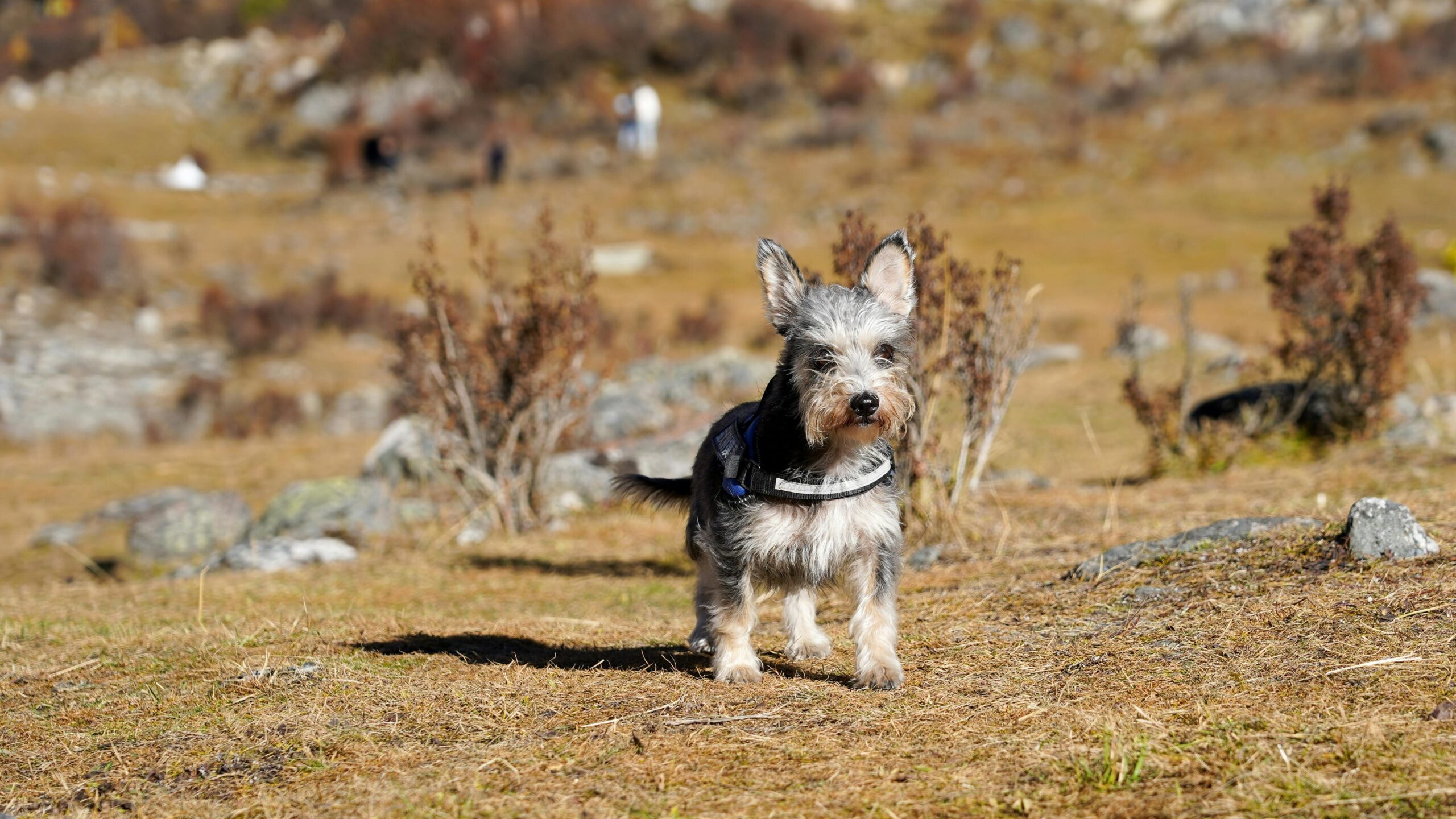
Each season brings its own set of environmental changes that influence dogs in different ways.
Spring and Increased Stimulation
Spring often brings longer daylight hours, milder temperatures, and new scents. Many dogs show increased curiosity and excitement during this time. More outdoor time usually leads to improved mood and better sleep.
However, spring also brings allergens. Itchy skin, sneezing, and discomfort can affect how a dog feels, sometimes leading to irritability or restlessness. These physical irritations can quietly influence a dog’s mood and behavior if left unaddressed.
Summer Heat and Reduced Motivation
Summer often limits outdoor activity due to heat. Dogs may sleep more, move less, and show lower interest in play. This is a normal response to temperature stress, but prolonged inactivity can lead to boredom.
Boredom often shows up as chewing, barking, or attention seeking behavior. These changes are often misunderstood as training issues when they are actually weather related shifts in dog’s mood and behavior.
Autumn and Renewed Energy
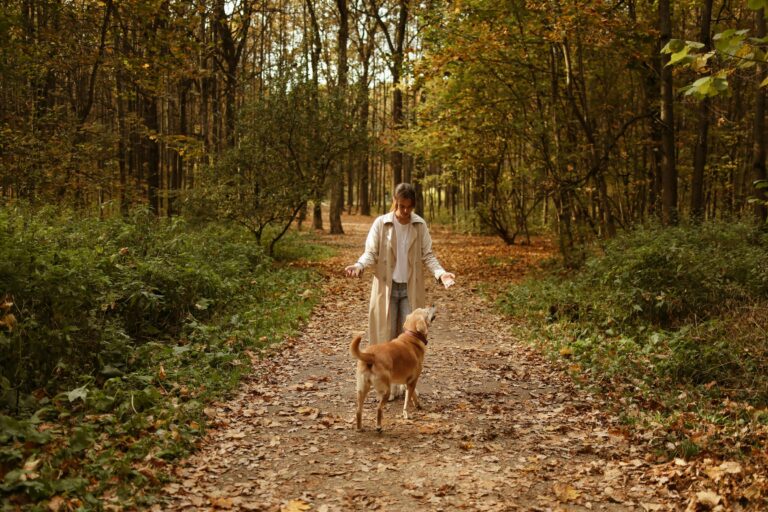
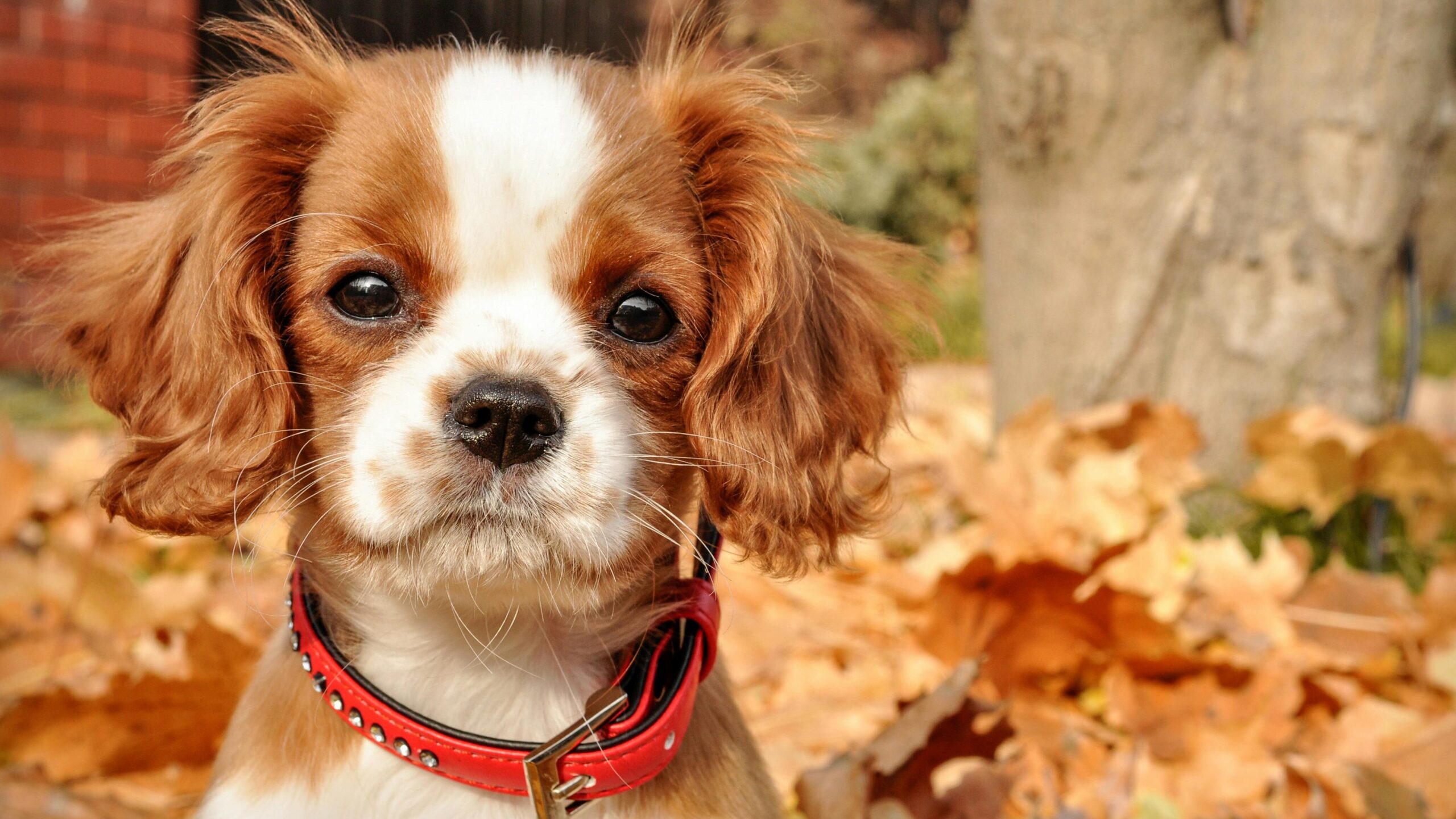
Cooler temperatures and stable weather often bring a boost in energy. Many dogs become more playful and engaged during autumn. Walks feel easier, and dogs may show better focus during training.
Autumn is often one of the most balanced seasons for a dog’s emotional well being.
Winter and Emotional Changes
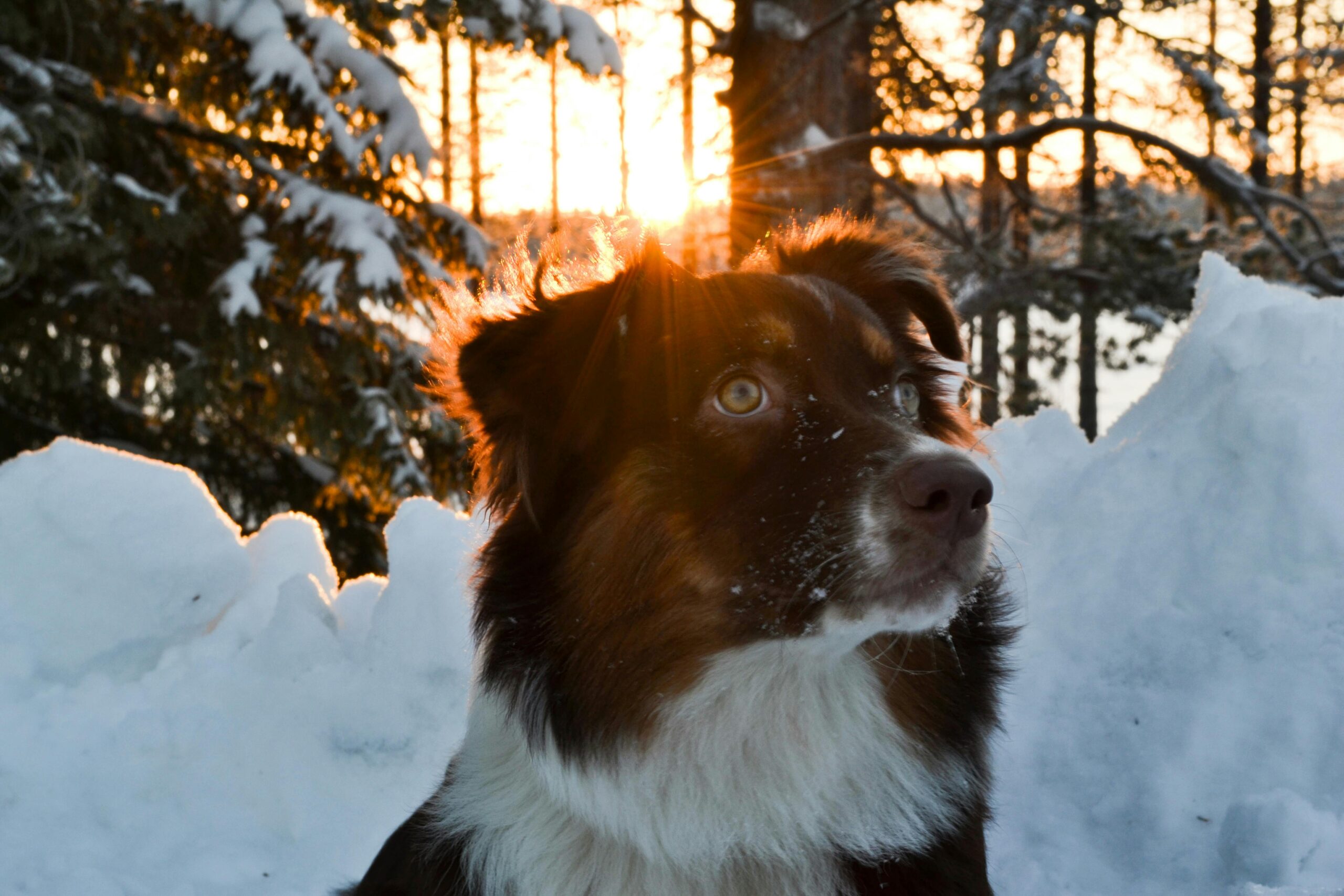
Winter can be challenging for many dogs. Shorter days, colder temperatures, and reduced outdoor time can lead to lower energy levels and changes in mood.
Some dogs become more withdrawn or sleep more than usual. Others may show signs of frustration or mild anxiety due to lack of stimulation. Reduced sunlight may also affect internal rhythms, subtly influencing dog’s mood and behavior.
Related reads:
How Climate Affects Dog Care: Tips for Every Region
Weather Events That Trigger Behavior Changes
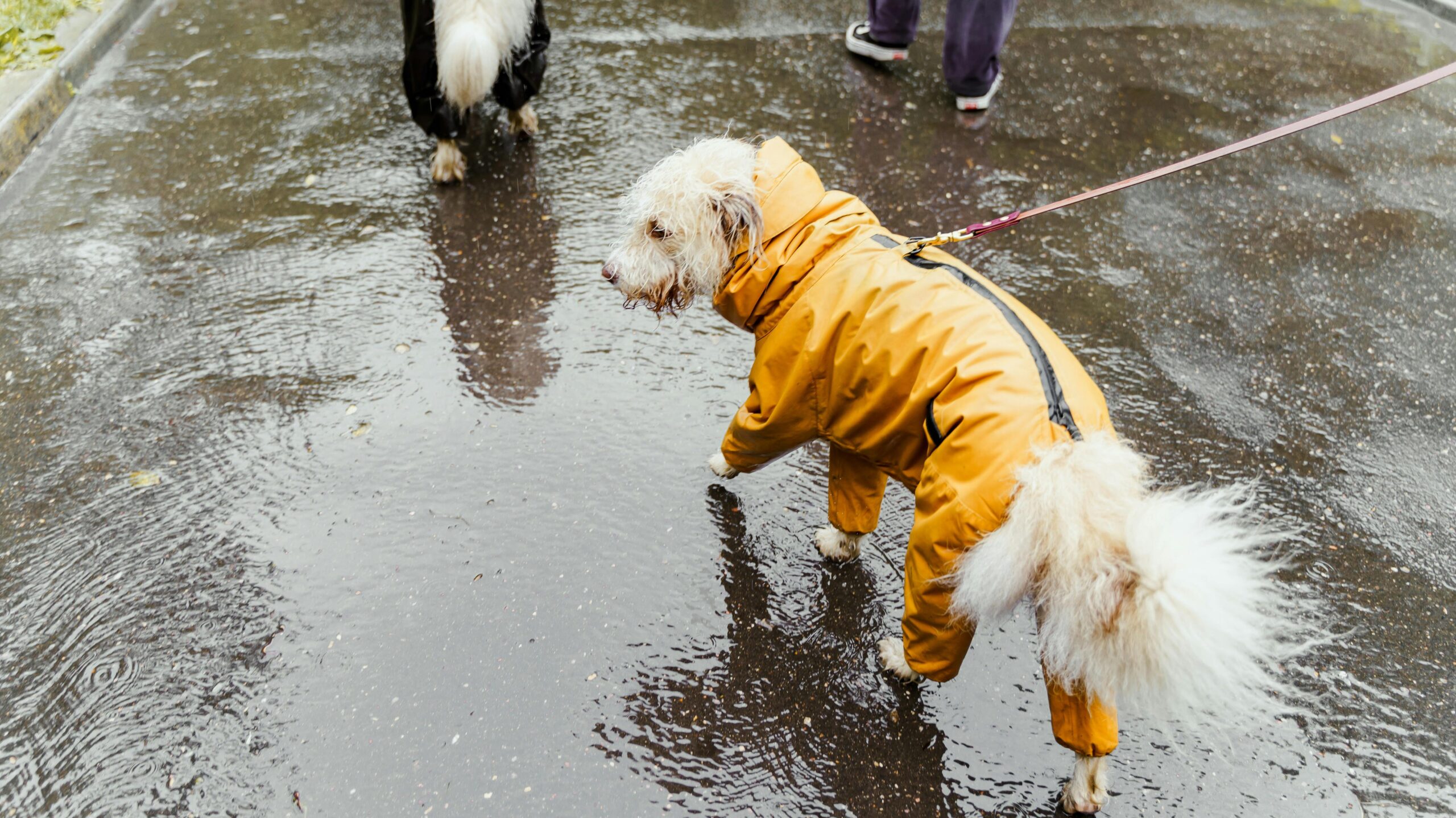
Certain weather events tend to cause stronger reactions in dogs compared to regular seasonal changes.
Thunderstorms and Anxiety
Thunderstorms are one of the most common weather related stressors for dogs. Loud noises, flashing lights, and changes in air pressure can all trigger fear responses.
Dogs may shake, hide, pant, bark excessively, or cling to their owners. These reactions are not attention seeking. They are genuine stress responses influenced by sensory overload and discomfort.
Repeated storm anxiety can affect long term dog’s mood and behavior if not managed with reassurance and coping strategies.
Wind and Rain Effects
Wind carries unfamiliar scents and creates unpredictable noises. Some dogs find this exciting, while others find it unsettling. Rain can discourage outdoor activity, leading to pent up energy.
Dogs that dislike getting wet may resist walks, which disrupts routine and affects mood. Over time, repeated rainy days can influence motivation and behavior patterns.
Barometric Pressure Changes
Changes in barometric pressure can affect dogs physically, especially those with joint issues or ear sensitivity. Discomfort from pressure changes may lead to irritability, restlessness, or changes in posture.
These physical effects often translate into noticeable changes in dog’s mood and behavior even when no visible weather event is happening.
Breed, Age, and Health Differences in Weather Response
Not all dogs react to weather in the same way. Individual traits play a major role.
Breed Differences
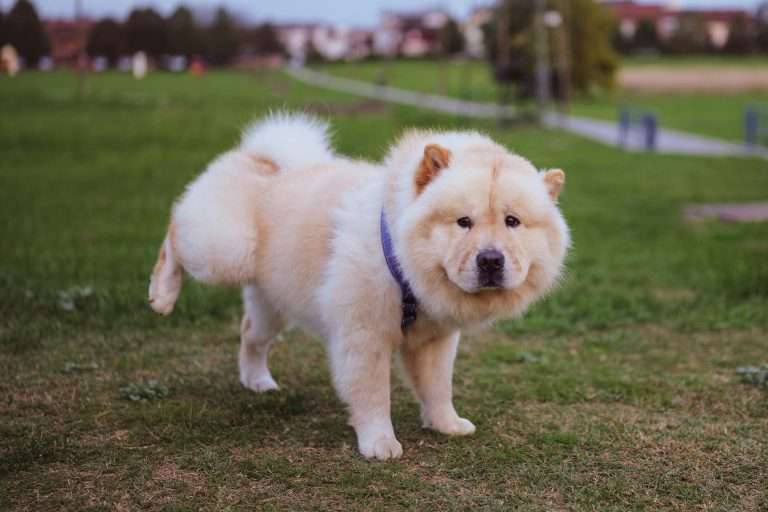
Dogs with thick coats may struggle in heat but thrive in cold. Short haired or small breeds may be more sensitive to cold temperatures. Flat faced breeds often struggle in heat due to breathing limitations.
Understanding your dog’s breed tendencies helps explain weather related behavior changes.
Puppies and Older Dogs
Puppies often have bursts of energy regardless of weather, but extreme temperatures can still affect their mood and sleep patterns.
Older dogs are more sensitive to weather related discomfort. Cold can worsen joint stiffness, while heat can increase fatigue. These physical challenges often influence dog’s mood and behavior more noticeably in senior dogs.
Signs Weather Is Affecting Your Dog’s Mood and Behavior
Some signs are subtle and easy to miss. Others are more obvious.
Changes may include lower energy, irritability, anxiety, restlessness, clinginess, withdrawal, or sudden behavior shifts tied to weather patterns. If these changes appear consistently with weather shifts and resolve when conditions improve, weather is likely a contributing factor.
If mood changes are extreme, prolonged, or unrelated to weather, a vet visit is always a good idea.
How to Support Your Dog Through Weather Changes
Maintaining routine is one of the best ways to protect your dog’s emotional balance. Even when outdoor activity is limited, mental stimulation helps stabilize dog’s mood and behavior.
Indoor play, puzzle toys, scent games, and short training sessions can replace physical exercise when needed. During heat, offer cool resting areas and fresh water. In cold weather, provide warm bedding and limit exposure when necessary.
During storms, create a safe, quiet space where your dog feels protected. Calm reassurance without overreacting often helps dogs settle faster.
Saying Goodbye
Weather changes influence dogs in ways that go far beyond getting wet paws or muddy walks. Temperature, seasons, storms, and air pressure all play a role in shaping daily routines, comfort levels, and emotional responses. By understanding how weather affects your dog’s mood and behavior, you can respond with patience instead of frustration.
Dogs are not misbehaving when weather throws them off balance. They are simply reacting to an environment they experience more intensely than we do. Awareness, consistency, and small adjustments go a long way in helping your dog stay emotionally steady through every season.