How To Look After Your Dog’s Eyes – 2025

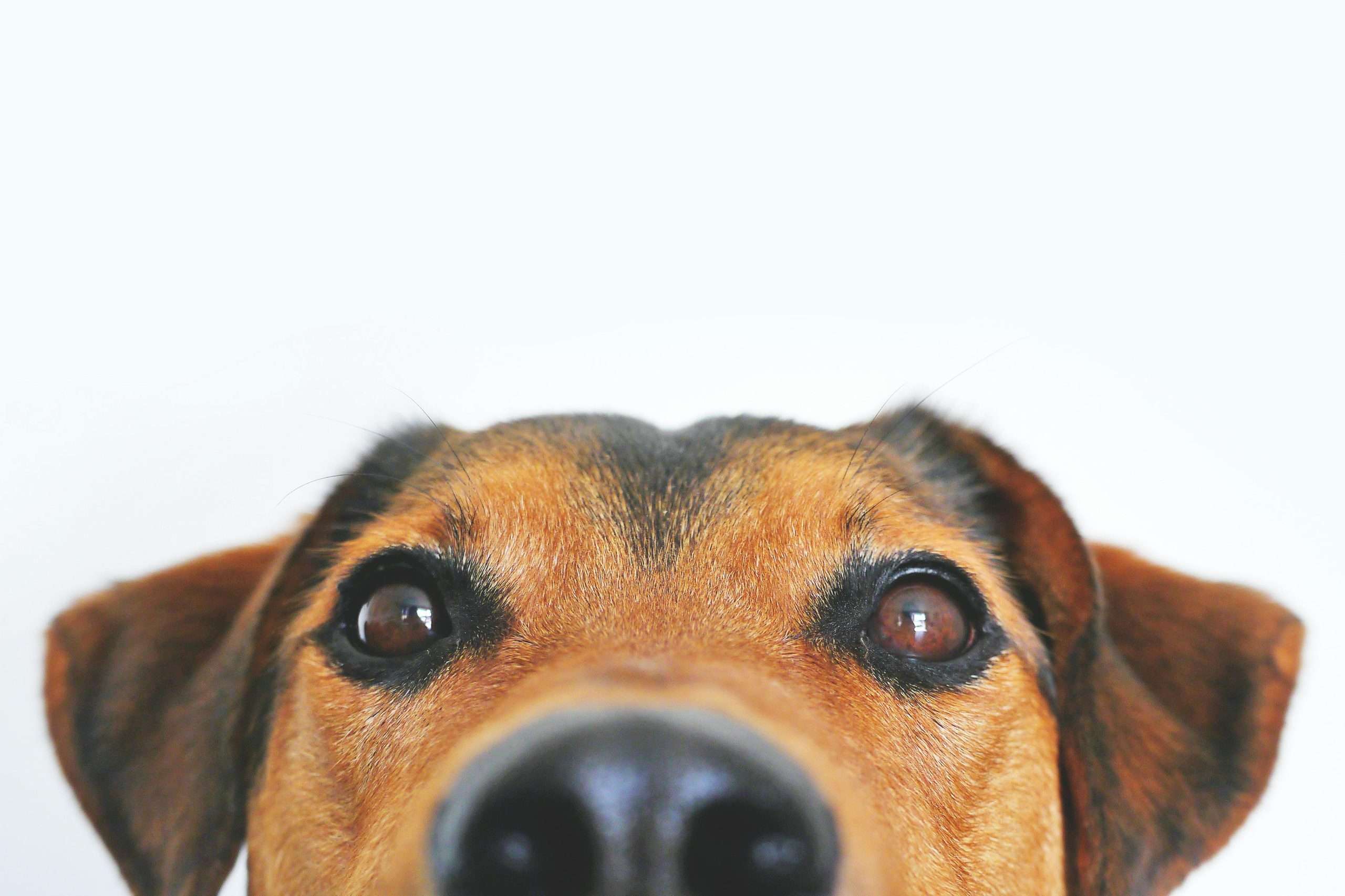
Your dog’s eyes are not just the windows to its soul but also essential for its overall well-being. Clear, bright eyes allow your dog to navigate the world confidently, interact with you, and stay active. However, like humans, dogs can suffer from various eye conditions, including infections, injuries, and genetic disorders. Keeping your dog’s eyes healthy requires regular checkups, proper cleaning, and knowing when to seek veterinary care. This guide will help you understand how to maintain your pet’s eyes in top condition and prevent potential problems.
How to Check Your Dog’s Eyes for Health Issues
Regularly checking your dog’s eyes can help detect problems early and ensure timely treatment. Here’s a simple step-by-step guide to examining your dog’s eyes:

- Find a well-lit area: Natural daylight or a bright room will make it easier to inspect your dog’s eyes.
- Keep your dog calm: Gently hold its head and reassure it with a soothing voice.
- Look for abnormalities: Examine both eyes for cloudiness, redness, excessive tearing, or unusual discharge.
- Check the pupils: Ensure they are of equal size and react normally to light.
- Inspect the third eyelid: A visible third eyelid may indicate irritation or an underlying condition.
- Test your dog’s vision: Move an object near its eyes and observe its reaction. Lack of response may indicate vision problems.
If you notice anything unusual, consult a veterinarian to diagnose and treat the issue before it worsens.
Common Dog Eye Problems and Their Symptoms
Cataracts in Dog’s Eyes
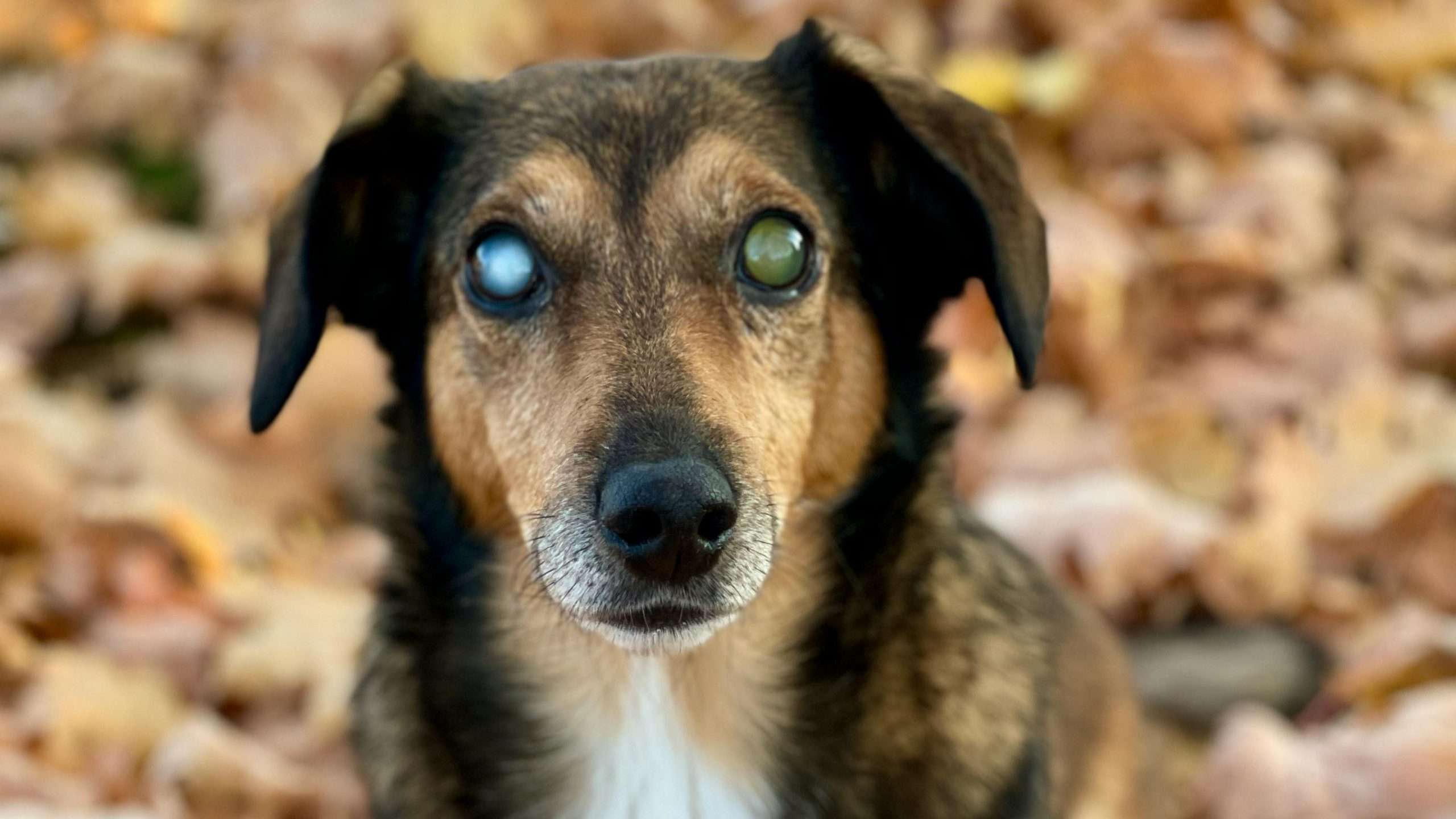
Cataracts are a common eye condition in older dogs, causing cloudiness in the lens, which can lead to partial or complete blindness. The main symptoms include:
- Cloudy or bluish-gray appearance in the eye
- Difficulty seeing in dim light
- Bumping into objects or reluctance to move in new environments
Cataracts can be hereditary or develop due to diabetes or eye trauma. In severe cases, surgery may be required to remove the affected lens and restore vision.
Read also:
Cloudy Eyes in Dogs: What to Know
Conjunctivitis (Pink Eye) in Dogs
Conjunctivitis is the inflammation of the membrane surrounding the eye and can be caused by allergies, bacteria, or dry eyes. Symptoms include:
- Redness and swelling
- Excessive blinking or squinting
- Discharge that may be clear, yellow, or green
Treatment depends on the cause and may include medicated eye drops, antibiotics, or anti-inflammatory medications.
Corneal Ulcers in Dog’s Eyes
Corneal ulcers are painful sores on the transparent part of the eye, usually caused by scratches, debris, or infections. Symptoms include:
- Frequent blinking and squinting
- Excessive tearing
- A visible wound or cloudy appearance on the cornea
Treatment ranges from antibiotic drops to surgery, depending on the severity of the ulcer.
Cherry Eye – Third Eyelid Prolapse
Cherry eye occurs when the tear gland in a dog’s third eyelid prolapses, causing a red, swollen lump in the corner of the eye. This condition is common in younger dogs and flat-faced breeds. While not always painful, it can cause irritation and may require surgery to correct.
Glaucoma – Increased Eye Pressure
Glaucoma is a serious condition that occurs when fluid builds up in the eye, increasing pressure and potentially causing blindness. Symptoms include:
- Red and swollen eyes
- Dilated pupils
- Pain (evident if your dog rubs or paws at its eyes)
Immediate veterinary care is required, as untreated glaucoma can lead to permanent vision loss.
Eye Infections in Dogs
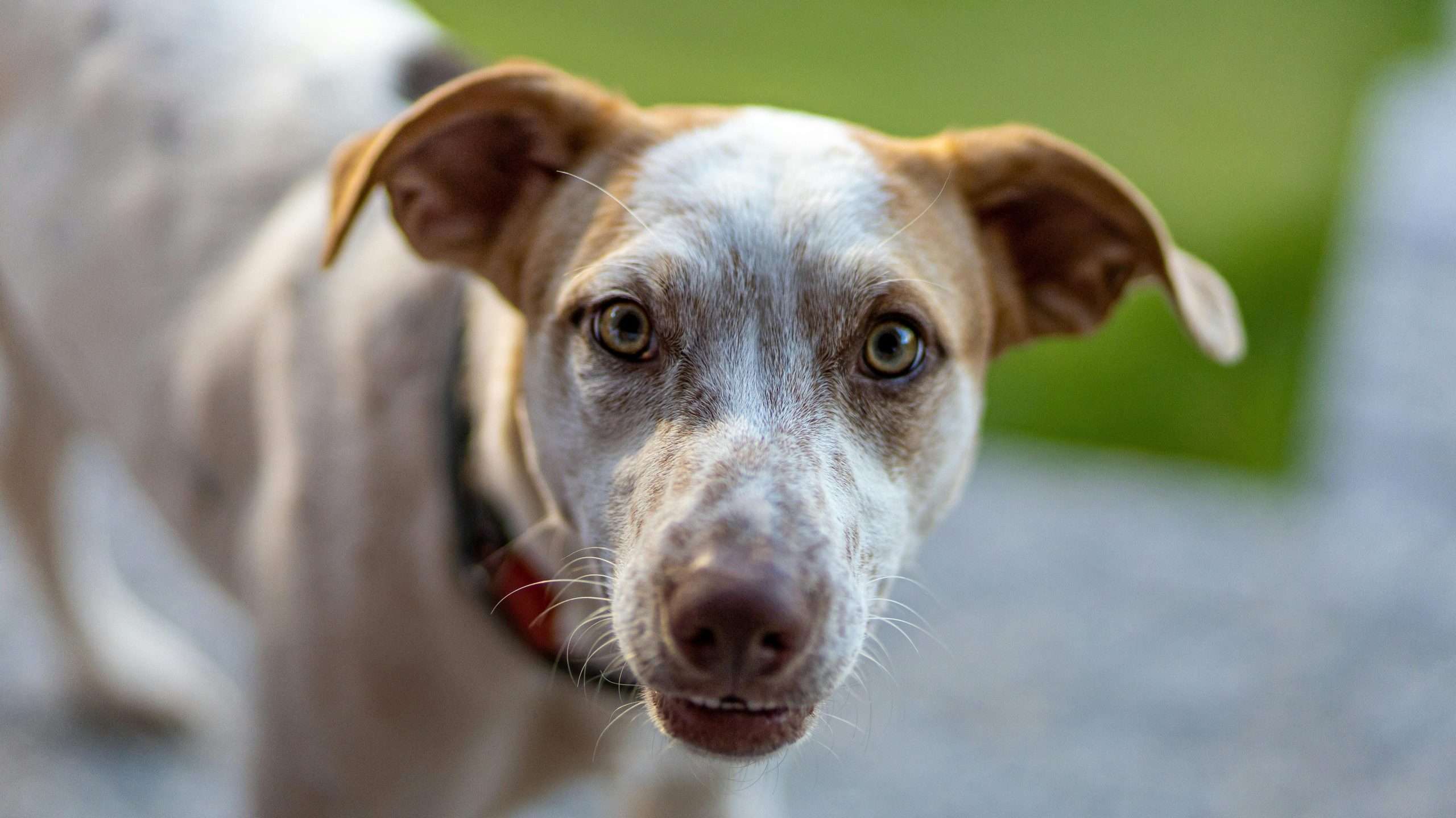
Eye infections can result from bacteria, viruses, allergies, or debris entering the eye. Symptoms to watch for include:
- Yellow or green discharge
- Swelling and redness
- Frequent scratching at the eyes
Veterinary treatment typically includes antibiotic drops or ointments to clear the infection. If your dog’s infection is contagious, keep it away from other pets to prevent spreading.
How to Keep Your Dog’s Eyes Healthy
Cleaning Your Dog’s Eyes Properly
Keeping your dog’s eyes clean can prevent many infections and irritations. Here’s how to do it:
- Use a soft, damp cotton pad or cloth to gently wipe away dirt and debris from the corners of the eyes.
- If your dog is prone to tear stains, use a vet-approved eye-cleaning solution.
- Avoid using human eye drops or harsh chemicals, as they may irritate your dog’s eyes.
Grooming for Eye Protection
Long-haired breeds are more susceptible to eye irritation due to fur getting into their eyes. To prevent this:
- Trim the hair around your dog’s eyes regularly.
- Ensure their fur is kept neat, especially after outdoor play.
Preventing Eye Injuries
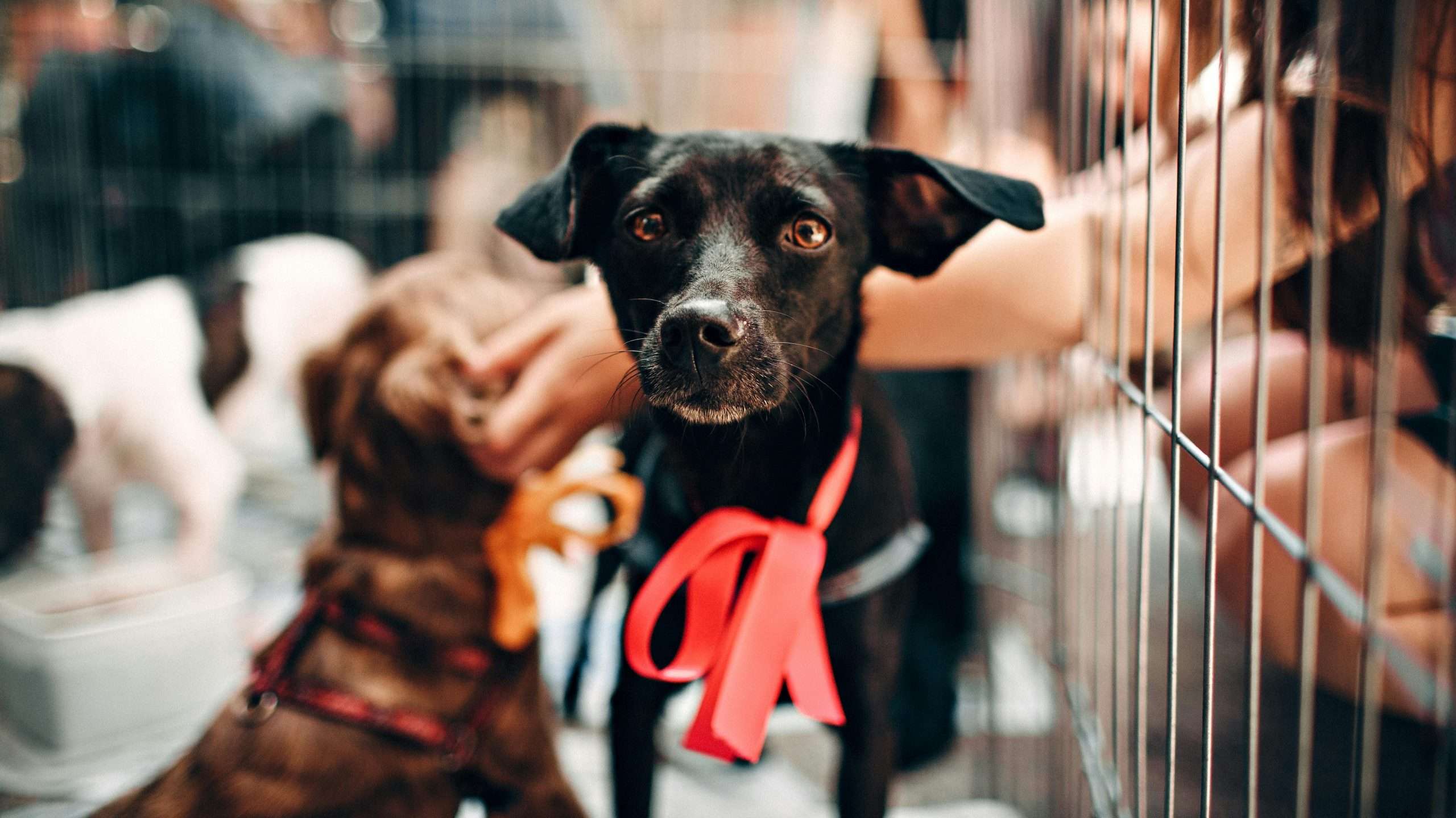
Your dog’s daily activities can expose its eyes to potential dangers. Here’s how to minimize the risk:
- Avoid letting your dog hang its head out of the car window, as debris can get into its eyes.
- Supervise playtime to prevent rough play that might lead to scratches or injuries.
- Use dog-friendly eyewear if your dog spends time in harsh environments, like sandy beaches or windy areas.
Regular Vet Checkups
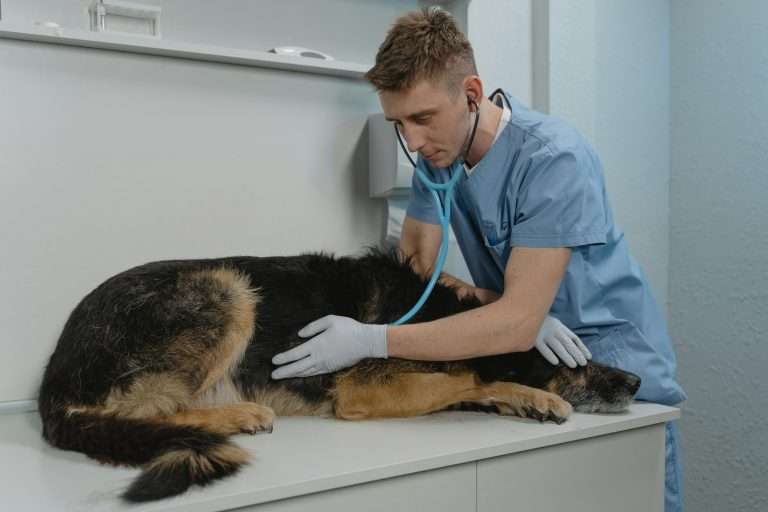
Routine eye examinations by a vet can help detect early signs of conditions such as cataracts or glaucoma. If your dog shows persistent eye issues, professional evaluation is crucial.
Final Thoughts
Caring for your dog’s eyes is an essential part of maintaining their overall health. Regular eye checks, cleaning, and proper grooming can help prevent many common eye problems. Always be on the lookout for signs of irritation, infection, or vision issues, and consult a veterinarian if you notice any abnormalities. By taking these precautions, you can ensure that your dog’s eyes remain healthy and bright, allowing them to enjoy a happy and active life.
FAQs
How often should I clean my dog’s eyes?
You should clean your dog’s eyes at least once a week, or more often if they are prone to tear stains or discharge.
Can I use human eye drops on my dog’s eyes?
No, human eye drops may contain ingredients that are harmful to dogs. Always use vet-approved solutions.
What should I do if my dog’s eyes are always watery?
Watery dog’s eyes can be a sign of allergies or blocked tear ducts. If the problem persists, consult a vet.
Is it normal for my dog’s third eyelid to show?
No, a visible third eyelid can indicate irritation, injury, or illness and should be checked by a veterinarian.
How can I protect my dog’s eyes from injury?
Avoid exposure to dust, debris, and strong winds. Supervise rough play and keep sharp objects away from your pet.