How Much Water Should a Dog Drink?

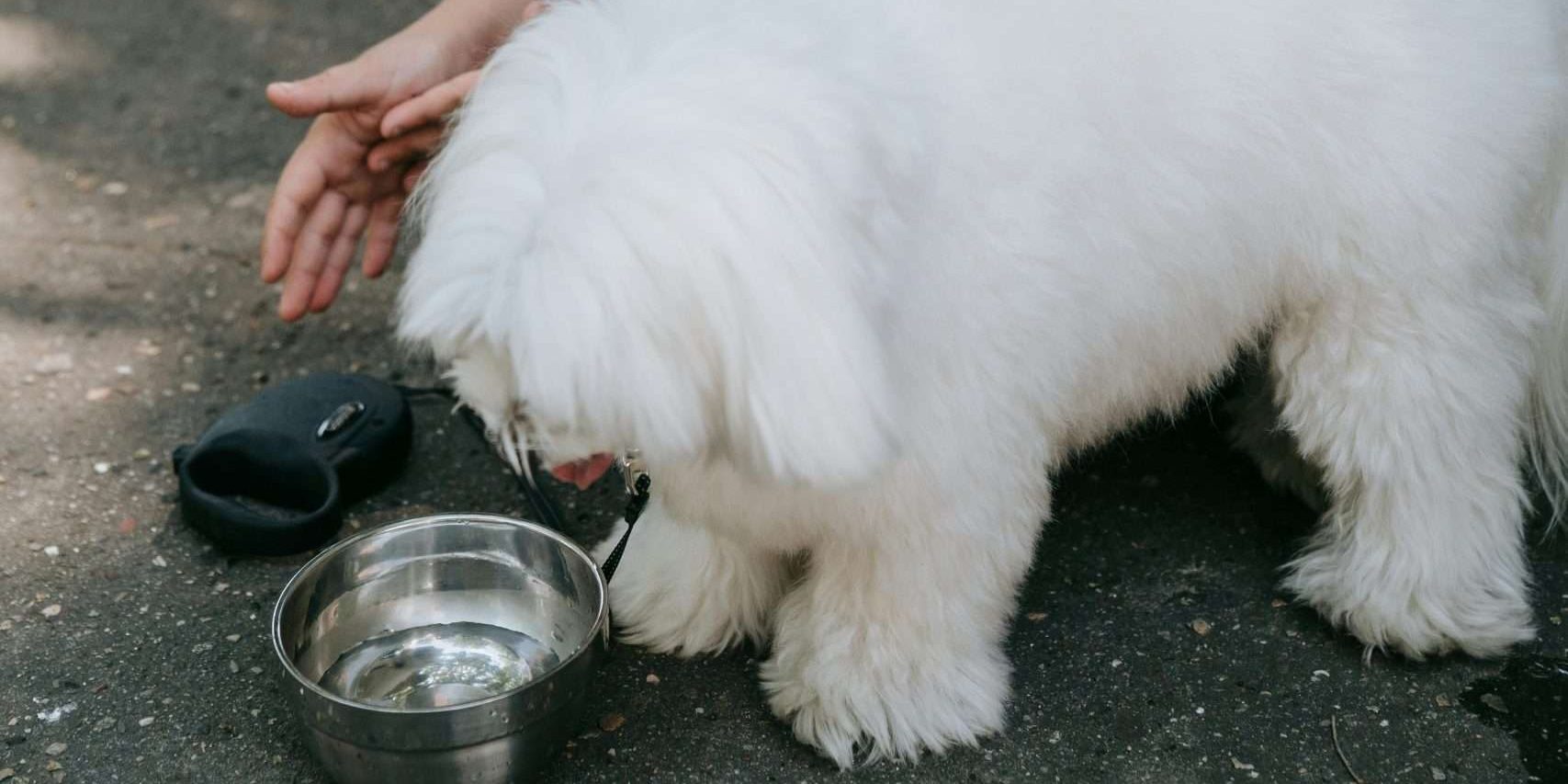
Water is an essential part of your dog’s overall health. It helps regulate body temperature, supports digestion, and keeps organs functioning properly. How much water should a dog drink? While many pet owners assume their furry friend will drink as needed, understanding the right amount of hydration is crucial to prevent dehydration or overhydration. So if you are wondering “How much water should a dog drink?”, give this blog a read.
Why Hydration Is Important for Dogs
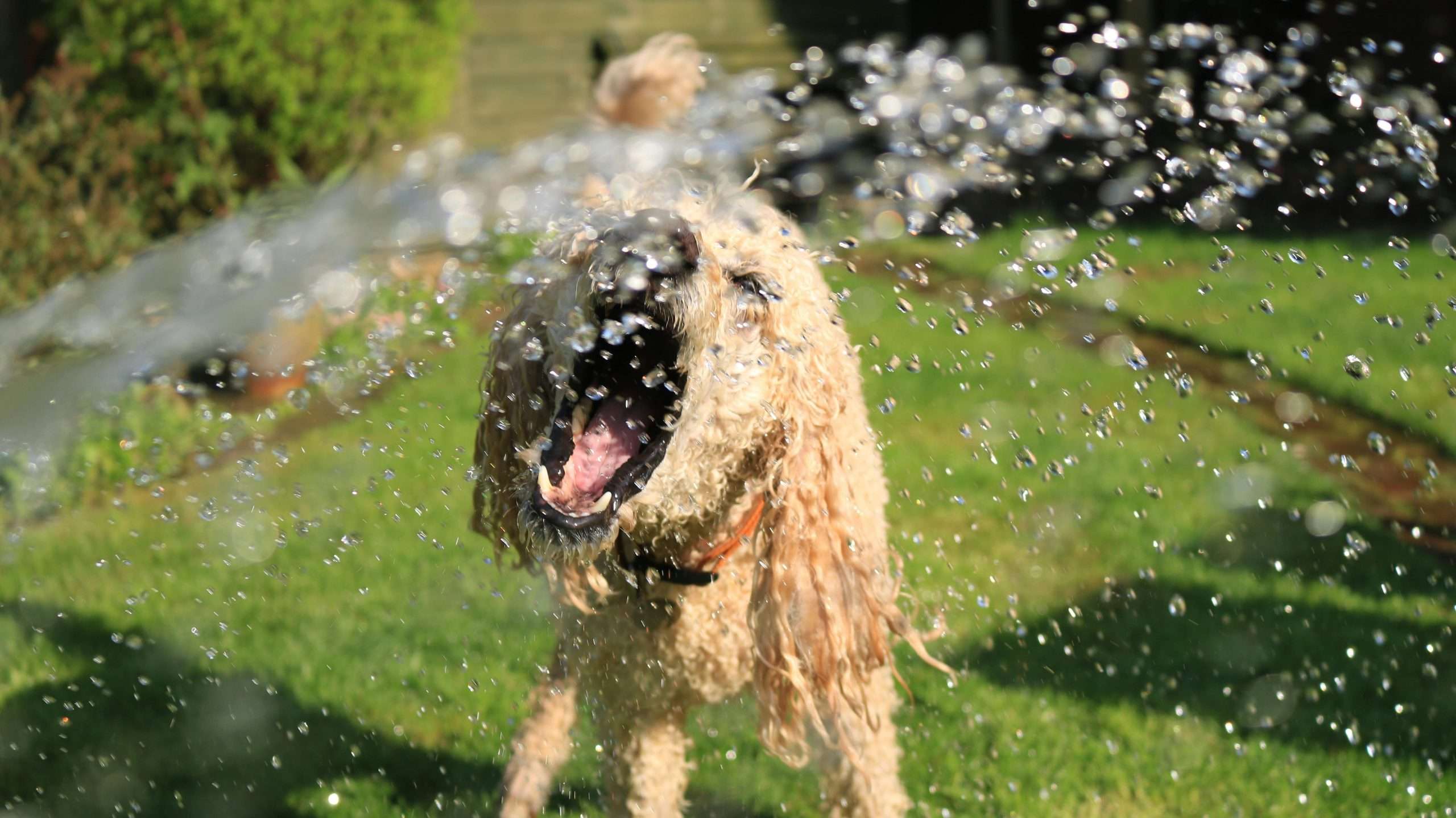
Just like humans, dogs rely on water to stay healthy. It makes up about 60% of a dog’s body weight and plays a vital role in:

- Regulating body temperature
- Aiding digestion and nutrient absorption
- Cushioning joints and organs
- Removing waste and toxins through urine
- Maintaining healthy skin and coat
Without enough water, dogs can quickly become dehydrated, leading to severe health issues. But at the same time, drinking too much water can also be dangerous, leading to conditions like water intoxication.
How Much Water Should a Dog Drink Daily?
The general rule of thumb is that a dog should drink one ounce of water per pound of body weight per day. This means a 20-pound dog should drink about 20 ounces (or 2.5 cups) of water daily. However, this is just a guideline. Several factors influence a dog’s water intake, including:
1. Size and Breed
Larger dogs naturally require more water than smaller breeds. Similarly, active breeds may drink more than less active ones.
2. Diet
- Dogs that eat dry kibble need more water because their food lacks moisture.
- Dogs on a wet food diet get extra hydration from their meals and may drink less water.
3. Activity Level
More active dogs lose water through panting and sweating (through their paw pads). They need more water to replenish what’s lost.
4. Weather and Climate
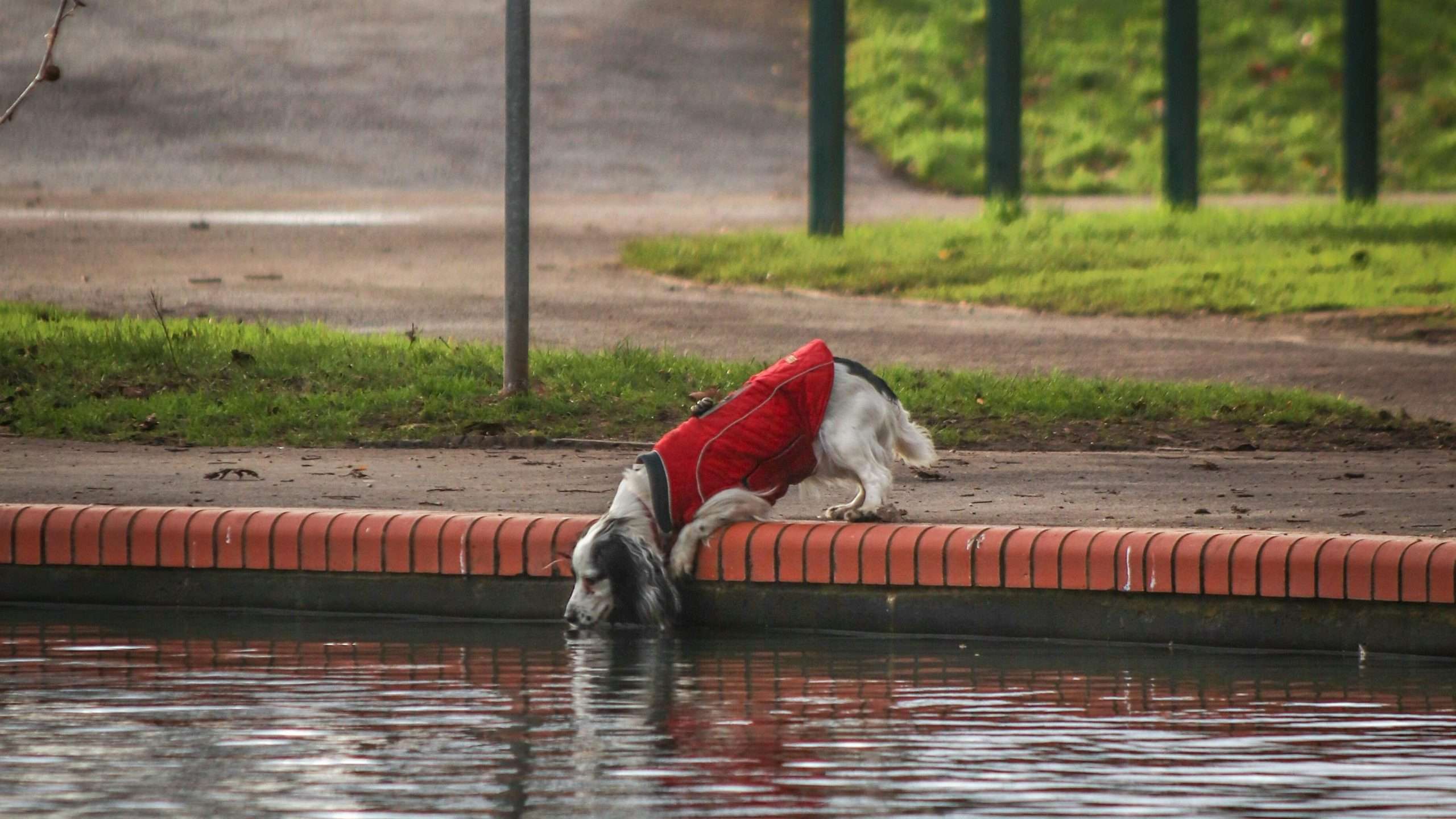
Hot and humid conditions increase a dog’s need for water to stay cool and hydrated.
5. Age and Health Conditions
Puppies, senior dogs, and those with certain health conditions (like kidney disease or diabetes) may have different hydration needs.
How to Know If Your Dog Is Dehydrated
If your dog isn’t drinking enough water, dehydration can set in quickly. Watch out for these signs:
- Lethargy or weakness
- Dry nose and gums
- Thick, sticky saliva
- Loss of appetite
- Sunken eyes
- Excessive panting
Simple At-Home Tests for Dehydration
- Skin Elasticity Test: Gently pinch the loose skin on the back of your dog’s neck. If it snaps back quickly, your dog is hydrated. If it takes time to return to normal, dehydration may be setting in.
- Gum Test: Press your finger against your dog’s gum until it turns white. If it takes more than a couple of seconds for the color to return, your dog may be dehydrated.
Why Is My Dog Drinking More Water Than Usual?
If you notice your dog drinking excessive amounts of water, it could be due to:
- Increased physical activity
- Hot weather
- Switching to a dry food diet
However, excessive thirst can also be a sign of underlying health conditions like:
- Diabetes – Dogs with diabetes may drink more water due to high blood sugar levels.
- Kidney disease – Impaired kidneys can cause excessive thirst.
- Cushing’s disease – Overproduction of cortisol leads to increased water consumption.
- Liver disease – Dogs with liver problems often drink more water than usual.
- Side effects of medication – Some medications, like steroids, can increase thirst.
If your dog is drinking more than usual and showing signs of illness, consult a vet to rule out health issues.
Can a Dog Drink Too Much Water?
While dehydration is a common concern, drinking too much water can be just as dangerous. Water intoxication (also known as hyponatremia) happens when a dog consumes an excessive amount of water, leading to dangerously low sodium levels in the blood.
Signs of Water Intoxication:
- Vomiting
- Lethargy
- Swollen belly
- Loss of coordination
- Dilated pupils
- Seizures
Water intoxication is rare but can occur if a dog plays in water for too long (such as fetching toys in a pool or lake). If you suspect your dog has ingested too much water, seek veterinary care immediately.
How to Encourage Your Dog to Drink More Water
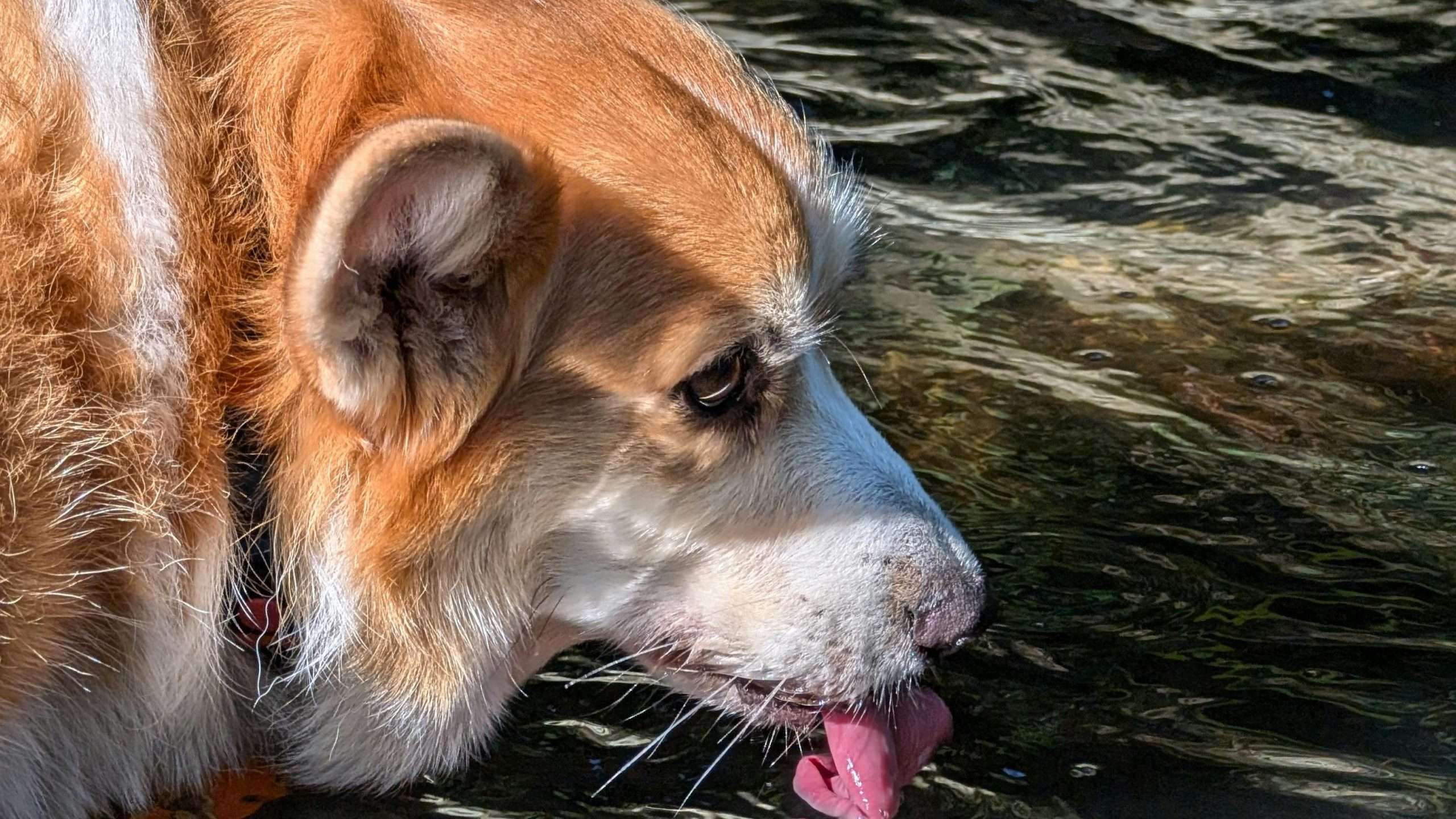
If your dog isn’t drinking enough water, here are some ways to encourage hydration:
- Place Multiple Water Bowls – Keep fresh water available in different areas of your home.
- Use a Pet Fountain – Some dogs prefer running water over stagnant bowls.
- Add Water to Food – Mix water into dry kibble or offer wet food to increase moisture intake.
- Try Flavored Water – Adding a splash of bone broth or unsalted chicken broth can make water more enticing.
- Give Ice Cubes or Frozen Treats – Some dogs enjoy crunching on ice cubes, which helps with hydration.
Final Thoughts
So, how much water should a dog drink? The answer depends on various factors like size, diet, activity level, and climate. While the standard guideline is one ounce of water per pound of body weight per day, pet owners should monitor their dog’s hydration needs based on individual circumstances. Watch for signs of dehydration or overhydration and take steps to encourage healthy drinking habits. If you notice drastic changes in your dog’s water intake, consult your veterinarian to ensure there are no underlying health concerns.
By paying attention to your dog’s hydration, you can help them live a healthier and happier life! Hope this article on “How much water should a dog drink?” was helpful to you, check out our other blogs too!
FAQs on How Much Water Should a Dog Drink?
Should I Leave Water Out for My Dog All Day?
Yes, dogs should always have access to fresh water throughout the day. However, if you’re potty training a puppy, you may want to remove water a couple of hours before bedtime.
Can Dogs Drink Coconut Water?
In small amounts, unsweetened coconut water can be safe for dogs. However, it contains potassium, which can be harmful in large quantities. Always consult a vet before offering coconut water to your dog.
Why Does My Dog Cough After Drinking Water?
If your dog frequently coughs after drinking water, it could be due to:
- Drinking too quickly
- A mild throat irritation
- A condition called tracheal collapse (common in small breeds like Pomeranians and Chihuahuas)
If your dog frequently coughs after drinking, consult a vet to rule out any underlying issues.
![Brushing and Combing Your Dog – All You Need to Know [2024]](https://100dogbreeds.com/wp-content/uploads/2024/06/image-8-768x512.png)
![Why Does My Dog Stare At Me? 3 Common Reasons [With Tips]](https://100dogbreeds.com/wp-content/uploads/2024/11/dog-stare-featured-768x512.jpg)