Holter Monitor in Dogs

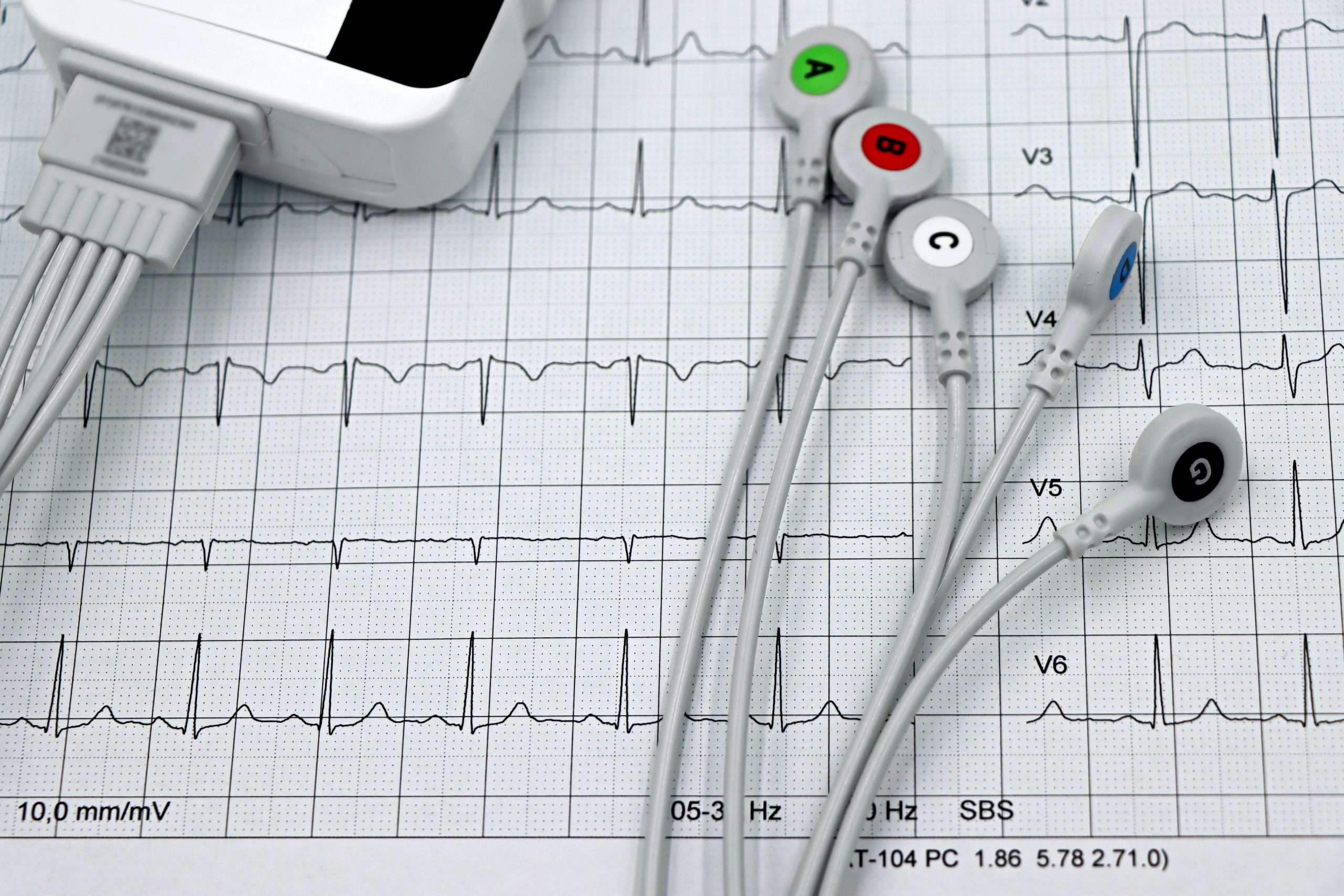
Heart health in dogs is something that should never be overlooked. Just like in humans, dogs can suffer from irregular heart rhythms that are not always easy to detect during a short vet visit. This is where the Holter monitor comes into the picture. It is a simple, portable, and highly effective device that helps veterinarians track a dog’s heart activity over a longer period. For dogs prone to heart problems, or for those already showing symptoms like fainting or sudden weakness, this device can be a life-saving tool.
What is a Holter Monitor in Dogs?
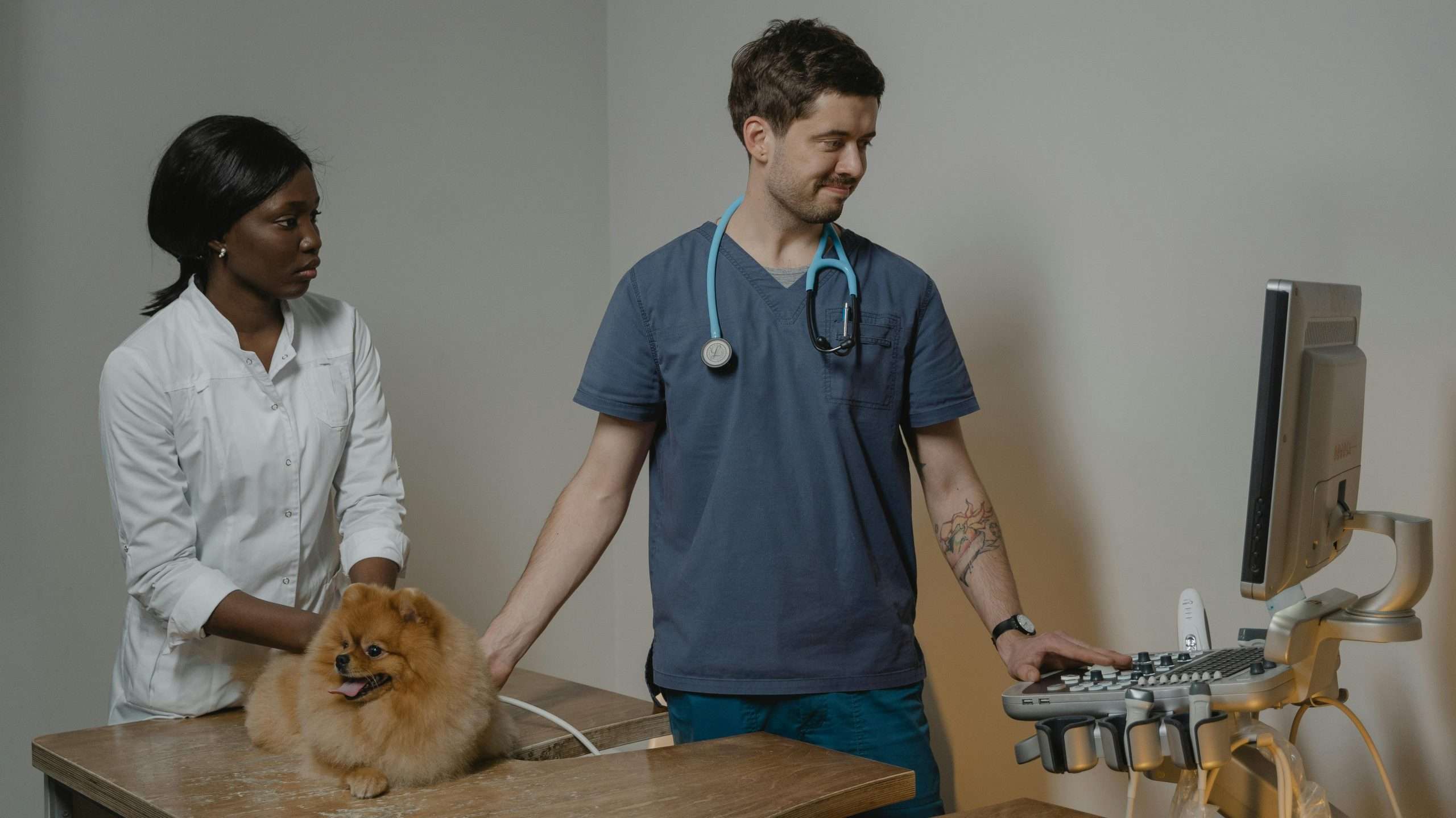
A Holter monitor is a small, portable device that continuously records the electrical activity of the heart. Unlike a standard electrocardiogram (ECG) performed in a clinic, which only lasts for a few minutes, a Holter monitor collects heart data over 24 to 48 hours while the dog goes about its normal activities. This makes it particularly useful for detecting intermittent arrhythmias that may not appear during a brief examination.

Veterinarians often recommend the use of a Holter monitor for certain breeds, such as Doberman Pinschers and Boxers, as they are more susceptible to inherited heart diseases. However, any dog with suspected rhythm disturbances can benefit from this type of monitoring.
What Does a Holter Monitor Do?
The primary purpose of a Holter monitor is to track a dog’s heartbeat during daily life. While the dog wears the device, owners are usually asked to keep a diary of the pet’s activities. This could include eating, walking, playing, sleeping, or any moments of unusual behavior such as weakness or collapse.
The monitor has a button that allows the owner to mark specific events. For example, if a dog suddenly becomes weak or faints, pressing the button signals the exact time of the episode. When the data is later reviewed, the veterinarian can match the diary entries and button markers with the ECG recording, helping to determine whether an abnormal heart rhythm caused the event.
Why Would a Dog Need a Holter Monitor?
There are several reasons a veterinarian might recommend a Holter monitor:
- Detecting the cause of fainting spells (syncope) or collapse.
- Monitoring irregular or abnormal heartbeats that were noticed during a routine exam.
- Evaluating the effectiveness of cardiac medications already prescribed.
- Checking whether a pacemaker is functioning properly.
In many cases, the Holter monitor provides crucial information that cannot be gathered from a single in-clinic ECG. It gives the veterinarian a complete picture of how the heart performs during activity, rest, and sleep.
Which Dogs Usually Need a Holter Monitor?
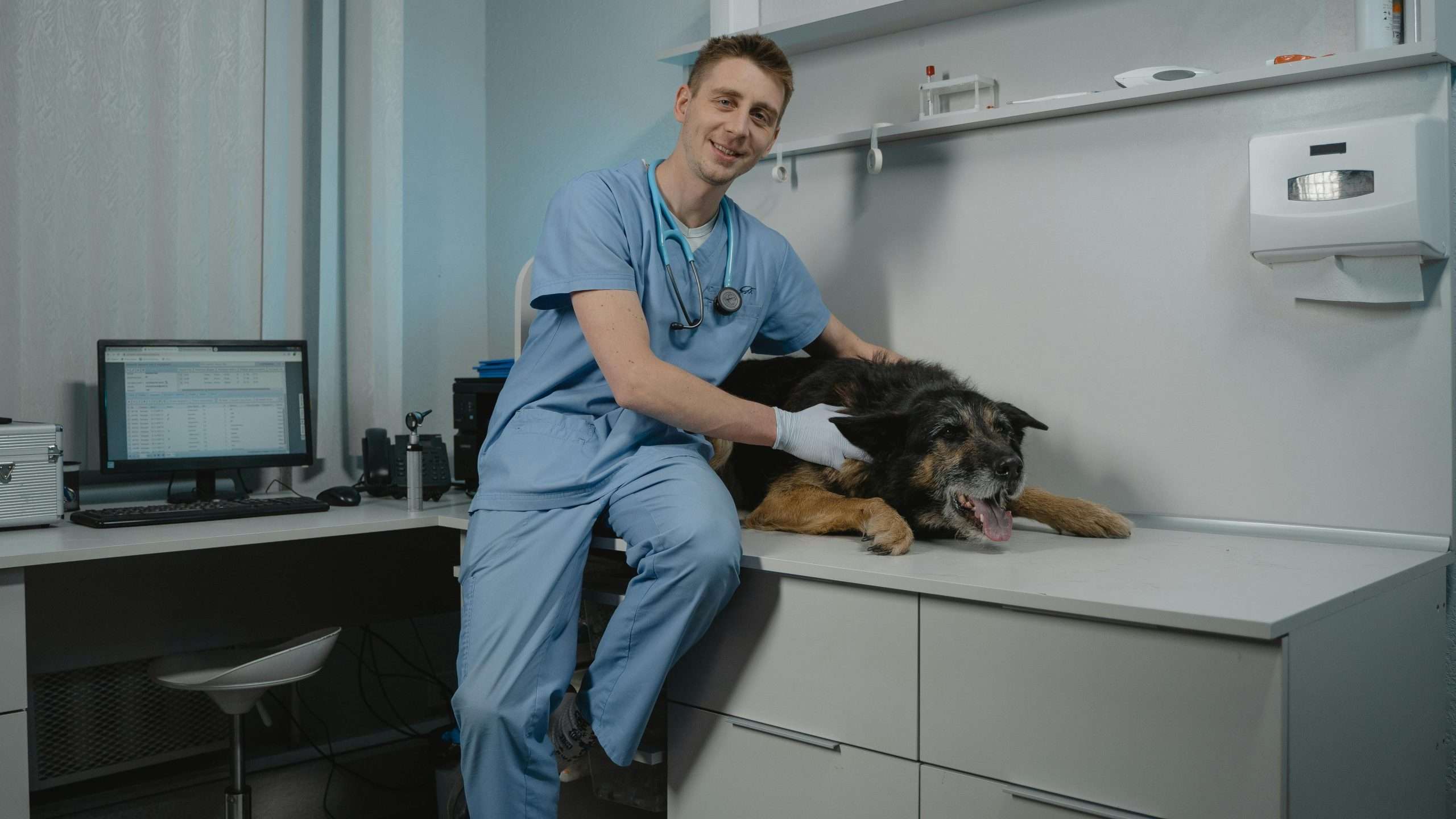
Some breeds are genetically predisposed to heart disease and are frequently advised to undergo Holter monitoring. Doberman Pinschers are at risk for dilated cardiomyopathy, a condition where the heart becomes enlarged and weak. Boxers, on the other hand, may develop arrhythmogenic right ventricular cardiomyopathy, which often leads to abnormal rhythms.
Aside from breed-related concerns, senior dogs or dogs with unexplained lethargy, weakness, or collapse are often candidates for wearing the device. Even younger dogs showing unusual symptoms may be recommended for this test to rule out hidden heart issues.
Related reads:
Rapid Heartbeat: Understanding Tachycardia in Dogs
How Does a Dog Wear a Holter Monitor?
Most Holter monitor devices designed for dogs come with a vest that holds the monitor securely in place. Several small electrodes are attached to the dog’s skin with adhesive patches, usually after shaving small areas of fur to ensure proper contact.
Once fitted, the monitor is discreet and generally does not bother the dog. Most pets adapt quickly and continue with their regular activities. Owners are encouraged to keep their dog’s daily routine as normal as possible so that the data collected accurately reflects real-life conditions.
During the monitoring period, owners are asked to prevent the device from getting wet, so baths and swimming are avoided. After the required time, the monitor and diary are returned to the veterinary clinic for analysis.
How Veterinarians Analyze Holter Monitor Results
When the monitoring period is complete, the ECG data recorded by the Holter monitor is downloaded and analyzed. Some veterinary clinics handle the interpretation in-house, while others may send the recordings to a cardiology telemedicine service.
The data is carefully examined for abnormal rhythms, heart rate variability, and signs of irregular beats. By comparing the diary entries with the ECG recording, the veterinarian can determine whether observed episodes of weakness or collapse were related to heart rhythm abnormalities.
This analysis often provides clear answers and helps guide the next steps in treatment.
Benefits and Limitations of a Holter Monitor

The Holter monitor is highly valued for several reasons:
- It can detect arrhythmias that are missed during short exams.
- It gives a more complete picture of heart function throughout the day.
- It helps determine whether medications are working effectively.
- It is safe, non-invasive, and generally well tolerated by dogs.
However, it is not without limitations. Dogs need to tolerate wearing the device for at least 24 hours, which can sometimes be challenging if they try to chew or scratch at the vest. In rare cases, repeat monitoring may be necessary if the first recording is unclear.
Safety and Comfort of a Holter Monitor for Dogs
A major concern for many pet owners is whether the Holter monitor is uncomfortable or risky. In reality, the device is very safe. Dogs may initially find the vest unusual, but most adapt within minutes. The only minor inconvenience is the small shaved patches of fur for electrode placement, which grow back over time.
The monitor does not interfere with eating, walking, playing, or sleeping. Owners simply need to make sure the vest stays dry and secure during the monitoring period.
Cost and Availability of a Holter Monitor Test
The cost of using a Holter monitor can vary depending on the veterinary clinic, location, and whether a cardiology specialist is involved. In general, the price reflects the equipment, setup, and detailed analysis of the ECG data.
Holter monitoring is more commonly offered at specialty hospitals or through veterinary cardiologists, but general practices may also provide access by sending recordings to telemedicine services.
While it is an additional expense, many owners find the cost worthwhile because it provides answers that no other test can reliably give.
Wrapping Up
The Holter monitor is one of the most valuable tools in veterinary cardiology for detecting and managing heart rhythm disorders in dogs. By capturing continuous heart data during normal daily activities, it allows veterinarians to diagnose problems that would otherwise remain hidden. For breeds prone to heart disease or dogs showing unexplained symptoms, this device can truly make the difference between uncertainty and a clear path forward in treatment.
If your veterinarian suggests a Holter monitor for your dog, it is a safe, reliable, and effective way to gain insight into your pet’s heart health and ensure they receive the care they need to live a longer, healthier life.

![Tips to Prevent Dehydration and Heat Stroke in Dogs [2024]](https://100dogbreeds.com/wp-content/uploads/2024/09/heat-stroke-in-dogs-768x512.jpg)

![Do’s and Don’ts While Dealing with an Anxious Dog [2024]](https://100dogbreeds.com/wp-content/uploads/2024/07/anxious-dog-featured-768x513.jpg)