10 Dog Tongue Facts Every Pet Parent Should Know

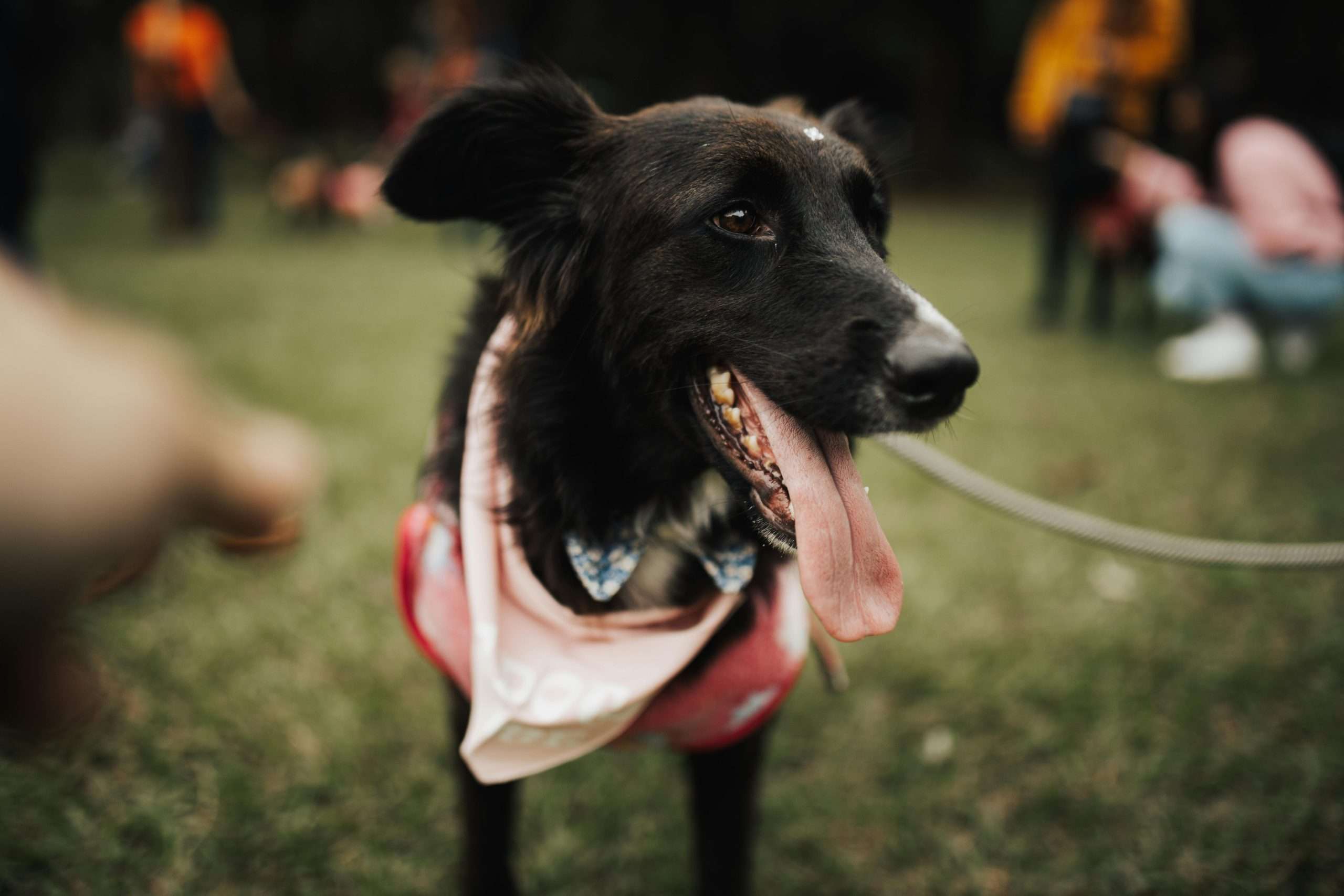
Dogs use their tongues constantly, whether they are cooling down after exercise, drinking water, or giving you a lick of affection. While it may look simple, a dog’s tongue is an incredibly versatile and important organ. Learning more about it can help you understand your pet’s health and behavior better. These dog tongue facts will give you a closer look at one of the most unique features of your furry friend.
1. Dogs Use Their Tongues to Cool Down
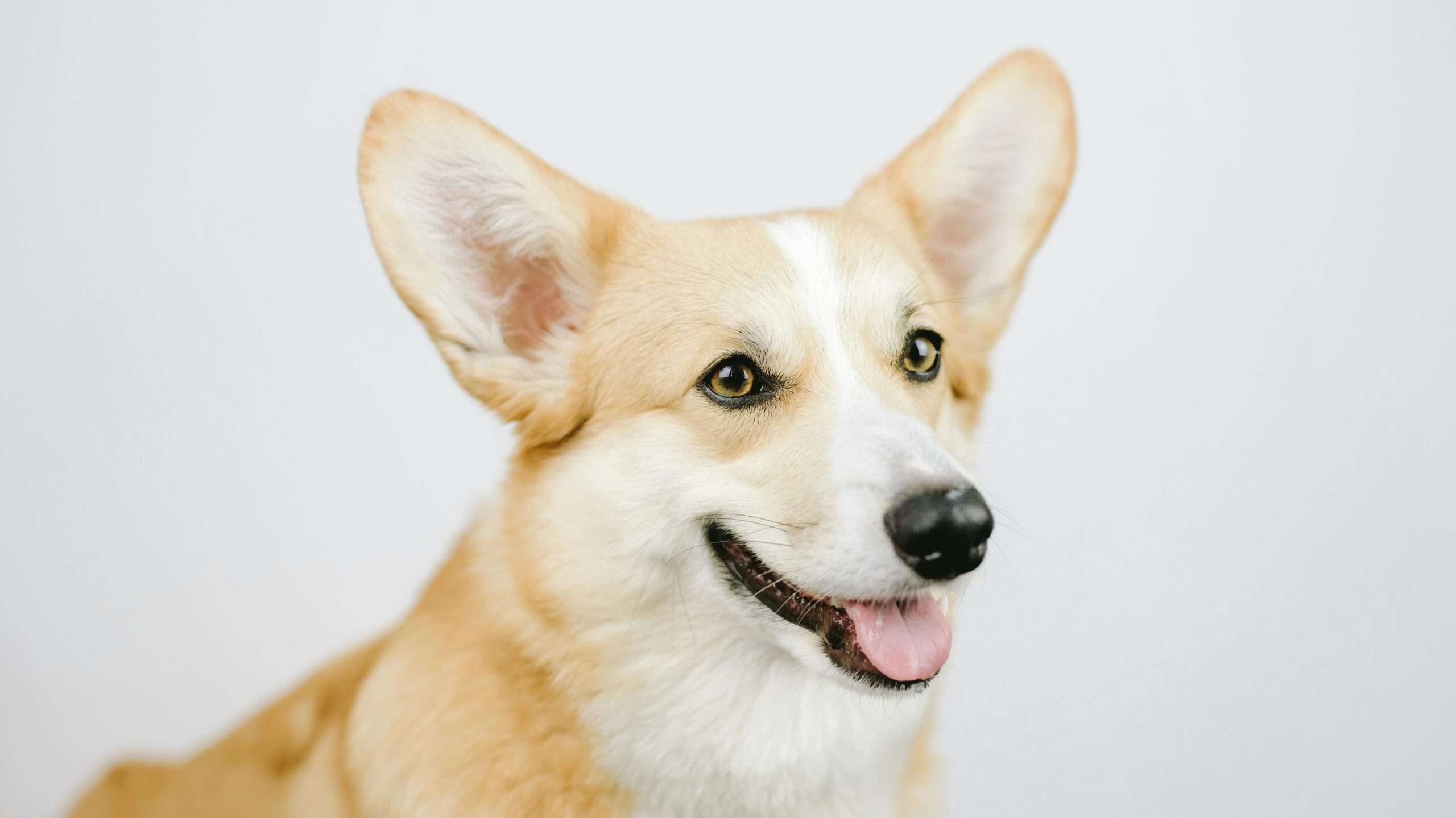
Unlike humans, dogs do not sweat across their entire bodies. Instead, they regulate temperature mainly through panting. When a dog pants, air moves rapidly over the tongue, mouth, and lungs. This allows saliva and moisture to evaporate, which cools the blood flowing through the tongue. The process is called thermoregulation.

On hot days, panting is the dog’s primary way of preventing overheating. If your pet is panting excessively, especially in warm weather, it is important to provide water and a cooler environment. Paying attention to this simple detail can help prevent heatstroke.
2. A Dog’s Tongue Says a Lot About Their Health
One of the most important dog tongue facts is that color and appearance can reflect health conditions. A healthy dog typically has a moist, pink tongue. However, there are exceptions. Breeds like Chow Chows and Shar-Peis naturally have blue or blue-black tongues, and mixed breeds from these lines may also have spots of darker pigmentation.
If a normally pink tongue changes color, it can signal problems. A pale or white tongue might indicate anemia or internal bleeding. A bluish or purple tongue may suggest low oxygen levels, heart disease, or heatstroke. Paying attention to sudden changes in tongue color can help you identify emergencies quickly.
3. Taste Buds Are Fewer Than Ours
When it comes to flavor, dogs are not nearly as sensitive as humans. They have around 1,700 taste buds, while humans have about 10,000. Despite this, they can detect sweet, salty, sour, and bitter tastes.
Because they have fewer taste buds, dogs depend more on smell than taste when deciding whether to eat something. This explains why your dog may lick areas of your skin that carry strong scents, such as your hands, ears, or feet. Among the most surprising dog tongue facts is how much their sense of taste is tied to their sense of smell.
Related reads:
The Link Between Dog Tongue Color and Health Conditions
4. Licking Releases Calming Chemicals

Another fascinating entry in dog tongue facts is the emotional role licking plays. When dogs lick themselves, people, or objects, their brains release endorphins. These are natural chemicals that promote relaxation and a sense of calm.
This is why many dogs lick their owners to show affection, or themselves when they are stressed. While it can be comforting, excessive licking can sometimes indicate anxiety or an underlying behavioral issue. In such cases, consulting a veterinarian or trainer may help.
5. Dogs’ Mouths Are Not Cleaner Than Humans
A long-standing myth claims that a dog’s mouth is cleaner than a human’s. This is not true. Research shows that dogs and humans both carry more than 600 different species of bacteria in their mouths.
Most of these bacteria are normal for their respective species and usually do not pose a threat. However, there are some harmful bacteria in canine saliva that can cause infections in humans if they enter an open wound. So while your dog’s kisses may be harmless most of the time, it is wise to avoid letting them lick cuts or scrapes.
6. Dog Saliva and the Healing Myth
Ancient cultures once believed that dog saliva had healing powers. While licking can remove dirt from a wound, too much licking may actually delay healing and cause further irritation.
Scientists have found that saliva contains proteins called histatins, which help reduce infections. However, saliva also carries bacteria that could be harmful to humans and dogs alike. So while there is a little truth behind the myth, it is better to rely on proper medical care for wounds instead of a dog’s tongue.
7. Some People Are Allergic to Dog Saliva
Most people assume dog allergies come from fur or dander. In reality, some people are allergic to proteins found in canine saliva. This means the reaction comes from contact with the tongue rather than shedding hair.
Among the lesser-known dog tongue facts is that a person could live comfortably with a low-shedding breed, yet still experience allergic reactions from being licked. For anyone with unexplained dog-related allergies, a dermatologist can confirm whether saliva is the cause.
8. Dogs Have Smooth Tongues Unlike Cats
If you have ever compared the lick of a dog to that of a cat, you know the difference. Cats have rough, sandpaper-like tongues with barbs called papillae, which help them groom themselves and clean their fur. Dogs, on the other hand, have smooth tongues.
The difference can be traced back to evolution. Cats needed rough tongues for grooming and hunting stealthily, while dogs, as pack hunters, had less need for such grooming adaptations. Smooth tongues serve dogs perfectly for eating, drinking, and bonding.
9. Some Dogs Have Extra-Long Tongues
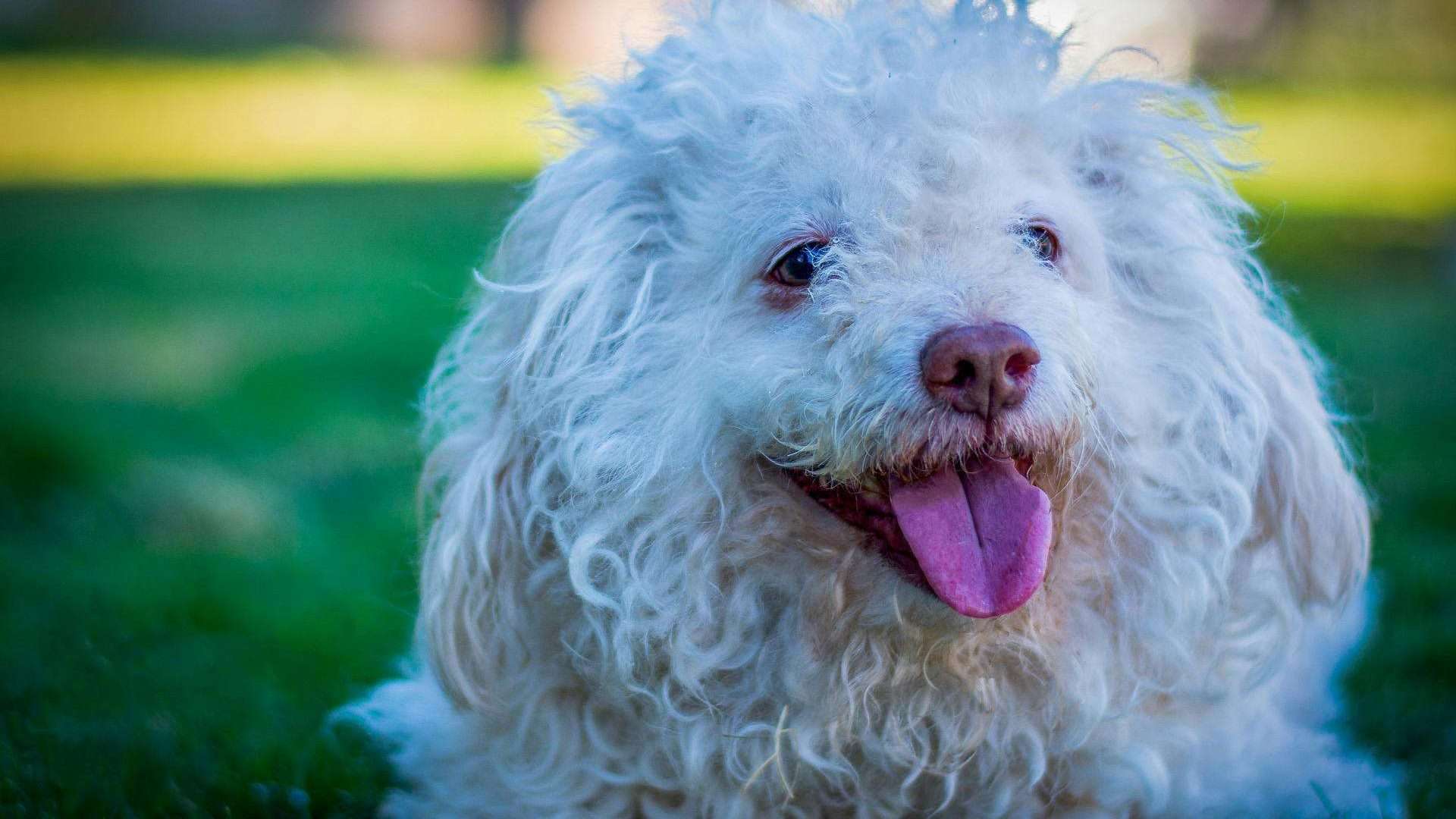
Certain breeds are known for having tongues that extend far beyond their mouths. In rare cases, a condition called macroglossia causes abnormally large tongues. More often, however, short-faced breeds like Bulldogs, Boxers, and Pugs have tongues that appear longer because of their mouth structure.
Dogs with long tongues may drop food, make a mess while drinking, or accidentally bite their tongues. Though usually harmless, owners should monitor these dogs for any signs of injury or discomfort.
10. Dogs Use Their Tongues to Communicate
Communication is one of the most fascinating dog tongue facts. From birth, puppies rely on their mother’s licking for stimulation, cleanliness, and bonding. As they grow, they use licking to signal submission to older dogs, request food, or comfort themselves and littermates.
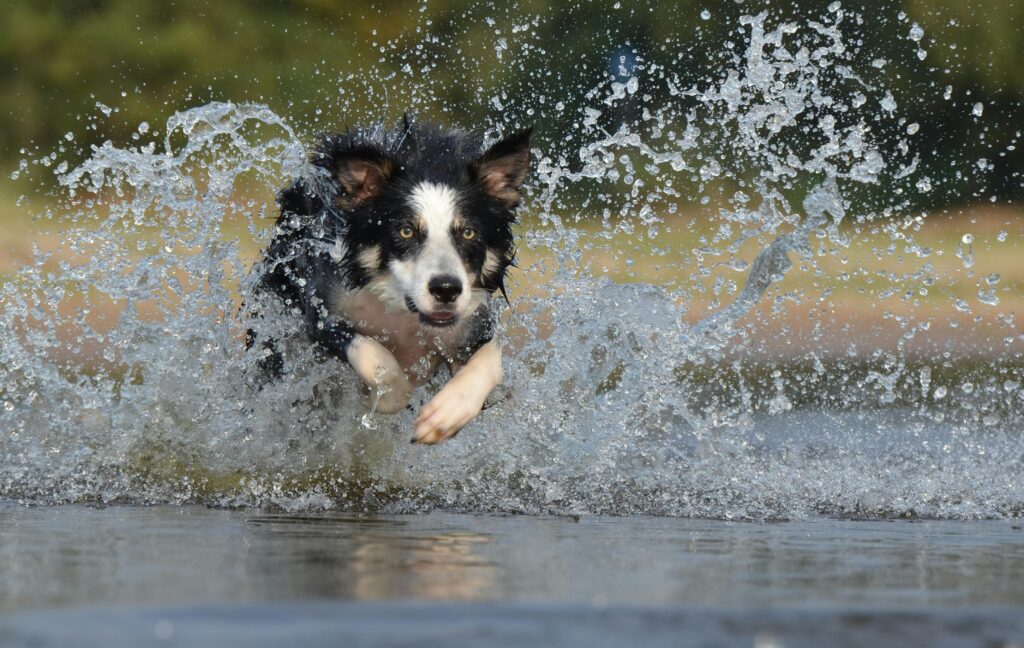
Even adult dogs continue using their tongues as a tool of communication. They lick owners to show affection, explore scents, or express anxiety. Tongues also play a role in how dogs drink water. Unlike cats, which lap quickly, dogs curl their tongues backward to scoop water, which explains the splashes around the bowl.
Final Thoughts
These 10 dog tongue facts show how versatile and important the tongue is in a dog’s daily life. It helps them stay cool, communicate, eat, and bond with people. It can also serve as a window into their overall health. By understanding your dog’s tongue better, you can pick up early signs of illness and appreciate just how unique this organ really is.