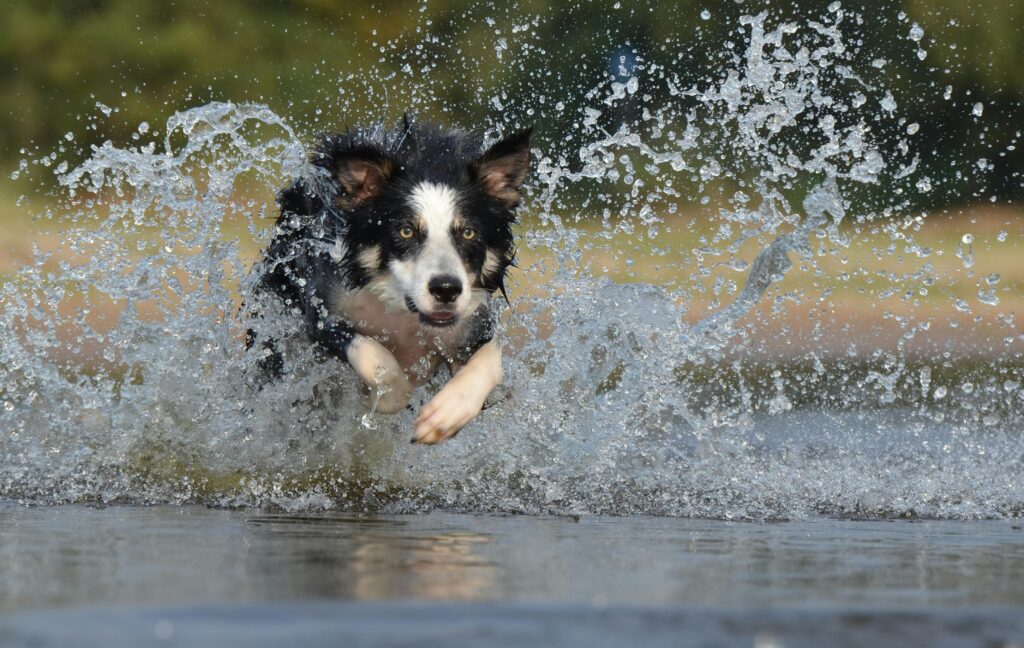
10 Common Dog Diseases in Summer: Prevention and Care

Is your dog struggling with the summer heat? You’re not alone. As temperatures soar, so do the risks of diseases. From heatstroke to mysterious skin issues, summer can be a minefield for our furry friends. But what if you could safeguard your pet against these seasonal threats?
Understanding common dog diseases in summer and knowing how to prevent them is crucial for every pet parent. This comprehensive guide will explore the common dog illnesses that arise during the warmer months and provide essential tips for keeping your furry friend healthy and happy.

How Summer Dog Care Differs from Winter
Dog care requirements vary significantly between summer and winter due to the distinct environmental conditions of each season. In winter, the primary concerns include keeping your dog warm and preventing hypothermia. However, summer care focuses on protecting dogs from heat-related illnesses, dehydration, and sunburn.
During the hot months, it’s essential to adjust your dog’s routine. This includes scheduling walks during cooler parts of the day, ensuring constant access to fresh water, and providing shaded areas for outdoor relaxation. Additionally, summer brings a higher prevalence of parasites such as ticks and fleas, requiring vigilant prevention measures.
10 Common Dog Diseases in Summer
The warmer months bring a unique set of health challenges for our canine companions. Understanding these common dog diseases is crucial for prevention and early intervention. Let’s explore the most frequent summer-related health issues that affect dogs.
Heat-Related Issues
- Heatstroke
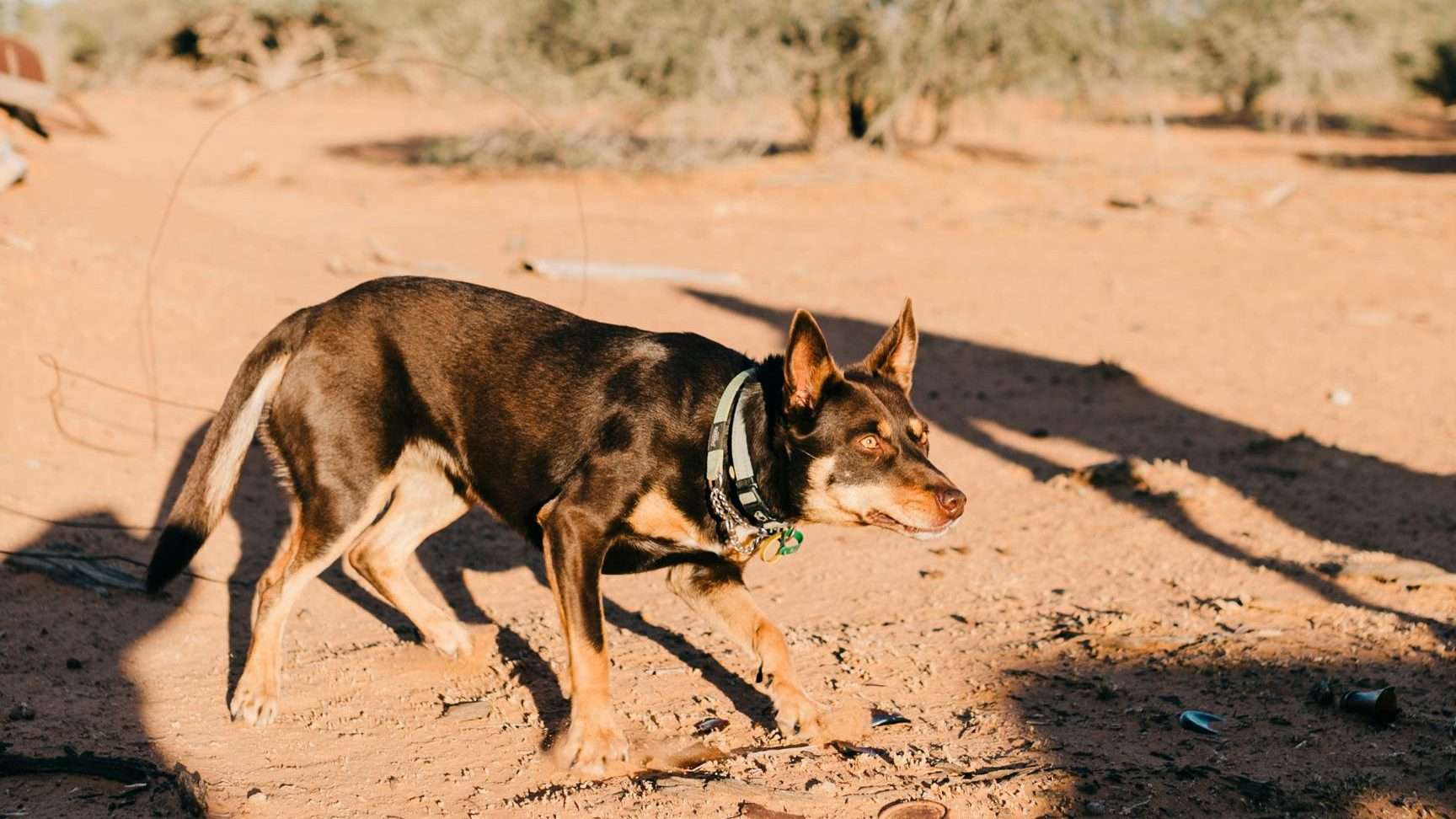
Heatstroke is one of the most serious common dog diseases in summer. It occurs when a dog’s body temperature rises to dangerous levels, potentially leading to organ failure and even death if not treated promptly.
Symptoms of heatstroke include:
- Excessive panting
- Drooling
- Bright red or purple gums
- Vomiting
- Disorientation
- Collapse
Prevention:
- Never leave your dog in a parked car
- Provide constant access to fresh water and shade
- Avoid exercising during the hottest parts of the day
- Use cooling accessories like wet towels or cooling mats
- Dehydration
Dehydration occurs when a dog loses more fluids than they consume, a common risk in hot weather.
Signs of dehydration include:
- Dry, sticky gums
- Sunken eyes
- Loss of skin elasticity
- Lethargy
Prevention:
- Ensure constant access to clean, fresh water
- Carry water and a portable bowl during outings
- Offer water-rich foods like watermelon (without seeds) or cucumber
Skin and Coat Problems
- Sunburn
Like humans, dogs can get sunburned, especially those with short or light-colored coats. Sunburn can cause painful red patches on the skin and, in severe cases, increase the risk of skin cancer.
Prevention:
- Apply pet-safe sunscreen to exposed areas
- Provide shade during outdoor activities
- Limit sun exposure during peak hours
- Hot Spots
Hot spots are painful, moist skin lesions that can develop quickly, especially in dogs with thick coats.
Symptoms include:
- Red, inflamed skin
- Excessive licking or chewing of an area
- Hair loss around the affected area
Prevention:
- Regular grooming to prevent matted fur
- Addressing underlying allergies or skin irritations
- Keeping your dog’s coat clean and dry
Parasite-Borne Diseases
- Lyme Disease
Lyme disease is transmitted through tick bites and can cause serious health issues if left untreated.
Symptoms include:
- Fever
- Lameness
- Swollen joints
- Loss of appetite
Prevention:
- Use vet-recommended tick preventatives
- Check your dog for ticks after outdoor activities
- Keep your yard well-maintained to reduce tick habitats
- Heartworm Disease
Heartworm is a potentially fatal disease spread by mosquitoes, which are more prevalent in summer.
Symptoms may not appear until the disease is advanced but can include:
- Persistent cough
- Fatigue
- Decreased appetite
- Weight loss
Prevention:
- Administer monthly heartworm preventatives as prescribed by your vet
- Reduce mosquito breeding grounds around your home
Gastrointestinal Issues
- Leptospirosis
Leptospirosis is a bacterial infection that can be contracted through contaminated water or soil.
Symptoms include:
- Fever
- Vomiting
- Jaundice
- Increased thirst and urination
Prevention:
- Vaccination against leptospirosis
- Avoid letting your dog drink from standing water sources
- Summer-related Digestive Problems

Changes in diet, increased scavenging opportunities, and heat can lead to digestive issues in summer. These are among the most common dog diseases seen during warmer months.
Common symptoms include:
- Vomiting
- Diarrhea
- Loss of appetite
Prevention:
- Maintain a consistent diet
- Prevent access to garbage or decaying organic matter
- Ensure food is fresh and not spoiled by heat
Other Summer Concerns
- Ear Infections
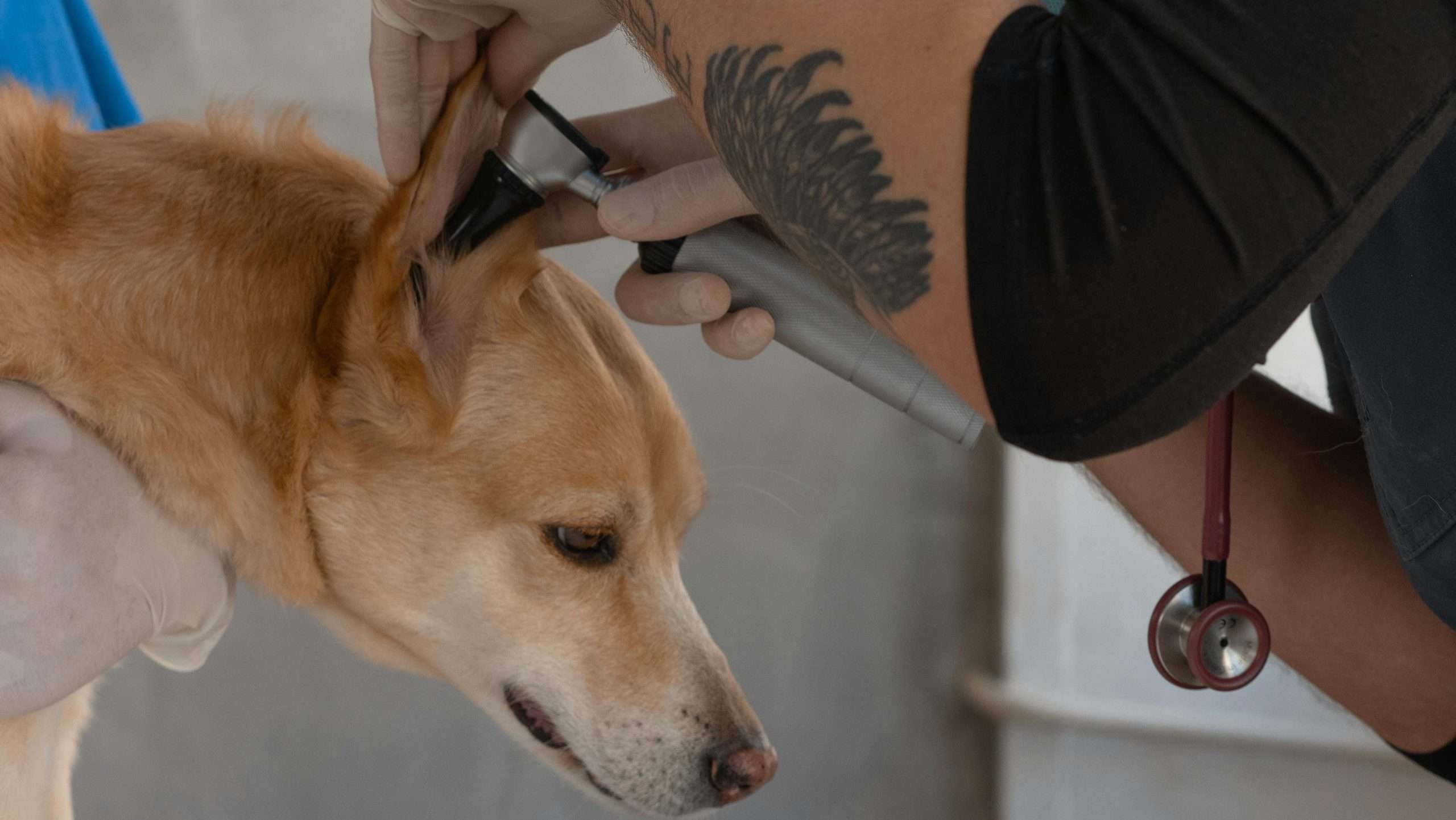
Increased swimming and humidity can lead to more frequent ear infections in dogs.
Signs of ear infections include:
- Head shaking
- Ear scratching
- Redness or swelling of the ear canal
- Unpleasant odor from the ears
Prevention:
- Dry your dog’s ears thoroughly after swimming
- Regular ear cleaning as recommended by your vet
- Address underlying allergies that may contribute to ear infections
- Allergies
Summer brings a host of allergens that can affect dogs, including pollen, grasses, and certain insects.
Allergy symptoms may include:
- Itching and scratching
- Red, inflamed skin
- Sneezing
- Watery eyes
Prevention:
- Identify and avoid known allergens when possible
- Regular bathing to remove allergens from the coat
- Consult with your vet about allergy medications or treatments
Essential Summer Pet Care Tips
Hydration Strategies
Provide constant access to fresh water. Use pet fountains to encourage drinking. Offer ice cubes as refreshing treats.
Exercise and Activity Adjustments
Walk during cooler hours of the day. Engage in indoor play during peak heat times. Avoid hot pavements that can burn paw pads.
Grooming for Summer

Brush regularly to prevent matting and remove loose fur. Consider summer trims for long-haired dogs. Use cooling sprays for quick relief on hot days.
Diet Considerations
Adjust portions if your dog’s activity level decreases. Offer frozen, dog-safe fruits as cooling treats. Keep food fresh and store it in cool places.
Importance of Veterinary Check-ups
Schedule summer health exams for your dog. Update vaccinations and parasite prevention. Discuss any summer-specific health concerns with your vet.
Related reads:
Understanding Allergies in Dogs: Symptoms and Treatments
Final Thoughts
Summer can be a wonderful time for dogs and their owners, but it requires extra vigilance to prevent common dog diseases and ensure our pets’ well-being. By understanding the unique challenges of the season and taking proactive measures, you can help your dog stay healthy and enjoy the summer safely. Remember, prevention is always better than cure when it comes to dog illnesses. Stay informed, be prepared, and don’t hesitate to consult with your veterinarian if you have any concerns about your dog’s health during the summer months.
FAQs
How can I tell if my dog has heatstroke?
Look for signs such as excessive panting, drooling, red gums, vomiting, dizziness, or collapse. If you suspect heatstroke, it’s a medical emergency requiring immediate veterinary attention.
What are the best ways to keep my dog cool in summer?
Provide plenty of fresh water, access to shade, avoid exercise during peak heat hours, use cooling mats or vests, and never leave your dog in a parked car.
How often should I check my dog for ticks?
Check your dog for ticks daily, especially after outdoor activities in wooded or grassy areas. Regular use of vet-approved tick preventatives is also crucial.

![The Ultimate First Time Dog Owner Checklist [2024]](https://100dogbreeds.com/wp-content/uploads/2024/07/first-time-dog-owner-768x512.jpg)