Canine Whisker Fatigue: What It Is and How It Affects Your Dog


Dogs rely on their senses in ways we often overlook. While we notice their wagging tails, alert ears, or sharp noses, one area of sensitivity that rarely gets attention is their whiskers. These fine hairs are not just for looks. They serve as powerful sensory tools that help dogs detect their environment. When these whiskers are overstimulated, dogs can experience a condition known as canine whisker fatigue. Though often discussed in cats, this issue is real for dogs as well and can affect their comfort, mood, and daily routines.
Understanding canine whisker fatigue is important for any dog parent who wants to make sure mealtimes and everyday life are stress-free. Let’s explore what this condition is, how it shows up, and what you can do to make things easier for your pup.

What Is Canine Whisker Fatigue?
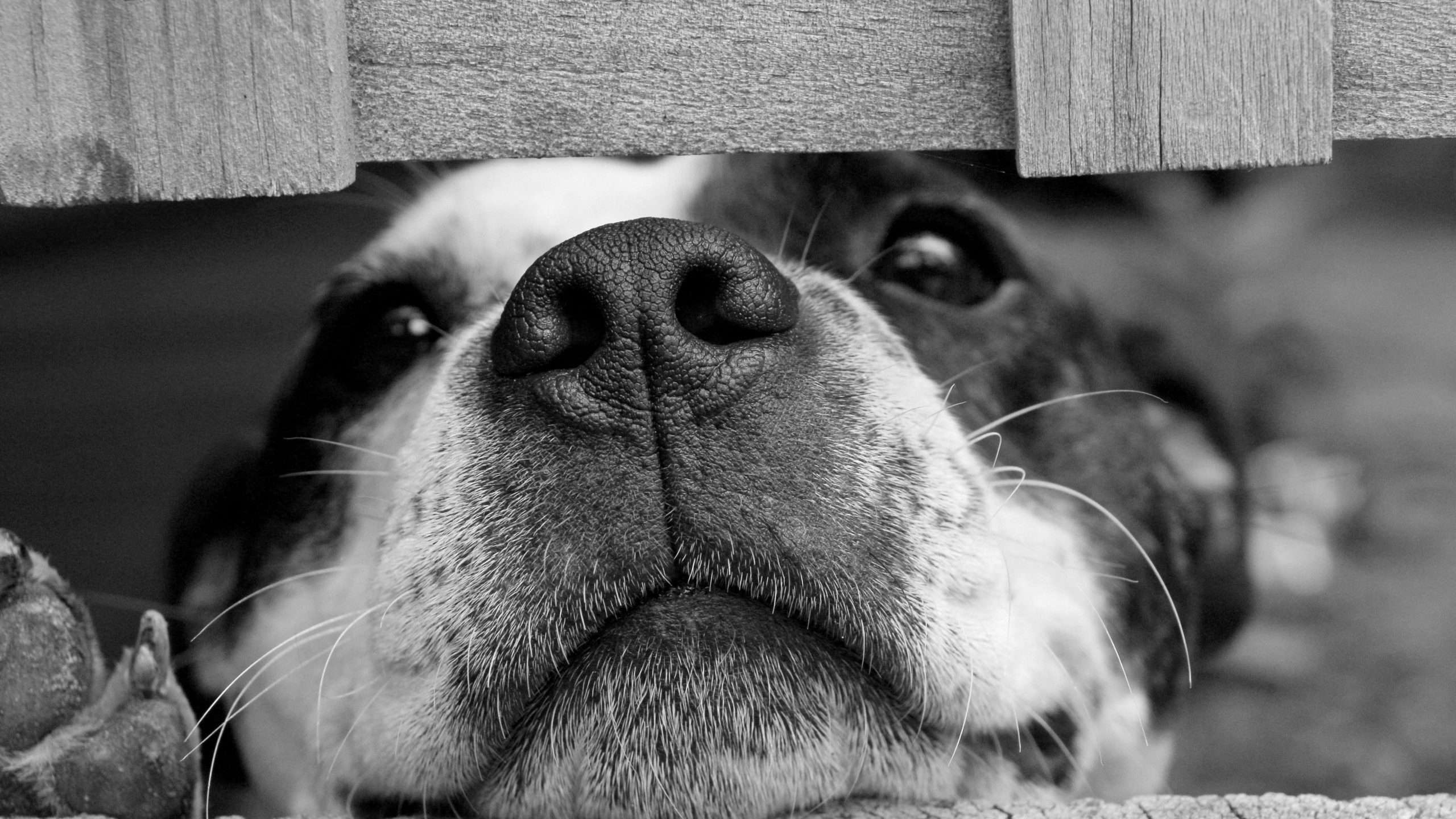
Whiskers, or vibrissae, are not ordinary hairs. They are deeply rooted in follicles filled with nerve endings, making them highly sensitive to touch and vibrations. Whiskers allow dogs to sense changes in air currents, detect nearby objects in the dark, and navigate tight spaces. In other words, they act like tiny radar systems.
Canine whisker fatigue occurs when these sensitive hairs are overstimulated through constant or repetitive contact with objects. For example, when a dog eats from a deep or narrow bowl, the whiskers brush against the sides repeatedly. Over time, this can create sensory overload. Just as humans can feel irritable when overwhelmed with too much noise or light, dogs can feel stressed when their whiskers are bombarded with excessive signals.
This condition does not cause permanent damage to whiskers, but it can influence behavior, mood, and eating habits. Many owners mistake the signs of canine whisker fatigue for picky eating, stubbornness, or behavioral problems, when in reality, the issue is purely sensory.
How Canine Whisker Fatigue Manifests in Your Dog
One of the challenges with canine whisker fatigue is that its signs are subtle and often overlooked. Dogs cannot tell us when their whiskers feel overstimulated, so it is up to owners to watch for changes in behavior.
Reluctance or Adverse Behavior During Mealtime
Dogs with whisker fatigue often seem hesitant at the food bowl. They may approach their food, sniff it, and then walk away without eating. Some might paw at their bowl, drop food on the floor to eat more comfortably, or nudge their bowl repeatedly as if trying to adjust it.
Face-Rubbing, Pawing, or Unusual Irritability
Another common sign is frequent pawing at the face or rubbing against furniture and walls. These actions may be an attempt to relieve the overstimulated feeling in their whiskers. Dogs may also show irritability, snapping or growling when approached near feeding time, which can easily be mistaken for bad behavior.
Anxiety or Restlessness Around Feeding or Touch Points
For some dogs, canine whisker fatigue shows up as unease or pacing near mealtime. They may seem excited to eat but stop short of actually consuming food. Others may resist drinking water from their usual bowl. This restlessness is linked to the stress of whisker overstimulation.
The Science Behind Canine Whisker Fatigue

To understand why whisker fatigue affects dogs so strongly, it helps to know how whiskers function. Each whisker is connected to a follicle rich with blood vessels and sensory nerves. These nerves send information directly to the brain, helping dogs process their surroundings almost instantly.
Because whiskers are so sensitive, they pick up even the lightest touch. While this sensitivity is useful in navigation and hunting, it also means whiskers can be overstimulated when they touch objects too frequently. For a dog, eating from a narrow stainless steel bowl can feel like standing in a crowded room with constant tapping on the shoulders.
This explains why canine whisker fatigue is not simply a minor irritation but a genuine form of sensory stress. It is less about physical pain and more about constant stimulation that overwhelms the nervous system.
Practical Ways to Alleviate and Prevent Canine Whisker Fatigue
The good news is that addressing whisker fatigue is straightforward once you recognize it. Small adjustments in your dog’s environment can make a big difference.
Switching to shallow or wide-rimmed bowls is one of the most effective steps. These allow your dog to eat and drink without constant whisker contact against the bowl sides. Ceramic or plastic bowls with broad surfaces are usually more comfortable than narrow stainless steel ones.
Keeping the facial area clean after meals is another simple yet helpful practice. Food or residue clinging near the whiskers can add unnecessary irritation. A gentle wipe with a soft cloth helps maintain comfort.
It also helps to declutter the feeding area. Dogs that have to navigate around obstacles to reach their bowl may experience additional whisker contact, increasing the likelihood of sensory overload. Providing a calm, open feeding space can prevent this.
Some owners also find success with puzzle feeders or raised feeders that change the way dogs interact with their bowls. While these are not essential, they can reduce the repetitive contact that contributes to canine whisker fatigue.
Related reads:
Understanding Your Dog’s Body Language
Well-Being and Enrichment Beyond Physical Changes

While changing bowls and cleaning routines can relieve canine whisker fatigue, supporting overall mental and physical health is just as important. Stress does not exist in isolation. A dog that is regularly exercised, engaged, and mentally stimulated tends to handle mild irritations better.
Daily walks, play sessions, and training exercises provide enrichment that balances your dog’s nervous system. Mental games such as scent work or interactive toys can also help reduce overall anxiety. A dog with a strong enrichment routine will be less reactive to small stressors, including whisker overstimulation.
Case Example: A Dog Before and After Addressing Canine Whisker Fatigue
Consider a Labrador retriever that suddenly stopped eating from its bowl. The owner initially thought it was stubbornness or illness. After a veterinary checkup ruled out medical issues, the owner switched to a wider, shallow bowl. Within days, the dog resumed eating happily and the irritability disappeared.
This example shows how canine whisker fatigue can look like a bigger problem than it really is. Sometimes, a simple change makes all the difference.
How Veterinarians View Canine Whisker Fatigue
Veterinarians are increasingly recognizing whisker fatigue as a factor in canine behavior. However, they also stress that not all feeding problems stem from this issue. Reluctance to eat or drink can also point to dental problems, digestive issues, or other underlying health concerns.
This is why professional guidance is important. If your dog shows persistent signs even after environmental adjustments, a veterinary checkup ensures no serious health issue is being overlooked.
Final Thoughts
Whiskers are small, but their role in a dog’s sensory system is enormous. When overstimulated, they can lead to canine whisker fatigue, a subtle condition that affects comfort, mood, and daily habits. Recognizing the signs, such as reluctance to eat from certain bowls or unusual face-rubbing, can help you act quickly.
Fortunately, solutions are simple. Switching to shallow bowls, cleaning your dog’s face, and maintaining an uncluttered feeding space can bring immediate relief. Paired with regular exercise and enrichment, these steps ensure that your dog remains comfortable and stress-free.
By paying attention to canine whisker fatigue, you are not just addressing a small issue. You are improving your dog’s overall well-being and making their daily life easier.