Do Dogs Have Dreams? Understanding Canine Sleep Behavior

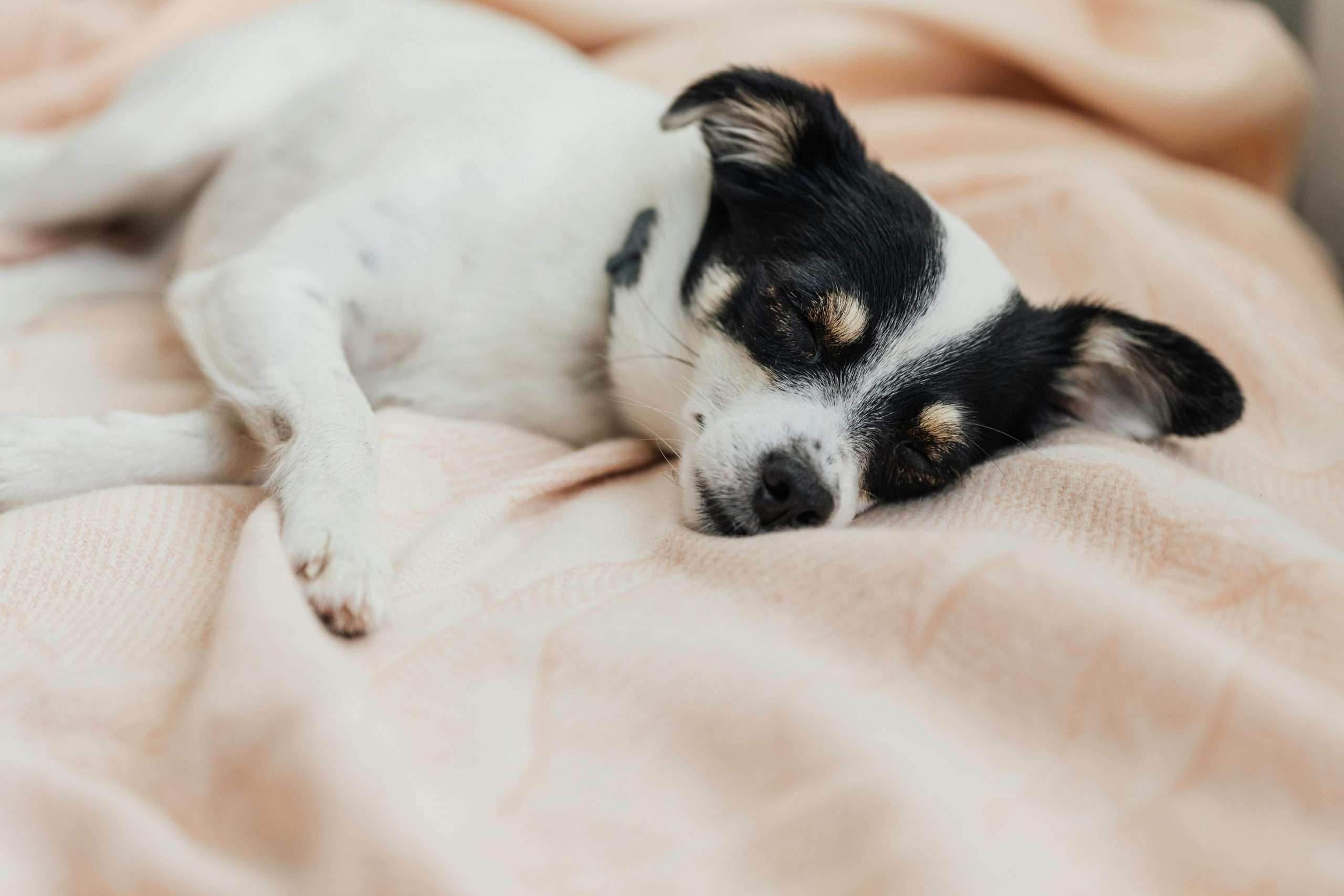
Every pet parent has seen it: your dog curled up in a cozy spot, breathing heavily, paws twitching, and sometimes even letting out small barks or whimpers. In those moments, it often feels like they are lost in another world. This naturally leads to the question: do dogs really dream, and if so, what do their dreams reveal about them? To answer this, we need to look deeper into how dogs sleep, what science says about dreaming in animals, and what their movements during rest can tell us about canine sleep behavior.
The Science of Canine Sleep Behavior
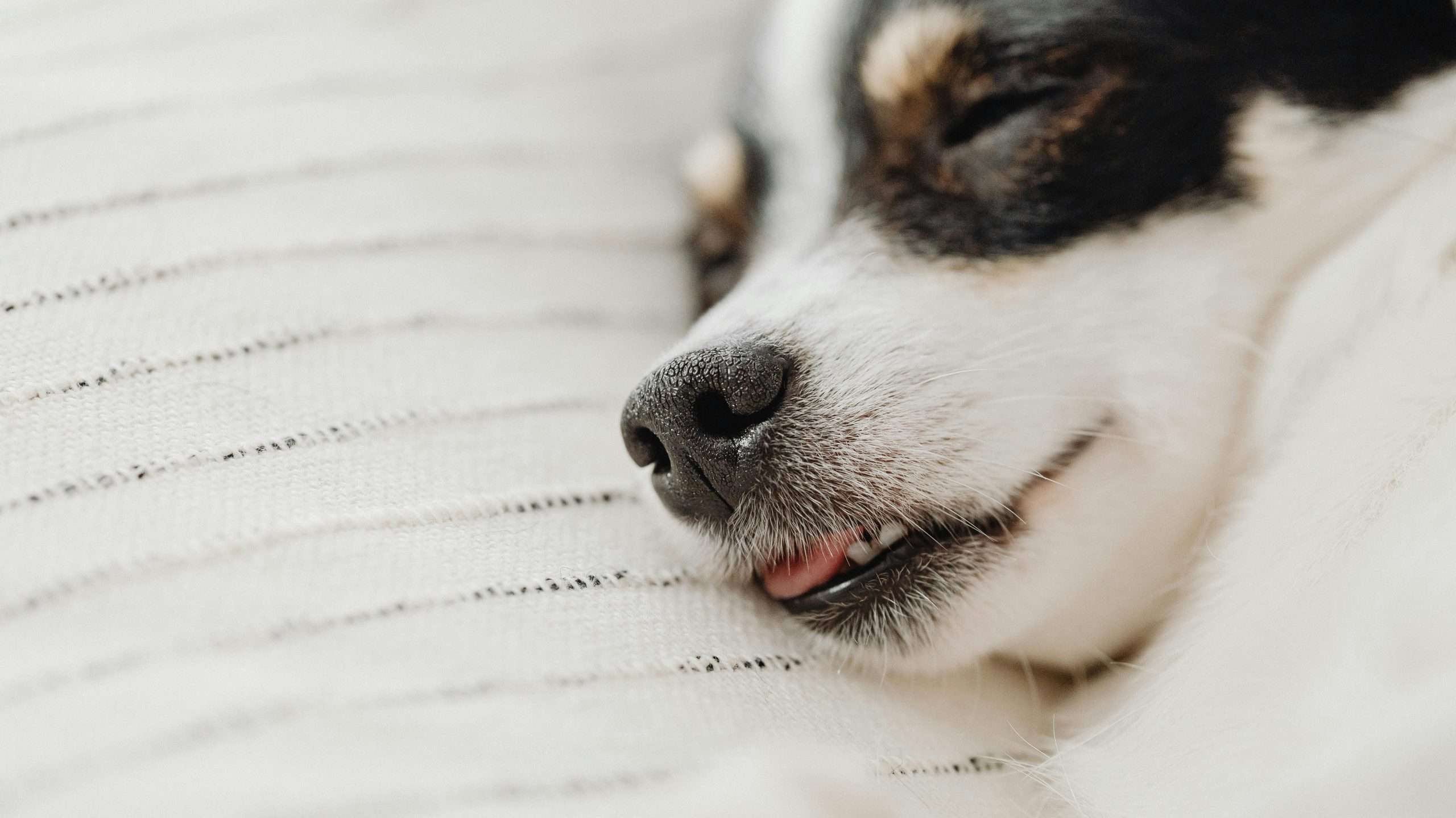
Dogs, like humans, go through sleep cycles that include both light sleep and deeper stages of rest. Scientists studying canine sleep behavior have discovered that dogs experience rapid eye movement, or REM sleep, which is the stage most associated with vivid dreaming in humans.

Do Dogs Dream Like Humans?
The similarities between human and dog sleep patterns are striking. Studies using EEG machines show that a dog’s brain activity during REM sleep mirrors what happens in a human brain when dreaming. This means that the twitches, jerks, and soft noises you notice in your dog’s sleep are not random – they are likely tied to mental activity similar to dreaming.
Just as people replay parts of their day while asleep, dogs are believed to do the same. REM sleep is also connected to processing emotions and consolidating memory, which suggests that dog dreams may have a real purpose in their mental and emotional health.
Understanding Sleep Stages in Dogs
Canine sleep behavior is divided into two major stages: non-REM and REM sleep. Non-REM sleep is the lighter, restorative stage where the body focuses on physical repair. This is when your dog may simply look calm and still. REM sleep, on the other hand, involves bursts of brain activity and is where dreams occur.
Interestingly, puppies spend much more time in REM sleep than adult dogs. Since young dogs are constantly learning about the world around them, REM sleep likely helps them process and store those new experiences.
What Do Dogs Dream About?
One of the most fascinating parts of observing canine sleep behavior is trying to imagine what dogs are actually dreaming about. While we cannot ask them directly, scientists and behaviorists can make educated guesses based on their movements and sounds.
Clues from Canine Sleep Behavior
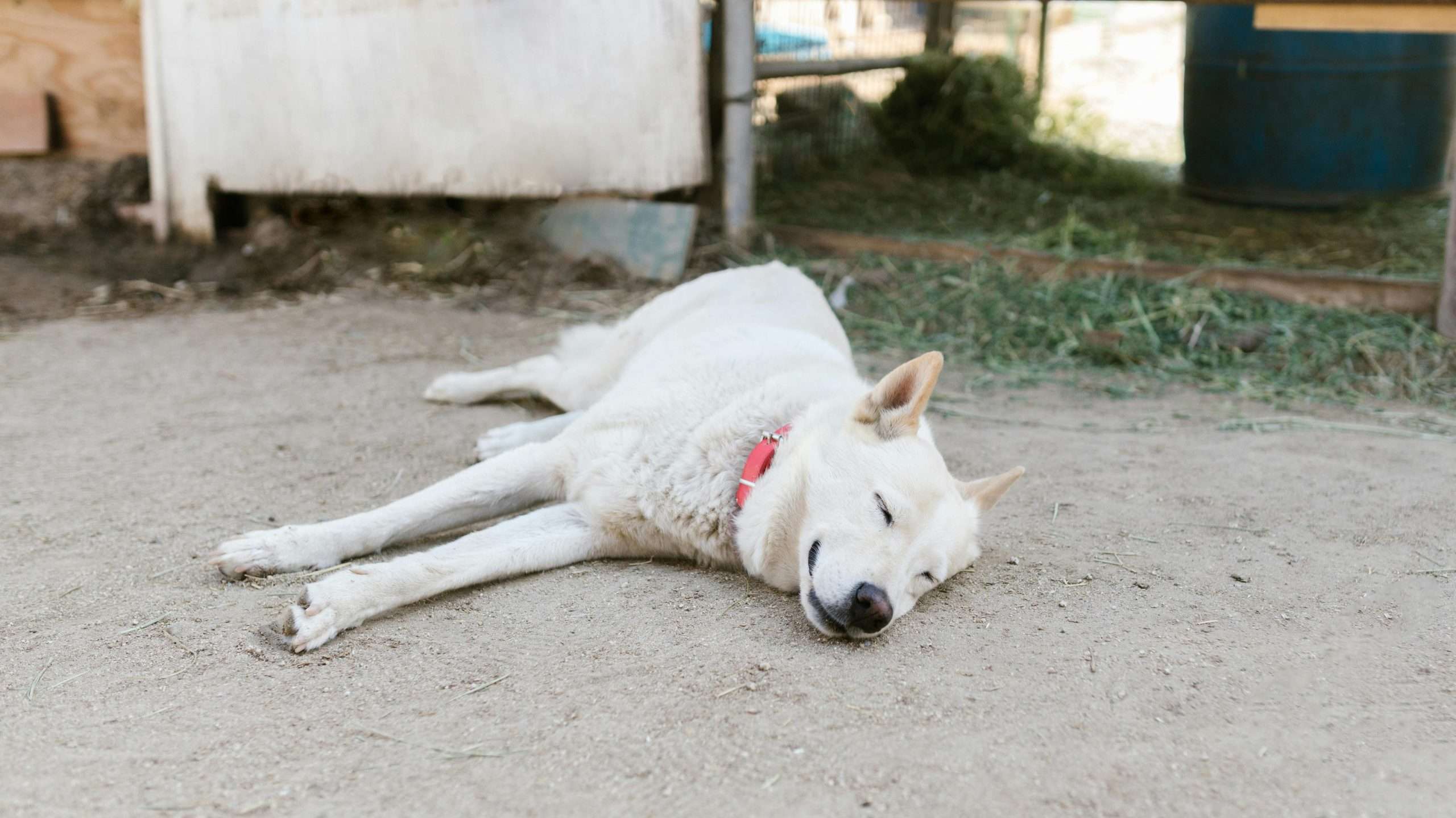
When your dog kicks their legs or makes running motions, they may be dreaming about chasing a ball or running through a park. Tail wags and soft grunts could suggest happy dreams, while low growls or whimpers might indicate a stressful or confusing scenario.
Research suggests that these actions are not meaningless. They reflect a dog’s daily activities or strong emotions. Just as people sometimes dream of recent events, dogs likely dream of playing with their owners, interacting with other pets, or even reliving moments that made them excited or nervous.
Dreams Based on Daily Life
The simplest way to think about a dog’s dream is as a mental replay of their waking life. If you have just taken your dog on a long walk or introduced them to a new friend, chances are those experiences will find their way into their sleep. In this sense, canine sleep behavior can provide a small window into what moments are most meaningful to your dog.
Related reads:
The Impact of Music on Pets: How Sounds Affect Your Pet’s Mood
How Canine Sleep Behavior Reflects Health
While dog dreams are often harmless and even cute to watch, sleep can also reveal signs of health issues. This is why observing canine sleep behavior closely can be so valuable for pet parents.
Normal vs. Concerning Sleep Movements
It is normal for dogs to twitch, move their paws, or make small noises in their sleep. However, excessive or violent thrashing during rest may point to something more serious, such as a neurological disorder. If your dog appears to be in distress often while asleep, or if the movements seem extreme, it is a good idea to consult a veterinarian.
Sleep Disorders in Dogs
Dogs can experience sleep disorders similar to humans. Insomnia, sleep apnea, and REM sleep behavior disorder have all been observed in dogs. In the case of REM sleep behavior disorder, dogs may act out their dreams in intense ways, which can even lead to injury. These conditions highlight the connection between canine sleep behavior and overall health. Proper diagnosis and treatment are important, as quality sleep is critical for both a dog’s body and mind.
How to Improve Your Dog’s Sleep Quality
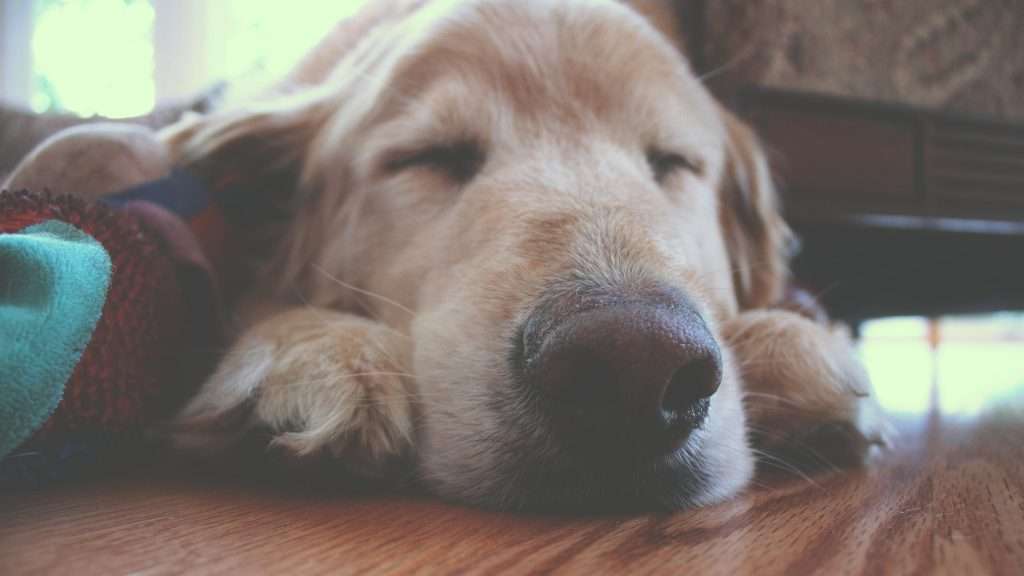
Just as humans benefit from a good night’s rest, dogs also thrive when they get consistent, peaceful sleep. Paying attention to canine sleep behavior helps owners create the best environment for their pets.
Creating the Right Sleep Environment
A calm and quiet space is one of the simplest ways to improve your dog’s sleep. Dogs prefer a spot where they feel secure and are not disturbed by sudden noises. For some, sleeping in the same room as their owner provides comfort, while others may choose a more private area. Experimenting with different sleeping spots can help identify where your dog rests best.
Factors That Influence Canine Sleep Behavior
Several factors can affect how well your dog sleeps. Diet plays an important role, since heavy meals or irregular feeding schedules may disrupt sleep patterns. Exercise is equally vital, as dogs with enough physical activity during the day tend to sleep more soundly. Stress levels, medical conditions, and even breed differences also shape canine sleep behavior.
Older dogs, for example, may wake more often during the night due to age-related changes. Larger breeds are also known to need more total sleep than smaller breeds. Understanding these differences allows owners to adapt routines for their specific dog’s needs.
When to Seek Veterinary Advice
While occasional restless nights are not unusual, ongoing disruptions in canine sleep behavior should not be ignored. Difficulty falling asleep, constant waking, or sudden behavioral changes at night may be signs of an underlying issue. A veterinarian can help determine whether medical treatment, dietary adjustments, or lifestyle changes are needed.
Closing Thoughts
So, do dogs have dreams? The answer is yes. Science shows that dogs enter REM sleep just like humans, and their body language during rest points to vivid dream activity. By observing canine sleep behavior, we gain valuable insight into both their minds and their health.
Supporting your dog’s sleep with the right environment, routine, and care helps ensure that their dreams remain a healthy and natural part of life. Most importantly, understanding sleep allows us to connect more deeply with our pets, appreciating that they too experience rich inner worlds while they rest peacefully by our side.


![The Ultimate First Time Dog Owner Checklist [2024]](https://100dogbreeds.com/wp-content/uploads/2024/07/first-time-dog-owner-768x512.jpg)