Bathing Tips: Making Bath Time Less Stressful for Your Dog


Ensuring that bathing time becomes a stress-free and enjoyable experience for your cherished canine companion is paramount for their overall well-being. While some dogs have a natural affinity for water, others may approach baths with apprehension or even fear. In our exploration, we’ll reveal practical strategies that can transform this routine task into a delightful bonding opportunity, nurturing a routine both you and your dog can eagerly anticipate.
Bathing your dog isn’t merely a matter of hygiene; it’s a holistic approach to their health and happiness:

1. Hygiene and Freshness: Regular baths maintain your dog’s coat and skin, preventing the buildup of dirt, debris, and unwanted odours—critical for those playful outdoor adventures.
2. Skin Serenity: Bathing helps alleviate skin irritations, allergies, and excessive oils, while also averting the discomfort of matting and fur tangling.
3. Flea and Tick Vigilance: Bathing is an integral part of flea and tick control, decreasing the risk of infestations. Specially formulated shampoos can target these pesky parasites.

4. Aroma Harmony: Over time, dogs can develop strong odours due to natural oils, dirt, and bacteria. Regular baths maintain their natural freshness, keeping them a joy to be around.
5. Bonding Bliss: Beyond cleanliness, bath time offers a chance to bond with your pet. As you tend to their needs, a deeper connection and trust are nurtured.
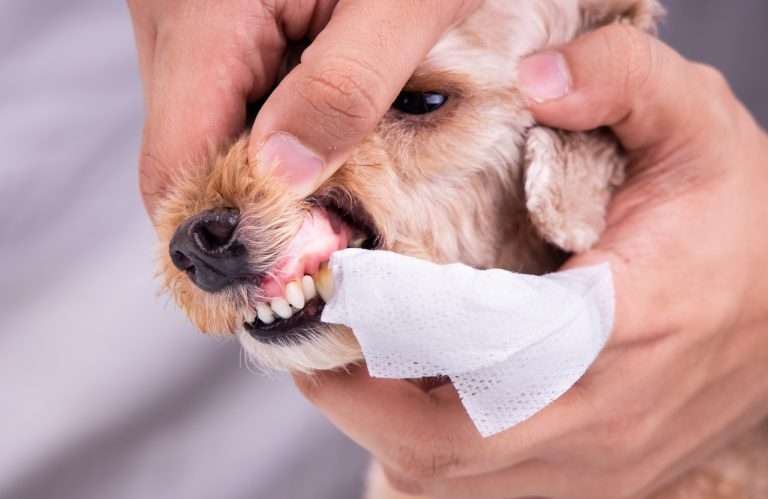
6. Guardianship and Wellness: Bathing allows you to inspect your dog’s skin, coat, ears, teeth, and nails, catching potential health concerns early and ensuring prompt veterinary care.
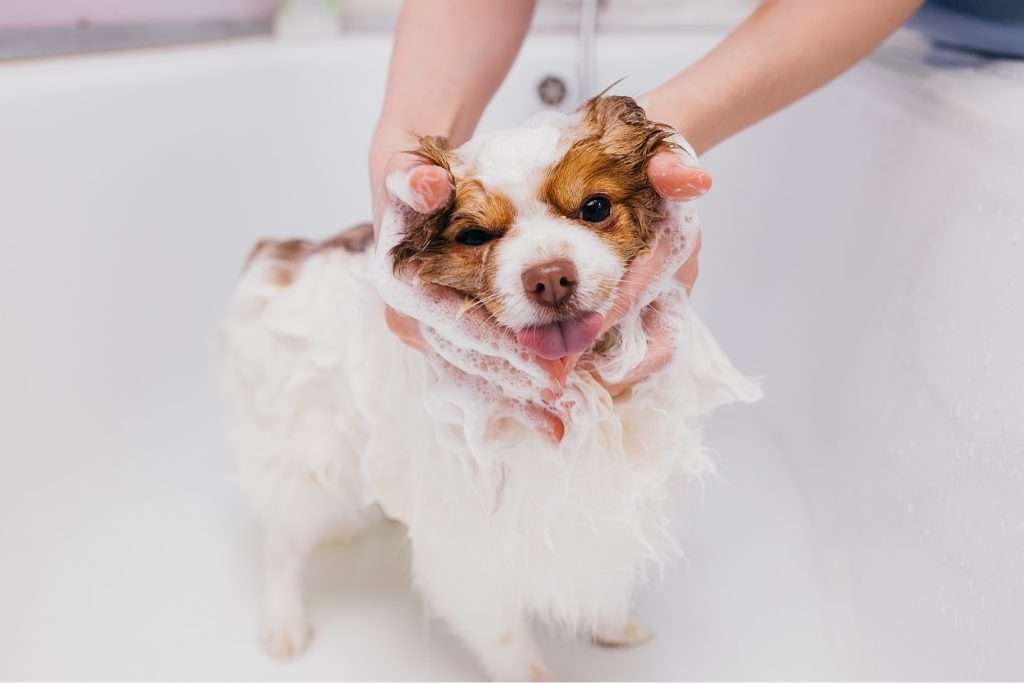
However, remember that moderation is key—excessive bathing can strip vital oils, leading to dryness and discomfort. Consult your veterinarian for guidance tailored to your dog’s breed, coat type, and specific skin conditions. Additionally, adhering to some simple guidelines can make the experience smoother:
Preparation and Approach:
– Introduce bath time gradually if your dog is new to it, allowing them to acclimate to the environment before the actual bath.
– Positive reinforcement, in the form of treats and praise, creates positive associations with the experience.
Bathing Area Readiness:
– Have all necessary supplies within reach—shampoo, towels, brush—to avoid leaving your dog unattended during the process.
– Use only dog-specific shampoos, as human shampoos can irritate their skin. Opt for mild, hypoallergenic options matching their coat and skin needs.
Temperature and Comfort:
– Ensure the water is lukewarm—neither too hot nor too cold—by testing with your hand before wetting your dog.
– Calm Atmosphere:
– Stay composed, as your dog can sense your emotions. Speak in a soothing tone, maintaining a tranquil environment throughout.
Safety and Care:
– Prevent slipping by using a non-slip mat or towel in the bathing area.
– Shield their ears from water and shampoo, using cotton balls if needed.
Breed-Specific Tips:
– Tailor your approach to your dog’s breed. Different breeds have unique coat requirements, such as short-haired, long-haired, or brachycephalic breeds.
Short-Haired Breeds (Labrador, Beagle):

Use a mild shampoo, and focus on rinsing.
Rubber brush before bath.
Gently towel dry.
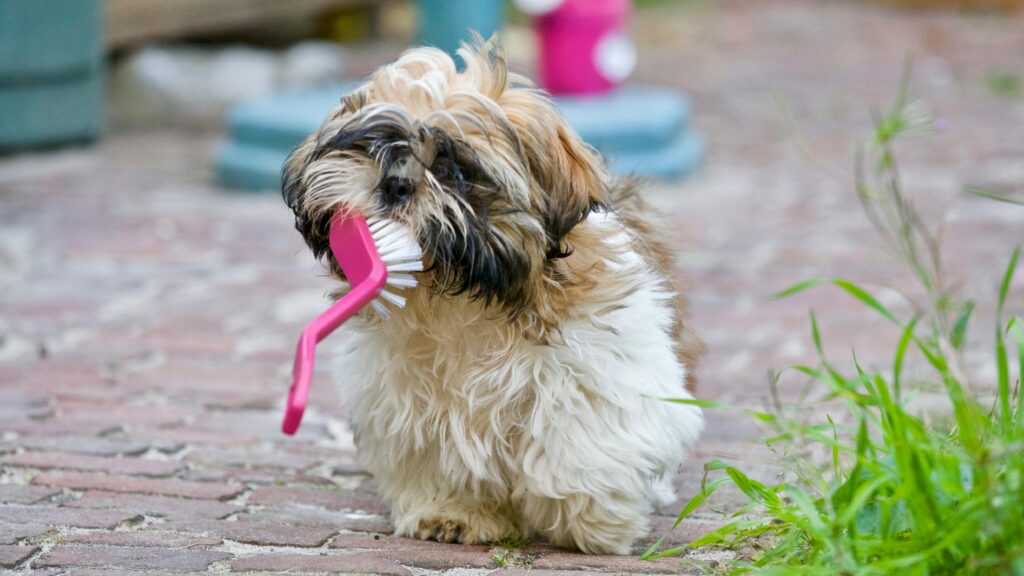
Long-Haired Breeds (Shih Tzu, Maltese):
Brush before bath, detangling shampoo.
Thorough rinsing, and conditioner.
Towel dry, low-heat blow dryer.
Double-Coated Breeds (Husky, Golden Retriever):
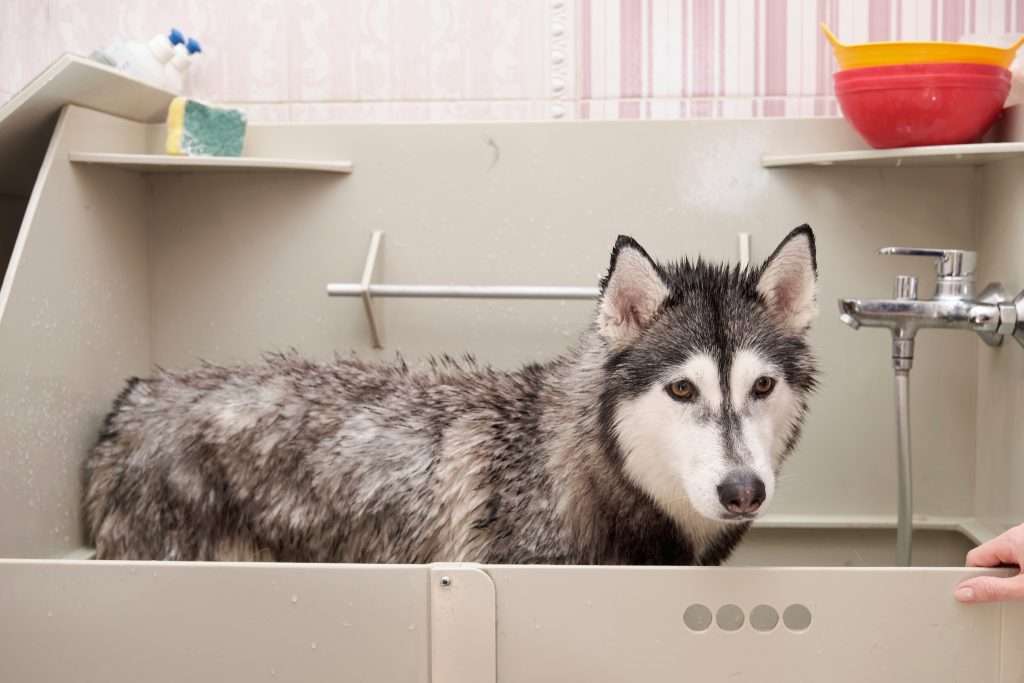
De-shedding shampoo, curry brush.
Gentle brushing, mild shampoo.
Thorough drying.
Scent Hound Breeds (Basset Hound, Bloodhound):
Hypoallergenic shampoo.
Ear cleaning, gentle bath.
Calm environment.
Water-Resistant Breeds (Poodle, Portuguese Water Dog):
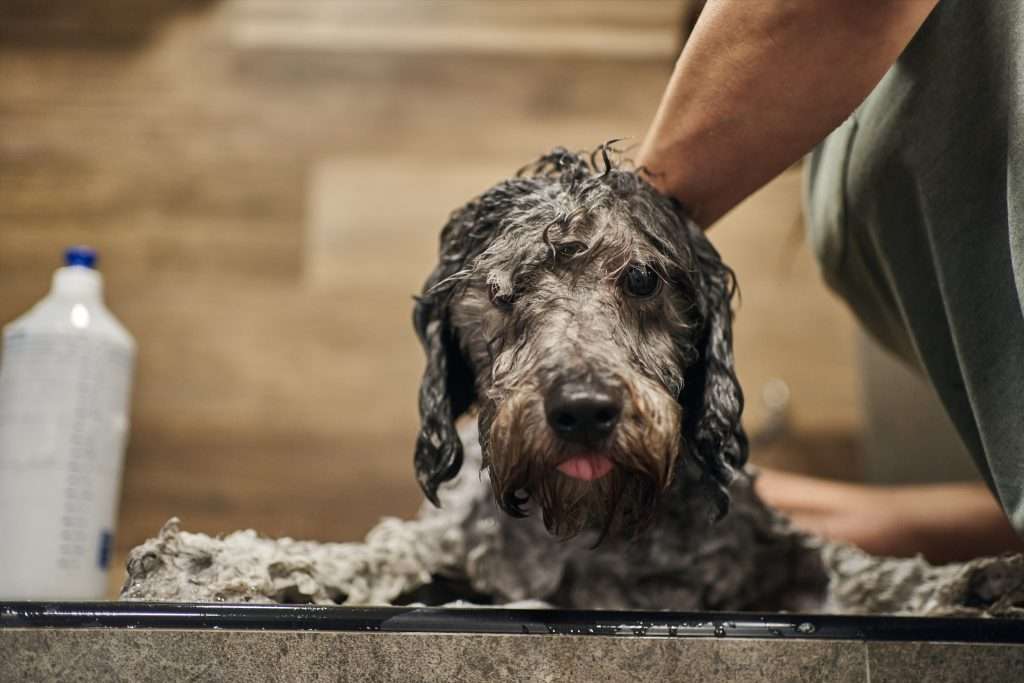
Coat-specific shampoo.
Regular trimming, and drying.
Brachycephalic Breeds (Bulldog, Pug):
Avoid water in nostrils.
Facial fold cleaning, gentle bath.
Comfortable water temperature.
Puppy Bathing (All Breeds):
Start young, shallow basin.
Positive, short experience.
In closing, by adopting these practices, you can transform bath time from a potentially challenging task into a harmonious ritual of care and connection. Remember that your dog’s comfort and trust are paramount. By nurturing a positive and patient approach, you’re not only ensuring their physical well-being but also fostering a joyful and fulfilling bond. Happy dog parenting!


![Fever in Dogs: Tips to Comfort Them [2024]](https://100dogbreeds.com/wp-content/uploads/2024/10/dog-fever-featured-768x512.jpg)