Bacterial Infections in Dogs – Different Types and Treatment


Is your dog suddenly lethargic, feverish, or showing unusual symptoms? Your dog might be battling a hidden enemy: bacteria.
Bacterial infections in dogs can strike silently and swiftly, affecting various parts of your pet’s body. From skin irritations to life-threatening internal issues, these microscopic invaders pose a serious threat to your canine companion’s health. But what exactly are these infections, and how can you protect your dog?

This article covers the crucial aspects of bacterial infections in dogs. Read on to find out.
Common Types of Bacterial Infections in Dogs
- Skin Infections (Pyoderma): Skin infections, also known as pyoderma, are among the most common bacterial infections in dogs. These infections can occur on the surface of the skin or in deeper layers. Staphylococcus is a frequent culprit in canine skin infections. Symptoms may include redness, itching, pustules, and hair loss.
- Urinary Tract Infections (UTIs): UTIs are another prevalent type of bacterial infection in dogs. They occur when bacteria enter and multiply in the urinary tract. Common symptoms include frequent urination, blood in the urine, and discomfort while urinating.
- Respiratory Infections: Bacterial respiratory infections can affect a dog’s nose, throat, and lungs. These infections often follow viral infections or occur due to inhaled irritants. Symptoms may include coughing, nasal discharge, and difficulty breathing.
- Gastrointestinal Infections: The gastrointestinal tract can also be susceptible to bacterial infections. These can cause symptoms such as vomiting, diarrhea, and loss of appetite. Common bacterial culprits include Salmonella and E. coli.
- Ear Infections (Otitis Externa): Bacterial ear infections are common in dogs, especially those with floppy ears. Symptoms include head shaking, ear scratching, and a foul odor from the ears.
Causes of Bacterial Infections in Dogs

Several factors can contribute to the development of bacterial infections in dogs:
- Weakened Immune System: Dogs with compromised immune systems are more susceptible to infections.
- Environmental Factors: Exposure to contaminated water or unsanitary conditions can introduce harmful bacteria.
- Poor Hygiene: Lack of regular grooming can create an environment conducive to bacterial growth.
- Underlying Health Conditions: Certain diseases or conditions can make dogs more prone to bacterial infections.
Symptoms of Bacterial Infections in Dogs
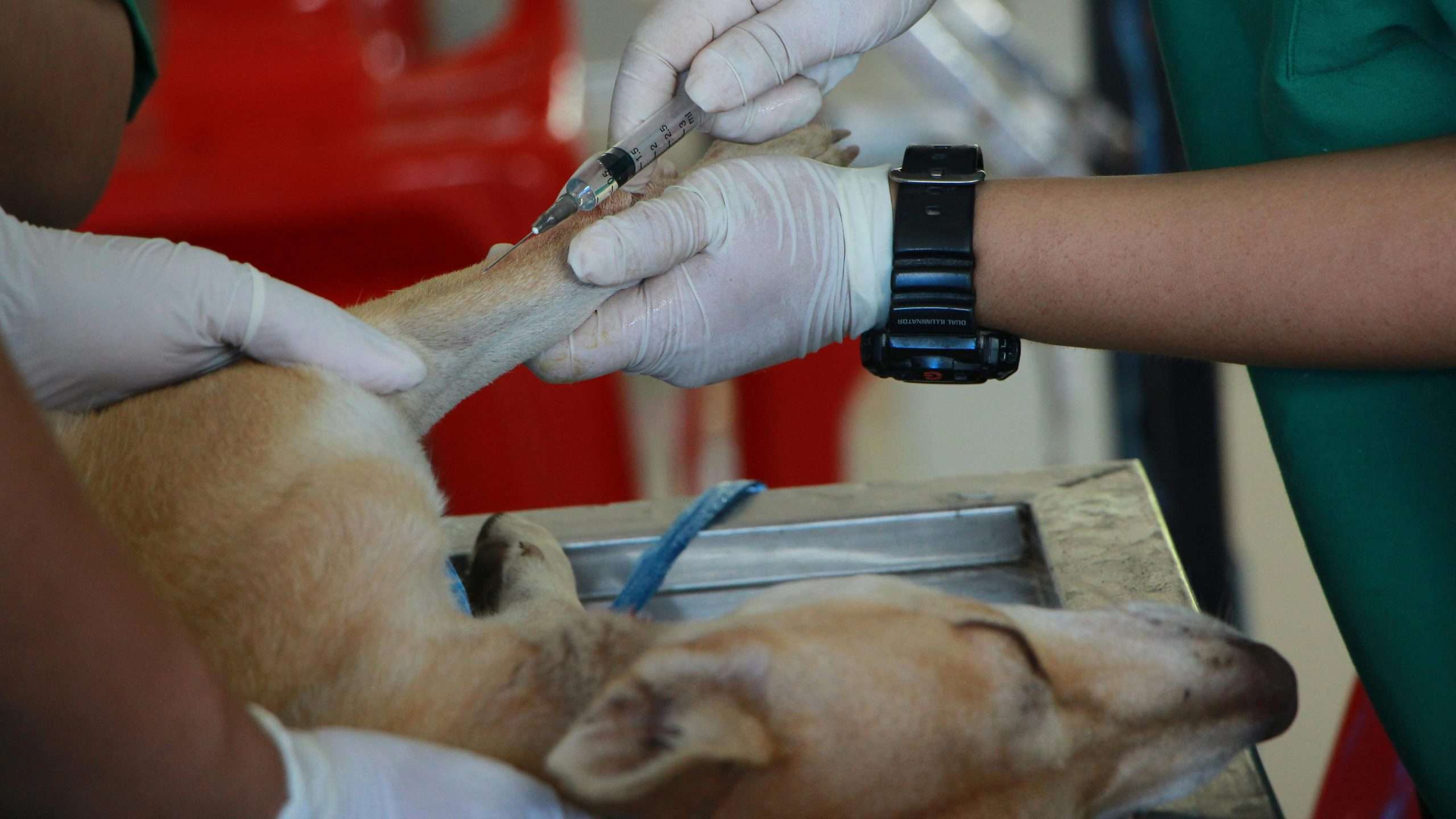
The symptoms of bacterial infections in dogs can vary depending on the type and location of the infection. However, some general signs to watch for include:
- Fever
- Lethargy
- Loss of appetite
- Visible inflammation or swelling
- Discharge from affected areas
- Changes in behavior or mood
Specific symptoms based on infection type may include:
- Skin infections: Redness, itching, hair loss, pustules
- UTIs: Frequent urination, blood in urine, straining to urinate
- Respiratory infections: Coughing, nasal discharge, difficulty breathing
- Gastrointestinal infections: Vomiting, diarrhea, abdominal pain
- Ear infections: Head shaking, ear scratching, foul odor
Diagnosis of Bacterial Infections in Dogs
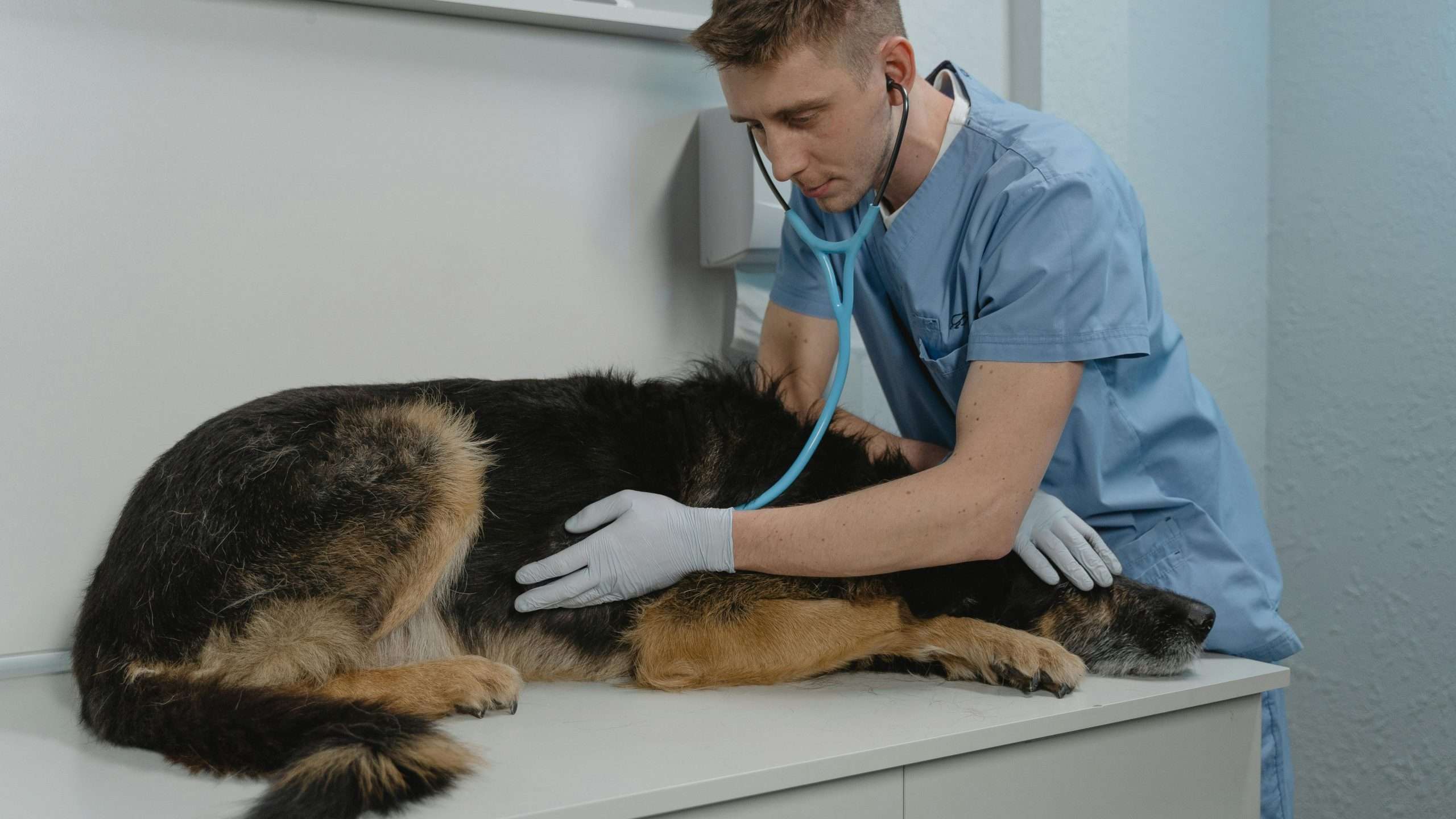
Proper diagnosis of bacterial infections in dogs typically involves:
- Physical Examination: A thorough check-up by a veterinarian to assess overall health and identify visible symptoms.
- Laboratory Tests: These may include:
- Blood tests to check for signs of infection and overall health
- Urine analysis for UTIs
- Skin scrapings or cultures for skin infections
- Fecal tests for gastrointestinal infections
- Imaging Techniques: In some cases, X-rays or ultrasounds may be necessary to assess the extent of the infection, especially for respiratory or internal infections.
Treatment Options for Bacterial Infections in Dogs
The treatment of bacterial infections in dogs usually involves a combination of approaches:
- Antibiotics: The primary treatment for most bacterial infections. The choice of antibiotic depends on the type of bacteria and the location of the infection. It’s crucial to complete the full course of antibiotics as prescribed by the veterinarian.
- Topical Treatments: For skin and ear infections, topical antibiotics, antiseptics, or medicated shampoos may be prescribed.
- Supportive Care: This may include fluid therapy, pain management, and nutritional support to help the dog’s body fight the infection.
- Addressing Underlying Causes: If an underlying condition is contributing to recurrent infections, it must be addressed to prevent future occurrences.
Related reads:
The Importance of Regular Vet Check-Up for Your Dog
Prevention of Bacterial Infections in Dogs
Preventing bacterial infections in dogs involves several key strategies:
- Regular Check-ups: Routine veterinary visits can help catch potential issues early.
- Proper Hygiene: Regular grooming, including bathing and ear cleaning, can help prevent bacterial overgrowth.
- Vaccination: Keeping your dog up-to-date on vaccinations can prevent certain bacterial infections.
- Strengthening the Immune System: A balanced diet, regular exercise, and stress reduction can help boost your dog’s natural defenses.
Recovery and Prognosis
The recovery process from bacterial infections in dogs varies depending on the type and severity of the infection. Most dogs respond well to appropriate antibiotic treatment and can recover fully within a few weeks. However, some infections may require longer treatment periods or ongoing management.
Follow-up care is essential to ensure the infection has been completely cleared. This may involve repeat tests or examinations. In some cases, such as with recurring UTIs or skin infections, long-term management strategies may be necessary.
When to Seek Veterinary Care
It’s important to seek veterinary care if you notice any signs of infection in your dog. Early treatment can prevent the infection from becoming more severe or spreading to other parts of the body. Additionally, if your dog is undergoing treatment for a bacterial infection but shows no improvement or worsening symptoms, consult your veterinarian immediately.
Saying Goodbye!
Bacterial infections in dogs are a common but serious health concern. By understanding the types, causes, symptoms, and treatments, dog owners can better protect their pets and ensure prompt, effective care when needed. Regular veterinary check-ups, good hygiene practices, and a healthy lifestyle can go a long way in preventing these infections. Remember, early detection and treatment are key to managing bacterial infections in dogs and ensuring your furry friend leads a happy, healthy life.
FAQs
Can bacterial infections in dogs be transmitted to humans?
Some bacterial infections can be zoonotic, meaning they can be transmitted from animals to humans. Always practice good hygiene when handling a dog with an infection.
How long does it take for antibiotics to work in dogs?
This can vary, but many dogs show improvement within 24-48 hours. However, it’s crucial to complete the full course of antibiotics as prescribed.
Can bacterial infections in dogs resolve on their own?
While a dog’s immune system can fight off some minor infections, many bacterial infections require veterinary treatment. It’s always best to consult a professional.
Are certain dog breeds more prone to bacterial infections?
Some breeds may be more susceptible to certain types of infections. For example, dogs with floppy ears are more prone to ear infections.
How can I tell if my dog has a bacterial infection or a viral infection?
It can be difficult to distinguish between bacterial and viral infections without professional diagnosis. If you suspect your dog is ill, consult a veterinarian.